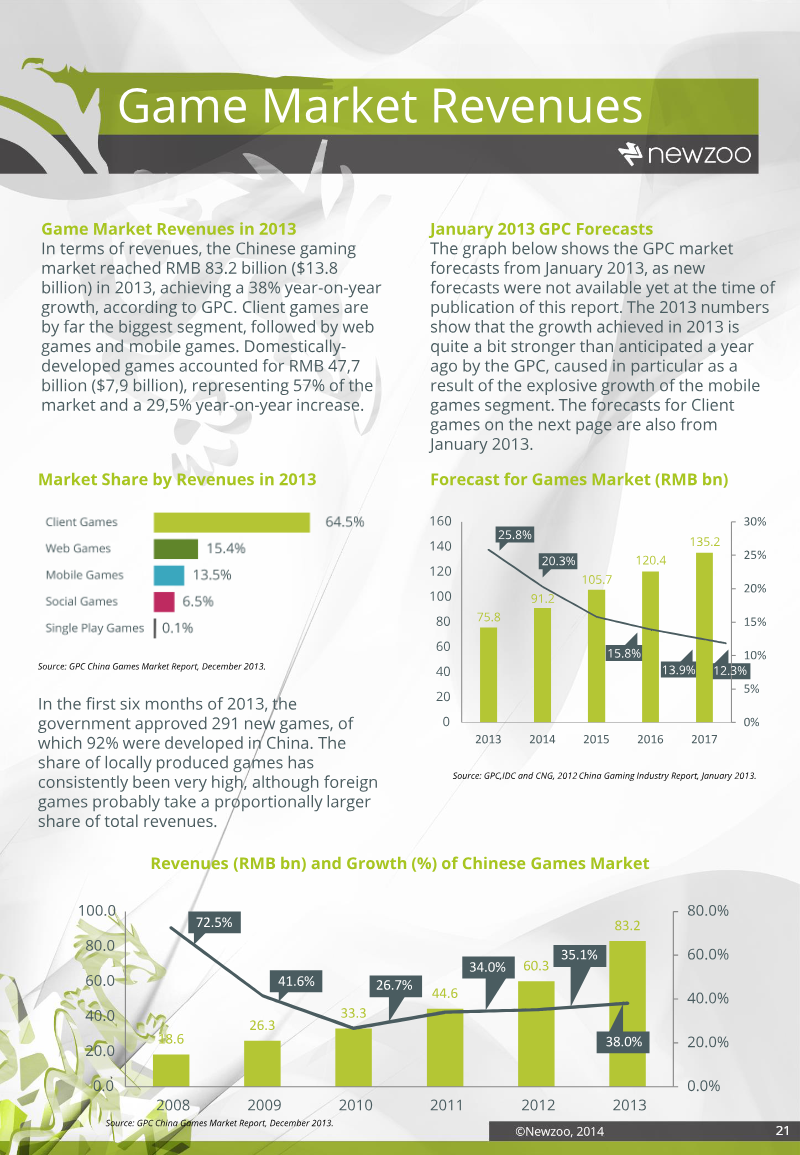
This represents a 38% year-on-year increase. The market is supported by a massive base of 490 million gamers.
Mobile gaming experienced a 248.5% increase in users and a 246.9% surge in revenue during the observed period.
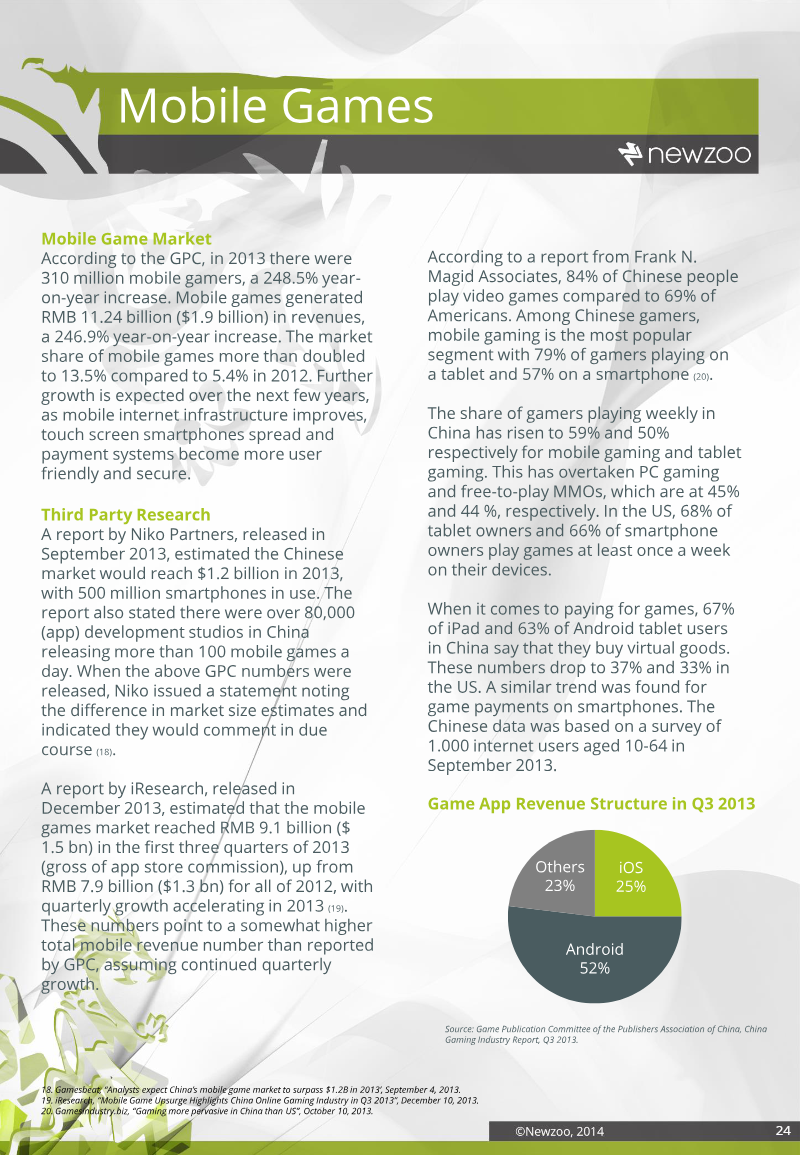
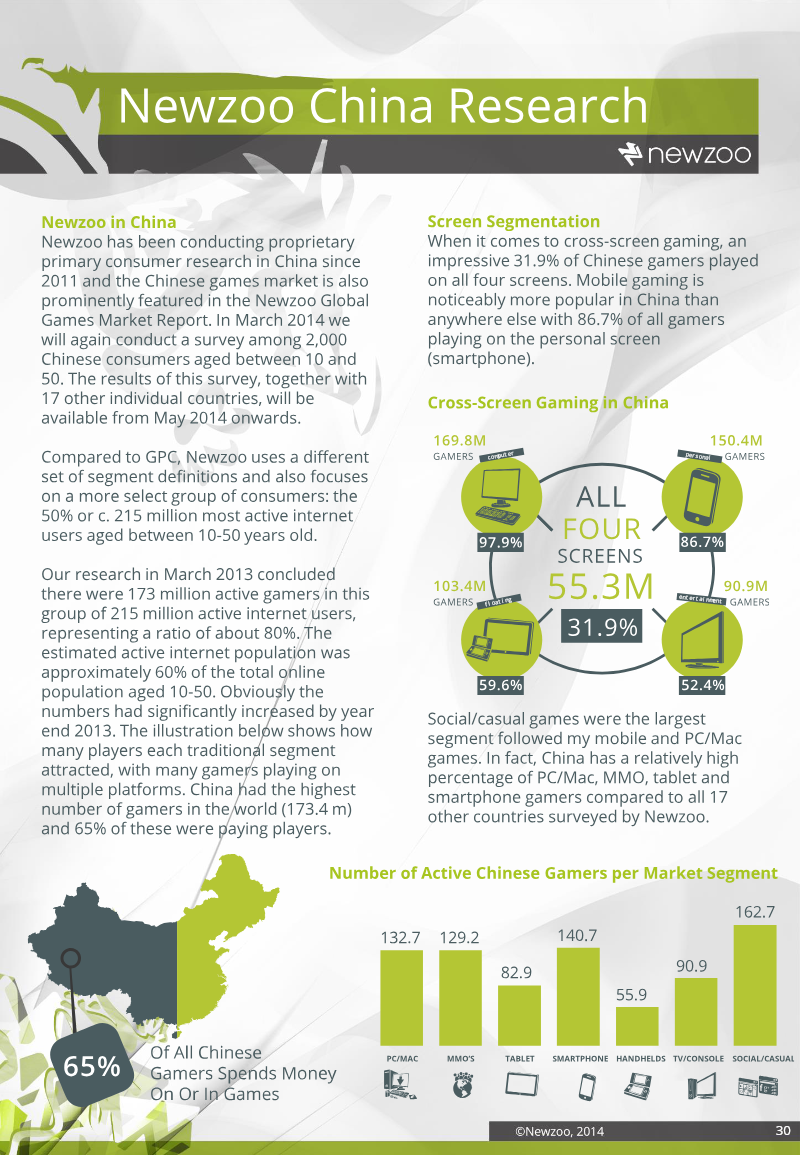
65% of the player base actively pays for content.
Domestic giants like Tencent and NetEase dominate, necessitating strategic partnerships for foreign entities.
It's like trying to sell a product in a new country where two big companies own all the major stores.

This involves leveraging domestic search engines, handset manufacturers, and local publishing ecosystems.
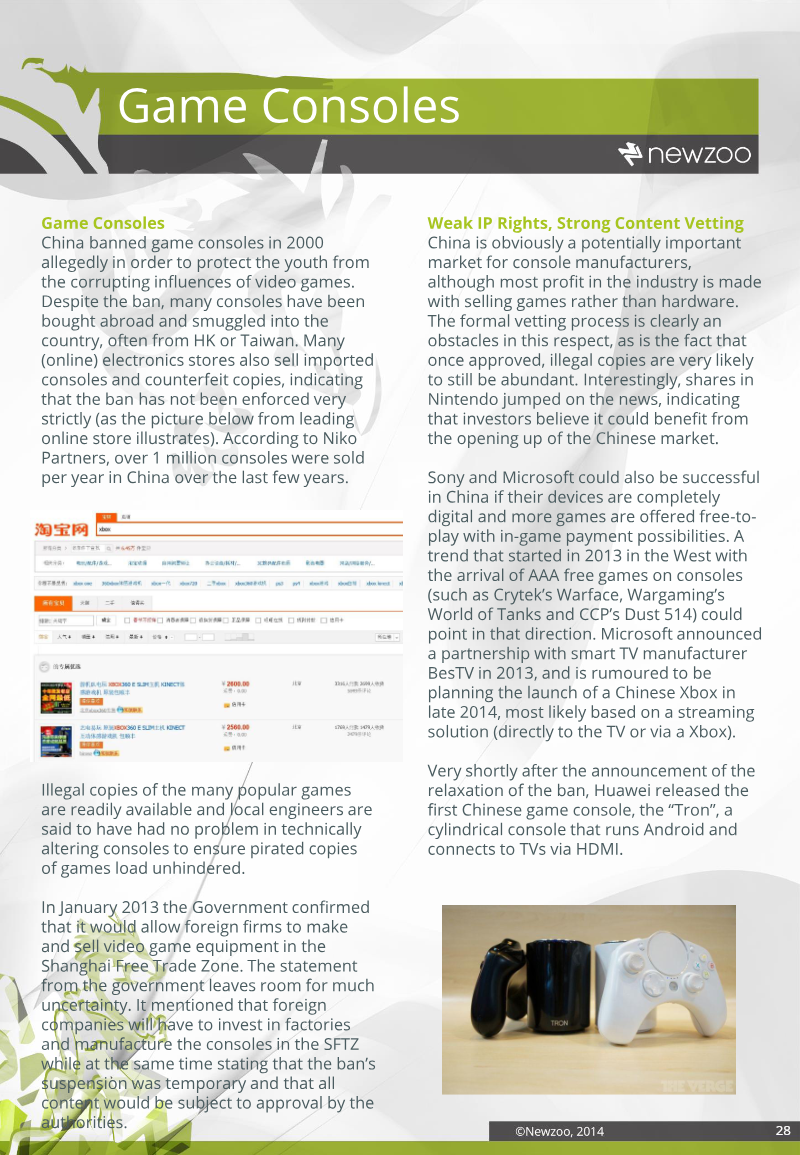
This follows the relaxation of the long-standing console ban, despite ongoing content-vetting and censorship challenges.
The Chinese gaming market stands as the world’s largest and most dynamic digital ecosystem, characterized by a massive user base of 490 million gamers and a rapidly evolving technological landscape. As of 2013, the industry generated RMB 83.2 billion in revenue, reflecting a 38% year-on-year increase. While traditional online client games continue to command the majority of revenue, the sector is undergoing a profound structural shift toward mobile platforms. This transition is fueled by widespread smartphone adoption, with mobile gaming experiencing a staggering 248.5% growth in users and a 246.9% surge in revenue during the observed period.
Success within this environment requires a nuanced understanding of a fragmented distribution network dominated by domestic giants like Tencent and NetEase. Unlike Western markets, China’s digital infrastructure is deeply integrated into local social platforms and diverse app stores, necessitating strategic partnerships for foreign entities seeking to capitalize on the high demand for Western intellectual property. Although the market remains complex due to strict content-vetting requirements and hardware manufacturing regulations, the recent relaxation of the long-standing console ban and the high propensity for monetization among the 65% of players who pay for content present significant opportunities for international expansion.
Ultimately, the Chinese market is defined by a mobile-first trajectory and a unique cultural preference for social, casual, and massively multiplayer online games. While piracy and censorship remain persistent challenges for Western developers, the sheer scale of the audience and the maturity of domestic platforms provide a compelling landscape for growth. Navigating this space effectively demands a departure from traditional Western business models in favor of localized strategies that leverage domestic search engines, handset manufacturers, and established local publishing ecosystems to reach the country’s vast and highly engaged gaming population.