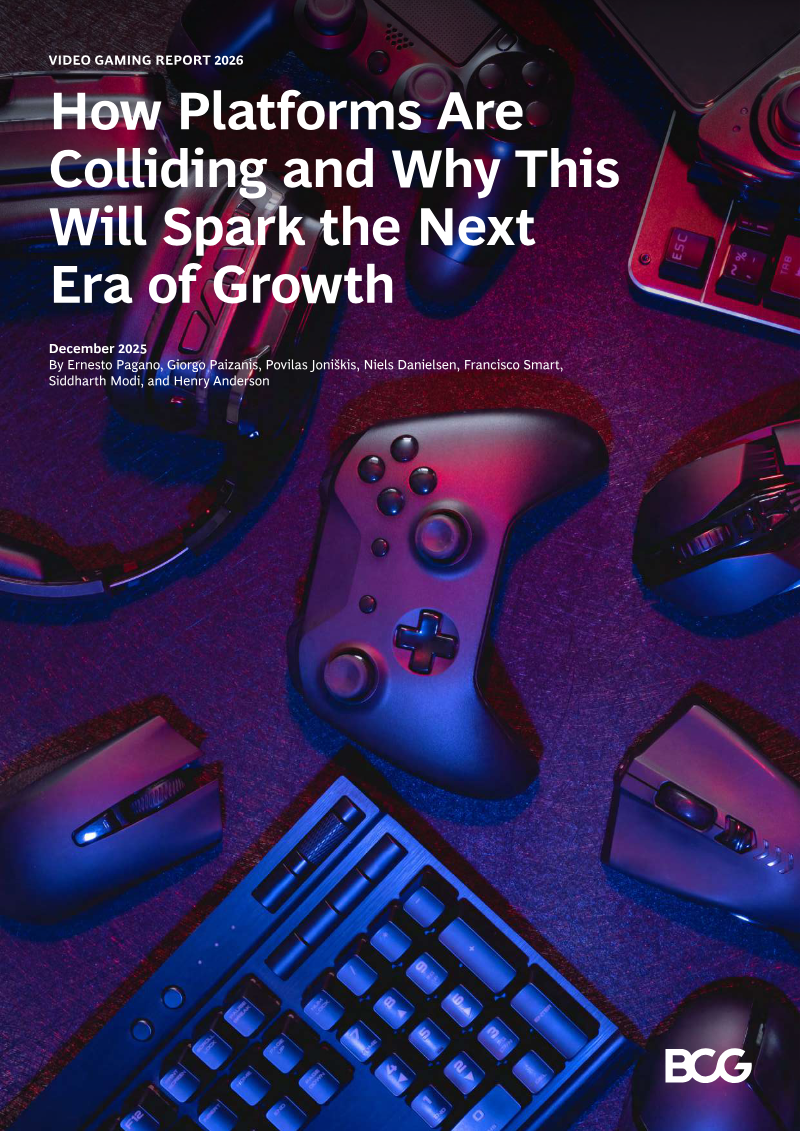
This represents a 20% compound annual growth rate between 2012 and 2017.
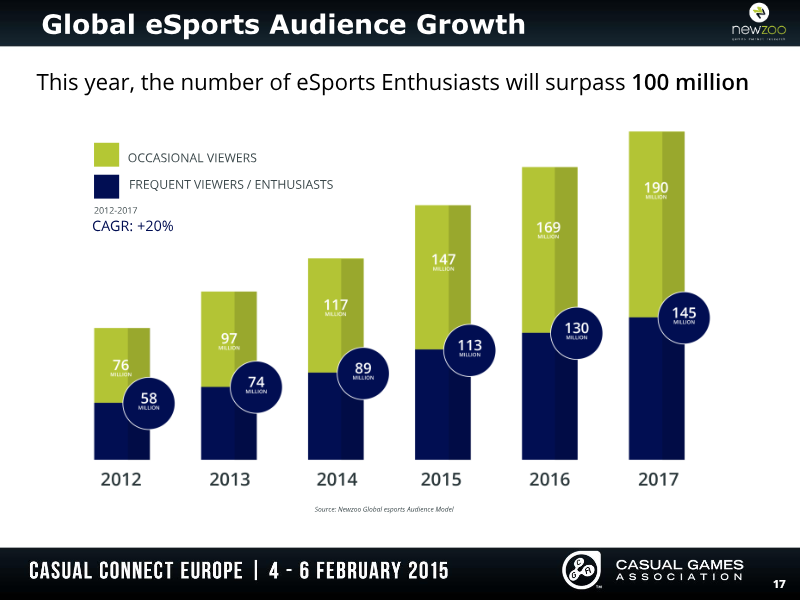
Twitch, a key example, reached 100 million unique monthly viewers in 2014.
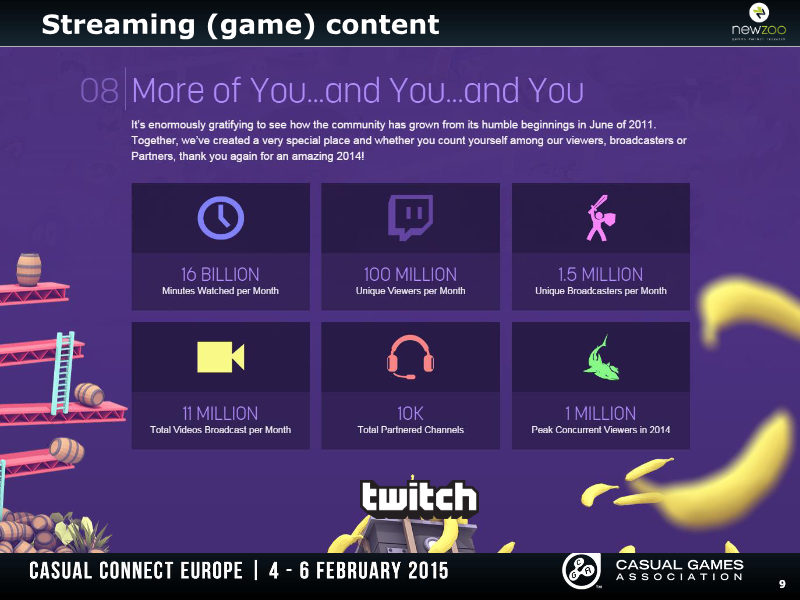
This demographic is characterized by full-time employment, high income levels, and a strong propensity for hardware investment.
Publishers and crowdfunding fund these prize pools.

It now competes directly with traditional sports for global reach and commercial viability.
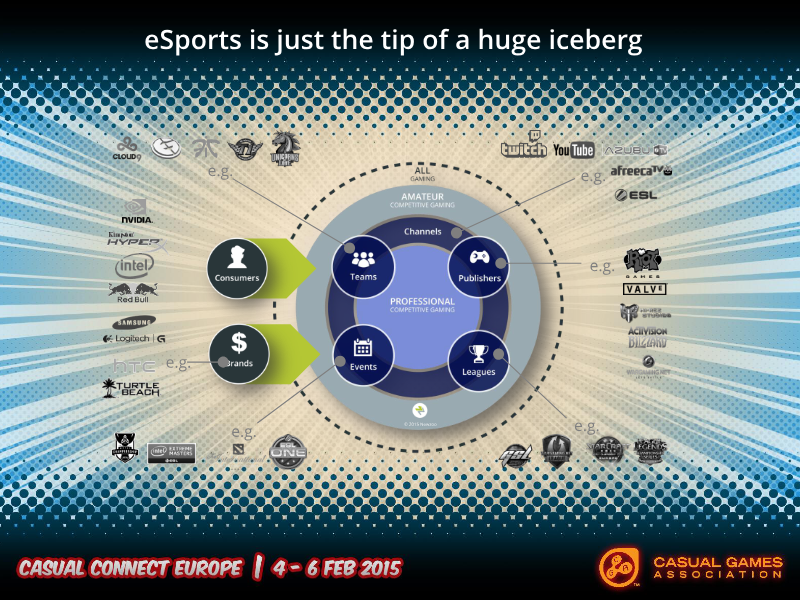
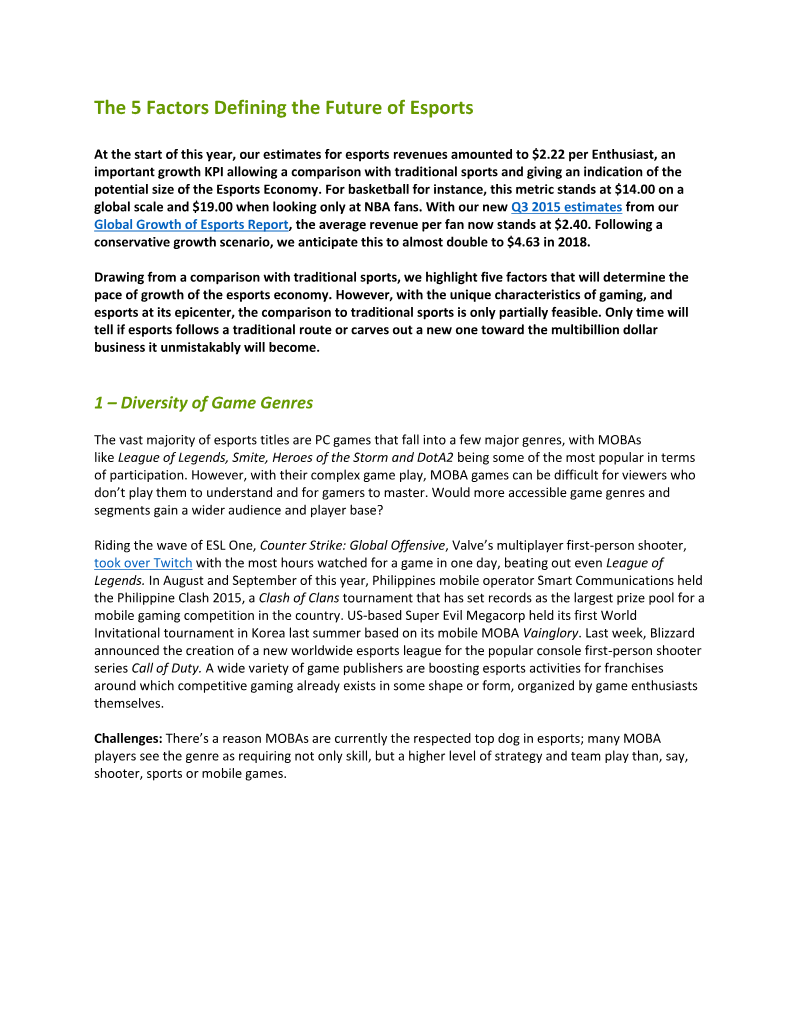
The eSports economy is experiencing rapid expansion, driven by a fundamental shift in how consumers interact with gaming content. The primary thesis posits that eSports has evolved from a niche hobby into a major professional industry, fueled by the rise of consumer-generated content, streaming platforms, and professionalized competitive leagues. This growth is supported by a global audience that is increasingly distinct from traditional gaming demographics, with approximately 40% of eSports viewers not actively participating in the games they watch.
Key findings highlight that the number of eSports enthusiasts is projected to surpass 100 million, with a compound annual growth rate of 20% between 2012 and 2017. The industry ecosystem is supported by a complex network of publishers, hardware brands, and streaming services like Twitch, which reported 100 million unique monthly viewers in 2014. Financial data underscores the professionalization of the sector, noting that prize pools for major events like the Dota 2 Championships have reached significant scale through crowd-funding and publisher investment. Furthermore, the eSports enthusiast profile reveals a highly desirable demographic, characterized by high income levels, full-time employment, and a strong propensity for hardware investment.
The scope of this analysis is global, covering the period leading up to 2017. The methodology relies on the Newzoo Global eSports Audience and Revenue models, which synthesize data from consumer surveys, platform metrics, and industry partnerships. The analysis concludes that eSports represents the "tip of the iceberg" in a broader gaming industry shift toward new revenue models, including advertising, media rights, and merchandise, positioning gaming as a major competitor to traditional sports in terms of global reach and commercial viability.