ReportNewzoo
VR Games Market Report: An Overview and Outlook of Virtual Reality
44 pages~50 min full read
Key insights
6 slides
Revenue Outlook
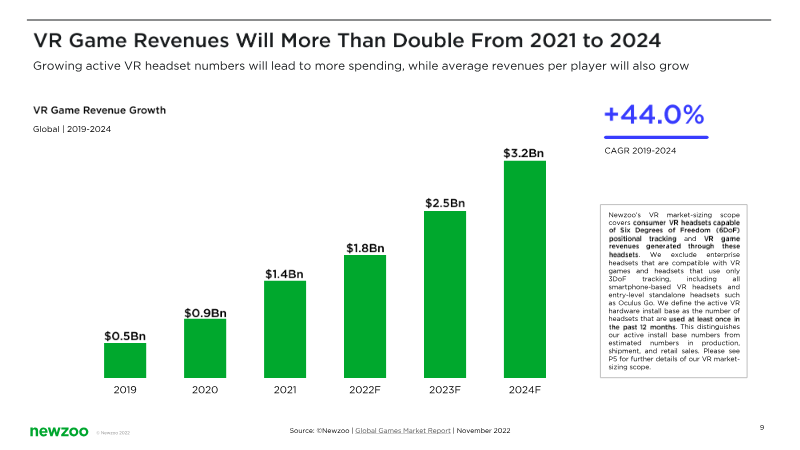
Global VR gaming revenue is projected to reach $3.2 billion by 2024.
This figure represents more than double current annual revenues.
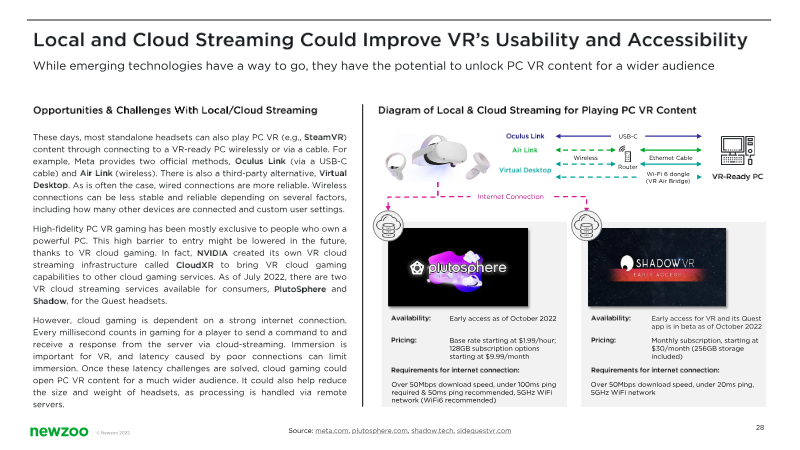
Bridging the Gap
Technological development focuses on closing the performance gap between standalone and PC-tethered systems.
This is achieved through cloud streaming, advanced haptics, and mixed-reality passthrough.
It's like bringing the power of a desktop computer to a portable device.
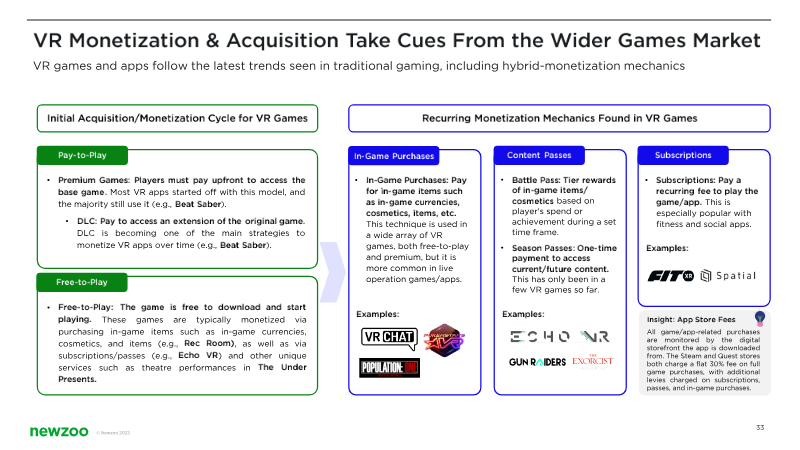
Evolving Models
Industry growth is shifting towards hybrid monetization models.
This moves away from one-time purchases to incorporate subscriptions, downloadable content (DLC), and in-game microtransactions.
Core Audience
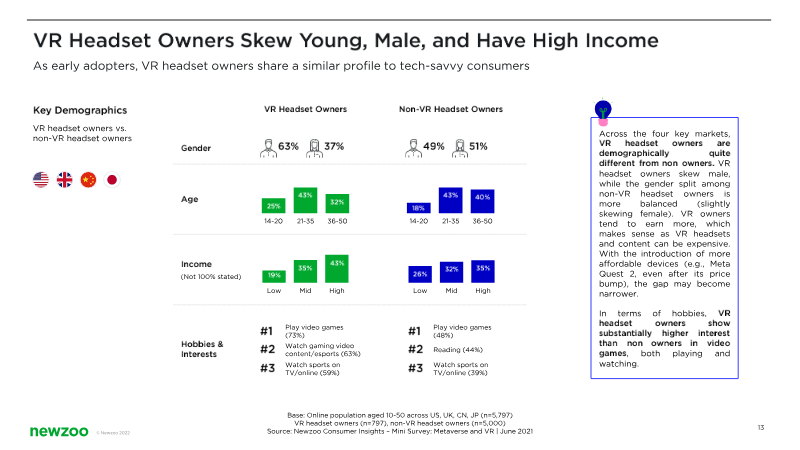
The core VR gaming demographic consists of affluent, young males.
Understanding this demographic is key for content development.
Content Evolution
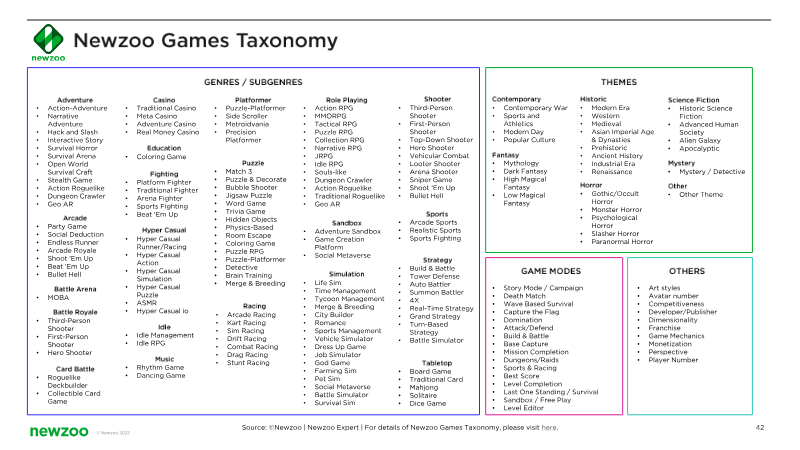
Developers are increasingly incorporating narrative-driven, sandbox, and competitive elements into titles.
The goal is to improve long-term user retention.
Beyond Gaming
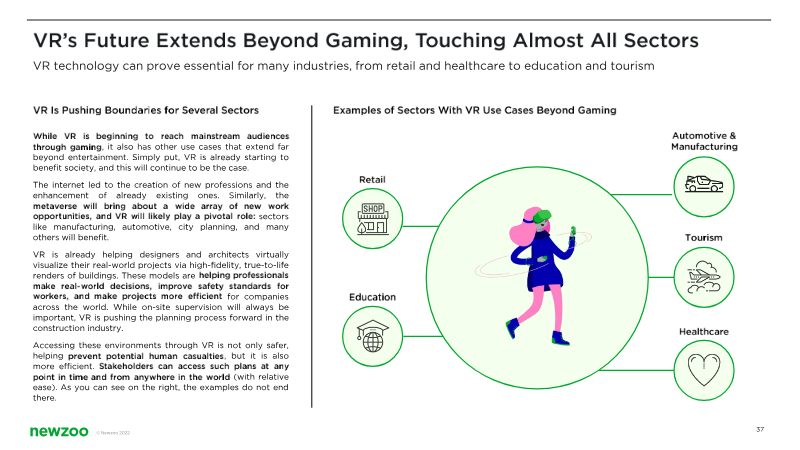
The VR ecosystem is diversifying beyond entertainment into professional sectors.
This includes healthcare, manufacturing, and education. Social platforms are also building the architecture for the metaverse.
1 / 6
Ask AI about this report