Key insights
4 slides
Global Impact
The Americas are a significant hub for the global esports industry.
The region accounts for a quarter of the worldwide esports audience.
Key Region. The Americas are a major global esports hub, accounting for 25% of the worldwide audience and 40% of total industry revenues.
Page 4 of the report25%
Share of worldwide esports audience from the Americas.
- Share of total industry revenues from the Americas
- 40%
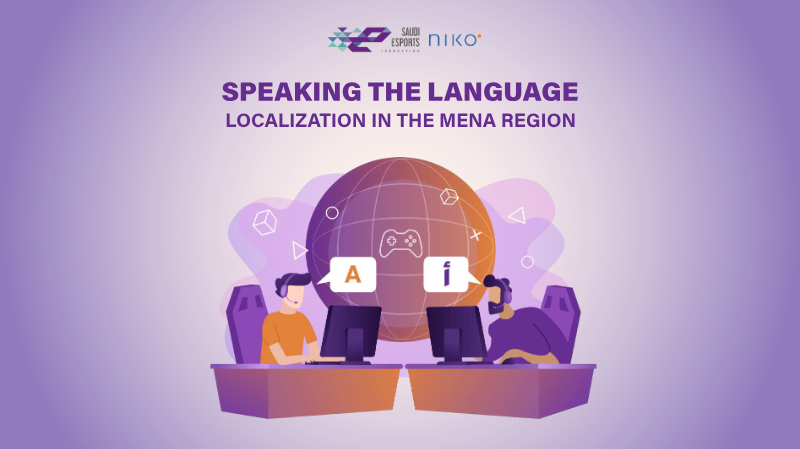
Language Matters
Nearly half of the regional esports audience speaks Spanish or Portuguese.
This linguistic diversity necessitates tailored strategies for North and Latin American markets.
Localized Approach. Nearly 50% of the regional esports audience speaks Spanish or Portuguese, necessitating localized strategies rather than a unified approach for North and Latin American markets.
Page 8 of the reportNearly 50%
Share of regional esports audience speaking Spanish or Portuguese.
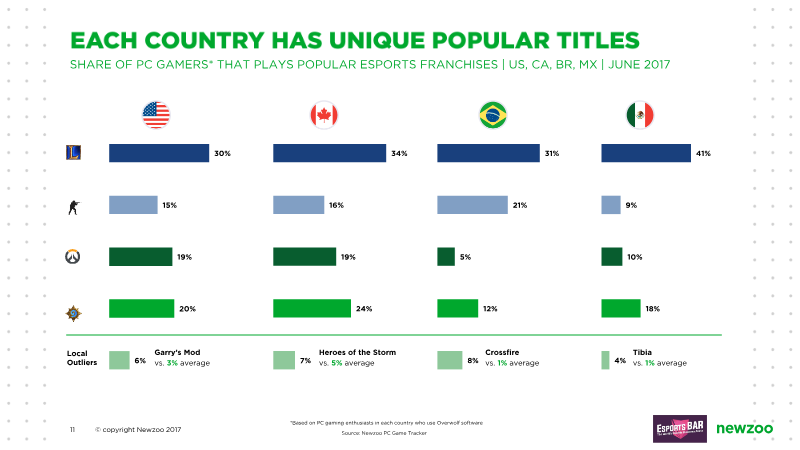
Local Preferences
Market penetration success depends on understanding localized gaming preferences.
Popular titles vary significantly by country across the Americas.
Like different regions having different favorite sports teams, gaming preferences are highly local.
New Engagement
Traditional sports organizations are increasingly acquiring esports teams.
This strategy aims to diversify fan engagement and reach younger demographics.

1 / 4
Ask AI about this report