Market Analysis reports and market data
Documents

Digital Rentals and the Online Arcade - How Will We Buy Games in the Future? - Extra Credits
The gaming industry is currently undergoing a significant transition as traditional retail models, centered on sixty-dollar boxed products, give way to digital distribution and diverse monetization strategies.
- Monetization strategies must be integrated into the game design process from the start, as payment structures fundamentally dictate mechanical requirements and the overall player experience.
- The industry is shifting away from the traditional $60 boxed-product model toward diverse digital distribution methods that move beyond a one-size-fits-all approach.
- The 'online arcade' model, which charges per life or session, is best suited for short, skill-based genres like fighting games or platformers.

Pocket Gamer's Mobile Mixer 2012 - Ville Tuominen from Symbio
The development landscape for Windows Phone in 2012 presents a strategic opportunity for mobile developers despite the platform’s smaller market share compared to industry leaders.
- Microsoft’s massive annual R&D investment, which exceeds that of major competitors, signals a long-term commitment to the Windows Phone ecosystem.
- Windows Phone is experiencing rapid growth, with adoption curves currently outpacing those of the Android market as of 2012.
- Microsoft provides robust, mature tooling and high-quality documentation that enables rapid application development and high levels of abstraction.

Pocket Gamer Biz interview Gary Liu, COO of Cocoa China
The Chinese mobile gaming market is experiencing rapid expansion, with projections indicating significant growth from current levels to an estimated 5 billion RMB by 2013.
- The Chinese mobile gaming market is projected to grow to 5 billion RMB by 2013.
- Android is currently outpacing iOS in growth and market importance within China, necessitating a strategic shift toward cross-platform development.
- Cocoa China is launching a multi-language game development tool, codenamed A2 SP2, in May 2013 to enable single-codebase deployment across all major platforms.

Pocket Gamer Biz interview Henry Fong, CEO of Yodo1
Yodo1 serves as a specialized gateway for Western mobile game developers seeking to navigate the complex Chinese market.
- Yodo1 provides a service that enables Western mobile game developers to distribute and monetize their titles in the Chinese market in under seven days.
- The Chinese mobile market is experiencing rapid growth, with an estimated 200 million smartphones in use and a penetration rate of less than 20%, signaling significant long-term potential.
- Yodo1 differentiates itself by aggregating and federating access to China's fragmented ecosystem of top ad networks, payment methods, and distribution channels rather than forcing developers into a proprietary network.
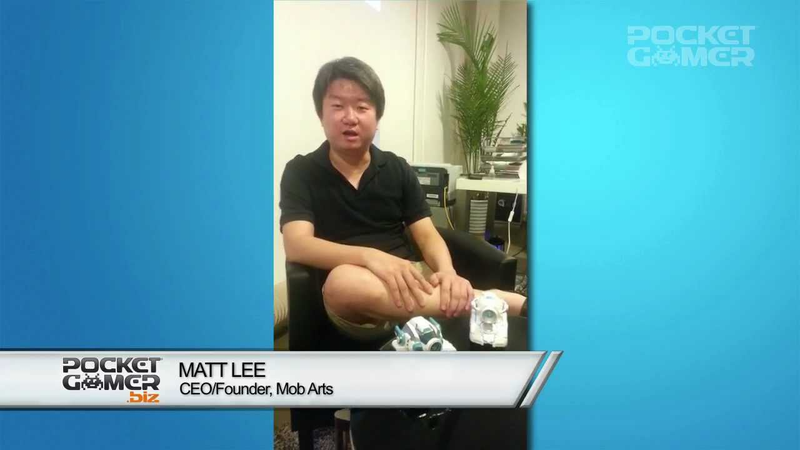
Pocket Gamer Biz interview Matt Lee, CEO of Mob Arts
Mob Arts, a Beijing-based mobile entertainment developer, distinguishes itself within the Chinese gaming landscape by prioritizing original intellectual property and innovative design over the common industry practice of cloning existing titles.
- Mob Arts differentiates itself in the Chinese market by prioritizing original IP and 3D-rendered console-style mechanics over the industry-standard practice of cloning existing titles.
- The studio’s flagship title, Space Tank, achieved strong international validation in the Korean market by securing nearly 7,000 five-star reviews within its first week of launch.
- Success for international developers in China requires high-quality game design, effective localization, and a commitment to providing consistent, compelling content updates for user retention.
Nordic Game Sales 2012
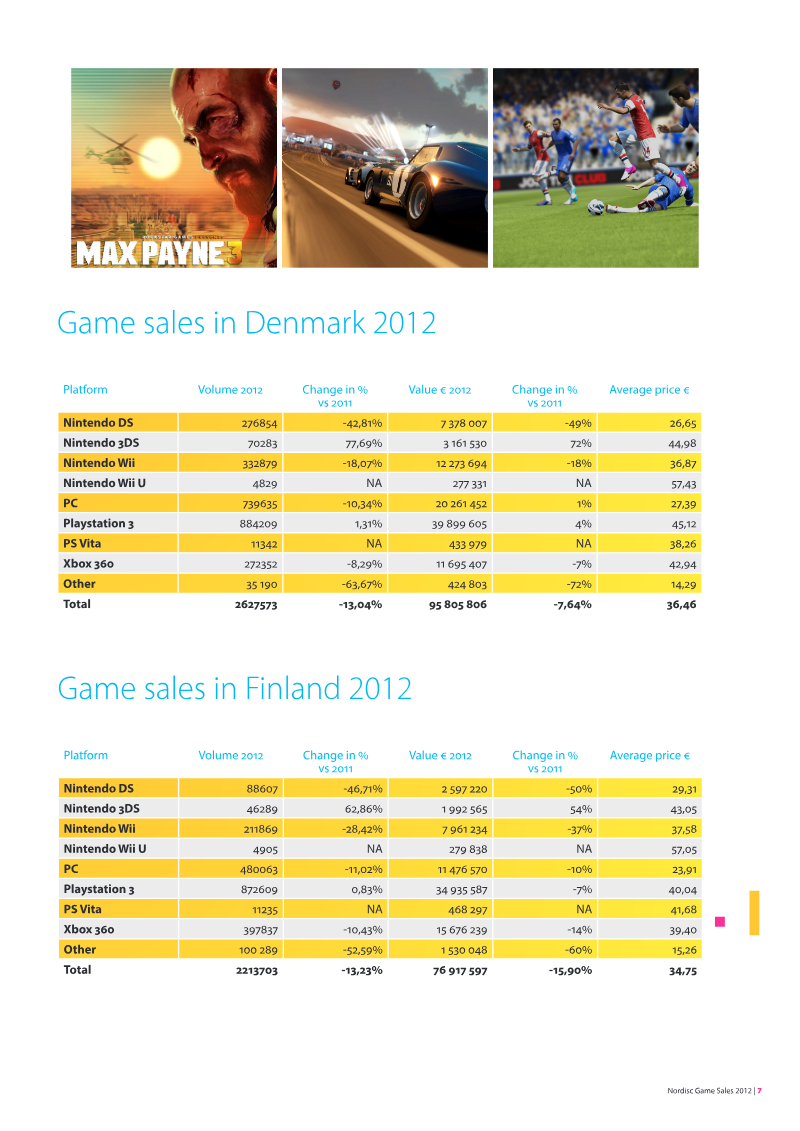
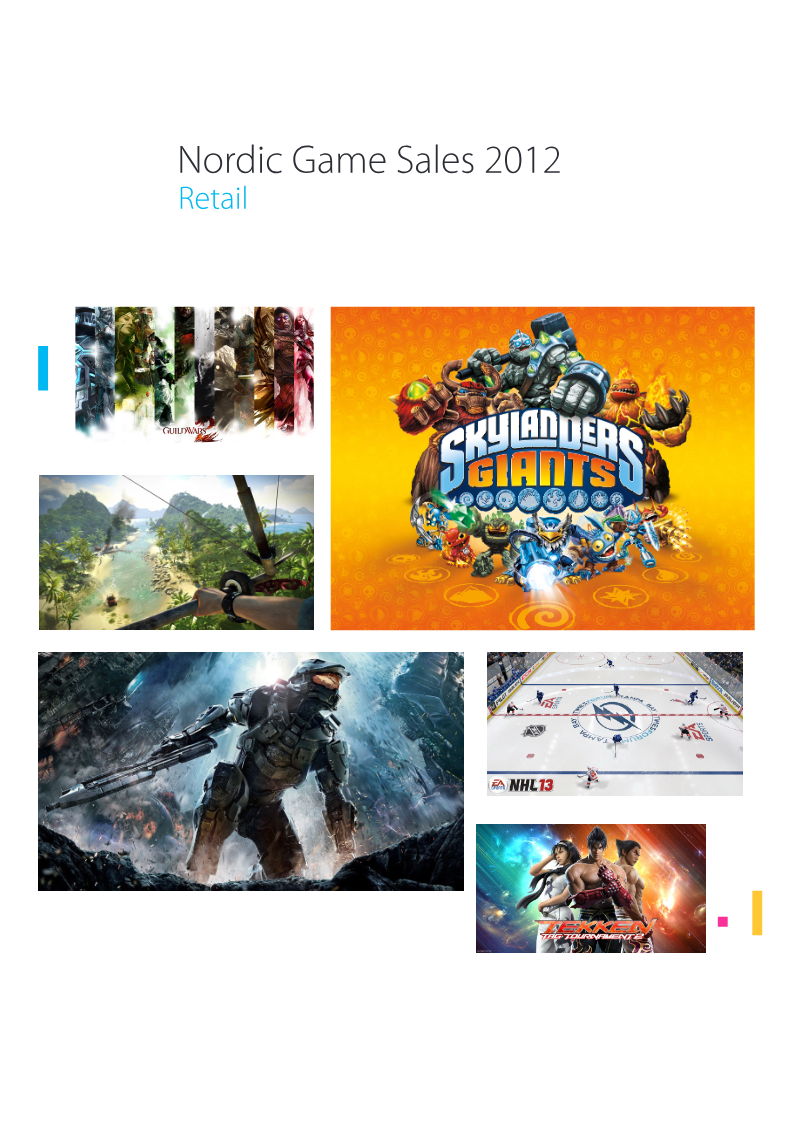
The Nordic video game market experienced a notable contraction in 2012, with retail sales declining by 13.5 percent.
- Nordic retail video game sales contracted by 13.5 percent in 2012, primarily due to a structural shift toward digital distribution channels not captured in traditional tracking.
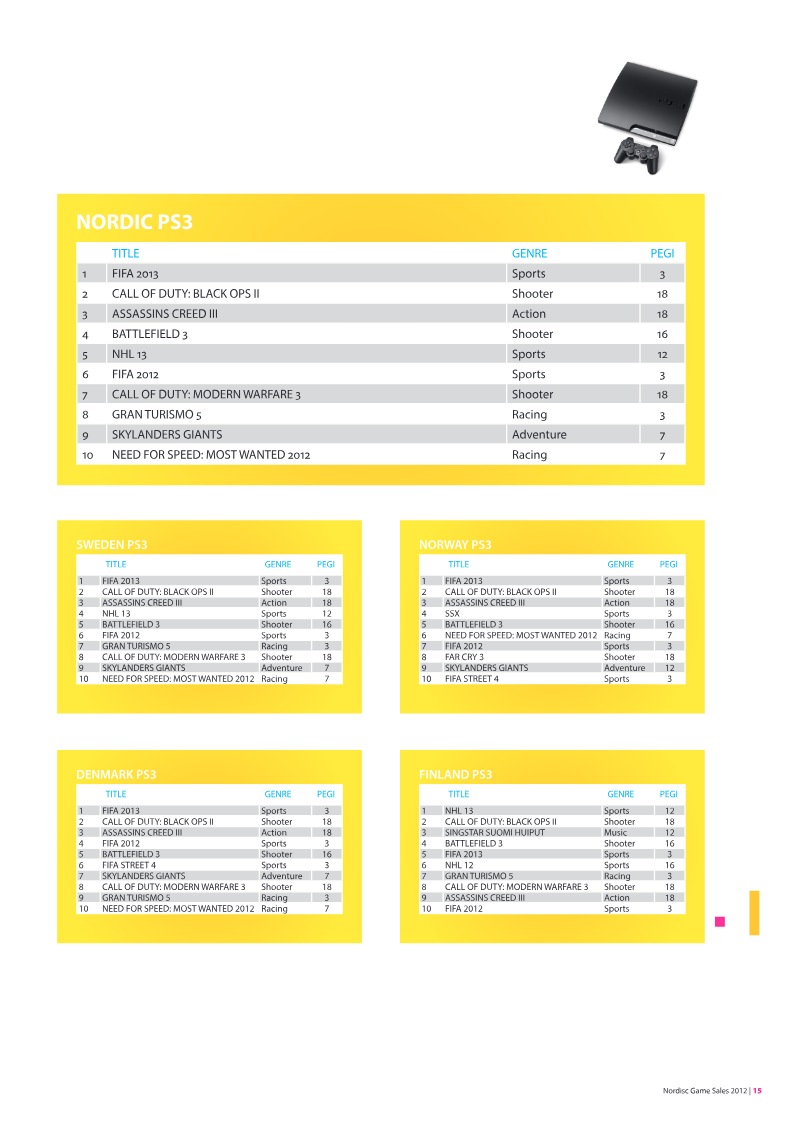
- The market was dominated by three core genres: action titles (16.15 percent), sports games (13.63 percent), and shooters (10.40 percent).
- Major franchises like FIFA 13 and Call of Duty: Black Ops II maintained robust commercial performance despite the overall retail downturn.

Digital Resale - Can You Borrow a Friend's Steam Games? - Extra Credits
The digital distribution landscape is approaching a significant shift as legal precedents, particularly within the European Union, begin to classify digital goods as property rather than licensed services.
- Legal precedents in the European Union are shifting the classification of digital goods from licensed services to property, which mandates that consumers eventually gain traditional ownership rights like resale and transfer.
- Digital storefronts are under pressure to develop infrastructure for digital resale to comply with evolving laws that bridge the gap between physical property rights and modern digital distribution.
- A centralized trade-in model, where distributors offer store credit for returned games, is identified as a viable strategy to retain customer loyalty and keep capital within a platform's ecosystem.

Spectrum Crunch - The Implications of Limited Bandwidth in 2012 - Extra Credits
The rapid proliferation of mobile devices and high-bandwidth content has created a critical infrastructure challenge known as the spectrum crunch.
- The United States faces a critical wireless bandwidth deficit as the physical limitations of radio frequency transmission fail to keep pace with a 20,000% increase in network traffic between 2007 and 2012.
- The gaming industry faces significant barriers to innovation, as high-fidelity 3D experiences, real-time multiplayer, and cloud-based gaming require consistent, high-quality connections that are increasingly difficult to maintain.
- To manage the spectrum crunch, carriers are responding by raising prices and eliminating unlimited data plans, which threatens to restrict mobile access and force users to rely on local Wi-Fi for large downloads.
Cross-Media Worlds - Connecting Across Games, Film, Books, and More - Extra Credits
The evolution of gaming is increasingly defined by the development of transmedia worlds, where interconnected experiences span across various platforms, media, and genres.
- Transmedia design fosters social cohesion by allowing players with varying skill levels and genre preferences to contribute to a shared narrative or goal through different gameplay styles.
- Linking disparate gaming experiences increases player retention and enhances the perceived value of microtransactions by creating functional, symbiotic relationships between platforms.
- Modern cross-platform ecosystems, such as the integration between Dust 514 and Eve Online, allow actions in one environment to directly influence the state of another, maintaining world continuity.
Western & Japanese RPGs - III: Why Are Western RPGs More Popular? - Extra Credits
The decline in the relative popularity of Japanese RPGs (JRPGs) compared to Western RPGs stems from a fundamental shift in industry competition and a misalignment of development priorities.
- JRPGs have lost their market dominance because their core appeals—narrative depth and leveling mechanics—have been successfully integrated into other mainstream genres.
- The Japanese industry has stagnated by conflating high-fidelity cinematic visuals with narrative quality, leading to inefficient development cycles where engines are rebuilt for every project.
- Western RPGs gained popularity by prioritizing player expression and experimental gameplay mechanics that evolved alongside technological advancements.
Pro Gaming - What Esports Needs to Grow - Extra Credits
Professional gaming faces significant structural hurdles in establishing itself as a mainstream, long-term spectator sport, particularly in Western markets.
- The rapid obsolescence of video game titles prevents the development of stable, multi-generational professional ecosystems compared to traditional sports like baseball or chess.
- To achieve mass-market growth, the industry must shift design priorities to favor spectator-focused interfaces and broadcast tools that explain mechanics to casual observers.
- Professional gaming requires the cultivation of human narratives and athlete personalities to foster the emotional investment necessary for long-term cultural permanence.

S.978 and Operation Rainfall - Major Industry Events in 2011 - Extra Credits
The landscape of the gaming industry in 2011 was significantly influenced by legislative threats and grassroots consumer activism.
- The 2011 S.978 bill proposed classifying unauthorized streaming of copyrighted content as a felony if the stream value exceeded $2,500 or the licensing value surpassed $5,000.
- Operation Rainfall successfully pressured Nintendo to localize three specific Wii titles—Xenoblade Chronicles, The Last Story, and Pandora’s Tower—for the North American market after the company initially claimed there was insufficient demand.
- The S.978 legislation faced significant opposition due to its broad language, which threatened to criminalize individual content creators and impose severe penalties, including the loss of civil rights and deportation.