Live Ops reports and market data
Documents
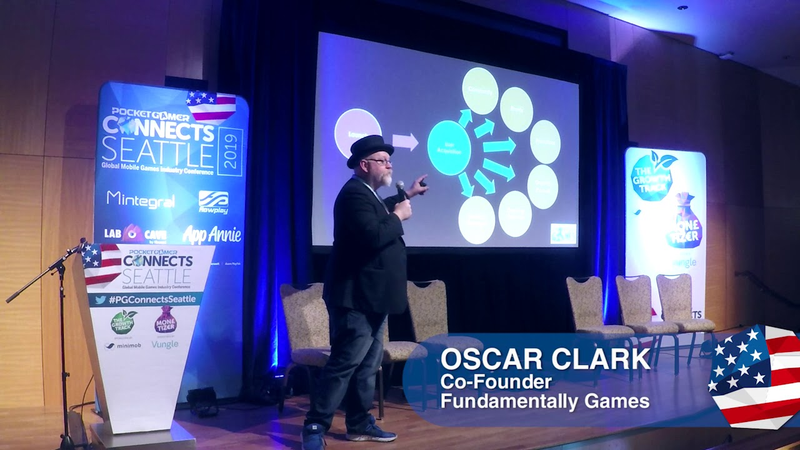
Joined up thinking: Optimising UA effectiveness by aligning campaigns with live ops strategies
The primary thesis of this analysis is that mobile game success relies on integrating user acquisition (UA) strategies with live operations (LiveOps).
- Success in mobile gaming requires integrating user acquisition (UA) and LiveOps into a unified strategy rather than managing them as isolated silos.
- Marketing campaigns should be synchronized with a predictable pipeline of content updates, feature releases, and community events to foster long-term player engagement.
- Sustainable growth depends on leveraging organic drivers like community-generated content and social sharing to complement paid UA efforts.
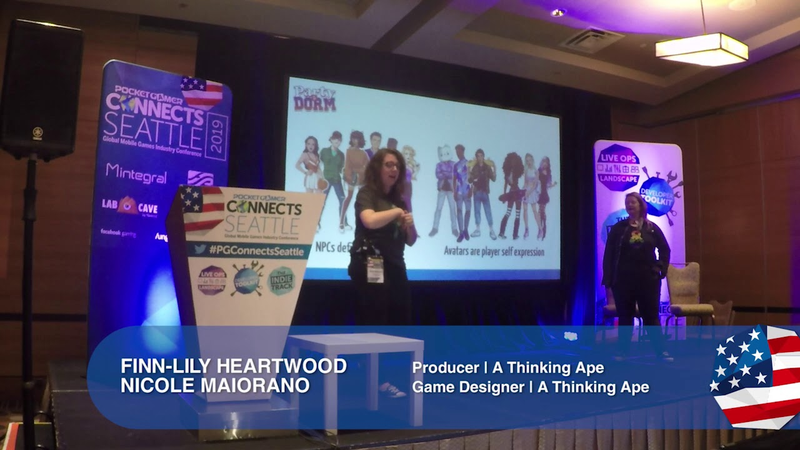
What is inclusive content and why is it important?
Inclusive content serves as a vital business strategy for mobile game developers, particularly those managing live operations with global, diverse audiences.
- Shifting from generic, stereotypical character designs to culturally nuanced avatars can drive revenue increases exceeding 200%.
- Inclusive content functions as a data-driven business strategy that improves community engagement and performance for global, live-service mobile games.
- Authenticity is achieved by hiring consultants with lived experience and creative expertise to mitigate unconscious bias and avoid offensive tropes.
80% data, 20% luck – How to make profitable games in 2019
The mobile gaming industry has transitioned from a hit-driven, scattergun marketing approach to a data-centric model focused on sustainable growth and long-term player engagement.
- Mobile gaming has shifted from a 'boom-bust' launch model to a sustainable growth strategy, resulting in a 64% survival rate for games launched in 2018 compared to only 40% in 2016.
- Successful publishers now delay paid user acquisition (UA) until months after launch, allowing them to gather data on player segments to ensure marketing spend targets high-value users.
- Engagement is now prioritized over aggressive monetization, as evidenced by the fact that while total US App Store revenue grew 30% between 2016 and 2018, the number of players remained relatively static.
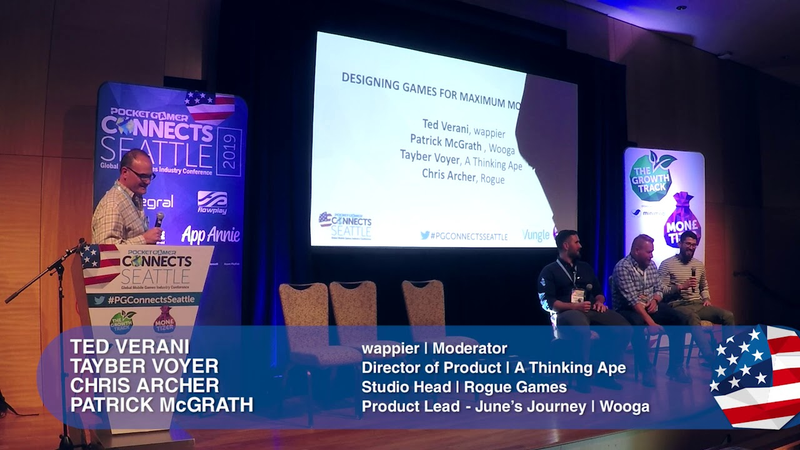
Designing games for maximum monetisation
Successful mobile game monetization requires a strategic shift away from aggressive, progress-blocking tactics toward a model rooted in long-term player retention and genuine value perception.
- Prioritize long-term retention and social engagement, such as guilds and communication tools, over aggressive, progress-blocking monetization tactics to build a more resilient and profitable player base.
- Focus development efforts on mid-game engagement rather than solely optimizing the top of the funnel to increase both active participation and player spending.
- Avoid deceptive pricing and 'pay-to-bypass' mechanics, as these practices erode user trust and negatively impact long-term retention.
Custom-made games with machine learning and big data
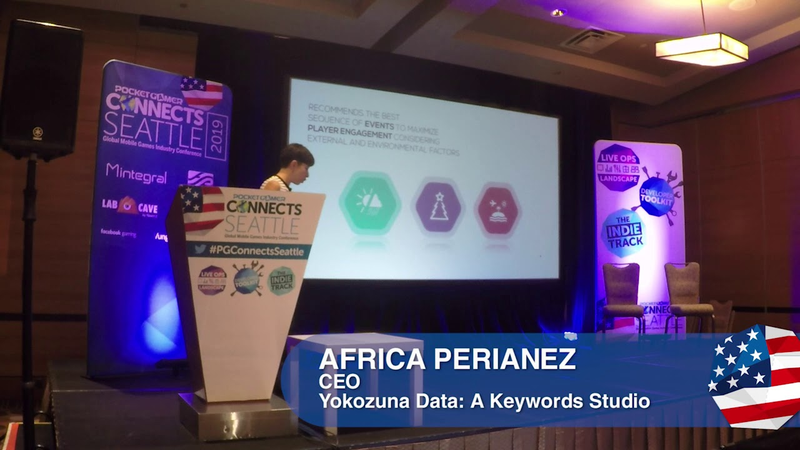
The application of machine learning and big data in game development offers significant potential for optimizing player experiences, increasing monetization, and improving retention.
- Machine learning models can predict individual player behavior, including churn probability, expected lifetime value, and specific virtual item preferences, allowing for automated, personalized retention strategies.
- Data-driven interventions can significantly impact revenue: increasing VIP retention by 10% for one month can generate $1.3 million, while converting potential payers can add $4 million in monthly sales.
- Optimizing game levels identified as 'friction points' where players frequently quit can lead to an estimated $8 million annual increase in revenue.
Managing live operations game design
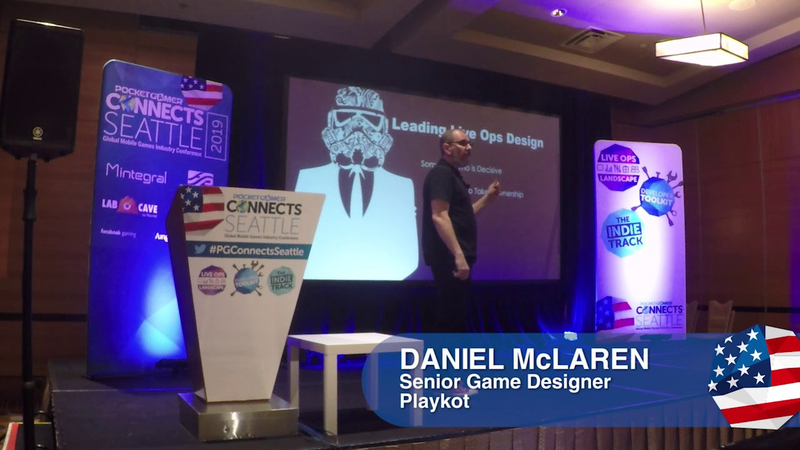
Effective live operations management requires a shift from siloed, ego-driven design to a player-centric, collaborative framework.
- Lead designers must transition from ego-driven design to a player-centric framework that prioritizes data-informed decision-making and alignment with production goals.
- Establishing clear spheres of authority empowers senior designers to take ownership of their work, which increases accountability and reduces friction between design, monetization, and data teams.
- Leaders should treat past mistakes as immediate coaching opportunities rather than tools for shifting power dynamics, fostering a culture of transparency and continuous professional growth.
Mobile game live ops: Using proper frameworks
Effective live operations in mobile gaming require structured frameworks to move beyond high-level key performance indicators and address fundamental gameplay issues.
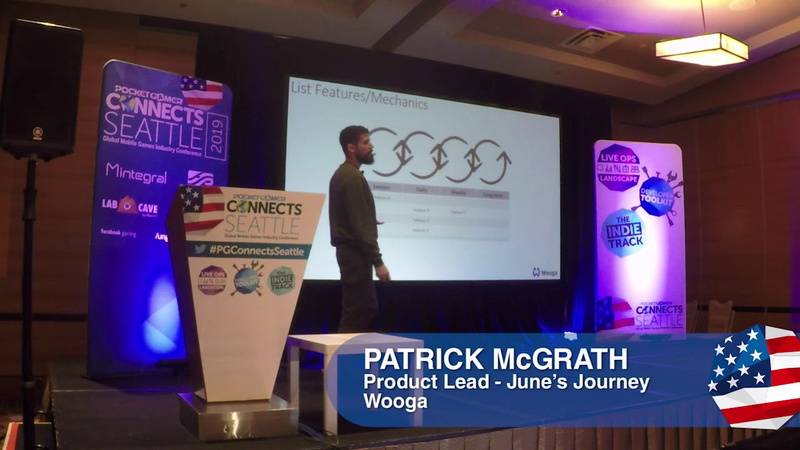
- Integrating player life cycles with compulsion loops allows developers to move beyond high-level KPIs and systematically identify specific gameplay engagement gaps.
- Mapping player competence levels against feedback loops enables teams to deploy targeted features, such as task-based challenge systems, to address session-length deficiencies.
- In the hidden-object game June’s Journey, the implementation of a multi-layered challenge system targeting session, daily, and weekly loops resulted in a 1.3 percentage point increase in day-seven retention.
Creating a multi-generational esport in North America
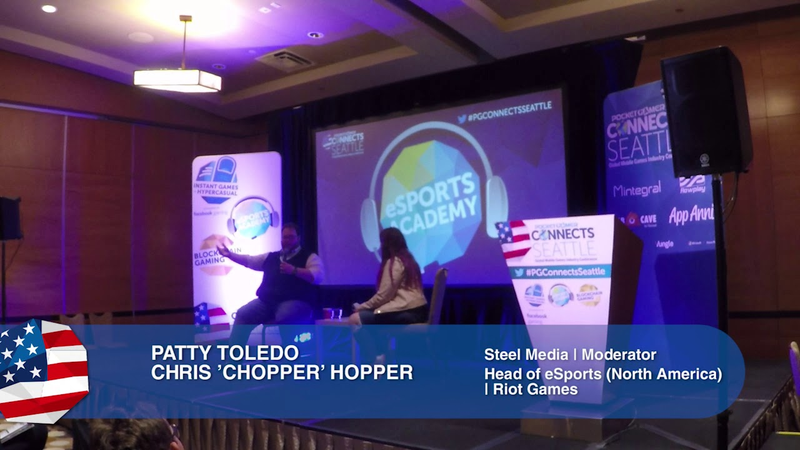
Riot Games’ approach to building a sustainable esports ecosystem in North America centers on professionalizing the industry by emulating the structures of traditional sports.
- Riot Games is institutionalizing the League Championship Series (LCS) by emulating traditional sports structures, including franchising, revenue-sharing, and the creation of a Players Association.
- To ensure long-term viability, Riot is building a competitive pyramid that integrates League of Legends into collegiate and high school athletic systems to foster multi-generational engagement.
- Despite 85% of esports viewership being concentrated in the 18–34 demographic, Riot must actively educate advertisers to overcome the industry-wide hesitation to shift budgets from linear television to digital platforms.

Feeding the Maw: Managing a Live Narrative Game in Fallen London
Fallen London, a decade-old free-to-play browser game, serves as a critical financial and creative anchor for the London-based indie studio Failbetter Games.
- Failbetter Games uses the decade-old browser game Fallen London as a financial anchor, providing stable revenue that de-risks the development of standalone premium titles like Sunless Sea and Sunless Skies.
- The studio’s monetization strategy relies on the 'Exceptional Friendship' monthly subscription model, supplemented by 'Fate,' a premium currency used for one-off narrative purchases.
- To maintain subscriber retention, the studio produces approximately 100,000 words of exclusive narrative content annually, which is later sold individually to ensure long-term revenue.
Designing Path of Exile to Be Played Forever
Path of Exile achieves long-term player retention by adhering to five core design pillars: visceral combat, randomized levels, randomized items, a secure online economy, and deep character customization.
- Path of Exile maintains player retention through a rigid 13-week development cycle, which creates predictable return dates and manages burnout by allowing players to step away between cycles.
- The studio drives concurrent user growth by treating large-scale content expansions as the primary engine for re-engagement.
- Operational efficiency is achieved by using procedural generation and a strategic content library to repurpose existing assets, allowing for rapid assembly of new expansions within the 13-week window.
Gram Games on iterating your development pipeline as you grow
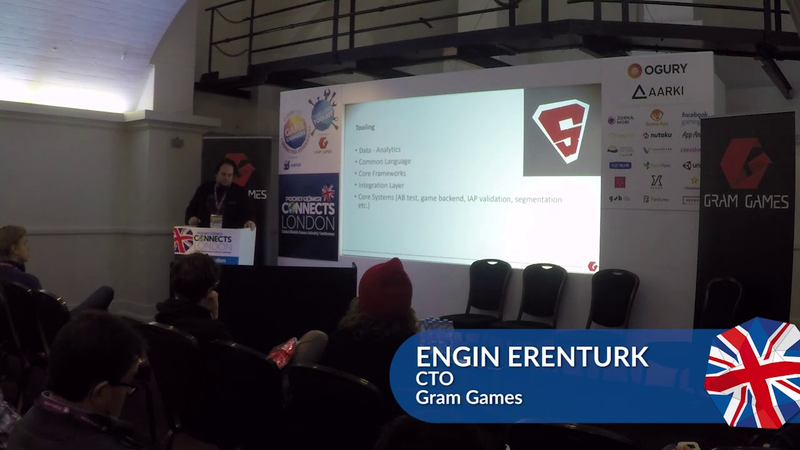
Gram Games utilizes an iterative development pipeline designed to scale effectively as a company grows from a small startup to a larger organization.
- Gram Games mandates a strict prototyping benchmark of 40% to 45% day-one retention to qualify a project for the soft-launch phase.
- Development teams are structured as lean, ad-hoc units consisting of one developer, one artist, and one product manager tasked with building a playable core loop in one week.
- The company utilizes a proprietary dependency management system to automate SDK and third-party tool integration, eliminating boilerplate tasks like A/B testing setup.

Wappier on using dynamic pricing in mobile games to increase retention
The mobile gaming industry is undergoing a significant shift toward automated revenue optimization, moving away from manual LiveOps management toward machine learning-driven personalization.
- Automated machine learning-driven personalization can increase mobile game revenue by 30% to 50% without requiring expanded analyst teams.
- Dynamic pricing and automated loyalty programs shift the industry focus from heavy user acquisition spending toward the monetization and retention of existing players.
- Machine learning models calculate individual price elasticity and churn propensity to determine the 'next best action' for each player in real-time.