Live Ops reports and market data
Documents
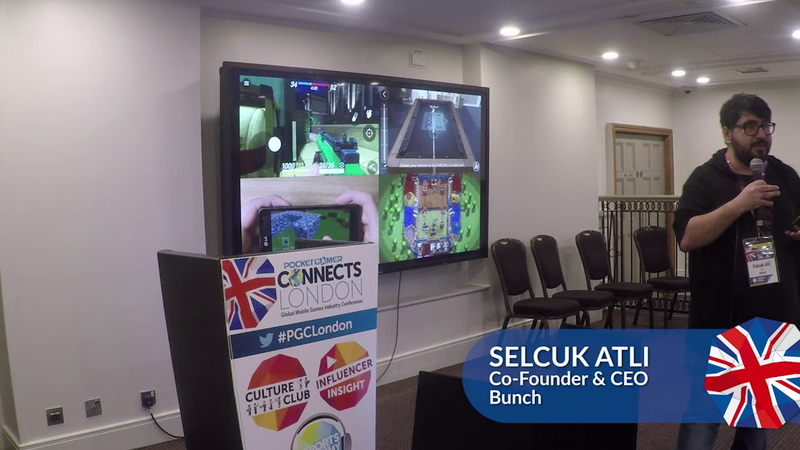
Playground experience – Best practices for reducing friction to play live mobile games
The mobile gaming industry is undergoing a significant shift as younger demographics, specifically Gen Z, increasingly prioritize real-time social interaction and collaborative play over solitary experiences.
- Gen Z players prioritize real-time social interaction and collaborative play, shifting the industry focus toward experiences that mimic traditional couch-co-op or LAN party dynamics.
- Complex onboarding processes, such as manual username exchanges and multi-step menus, are primary drivers of user abandonment and must be minimized to reduce friction.
- Deep linking technology allows users to share direct links via messaging platforms that instantly launch games and place friends into the same session, bypassing cumbersome invite systems.
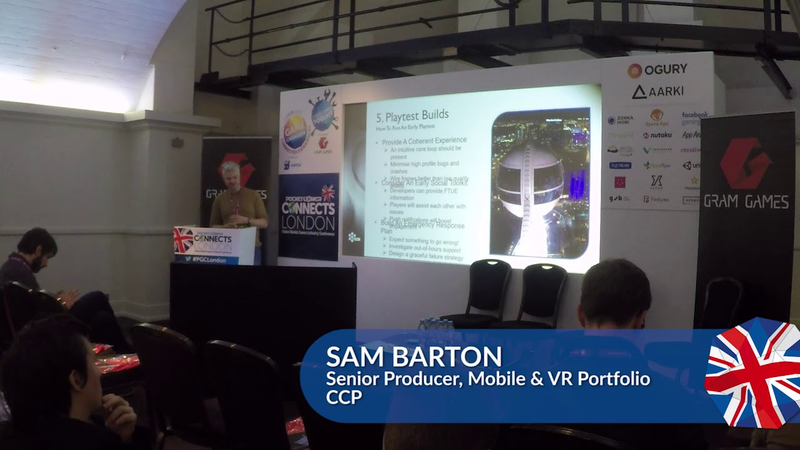
Better together – How to build a mobile game with help from your community
Engaging a community during the earliest stages of mobile game development provides significant strategic advantages, transforming players into active collaborators and establishing a dedicated core audience.
- Engaging a community during early development transforms players into active collaborators, securing buy-in and validating social features long before traditional soft-launch phases.
- Development teams should prioritize gathering qualitative emotional sentiment over quantitative KPIs, which are often premature during the early stages of production.
- Using wireframes instead of polished assets during playtests helps manage player expectations and allows developers to focus on core mechanics rather than visual feedback.
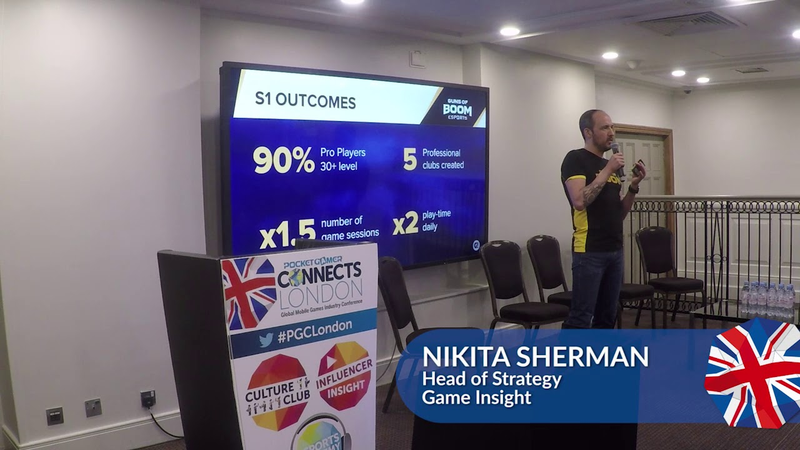
Lessons learned from the first esports season in Guns of Boom & Game Insight's vision for the future
The first season of the Guns of Boom esports initiative focused on establishing a sustainable infrastructure for mobile competitive gaming.
- The inaugural Guns of Boom esports season successfully increased player retention, with 90% of professional-level participants maintaining high engagement throughout the program.
- The initiative's first season featured a $200,000 prize pool across 50 online tournaments and one major offline invitational in Katowice, Poland, generating 45 hours of broadcast content.
- The second season expands the program’s geographic reach to South East Asia, India, and Latin America while increasing the total prize pool to $500,000.
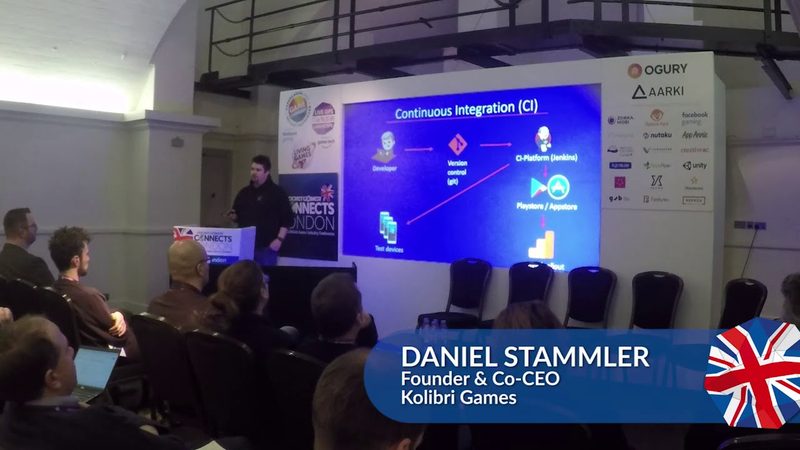
Kolibri Games on rapid development for idle games
Kolibri Games employs a rapid, lean development philosophy centered on the Minimum Viable Product (MVP) model to mitigate the high risks inherent in the hit-driven mobile gaming industry.
- Kolibri Games utilizes an eight-week development cycle to launch Minimum Viable Products (MVPs), allowing the studio to validate market viability before committing significant resources.
- The studio makes data-driven decisions to scale or abandon projects based on early performance indicators, specifically prioritizing day-one retention rates and organic download metrics.
- Development is executed by small, cross-functional teams that release weekly updates, treating titles like Idle Miner Tycoon and Idle Factory Tycoon as perpetual services rather than static products.
Hutch on monetising for live ops
The presentation outlines a strategic framework for monetizing live operations in mobile free-to-play games, specifically drawing from the experience of the London-based studio Hutch.
- Hutch increased average revenue per user (ARPU) by over 25% in Top Drives by implementing a system that triggers targeted starter pack offers every five player levels.
- Live Ops allows for continuous revenue growth beyond the launch month by building a base of hyper-engaged, long-term players who remain invested for years.
- Effective monetization in Live Ops relies on an expansive meta-game built on granular, extensible content that feeds directly into the core gameplay loop.
PlayFab on game monetisation with live game operations
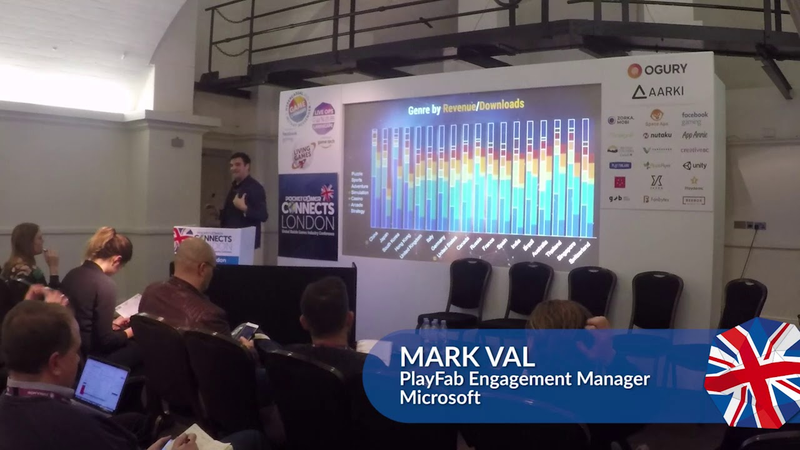
Live game operations serve as a critical framework for modern, always-online titles, shifting the focus from initial launch to long-term player engagement and sustainable monetization.
- Retention is the primary driver of revenue, as a significant portion of the player base does not begin monetizing until after the first 28 days.
- Localization is a critical growth lever, with 50% of global users preferring to interact with game content in their native language.
- Successful live operations rely on treating game development as a service, utilizing A/B testing and rapid iteration to align content updates with player behavior.
Live ops sucks, but it doesn't have to – 5 ways to ease your live ops pain
Effective live operations (LiveOps) are essential for modern mobile game success, as industry data indicates that over two-thirds of revenue is now generated directly through these ongoing services.
- Live operations are critical to modern mobile gaming, as over two-thirds of total industry revenue is now generated directly through ongoing live services.
- Developers should allocate between two and five percent of net revenue toward the costs of LiveOps tools and infrastructure from the start of the project.
- LiveOps must be treated as a core design element integrated during the initial development phase rather than an afterthought or post-launch burden.
Delighting your players with live ops
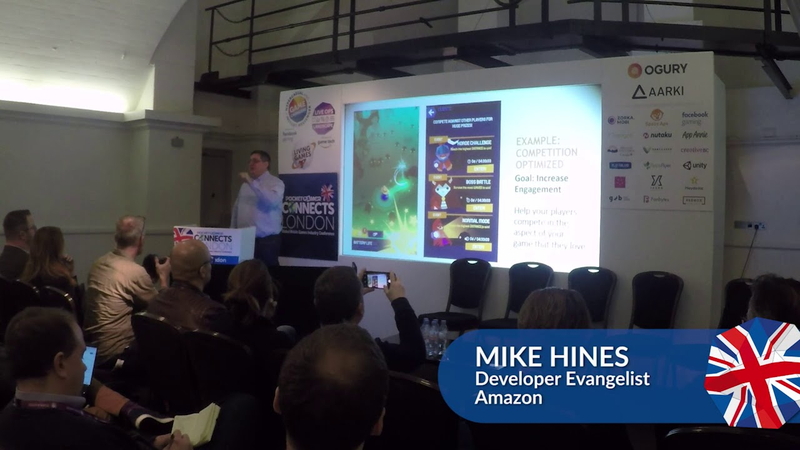
Live operations serve as a critical mechanism for optimizing existing game code to enhance player experience, retention, and monetization.
- Live operations function as a force multiplier for existing game code, enabling real-time adjustments to improve retention and monetization without requiring core development changes.
- Targeted, rewarded events like tournaments can drive significant financial gains, such as a 290% increase in average revenue per user for new players and a 200% improvement in revenue per daily active user over 30 days.
- Developers should shift focus from aggregate metrics like daily active users to granular behavioral data that pinpoints specific friction points, such as churn during currency grinding or level transitions.
Retention through events and community
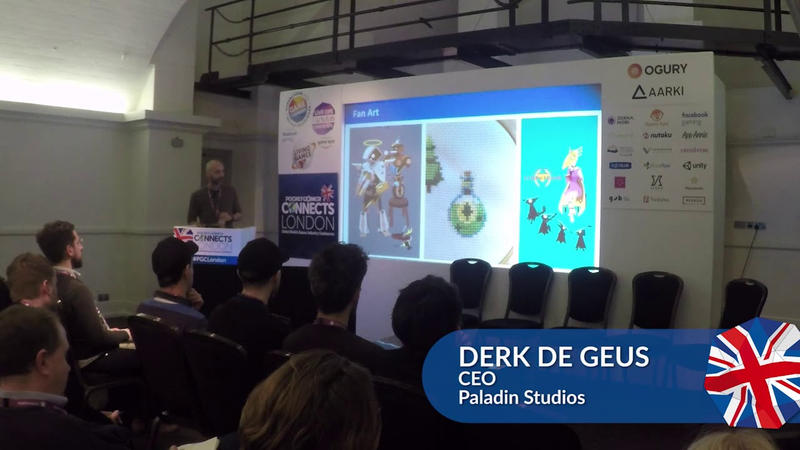
The strategy for maintaining high player retention in the mobile card game Stormbound centers on fostering a grassroots community rather than relying solely on complex in-game meta-events.
- Paladin Studios maintained high player retention in Stormbound by treating the community as a creative partner rather than relying on complex in-game meta-events.
- The development team fostered a self-sustaining community by intentionally leaving game lore and narrative open-ended, which encouraged players to produce their own content like fan art, comics, and poetry.
- The studio offloaded significant community management and content creation tasks by incentivizing players to organize their own tournaments and maintain external databases.
Marketing after the feature
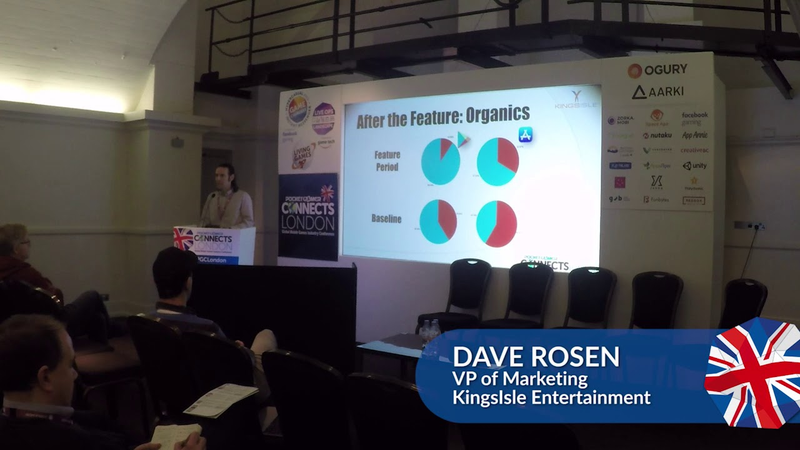
The marketing of mobile games requires a proactive, long-term strategy that extends well beyond the initial launch window.
- Platform featuring should be treated as a growth catalyst rather than a substitute for sustained marketing, as it provides a significant initial user influx but has limited long-term impact on organic growth.
- Success in securing features requires months of preparation, including early communication with platform representatives and the presentation of data-backed performance trends from soft launches.
- Developers must maintain a deep, ongoing content roadmap to satisfy the rapid consumption habits of high-tier players acquired through featuring, as a lack of content diminishes the value of the opportunity.
Build movements for your community
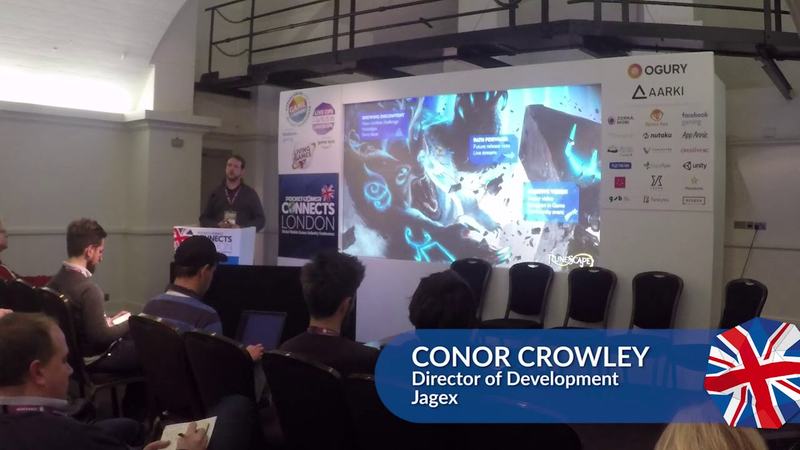
Building successful game communities requires shifting from a standard update-by-update release cycle to a movement-based strategy.
- Shift from a standard update-by-update release cycle to a movement-based strategy, where players share a purpose and work toward a common vision to sustain long-term engagement.
- Implement collaborative decision-making tools, such as the 75% majority polling system used in Old School RuneScape, to align design goals with player expectations.
- Seed ideas early through teasers, social media, and live-streamed development sessions to allow for speculation and feedback before official content launches.
HITMAN Season 1: From Executive Producer to Showrunner
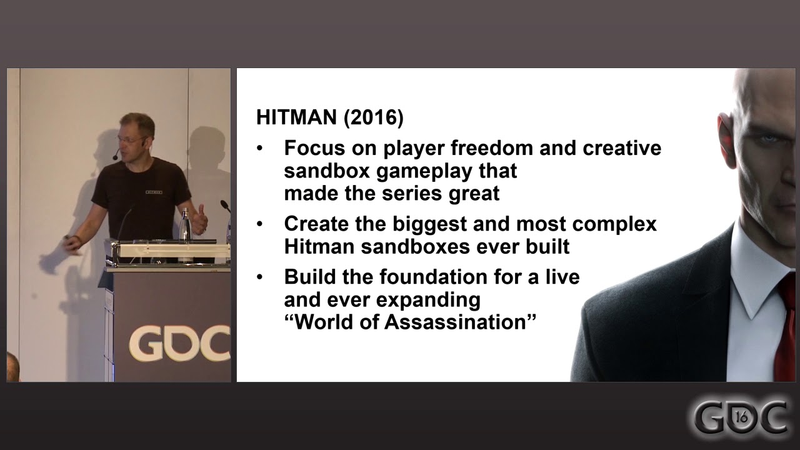
The transition of the Hitman franchise to an episodic, live-service model represents a strategic shift from static, retail-dependent releases toward a continuous World of Assassination.
- Transitioning to an episodic release model allows developers to react to player feedback in real-time, overcoming the long development cycles that previously separated titles like Blood Money and Absolution by six years.
- Data-driven development requires balancing 'hard facts' (in-game telemetry like feature usage and play duration) with 'soft facts' (community sentiment from Reddit, Twitter, and Facebook) to inform production decisions.
- The shift to a live-service model necessitates a 'war room' approach where international publishing and marketing teams meet weekly to align on global territory requirements, pricing, and communication strategies.