1 free read left. Create a free account for unlimited reading + AI research.
Create free account
Wappier on using dynamic pricing in mobile games to increase retention

Key insights
6 takeaways- 01Dynamic pricing and automated loyalty programs shift the industry focus from heavy user acquisition spending toward the monetization and retention of existing players.
- 02Machine learning models calculate individual price elasticity and churn propensity to determine the 'next best action' for each player in real-time.
- 03Automated machine learning-driven personalization can increase mobile game revenue by 30% to 50% without requiring expanded analyst teams.
- 04Predictive analytics replace broad segmentation by building virtual lifecycles for individual users based on gameplay duration, purchase history, and behavior.
- 05Future development in the sector is prioritizing the refinement of multivariate testing and the creation of transparent, data-backed insights to explain the logic behind automated monetization decisions.
- 06The industry is moving toward a professionalized CRM model where marketing leadership manages automated engagement platforms rather than relying on software engineers for campaign execution.
Ask AI about this video
Transcript
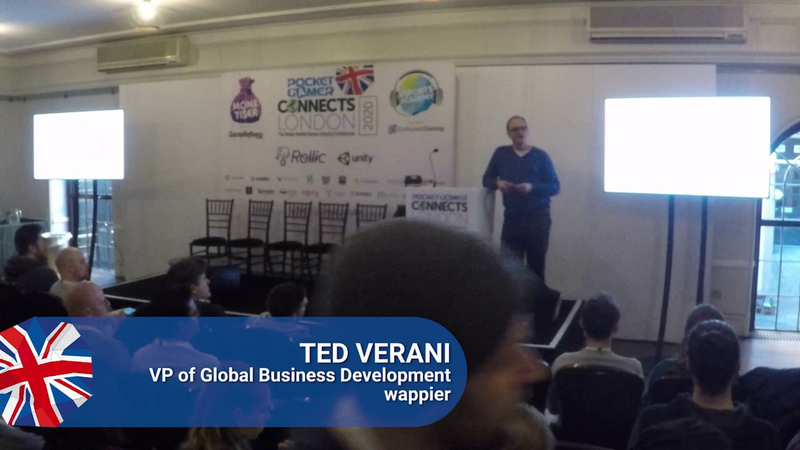
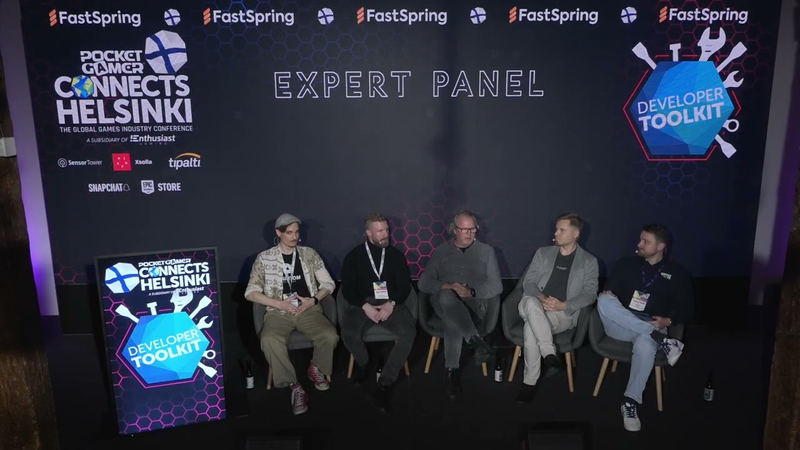
we're coming to the end of day two here at Papa gamer connects Helsinki in 2018 I'm joined by Alex Lucas from guapea it's been a little while since we last spoke in London almost a year and I understand things have been going pretty well for the company what's changed in the meantime so we we our revenue optimisation for money we help our customers the mobile application developers and mobile publishers first of all increase retention through automated loyalty programs but also optimize the revenue through regional pricing handling and dynamic pricing right so we have grown a lot in the last a year our revenue grew up a gross profit six times expanding a lot in our us office we're more than 40 people right now and we have launched a good number of new customers with you know the right size in terms of meu so you know we think you are going quite well
ok when we spoke before you told me about the way that the dynamic pricing system works and the idea is you're trying to make sure that the right prices are put to the right customers at the right time and depending on the region all these calculations are being done automatically that's the idea isn't it so where is the data coming from how is this system that you you guys are using how is this basically doing the maths behind the scenes and coming up with the right pricing I mean that's is it just studying a load of transactions and seeing what sells well I mean we we're looking at millions of transactions we have predictive analytic or no metric models that go and discover the price elasticity care of its in-app purchase of its game in its country and then we automatically go and we update prices in 50 odd countries but I would say in general what we're trying to bring the market of a more sophisticated way managing existing customers we want to bring the sophistication exist on the user acquisition side and the automation that is on the user acquisition side all of the puzzle
into the okay now we have a new console how do you make sure you have more money out of that which is a hard problem it's a hard problem because right now we're seeing that sort of 50% con - I'm trying to manage fifty million consumers the problem is that in a traditional industry we have 50 million consumers you have probably have a hundred times the headcount of the typical mobile application development so how can we bring sort of machine learning and automation an optimization into the equation to make sure that we don't need an army of LiveOps people to make money of your existing customers and I think that's also going to show some sort of transformation in the industry if you look at any traditional industry they're spending approximately a third of their marketing dollars on above the line stuff like advertising let's call it acquisition two-thirds of their budgets on marketing stuff because someone like WPP or let's say mi can or IPG let's say the group and they're gonna be investing a third of their customers money on advertising 2/3 or marketing a third an
acquisition 2/3 so how do we make money of our existing customers you look at the mobile industry and because it's nation it makes a lot of sense it's probably ninety ten ninety percent is advertising you a 10% is monetization through improve the engagement through CRM through loyalty so that's absolutely gonna change so over the next few years we're gonna be seeing a lot more effort soon how do we optimize revenue for our customers outside gameplay might have an amazing game might have a crappy game or you might have a game that's you know it's what scrappy areas become a bit more amazing every day however you can still make between 30 and 50 percent more revenue if you do the right thing in terms of the right engagement mobile CRM and loyalty tactics so if you're looking at the stats I understand that again you're saying a lot of machine learning stuff I just drift towards yes so baby Frodo be afraid you talking about the machine learning and that the system is doing a lot of that for you so basically you don't have to bother about so you have to worry about loading a load of manpower dealing with it looking at the stats what haven't you
noticed because it's all about trying to grab them at the right time and not put them off within the first say 24 hours when they start flashing lots and lots of payments that some people push them straight to the shop and that can be very off-putting but if you don't approach them at all they might lose interest before they've made a payment for sure I think it's off it depends on the consumer that's why we don't really believe in a segmentation we believe in next best action on a per consumer basis so for it said let me give you an example some of our machine learning algorithm basis since we're getting all the events from the converters themselves so for a game we're trying to understand how many events or how many minutes of gameplay we do we need before we decide we have the confidence interval to do what we need to do so does it take 20 minutes of gameplay before we know someone's going to become a player or not it's going to be a non player within the 95% over the same area so that's the first element of our algorithms the next element is trying to we're building this sort of virtual vation all the data we get we build this virtual lifecycle of the typical one
sugar so you know day one you you buy a sword day five you go and you kill the dragon day 20 you save the princess day 40 of course you probably dead you have turned and then we do the same thing then we'll do the same thing for our payers then we do the same thing for Wales and they were looking for event and how material they are and we'll trying to spend consumers from our lures when they state so hard spending state but we're trying to come up with the next best action meaning that what's next best for me might not be next best action for you know sometimes next best actions do not if the consumers is another freaking clue certification they might both so for instance you know let's say that I know that you and people like you usually purchase things we have times were like to purchase something between ATM and and been there yet somehow he opened the game in the morning and here are you are watching my loyalty console so how many pawns you have in what do I do I need to calculate your specific propensity to turn in real-time okay
how often did you log in every three days how likely is that you're gonna stick around for 3 more days so I can wait for an evening to push you something if that doesn't happen what's my variability over you buying something in the morning or do I waste my best opportunity to sell you something my best offer doing waste in the morning do I wait until the indeterminate there are a lot of little things that should have bubbled up a lot of Albert sellers only sub problem three of the grant equation and then hopefully the right answer by design in automating you're picking the right moment correct and sometimes we don't pick the moment the consumer does right because they decide you know it's usually the login the Amigo right now they're they're in the we are so the morning what do I do with them we don't always have the choice in terms of when the consumers going to be interacting with us so we need to make sure that we optimize the lifetime value no matter when they hit us not everything is a push notification well you said you've
experienced a bunch of growth over the past twelve months what are you looking to in the future so the rest of 2018 through 2019 is it further expansion you tweaking your algorithms what do you guys up to so I would say all of the above we're hoping to increase our headcount around 60 people in the next 12 months so I continue to grow vast majority of us are our geeks so software engineers and data scientists we are going to ramp up a beta ourselves to make sure that we and our more importantly our Account Manager to make sure that we have enough people on the ground to help our customers we don't excel via platform yes it's self-service yes it does the right thing but we're there to handhold you in the first few months until we you train one or two people within the organization as a customer or if you don't want to trade the Mugen we'll help you manage everything as a as a managed service so focus on that and then in terms of technology we're putting a lot of effort in additional algorithms I
mean there are people that are saying here is the perfect algorithm for this and that that doesn't exist right I mean we have a multivariate testing system that sits on top of machine learning that constantly tests different algorithms on different sub parts of the problem to come up with the right solution so we're going to continue our data science and data sort of engineering questions and try to find the right answers then the final thing we'll focus on is analytics meaning that this is a complex environment for every consumer vector let's say we have a few hundreds of parameters it's very hard to dissect that so what we're trying to do is provide analytics and provide number one actionable analytics meaning that if I give you nice diagrams about sort of Millennials and then you have to go and write code to make sense of that to make more money that doesn't make sense you would like to treat the same ovum over mobile publishers in the same way that a CMO in a traditional in the stores which
is they don't need software engineers to manage their customers they have systems it's as simple as that so we're focusing a lot on analytics in terms of actionable areas closing the loop but also providing answers to the questions you didn't know to ask so automatic class or automatic segmentation people ask okay why did the machine the black box make a decision and like okay guys this is why because this is how it used the world these are the big segments of consumers this is how they intersect and these are some sort of you know takeaways they're not gonna help you monetize better because they're you know they're warm and fuzzy sort of graphs and not the actual but but they made information they make great more presentation which is what it's all about how at the end of the day well that's a lot good until the next year and until next time thank you so much it's been a pleasure [Music]
Summary
The mobile gaming industry is undergoing a significant shift toward automated revenue optimization, moving away from manual LiveOps management toward machine learning-driven personalization. By leveraging predictive analytics to analyze millions of transactions, developers can implement dynamic pricing and automated loyalty programs that adjust to individual consumer behavior in real-time. This approach addresses the industry's historical imbalance, where marketing budgets have been heavily skewed toward user acquisition rather than the monetization and retention of existing players.
The core methodology relies on calculating price elasticity across dozens of countries and determining the "next best action" for each user. Rather than relying on broad segmentation, machine learning models build virtual lifecycles for individual players, assessing variables such as gameplay duration, purchase history, and churn propensity. These systems determine the optimal timing for offers—whether through in-game prompts or push notifications—to maximize lifetime value without alienating the user. By automating these processes, publishers can achieve revenue increases of 30% to 50% without requiring large teams of analysts.
Future industry trends point toward a professionalization of mobile CRM, mirroring traditional marketing sectors where Chief Marketing Officers manage customer relationships through sophisticated, automated platforms rather than relying on software engineers for every campaign. Current efforts in the sector focus on refining multivariate testing systems and providing actionable analytics that explain the logic behind automated decisions. As the industry matures, the focus is shifting toward providing transparent, data-backed insights that allow publishers to understand consumer behavior patterns, ultimately enabling more effective, automated engagement strategies that do not sacrifice user experience for short-term gains.

















Comments