1 free read left. Create a free account for unlimited reading + AI research.
Create free account
Mobile game live ops: Using proper frameworks
Key insights
6 takeaways- 01Effective game design for non-traditional demographics, such as women aged 50 and older, relies on balancing analytical A/B testing with the specific behavioral needs of the target player base.
- 02In the hidden-object game June’s Journey, the implementation of a multi-layered challenge system targeting session, daily, and weekly loops resulted in a 1.3 percentage point increase in day-seven retention.
- 03Mapping player competence levels against feedback loops enables teams to deploy targeted features, such as task-based challenge systems, to address session-length deficiencies.
- 04Successful live operations require maintaining a prioritized feature backlog where all potential updates are subjected to a rigorous cost-benefit analysis before implementation.
- 05Monetization strategies, such as optional ad-watch placements for task refreshes, effectively bridge the gap between user engagement and revenue generation.
- 06Integrating player life cycles with compulsion loops allows developers to move beyond high-level KPIs and systematically identify specific gameplay engagement gaps.
Ask AI about this video
Transcript
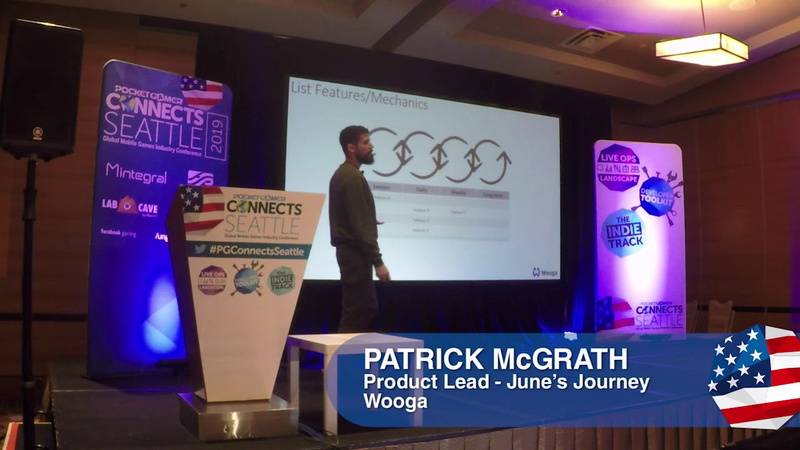
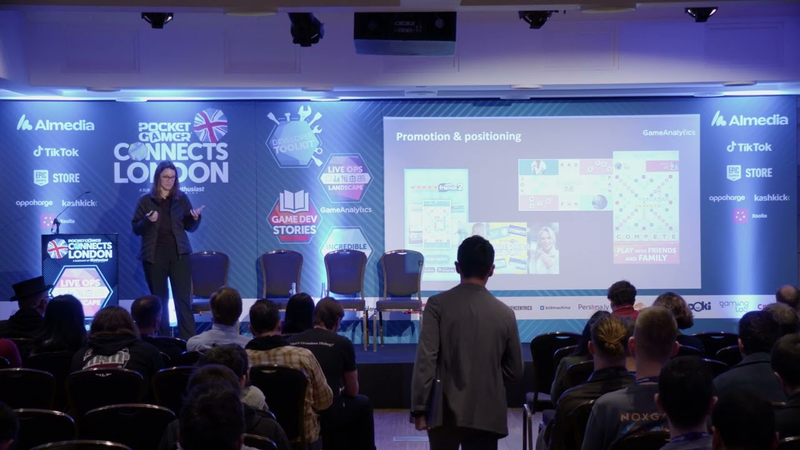
good morning lots of fresh faces out here more people than I expected but yet so today I'm here to talk about some simple frameworks that can really help in LiveOps not just identifying your issues because kpi's really help do that but to break down what the fundamental problem is within your game so quick introduction I'm Patrick McGrath lead of Joon's journey which is a hidden-object game then I'll be using as an example and so I'll explain a little about that because you don't look like the typical demographic because it's 50-plus year old women that are playing this game and from Luca so yeah Jim's journey player life cycles
compulsion loops and then putting those together so you can really leverage these two frameworks within live ops and here's G journey this is the splash screen when you enter the game it's a hidden object game which means we serve view screens and you find objects on there where on all the major platforms on mobile you can also find us via Facebook on the browser so have a lot of our bases covered something's gone wrong with this screen over there I see thank you it is a story driven game so there's lots of drama and mystery as you follow Jun our protagonists as she solves who have murders and crimes and just random things that are happening to her and her friends and a typical scene would look like this where it has roughly 72 items
we have a list at the bottom here so you have to find the snake a hippo as you find these we're adding more items for you to find and to complete the core loop we have a building portion so this is where you earn your rewards with the gameplay come back to the island you have these buildings the buildings give you a resource that help you progress and unlock more content so that's June's journey and about a minute so you guys are real seasoned vets now we can move forward with our first framework which is player life cycles and the way I like to approach this is using the hierarchy of competence and so it goes from unconscious competence where you don't even know that you don't know all the way to unconscious competence where you're so good you don't even have to think about it and one easy example that
I used to explain this as driving which is much more applicable to us rather than Europe but imagine the first time you started learning how to drive you weren't thinking about oh man brake gas the angle I'm turning at oh I forgot about the blinker you just don't even know what you don't know and so you start to learn these motions you start to identify oh I forgot to use my blinker and then you finally get to I'm pretty good I can parallel park and I know I'm pretty dang good and then you get to the point where on your daily commute you start driving home and you get into a deep thought and then you come to as you're pulling up into your street and you think holy crap how did I get here it's a bit scary but this is because you've mastered not just driving but your route home and so I like to break down player life cycles in
this similar way because we're trying to create behaviors where a player logs on to their phone and unconsciously they're going into the app start collecting their items and so here's how I like to lay it out tap that you know to download June's journey the player comes into a first time user experience they then transition into the early game once they have the fundamental learnings down and we start to open up more and more features they start to master these features and then ultimately they are so good at these they don't even have to think about it and one of the the things about this is that it's not representational of progression so journey first time user experience is actually a couple days because remember the demographic is not identifying themselves as gamers right like 50-plus
year old women so we have to kind of really breadcrumb and handhold but there are some games like afk heroes or many of the supercell games where your first session maybe second session and then you're off running same thing with early game mid game and late game hopefully you have late game not that far out but there's there's user behaviors that you can look at via you know analytics to figure out which one of these stages fits your game or products and so now that you know a little more about how we approach the player life cycles will jump into compulsion loops and depending on who you are you might look at compulsion is not a positive word but I mean really it's just a it's the urge to behave in a certain way we all have compulsions
sorry it's science we're all wired in a similar way and for games is what we want to do is have these compulsion loops work within themselves to initiate the reward reward system this is what we're not going to talk about neuroscience and psychology and but essentially you want to have the player feel good within each one of these loops and have each one of these loops work within them and further the next glue the Zynga actually has a word for introducing a new loop it's outside of this they called them tumors so you have your core loop and then if you had another loop outside of that you're creating something that is not good for the game so what we'll do is lay out these compulsion loops because it's very hard to use them when they're stacked up on top of each other and then just list out what each are so you go from second to
second minute-to-minute all the way to long-term and is what we would do is well we'll get to that I'll first explain what's second to second in June's journey is it's a hidden-object game so here you have this real-time feedback as you're finding objects you can see the numbers are getting bigger your bonuses rising you have this urgency from your bonus bar decaying so you're trying to find these items as quickly as possible now it's not as flashy as candy crush or peggle where it's like all the chains and breakers and but this is for a reason this is a skill based game you know the concentration it takes to get through this is is far more than a turn-based puzzle game so it's trying to give that feedback without interrupting that concentration so that's a minute-to-minute is when you finish that
single game and the reward loop all the numbers are coming in the progressions they're the rewards are coming down it's exciting and it should feel really good to the player every time they see this you don't want to spend too much time but you don't want to go through it too quickly and so moving on to session simply this is just the core loop right you play the game you get your rewards for genes journey you go back you build on your island and you get flowers which is the resource that helps you progress through gameplay and then I just lump in daily weekly long-term not be as well as you can see here there's a lot of features that we've added that fall into multiple buckets so it's best to just kind of explain that each one of these should work with your core loop and the incremental progression based off of that because no matter what like
the foundation of your game should be fun and players engaging with that for a different goal is something that we really believe in at Lucca and so time to take a look at what we call the core four these are the the four that we really use because the second second and minute-to-minute for most products should tie in to your session or core loop let's put these two together what we're here here the meeting potatoes aspect of this talk so we have a player lifecycle and we'll just use the engagement aspect for this because normally you can break this down between monetization and engagement we'll look at early games specifically and then we'll add in the compulsion loops and so
what that looks like is you get an excel sheet and then you have your session daily weekly and long-term and then you start to list out what features in your game touch on this and so I didn't want to put any specific names because well we we have a very themed feature set so for now this was we can just consider this the initial feature set huh so how does this work when in live ops when you're getting all this data and all these KPIs to indicate whether certain parts of your game are healthy well we have a good example here in Jim's journey where we look at average sessions and then average gameplays and this comes out to roughly six gameplays per session which for some games that's great some games not so great for Jun's journey it's read for a
reason it's not so great because we give away twelve gameplays per session unpaid so there was some funny user behavior going on here and because we don't have a ton of time I don't want to get into how different features were working with each other but we could identify that players were not maximizing their sessions so we go back to this core four with the initial feature set it's not hard to do math here we're pretty slim in a couple areas and this was what we first identified as our live ops needs from here we were able to look at it a couple aspects but really we wanted to prioritize because remember we're in the early game so long term isn't so important so deep prioritize that look at session daily and weekly and then we go to our backlog please everyone have a
feature backlog let anyone put features in this but this should be a place where you can go through a cost/benefit exercise and have features that you can just immediately pull into any of your live ops needs so here we identified three really good features that we could implement we decided to go as challenges because well it was the easiest to implement and also it touched on really the the core three session daily and weekly loops that we wanted to touch on and so to give you a little explanation of what challenges is for us well it's a task based system reinforces core loop mechanics we give an easy medium and hard task to a player they complete these just by doing the regular game play what we wanted to do here as I say was easy medium hard one that you can complete in a session no problem no
brainer you don't even have to look at this thing if you had never seen this and you just played one session you'd come back to your island and there would be this thing kind of pulsating saying hey tap me you'd go into this hey I'm collecting rewards next is the one that you would complete daily then every two to three days and to finish that off as you complete these tasks you have points that are going towards this long-term reward that is the weekly and so what did this do for us well rounds played went up not only did the rewards get people to play it more often but the actual loop of what we call the help-wanted ads and the classified really reinforced that playing the scenes was beneficial to progress quicker not only did it help with engagement but one of the things
that we were aiming for was de7 retention which went up by 1.3 basis points so if you're looking at like a 20 percent de7 retention upping that to 21 point 3 is actually a massive move retention is just not the the sexy percentages that you want to look at like it's such little incremental jumps but I mean they're massive when you look at a game that will be live for the next five years and a real bonus that we added in here to kind of touch on monetization was we were really missing out on a repeatable ad watch placement and so we didn't want to charge hard currency to refresh the tasks here so we implemented the ad watch and tied that in and this is where I think the the real strength of challenges is that because we saw a massive increase with the repeatability of ads so always when
you're trying like tying in and integrating all the his compulsion loops think about how monetization can tie in with engagement and yeah in case you missed it that's what I'm talking about right there the the purple button but to kind of wrap things up the takeaways that you should have here are we have player life cycle and compulsion loops coming together this is just a very simple framework that helps identify the the true issues because KPI is will tell you like a very high-level tertiary hey you have pretty low engagement we won't tell you why but as I said you need them and also please have a feature backlog I've talked to a couple product leads and companies that don't have this it should be accessible to everybody there's too many good ideas at your studios and companies please leverage that but yeah that's that's
basically it if you have any questions please ask No thank you very much before we are when you talk about your backlog yeah is that public-facing or is that internal internal yes yes different game genres are quite good at having absolutely public and others are less good oh and did you try doing probably the more casual stuff yeah so we have two community managers and they whether or not you you're asking for it they tell you yes so I mean there is that we have I think four hundred almost 500,000 people in our Facebook groups and they're always always telling you what they want yeah and it's not necessarily a map with they're not game designers this for them and that's not very bad thing in fact in some ways I find that an inspiration but I think you're right I've had it
interesting some of the more hardcore games that often have public facing trailers but they literally help allow people to submit and rank things but it's a different kind of world again if you hadn't guess I'm a big fan of backlogs questions that you've guys have got otherwise I'm gonna carry on just chatting because I'd like this stuff microphone coming to you so these sighs the so when you do your prioritization instead size based on returns or is that just hay like there's a drop-off here or we're missing we're missing something here which we just need a feature to plug it in like how do you how do you do the prioritization how do you quantify it if it's quantifiable or is it just the okay so you're talking about how do i quantify and prioritize the features that I would want to get into the game and identify like to basically fill these needs that's the question yeah yeah yeah so within the backlog we
have and we have about six criteria for the benefits and team by team breakdown of the costs and so we have a little little drop-down that we kind of choose with the the KPI impact that we would expect out of this of course whenever you're forecasting it just gets really hand wavy so it's not an exact science but this is something that we do measure or at least try and forecast the cost benefit of every feature that goes into a backlog if you're amazed when I was at Sony on PlayStation Home we didn't do any at that and it it was terrifying and somebody who came from telco to not cost-benefit features it's like horrifying so yeah any more questions I have plenty better and all right so the question for you about the timers you had on your challenge feature so is that
also a variable based on the compulsion loop length or is that static across all the goals for challenges well initially so when you say static are you talking about like personalization like if I spend more time in the game I would have longer timers or are you just saying did we correlate those with this the the session and a kind of within the entire user base more the first one okay we don't do that yet because again our community is extremely vocal and anytime we even run a b tests there's a large portion of our user base that knows we're running a beat us and kind of skews the results and the data scientists are usually mad about that so i mean they would it would be a very bad user experience if both you and i complete the same task and you have to wait four hours and I have to wait eight right I'd be really pissed off so we don't want to have the the poor user
experience what about my compulsion loop lens so you have like a two to three day goal versus a session goal yeah those recharge timers different yes yeah absolutely I'm interested by that kind of last comment so it sounds like you've got a quiet challenge do two hypothesis based testing how do you get around there doing a scientist he's a one last question yep so obviously your your demographic is primarily older female do you find that that demographic behaves a lot differently than other types of demographics and how do you adjust your your compulsion loops to account for that interestingly enough I they don't identify themselves as gamers and for many of them this is probably their first mobile game I mean there's a reason why we're on Amazon right there look they have Kindles but from my experience they're very
similar I mean they fall into a lot of the the similar traits and behaviors as any other game like CSR or plants versus zombies to I mean it's just it's games cool on that no that's it say thank you very much you
Summary
Effective live operations in mobile gaming require structured frameworks to move beyond high-level key performance indicators and address fundamental gameplay issues. By integrating player life cycles with compulsion loops, developers can systematically identify engagement gaps and implement targeted features. This approach is particularly relevant for titles like the hidden-object game June’s Journey, which serves a demographic of women aged 50 and older who may not identify as traditional gamers but still respond to well-structured behavioral loops.
The player life cycle framework categorizes users based on their level of competence, ranging from the first-time user experience to mastery. Simultaneously, compulsion loops—ranging from second-to-second feedback to long-term weekly goals—must be aligned to ensure that each layer of the game reinforces the core experience. When these frameworks are mapped together, developers can identify specific areas where engagement is lacking. For instance, if data shows players are not maximizing their sessions, teams can consult a prioritized feature backlog to implement solutions, such as task-based challenge systems that reward players for regular engagement.
Methodologically, this process relies on maintaining a robust, accessible feature backlog where potential updates undergo a cost-benefit analysis before implementation. In the case of June’s Journey, the introduction of a challenge system—designed to touch on session, daily, and weekly loops—resulted in a 1.3 percentage point increase in day-seven retention. Furthermore, integrating monetization, such as optional ad-watch placements for refreshing tasks, can successfully bridge the gap between engagement and revenue. Ultimately, while data science and A/B testing are essential, success depends on balancing these analytical insights with the specific behavioral needs of the game’s unique player base.
















Comments