1 free read left. Create a free account for unlimited reading + AI research.
Create free account
Managing live operations game design
Key insights
5 takeaways- 01Establishing clear spheres of authority empowers senior designers to take ownership of their work, which increases accountability and reduces friction between design, monetization, and data teams.
- 02Leaders should treat past mistakes as immediate coaching opportunities rather than tools for shifting power dynamics, fostering a culture of transparency and continuous professional growth.
- 03Team morale and retention are improved by encouraging designers to maintain diverse interests outside of gaming and providing formal recognition for their specific contributions.
- 04Lead designers must transition from ego-driven design to a player-centric framework that prioritizes data-informed decision-making and alignment with production goals.
- 05Success in long-term live service titles requires balancing business requirements with player needs while navigating the complexities of licensed properties and evolving development cycles.
Ask AI about this video
Transcript
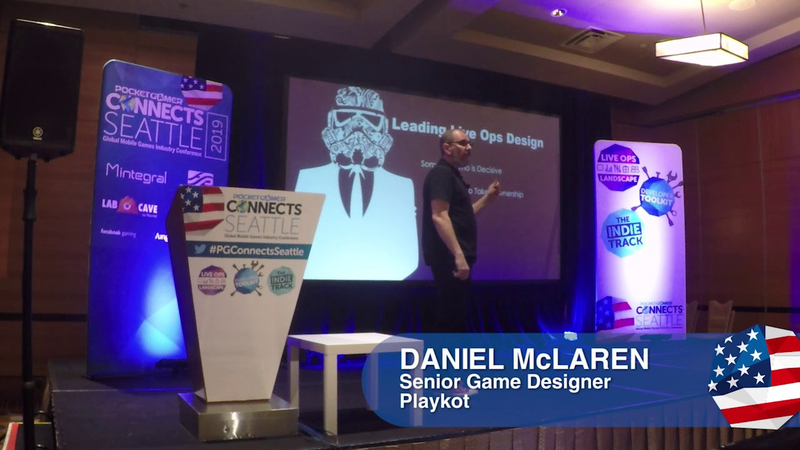
so like everybody that's been up here I've been doing this for almost 15 years now and I've been in live operations for about ten so my last big game that I worked on I was the lead game designer for live operations for Star Wars Galaxies Heroes hence all the cool Star Wars stuff so I've been on a lot of different teams I've consulted for a lot of different teams and I continue to see a lot of very similar problems and so to many cooks in the kitchen designers who come up to me and say nobody cares about my growth designers not going beyond design being very siloed in their design work and then friction between LiveOps teams right designers are these creative people and then you have monetization you have data you have producers and designers don't want to follow rules because that's for chumps so as the lead designer my job is to do
a couple of things the first thing is that I am taking care of my design group I'm figuring out what we're gonna do working with the producers all this case stuff hey what are we putting out how are we gonna put it out how do I get my designers on board but I'm responsible for my kitchen and the first thing I need to do is clean up my kitchen and you need to get those cooks out of kitchen and that starts with being decisive in design one of the problems that I find with a lot of leads and creative directors is that they really want to be open with their design they want to always say like oh wait wait I got a better idea and I want to build on this or I want to do this thing and so they don't respect production deadlines hey we need to have these things done we need to have these decisions made and so what happens is when you're not decisive about your design it invites lots of people to come into your kitchen and make decisions for you and then you kind of shirk your responsibilities in this so part of the way that I respect these is I empower the people under me so the reason that I hire a senior content designers because this guy is supposedly
really good at content I really want to have this person making content informing me about their content so I'm gonna trust them and I'm gonna create a sphere of authority for them hey you're the senior content designer I'm looking for that feedback from you when we make design decisions when we start to be decisive here I'm gonna ask you hey what do you think we should be doing how should we solve this problem I'm gonna take everything that they say and execute on it but I'm trusting them and I'm empowering them and if I don't do that why did I why did I hire that person so then once I've kind of set that up it's now becomes like how as the lead designer how do I grow my designers how do I get them to grow as people and as employees and again these are all issues I see I feel like this is a really cliche talk but I see this everywhere and so maybe it's not I deal with the issues as they arise so if I have a designer who is fundamentally failing at a point I deal with it at
that moment I'll pull them aside I'll have a chat with them there's nothing worse than working on a team where somebody pulls you aside and says you know six weeks ago when you really screwed up and you continued to do it well why didn't you tell me earlier and I use I use their failures as an opportunity for growth one of the things that I tell all my designers excuse me is you can't be promoted until you failed and this is really important it's easy to be successful it's easy to work on a game like Star Wars and to see that money rolling in and to work on design and feel really good about it it's easy to brag to your friends that you're doing a great job on the stuff but it's really difficult when you have something that you've pushed and it goes out the door and it really craters or you push it a bunch of bugs out or something you failed it really highlights their character hey how do you respond when somebody confronts you about your failure do you take ownership of it do you have the humility to want to change and be better so it's a really good
character a way to see a person's character deer reports know where they stand another thing that I always tell my designers is so long as it is within my ability you will never be blindsided by me and that's really important a designer should always know that when I sit down and talk with them they either should have seen it coming or it's something that happened very immediately but they should never they should never have a relationship with me where they think ah Daniels cool and I have this like really great job is so cool and then I pull him aside be like you're actually a terrible person and we need to fix that that's that's horrible and it's really it it creates this sense of distrust between people and then this is really important for giving and forgetting when somebody fails and if you're really helping them grow it's really important to let it go when they've moved past it the only times I'll ever bring up somebody's failures again are went in two incidents one where I'm saying like hey dude you've been killin it you like totally made this progress you're doing really great it's way to encourage them show that they're making growth show that they're moving forward and the second is if they
continue to make these mistakes and we can't seem to grow them past this problem then we we would have further conversations about it but once that's done it's going one incident I've actually had several leaders who will will engage in a conversation and it'll be a difficult conversation and maybe I'll be pushing hard on something and they'll bring up something I did in the past and they'll use it to shift the power dynamic into their favor and that's extremely like how can you ever trust that person how can you grow with that person how can you create games with that person when all they're trying to do is make sure that you never forget that you fail then that you you're under their thumb so the next problem that we have kind of with designers designers designers are very siloed uh and I'm gonna pick on systems designers here for a little bit because I love them to death but systems designers tend to be very very into systems design and they just absolutely love games they know every game and they know how it works and they're gonna they're like when you talk to them and they're just like they relate everything to a game which is
great but does that mean that they're caring about our players do they really know who our players are so one of the things that I do with designers as I set up a test so I sit I sit down with them and I say all right who do you think our player is why do you think they're playing our game and I have just kind of a list of these questions that are revolve around getting a designer focused on who and why these people are in our game and I give them about it there so write down and then I call them into meeting there's usually an analyst there or a PM there and I say okay well let's talk about the things that who do you think are players who do you think core players who do you think are high value players they answer all these things and then I'll usually have the PM do a little presentation of like well here's actually who this player is because it's really important this is not our game the minute we built it and we put it out the door it's the players game we're not building this thing for ourselves and there are so many designers who look at this and go like this would be really cool I would really like this thing but the reality is is that our players
wouldn't and our metrics don't support that our data doesn't support that our community doesn't support that and so you see a lot of features go out the door or a lot of live events go out the door that are focused on the designer and not the player so if I can get player if I can get the designers to start thinking about the players and not themselves to be dungeon masters and go like I have this really cool tool set oh man how can I make this cool thing that people interact with I want to give my designers opportunities to get recognized one of the guys that I work with right now Roman Zoran he has a great way of phrasing this and I'm totally stealing this from from a talk he's gonna do later in another conference and he says giving opera designers opportunities to be rockstars and I really love that everybody who becomes a designer wants a moment where they go like oh Africa made that and people saw it and they loved it and that was mine another thing that I tell designers is when you're working for me my goal is is that should you decide to leave the company I want you to be able to go to whomever you're interviewing
with and on your resume say like I built this thing and it made 10 million dollars I built this thing and it increased retention so giving them a chance to show that they are focused on the player and a chance to do something and be recognized for that thing and then the other thing is like I really really really encourage designers to have hobbies outside of gaming obviously I can't enforce this but it does become a bit of a challenge when you talk to a designer and you say well what do you like to do I like to play games do you like to read anything yes I like to read gaming blogs okay what do you do on your weekends I play board games that's great but that means that all of your decision-making all of your input everything that you're thinking about is stuck within the sphere of gaming you can only do derivative work and it just becomes really hard to encourage designers to start thinking a bit more outside the box hey you know do you like history there's a lot of things to draw from there do you like literature there's things draw from there so live
is a super diverse team you know we've got monetization PM's data production and design like I said the first three tend to work a bit more critically and what I mean by that is like a monetization data there's a lot of established standards there's practices you can do you can follow through with them I don't want to say I don't require a lot of creativity they do require a lot of creativity just in a very different area than safe design does that's a design tends to be a rabble rouser don't tell me what to do I'm a designer and so good design comes from good relationships I've seen in multiple studios where design doesn't talk with anybody but production or monetization PMS don't interact with designers they just come down and say like this is what you're doing for economy these are the packs that we're shipping this is what we're doing data comes up and says well these are the numbers and you're not raising the KPI so get get it together the best way to get designers to grow and to get them thinking about the players and to stop getting them to think about themselves
is to start helping build these relationships between these teams I like to try to give people opportunities to come to meetings with me to interact with the other leads again going back to what I was saying a couple slides ago having them do that design test where they think about like who is our player why are they our player what are they doing and then getting them in front of the PM's getting them in front of the analysts and creating a relationship where I expect every single one of my designers not to come to me and go oh is this thing gonna move retention no you should be going to the PM you should be going to the analyst saying like hey I really want to move retention I'm thinking these things can we look at some of our old behavior do you have insight into current behavior the other thing is is it when you get a really good PM we had a really awesome PM on star wars you're able to have a conversation with them that allows you and that other individual to think about the player as opposed to the bottom line in a very cold way it's it's look we all
I like money I like making money I like getting my bonus check but I really like players as well and I like keeping players in the game and retention is king so there were conversations that I would have with with our p.m. where it's like that's really cool but remember when you used to play persona and you had these incidents happened and that kind of sucked it didn't feel that way and and he was able to go like ah man yeah that makes sense we'll go back and change this or we'll make an update there are sometimes even just tell me like look this is coming down from the business we got to make these things happen and so it gave me the ability to understand where our PMS and our business was coming from and I could make better design decisions and I try to encourage that in the team as well they don't need me they should be thinking about these things they should be challenging me as a design lead to say like Daniel aw man you kind of got caught up in the business aspect what what about this really cool thing so leaving what I've opps design who is this person right it's being decisive no decisive
this means nothing but stress and problems for your team and design change and it's super frustrating somebody takes ownership my responsibility is that if my team fails it is fundamentally my failure so I'm the one that whose neck is on the line right if if an update goes out the door and there were a bunch of bugs in it that means that means a couple things either one I didn't really check the work that my design team has done or I didn't or I did and I let it go out the door like there's a lot of problems there so I take ownership for my team I'm the first person to put my neck out because I don't want it like I'll do I'll handle the discipline if discipline needs to happen I'll handle the growth but I also need to be responsible as a lead and I also need to be accountable for it and to show humility because I'm also leading by example through those designers somebody whose people focus and this is twofold right obviously like I was saying before being people focused on on the designers
but really being people focused on our players you know if I'm not the biggest advocate for the player if your design lead is not the biggest advocate for the player why are they leading LiveOps design if you are just looking for the title oh I want to be the lead game designer then LiveOps is probably not the place for you you probably want to do something not related to players because everything we do has to start with how do we reset retention how do we create better behavior with our players and how do we make sure our design isn't wasted wasted time all right I don't want to put something out and see my kpi's not even move or worst case scenario get down and finally it's about building towards retention so the whole job here everything that that I'm focused on everything that a live lead designer should be focused on is building retention and again this is also a two-fold thing I don't want my designers going to my competitor and getting better pay and being treated better and building better games I want this I want
that tribal knowledge I want that excitement I want these people to aspire to do more inside the studio so I'm building towards retaining those designers and and improving them and promoting them and creating a space where the designers who come and work on our teams go oh man do I know that Daniels got my back I know we're gonna be in a good place and then obviously when they're when you're doing that they're thinking about players so anyway that's my quick talk on managing live ops game design so I'm gonna jump in it that's five the mic yeah one thing I was thinking about is have you seen the behavior of your designers change the closer they work with the monetization and the data guys absolutely I actually improve say oh absolutely because here's the thing one of the biggest problems that designers have it because we're an evolving industry live has only been a real thing
that we've started really evolving and it's become like so critical to making money like even big-time single player PC games have these live services that come on afterwards like as soon as the designer shifts from it's about me I've got this job on the designer I'm doing this stuff - oh man I'm really excited to see how the players react with it it's just their work gets better their quality gets better bug counts tend to drop but it's also related very heavily to that respect design track is so difficult because it's really hard to quantify what a designer does why you would promote them give them growth opportunities and identify their strengths and failures so we've struggled to describe what design actually is a job for a long time my friend Todd Kelly keeps describing is the basically the helping teams not do the wrong thing it's comes the best way to put it some ways so enough for me any questions hi I'm Christina not sure how
to exactly phrase it first of all I love your talk but I'm curious about how you work through the challenges of live ups is one thing more and more games are also doing the games as a service thing which also means that the actual development teams keep working on it and then I can only assume that Starla's provides an additional interesting challenge of their license holders and they're like leadership people so I feel that there is an inherent challenge between license but between that empowerment games us deserves live ups and all of that to prevent silos clean up the kitchen sure still have a good speed and maintenance integrity and so on and so on how do you go about that so it goes back to building
relationships I can't control who my boss is and I can't control my boss's behavior in that I don't have an authority to discipline or say hey you've done bad or or I'm you're doing great I mean I can I can create relationships with them and work with them to say hey I can't stop my producer from trying to come in to my kitchen all the time but what I can do is give them an opportunity to have their input in and then I'm still directing what actual work is happening on that team so we found that one of the things that worked really well on Star Wars was actually splitting feature and live game design leads because when the design lead tried to oversee the entire scope of Star Wars it was too big it meant that I couldn't spend any time with the designers to grow them I wasn't adequately able to think about the players and look at their metrics because I had to look across all this stuff so when I was able to kind of focus on live it actually created a better relationship with the head producer a feature because
I was able to say hey I see this design you guys are doing can we be cognizant of this this and this we're seeing these things happen in live and once we really fell into that cadence of we found really good people who were happy to work together and look a lot of his humility right sometimes somebody comes out it was something they just like I get it I recognize it it costs me nothing to eat a little bit of crow here and just let you you know to have some give-and-take because at the end of the day I'm protecting the players first I'm protecting the design team second I have one more so working on Star Wars that's obviously getting to be an older title and you probably have some designers working under you that have been on that project for quite some time right I'm also on a project where designers have been around forever and they get very tired of these projects right and I'm wondering how you how you deal with that as a mentor and as a leader on your design team so I I actually encourage all of my designers to interview
frequently keep their leak nitin LinkedIn updated and to talk to people because it's a couple of things one I want them to know what's out there I want them to practice their interviewing skills and I want them to see what other people are working on there's gonna be a couple reasons because I empower them to say like hey if you got something cool like if you're bored or you want to do something like I can only do so much like I can offer all of these things but it's but you have to tell me what you want where you want to go what you want to be doing and a lot of times what we would have happen is a designer would say hey look I'm really kind of tired of this aspect of systems design I'd really like to do this like great it's a great opportunity to move this younger designer into this systems role allow you you've you've paid off like going back to what I was saying like give them opportunities to get recognized to be the rock star cool now it's your time to be a rock star when we look through that their their life cycle as a designer on a team if there's not several points along the line for them to have the opportunity to be the rock star and just
succeed and or fail at that and then even if they fail something like alright well how do we make sure the next time you can be the rock star in that it pays off and you feel that reward that's how we keep playing also I like to make sure that when compensation comes along they get stock bonuses they get paid well they get recognized for it and that what I say to them is like you did such a killer job this is what it's for here's what we're gonna do next year I want you to build this thing and and so it's about empowering them to I mean they're designers they want to creation they want to be recognized for that creation when you don't get recognized for your hard work and you're working all those cry needing overtime and then somebody above you is just complaining to a little design okay good to go there are too many bugs it's like that's crappy and people leave like who wants to live in that environment so it's my job to fight that to empower them to encourage them and to to give them opportunities so that management above me goes like oh you mean you know what you're seeing your designer over here yeah he totally killed it good then I've then I've succeeded I don't know thank
you thanks so much [Music]
Summary
Effective live operations management requires a shift from siloed, ego-driven design to a player-centric, collaborative framework. The primary responsibility of a lead designer is to act as a steward of the team, ensuring that design decisions are decisive, data-informed, and aligned with production goals. By establishing clear spheres of authority, leads can empower senior designers to take ownership of their work, which fosters professional growth and accountability. When designers are encouraged to view their contributions through the lens of player retention and business metrics rather than personal creative preference, the overall quality of the game improves and friction between design, monetization, and data teams is significantly reduced.
A critical component of this management style is the cultivation of a culture that embraces failure as a necessary step toward development. Rather than using past mistakes to shift power dynamics, leaders should use them as immediate coaching opportunities to build character and humility. This approach requires transparency, where designers are never blindsided by feedback and are consistently supported in their career progression. By encouraging designers to maintain diverse interests outside of gaming and providing them with opportunities to be recognized as "rockstars" for their specific contributions, leads can improve team morale and retention.
The scope of this management philosophy applies to long-term live service titles, where maintaining team engagement is as vital as maintaining the game itself. Success in this environment is defined by the ability to balance the needs of the business with the needs of the players. By fostering strong relationships across departments and advocating for the player experience, lead designers can navigate the complexities of licensed properties and evolving development cycles, ultimately creating a sustainable environment where both the product and the creative team can thrive.