1 free read left. Create a free account for unlimited reading + AI research.
Create free account
Joined up thinking: Optimising UA effectiveness by aligning campaigns with live ops strategies
Key insights
7 takeaways- 01Success in mobile gaming requires integrating user acquisition (UA) and LiveOps into a unified strategy rather than managing them as isolated silos.
- 02Treating games as living services allows every feature update to serve as a 'tentpole' for PR, which improves both player retention and the efficiency of paid acquisition.
- 03Developers should transition from a traditional funnel model to a player lifecycle engagement framework consisting of discovery, learning, engagement, and super-engagement.
- 04Marketing campaigns should be synchronized with a predictable pipeline of content updates, feature releases, and community events to foster long-term player engagement.
- 05LiveOps should function as a symbiotic feedback loop where in-game experiences and community sentiment directly inform the design of marketing campaigns.
- 06Smaller teams can maintain a consistent content cadence by focusing on low-friction, repeatable patterns such as automated daily challenges and user-generated media.
- 07Sustainable growth depends on leveraging organic drivers like community-generated content and social sharing to complement paid UA efforts.
Ask AI about this video
Transcript
could this one I'm gonna introduce the next speaker that's me I don't often get to do talks but this is a topic it's kind of like close to my heart and I also I think increasingly misunderstood we kind of talked a little bit about where I'm coming from but I just sort of in case you don't know I wrote called games the service back in 2014 so I literally wrote the book on the topic that comes after working in games for about 20 or 20 odd years I've been basically involved in running service applications since the dawn of dial-up modems anyone remember dial-up modems yes my first dalit made it was a 96 board
for my apple 2e and I played shades anyone know what shades is it's a text-based adventure online so I was doing multiplayer online gaming in 1984 I'm but I also was involved with professionally I got involved with wire play which was the second online gaming service in the world by a week and player beat us by a week and it was basically running games like quake counter-strike unreal I got to me up my train back in the 90s would you believe we even saved counter-strike I like to claim this they ran out of money before they got bought by valve we bought some new computers why am I saying all this it's because nothing that is really new actually using services live operations have been going on in the background for a long time but we don't really understand it in particularly a mobile space because it's still relatively new
here so I'm gonna try and share my understanding of how this works but I'm going to particularly try to apply it to what I think is happening with growth so what's live operations got to do with growth and that's because I think we don't do enough joined up thinking if you think about like user acquisition we're gonna go find users we then want users to play now playing isn't just simple anyone Dunley reading up on growth hacking so we're basically kind of engage audiences not just acquire them and so engaging the audience to kind of convert them into the process of actually playing is important but then to do that we've got to have content updates functional feature updates and if we do that too infrequently guess what happens no one plays I thought then we've got to do events and promotions so this kind of builds up the life and the passion and the excitement of playing the game and also community you know we're going to engage that actually we have to do that
for that is essentially a rich tapestry of content we can feed back into our campaign designs because we've actually got to excite players who are already interested in what material is going on in this game why are we not using those lessons because these are things we know actually work how do we know because we're using data so we should be using that information and also there's an authenticity to it if we've got content and material and real players as a bunch you know actual real players talking to each other sharing what their experiences are is incredibly powerful so my hypothesis is we should be using that now obviously it's not about taking the actual asset that we did for the internal people and using it but it's
using the understanding that that's there to tantalize players who are the potential players to come and find out about our game now a bit more detail on this I mean you use requisitions analytical we know this but attributions a bit more complicated it's not just about the last person who we got won't you know that maybe this person came in saw us on Facebook first saw us on Twitter then that she didn't install not organic you know I didn't go to the App Store actually understanding them touchpoints of where people come from is complicated and equally organic installs aren't what they used to be this is according to apps flyer they were looking at data trends from 2018 and they saw that the proportion of installs that were coming from non organic source meaning you know paid for ads was actually you know increasing compared to the organics so that's interesting why is that happening is it about the
competition are we getting better and more efficient communicating and marketing well I think it's because we're missing some you know I actually think this is missing the passion and the engagement retention because what this isn't showing us is what proportion of those people that install stay and what proportion of those people from that channel spend and what proportion of those people who do the most important stat in my opinion forget all the other kpi's well maybe not forget them but my most important one is how many repeat purchases because if you're doing a service based experience which as I hope you've heard throughout the morning that's the way that we see success happening and we haven't got repeat purchase whether it's repeat views of ads or repeat actual in-app purchases it's probably that our game isn't interesting enough so we're going to think about what that means so this is the way I kind of used to look at
that the funnel the pipeline of things so you got acquisition retention monetization now what's going on the background is while we find the user we have to activate them in order for them to stay playing okay that's fine and then we have to convert them to get into monetize and if we're lucky and we've got great systems I've know bunch whatever working with us to communicate socially what's going on in the excitement of the game then hopefully we'll get some virality got burnt back in 2010-11 when people got fed up with getting these Facebook ads anyone remember those horrible Facebook ads I will give you 30 steel if you sign up to this game today that wasn't passionate social desirable things that was basically buying people for in-game currency but what I think's interesting is there is still a value if you show a friend what your game is and
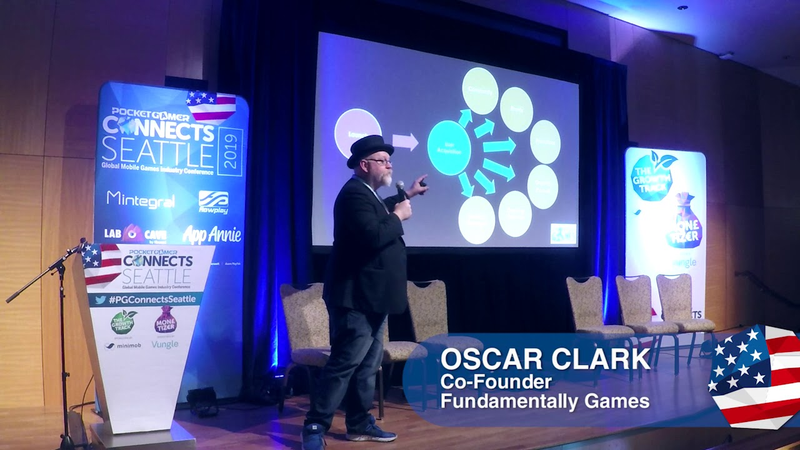
they care about it they're more likely to install it we'll get back to that in a bit I should explain what I think of as live ops so this messy diagram essentially it shows you the components of the way I look at live operation so launch obviously we launch a game we have to acquire users but then we have to let that feed into community events promotions ongoing content ongoing features and problem management all of those are symbiotic it shouldn't be sat alone they feed into each other if you haven't got good problem management how are you going to make sure that you deal with the bugs and issues and even the kind of community problems that happen in your game world if you don't have a constant pipeline of ongoing regular release of content whether it's new outfits or gameplay games dead and it has to be predictable it has been every week every day every month has to be consistent
predictable communicated pipeline same thing goes with features the feature pipeline is gonna be a longer frame it might be monthly or 3 monthly but you have to have this consistency of message I will deliver as a game developer I promise my players I will deliver to you and I will consider keep to my promises and each of those releases that it will be meaningful but then we can talk about building up experiences around those tools and correcting promotions which helps encouraging people to convert and hopefully repeat convert those pieces into a community experience and they're making them all talk together means we move from this kind of traditional family we talked about before in to this he says this kind of funnel he said it's waiting for that to appear on the screen that's weird let me try and press that button again that didn't work I seem to be having a problem with the big screen having a different hour there we go right so remember we had that that acquisition retention ionization funnel
I don't think that anymore what I look at is player lifecycle engagement so what that means is we have discovery when people first come and find our game and our job is to get them to install it then we have learning where they're not just learning about how to play the game they're also learning about where the game fits into their daily routine we then got engaging how we get them from that daily routine into something which is passionate and and I've got to get home tonight because my guild are waiting for me we know that moment don't we we've had that moment if we played you know wow or similar games but then converting and super engaging we shouldn't be forgetting super engaging now the sensible people in the room will recognize so as we go from the left to the right right the left hand here increasing the revenue potential also increasing the commitment of the player
and it's not just about the people who pay it's also about the people to watch ads it's also about the people who actually just create the community that is why people want to keep playing and we have to grow that and the more we grow that the more successful we are so thinking about retention as part of that growth strategy is vital so where are we getting these players from now assuming with all these talks we have about growth the monetization it's gonna be about how much ad spend we do and it is but if you can see that but word-of-mouth is still at the top thirty five cent the source was statistic based on data up to 2016 for the US market App Store's was 32 percent so the App Store is less than the word of mouth now obviously this is cumulative over time social networking you know again huge look at in-game
features 15% so throughout the game 13% so yes we need to have smart strategies for how we're going to do our paid promotions but organic is actually a whole bunch of areas we can actually improve on tremendously by using this way of thinking so what are the organic drivers we can pull well what does that mean well community events sexy they're exciting look at wonder I could buy that right now I want to get a hat wonder why don't those sort of messages the social capital that goes with that is part of what makes the game exciting how do we make sure we use that and correctly reduce the friction for players to share that joy with other people social networking again community events content updates feature updates these are things that we can talk about if your feature updates don't have a tentpole release item is a phrase we
used back in the Sony days tenpo release meaning the thing that holds up everything else something manageable something that's exciting every feature update should a happier PR opportunity should be a community update opportunity should be a new event opportunity in key features obviously themselves the actual act of play where is in the actor played you have the opportunity to to show off if you want to go down the east sports or the youtubing area do you have a style of play that encourages people to speculate the outcome as the progression of play happens do you have enough time for the event to happen to be spectacular and and shareable as share-worthy do you have a moment after the spectacular event for people to naturally talk about whether they were right or wrong about the outcome to talk about this surprise their excitement about what just happened
so the flow of gameplay itself feeds into your ability to make this kind of organic growth but then it goes on to have influences that's very thinking if you don't have that mindset if you don't think about your game players as having a great time but also as having their own audience how are you going to create the opportunity to influencers to not just you know think your game is interesting and take your money to talk about it but to actually actively want to choose your game because their audience loves your game and it makes them look good and it makes the you know the viewers excited to see what is happening that's all part of managing your growth and your life ops so in the end it comes down to this idea this is not a one-way
street the way you think can plan your live operations for your game if you work as a service then you can build like a snowball and yes you might start off small but every time you do a new update of content every time you have this rhythmic pulse of new assets features content items events promotions community it's just going to keep pushing the size and the scale of your potential it's not for the faint of heart but it is something that can apply to any game it's a mindset it's a way of looking at game development and rethinking it you're not just making a game you're creating a hobby and that's what's going to make you successful and creating hobby allows you to build an audience as well thank you so I've got about five minutes
left I am obviously have a slight degree of thinking on these things so I'm happy to take any questions you've got please feel free to answer or I'll just carry on rambling for the next five minutes your question I will bring you a mic over a cheddar what I'm gonna come down because I'm like that I think this is the first gonna go there thanks Mike from spire I was just wondering if you had any recommendations for it sounds like you're alluding to kind of talking about promoting the events through marketing so you know where you spend your money between user acquisition and kind of engaging users to participate in events or are those one in the same and that's great question so essentially from from my point of view what I'm trying to do is think generically so every games gonna have different approaches to that but essentially what
I'm trying to suggest is whenever you're making your campaign design decisions if you can tap into something that already exists that already has a community already has a message that resonates with your player base then that should be self filtering so when you look at the kind of content and experiences you can you're making anyway how do you get your marketing designers to leverage that to the best of its ability so you shouldn't be creating I don't think specific promotions around a particular event unless your game naturally would do that anyway so I don't think we'd necessarily change your strategy by doing this what you would change is the direction of the content that you would look to produce so you have to test that you have to use all the same parameters that you would do with any kind of campaign and at the end of the day if you remember that simplicity part that you need when you first connect with
somebody but if you can find a balance between those two tensions then you should have something really effective does that make sense cool and there was some questions at the back I'm gonna come running around so I'm not being my own host well I'm gonna do a 10k no but if in a few months so better get fit give for it with typical levers do you recommend small teams to use when they get started in something like this I mean essentially the best thing to do is look at the smallest possible thing that you can do so you're your social media person and your community people they offer the same person if you're a small enough team it probably shouldn't be but to be honest but let's say they are cuz it was often the case how do you encourage the players to feed that person with as many screengrabs examples yee-haa moments whatever you want to call it and then use that as a basis to think about how you're going to bring your strategy together and it's hard to
say for a small company because it's always a challenge to think about LiveOps anyway so it's all hands the deck but I think essentially what you want to look at is creating a pipeline so what can I make in terms of content feature Alisa's that I can predictably deliver what can I do daily now obviously you're not gonna make new content every day so can I have an xml list of things that I've already created but can be released can that release does that release require art or can it just be a statistical change can I find a way to use backing databases to deliver something that changes automatically without having to have a person do it so daily challenges if the challenge is based on reaching a score or doing something in a time that's a great way to have something if you can create a moment that's capturable but then people can do a competition or in your social media around maybe you'll find an image that comes out of that that's worth
using in your paid for campaigns so it's really just about being smart about taking the lowest-hanging through that you can deliver that allows that to be a predictable repeatable pattern that players can respond to and attracts new players because of its authenticity so make sense episode was there one more question I think I'm done yes thank you based on the other lectures that we had this morning you know a lot was covered on using the UA marketing techniques for you know original capture of audiences and I think that's really covered with the first objective with with what you listed on discovery but with the organic drivers being the primary thing behind expansion of the game audience do you have any sort of measure or reference that you use for yourself on when to convert from the you a direct marketing exposure tactics to organic yeah that's
that's a difficult one I mean the at the risk of sounding like a shotgun marketeer it's kind of you do everything you can but I think it was not who it was I think was Delta D and I think as Isaac was talking about the come on average there something like 10 campaigns currently operational so what you don't want to do is start sending confusing messages because if your messaging is not targeted effectively you're basically just wasting your money you're just throwing money at a wall and hoping which is no good so what we want to do is identify segments so it's where I'm a huge fan of the sort of sort of Facebook look-alike style promotions because then I can say okay here's a bunch of players have done this behavior because I know what that behavior looks like I know what those people are like to the extent I'm allowed to through the Buress you know gdpr and all these other things and I can use that information to be able to identify people who look like
that so I'm going to take those segments to take this relatively cheap reduce you know media and I'll test maybe three or four variations of that to that and I'm gonna be talking about hundreds of dollars not thousands of dollars in doing that process then I find what's kind of working and I'll use that but you want to mix it up because people get bored very quickly but then when I'm looking at kind of a wider scope when I'm talking about much simpler where people don't even care about genre that my game is then I need something much more simple and then I need to have a more traditional way of looking at kind of promotions and that's where I'll go back to the other techniques but it's really about understanding is this something in the way my game is played that I can use now and as I build an ongoing community how do i leverage what the lessons I get from that community and feed into everything else and look at how it goes the other way as well so how does this
segmentation that I choose the kind of people who aren't targeting through the particular ad networks how does that feed back into what kind of promotions I should be offering because if I understand them better maybe I can retain the better if I'm offering the right kind of events promotions content updates et cetera et cetera so I'm really trying to say I don't have the magic answer but joined up thinking should transform the way you operate I don't know I need to tell myself to shut up and invite the next speaker so thank you very much for having me [Applause]
Summary
The primary thesis of this analysis is that mobile game success relies on integrating user acquisition (UA) strategies with live operations (LiveOps). Rather than treating acquisition, retention, and monetization as isolated silos, developers should view their games as evolving services. By aligning marketing campaigns with a predictable, rhythmic pipeline of content updates, feature releases, and community events, developers can foster a "hobbyist" mindset among players, which drives organic growth and long-term engagement.
Key findings emphasize that while paid UA remains a critical component of growth, organic drivers—such as word-of-mouth, community-generated content, and social sharing—are essential for sustainable success. Data trends indicate that the proportion of non-organic installs is rising, yet developers often fail to leverage the "rich tapestry" of existing in-game experiences to fuel their marketing. Effective LiveOps should be symbiotic, where community feedback and gameplay moments inform campaign design, creating authentic messaging that resonates with potential players.
The methodology for this approach involves shifting from a traditional funnel model to a player lifecycle engagement framework, which includes discovery, learning, engagement, and super-engagement. For smaller teams, the recommendation is to focus on low-friction, repeatable patterns—such as automated daily challenges or leveraging user-generated screenshots—to maintain a consistent cadence of content without requiring excessive resources.
Ultimately, the analysis concludes that the most effective growth strategy is one that treats the game as a living service. By ensuring that every feature update or event serves as a "tentpole" for PR and community interaction, developers can create a self-sustaining cycle of growth. This joined-up thinking transforms marketing from a one-way expenditure into a continuous feedback loop that improves both player retention and the efficiency of paid acquisition efforts.












Comments