Global reports and market data
Documents

Rockfish's Michael Schade on crowdfunding your game development
The primary objective of this analysis is to outline effective crowdfunding strategies for independent game developers, specifically drawing from the successful Kickstarter campaign for the space shooter Everspace.
- Crowdfunding success requires rigorous pre-campaign preparation and a disciplined adherence to a core product vision rather than diluting the game with excessive features.
- Building an audience before launch is essential; the Everspace team used Steam Greenlight to gather 70,000 votes to validate their concept and refine features like VR support.
- High-quality visual assets, specifically animated GIFs shared on platforms like Imgur, were instrumental in generating millions of views and driving traffic to the campaign.
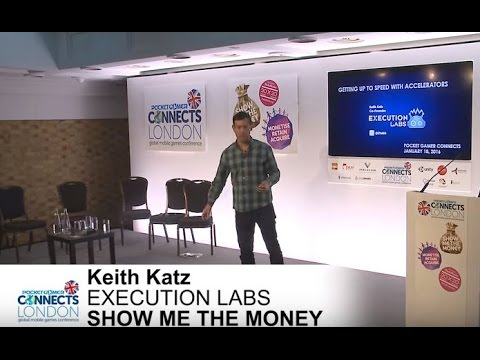
Execution Labs' Keith Katz on the value of game accelerators
Game accelerators serve as vital catalysts for early-stage studios, providing structured environments to scale businesses rapidly through cohort-based programs.
- Game accelerators provide intensive, cohort-based mentorship and networking, distinguishing themselves from incubators through shorter timelines and a focus on rapid business scaling.
- Studios should prioritize accelerators that provide direct financial investment in exchange for equity, as this aligns the program's incentives with the studio’s success.
- Generalist tech accelerators should be avoided in favor of gaming-specific programs that offer relevant alumni networks, industry-specific mentorship, and direct access to platform holders and publishers.

FTUE: Clash Royale
Clash Royale serves as a primary case study for analyzing the first-time user experience (FTUE) in mobile collectible card games and MOBAs.
- Clash Royale’s FTUE is engineered to socialize players into monetization and progression loops, such as time-gated chest unlocking and resource management, immediately following the introductory combat phase.
- The tutorial intentionally introduces meta-game elements early to identify and segment users who are willing to spend premium currency to bypass wait times.
- The game leverages the established Clash of Clans aesthetic to lower the barrier to entry while transitioning players into a distinct, card-based combat system.

Unlocking Stormtrooper Han in Star Wars: Galaxy of Heroes
Star Wars: Galaxy of Heroes, a mobile role-playing game developed by EA, utilizes a character-collection framework to engage players through strategic squad building and turn-based combat.
- Star Wars: Galaxy of Heroes, developed by EA, operates as a hero-collector RPG centered on strategic squad building and turn-based combat within the Star Wars universe.
- The core progression loop requires players to manage resources to unlock characters via shards, increase levels using training droids, and enhance stats through gear tiers.
- Combat efficiency is driven by the simulation (Sim) system, which allows players to bypass previously completed battles to farm resources using energy.
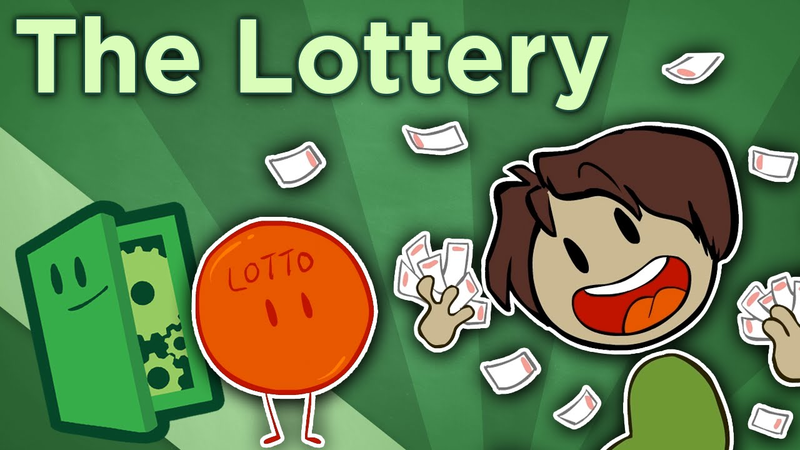
The Lottery - Why People Favor Worse Odds - Extra Credits
The Multi-State Lottery Commission’s 2015 decision to adjust the Powerball odds from 1 in 175 million to 1 in 292 million serves as a significant case study in human psychology and incentive design.
- The Multi-State Lottery Commission increased Powerball odds from 1 in 175 million to 1 in 292 million in 2015 to prevent frequent payouts and allow jackpots to accumulate.
- Player participation follows an exponential growth curve relative to the size of the jackpot, proving that the allure of a massive reward overrides rational statistical analysis.
- Human behavior in lottery systems contradicts the traditional game design assumption that players prioritize consistent, predictable rewards and steady progression.
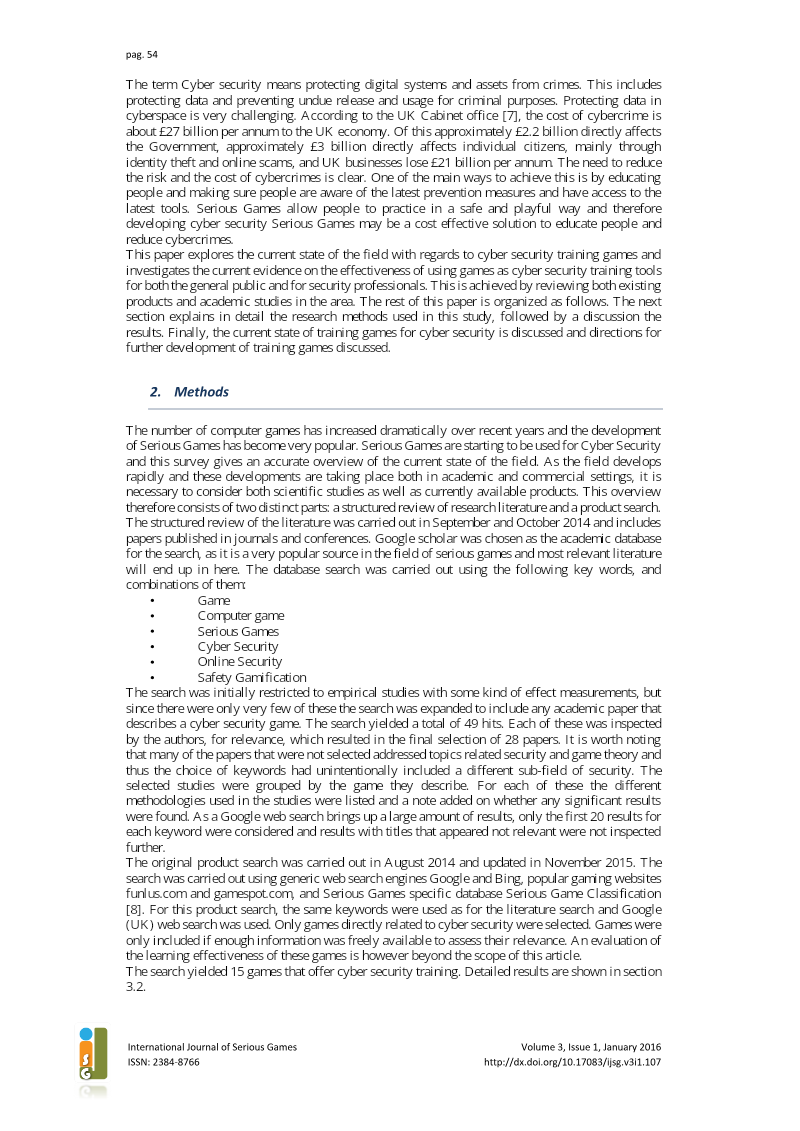

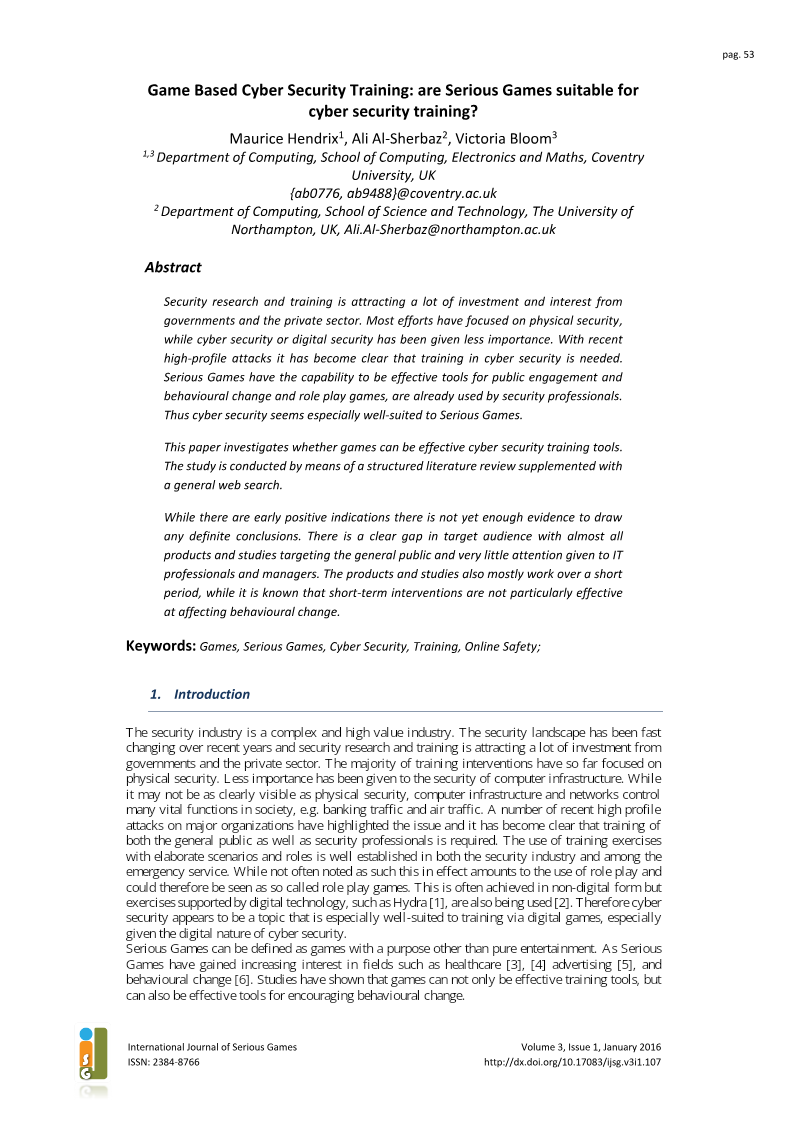
Game Based Cyber Security Training: Are Serious Games Suitable for Cyber Security Training?
This analysis evaluates the efficacy of serious games as training tools for cyber security, a field increasingly vital due to the high economic and social costs of digital crime.
- Serious games for cyber security are currently in an immature state, with most existing tools limited to basic public awareness topics like phishing rather than advanced professional training.
- There is a critical lack of specialized training resources tailored for IT professionals and management decision-makers.
- Current interventions predominantly rely on short-term, single-session formats, which contradicts established behavioral science indicating that effective training requires long-term, sustained engagement.
Accurate Complex Systems Design: Integrating Serious Games with Petri Nets
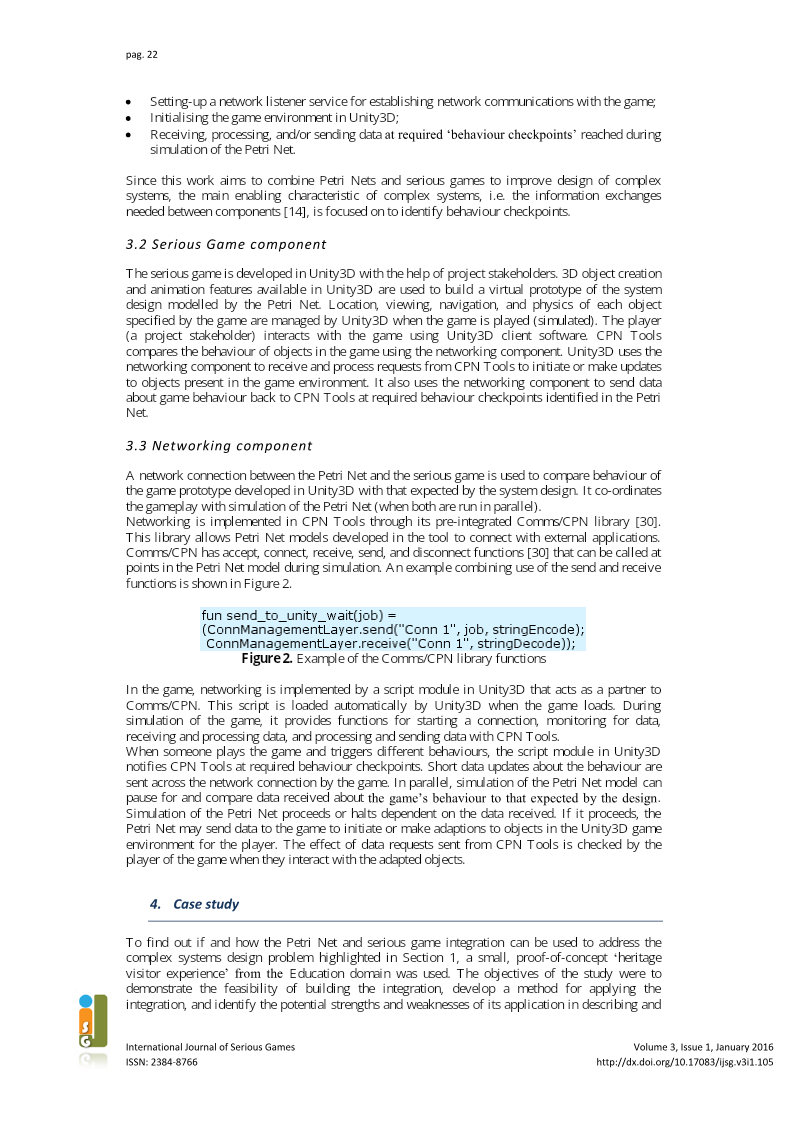
The integration of Petri Nets with serious game development provides a robust framework for the design and validation of complex systems.
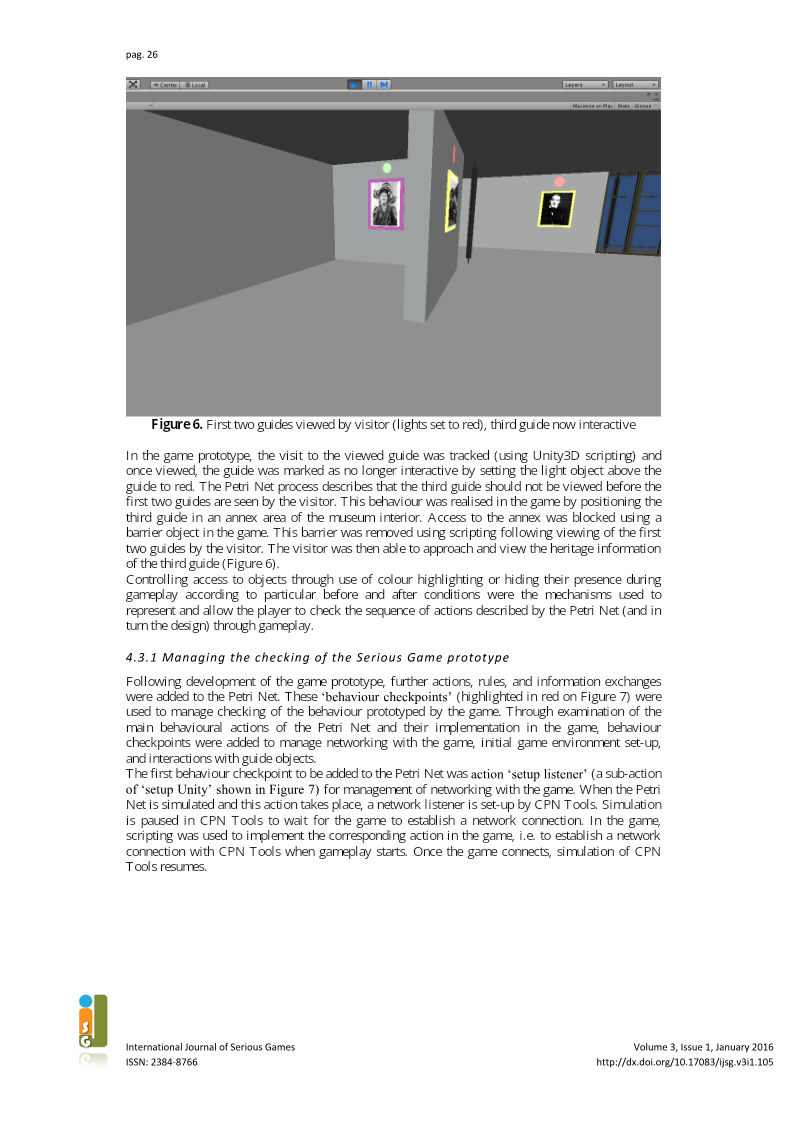
- Integrating Petri Nets with Unity3D creates a hybrid framework that combines rigorous mathematical modeling with immersive prototyping to validate complex system logic.
- Synchronizing Petri Net simulations with game-based environments via behavioral checkpoints allows for the real-time detection of sequencing errors, logic flaws, and missing information.
- This methodology bridges the communication gap between technical developers and non-technical stakeholders by transforming abstract specifications into an interactive, accessible experience.


Gamer Motivation Profile: Model and Findings
This document outlines a comprehensive Gamer Motivation Profile model developed by Quantic Foundry, designed to identify and quantify the primary motivations of gamers.
- The Gamer Motivation Profile categorizes player behavior into six core clusters: Action, Social, Mastery, Achievement, Immersion, and Creativity.
- Analysis of 222,964 unique gamers across North America, Europe, South America, and Southeast Asia confirms that gaming habits are statistically correlated with 'Big Five' personality traits.
- Age is a stronger predictor of behavioral shifts than gender, with competitive and action-oriented motivations showing a consistent decline as players mature.

2016 Global Esports Market Report: An Overview of the Esports Market & Its Valuable Audience
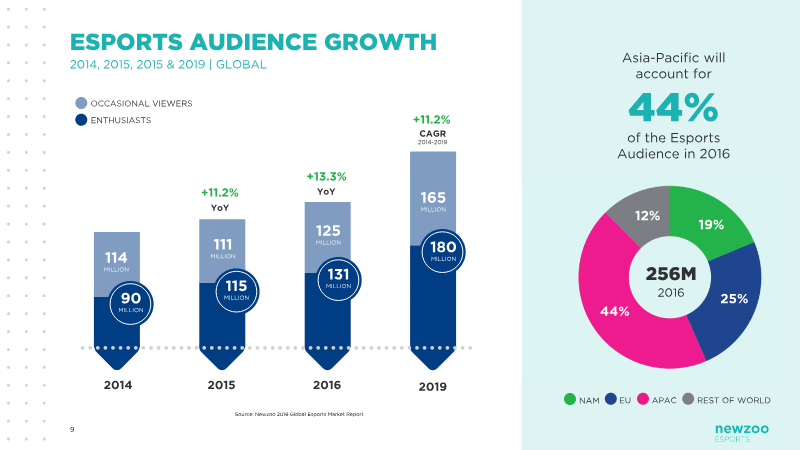
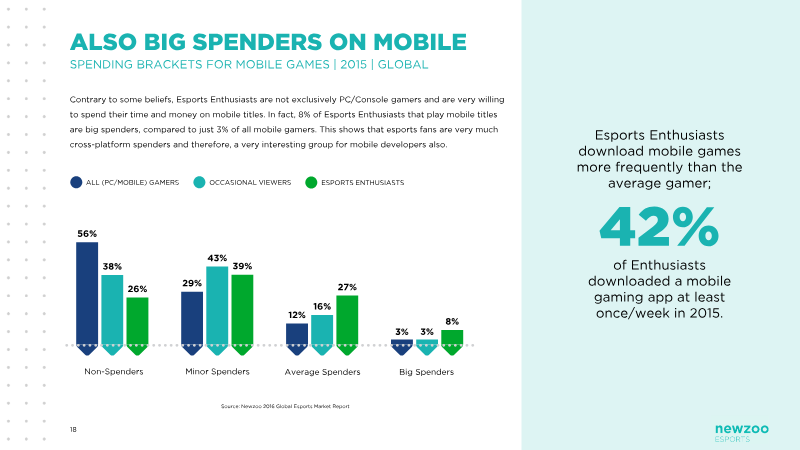
The 2016 Global Esports Market Report provides a comprehensive overview of the esports market, its growth trends, and the valuable audience it attracts.
- The global esports economy reached $325 million in 2015, with projections indicating continued rapid acceleration.
- The esports enthusiast audience grew by 13.3% year-over-year, signaling a shift in gaming from a personal activity to a spectator sport.
- Revenue per enthusiast is projected to rise from $2.20 in 2014 to $6.00 by 2019.
Games You Might Not Have Tried - ep 8 - Find New Games - Extra Credits
This analysis highlights a curated selection of video games that offer unique design experiences, mechanics, or narrative approaches that may have been overlooked by mainstream audiences.
- Thea: The Awakening innovates within the 4X genre by isolating the early-game exploration phase and integrating it into a full roguelike experience.
- Axiom Verge serves as a primary case study for modernizing Metroidvania design principles through high-quality craftsmanship.
- Mordheim: City of the Damned provides a high-difficulty tactical experience that balances permadeath with a unique injury system, intentionally omitting overhead maps for increased immersion.

Why Aren't There Science Fiction Games? - The Philosophy of Fantasy vs. Sci-Fi - Extra Credits
The video industry analysis argues that while the gaming landscape is saturated with titles featuring futuristic technology, spaceships, and laser weaponry, the medium lacks true science fiction, instead offering almost exclusively science fantasy.
- The gaming industry primarily produces 'science fantasy' rather than true science fiction, as most futuristic titles rely on magic-like suspension of disbelief rather than grounded engineering logic.
- True science fiction requires developers to make the marvelous seem mundane, a design challenge that contrasts with the creative freedom found in fantasy settings where mechanics do not require technical justification.
- Developers often avoid genuine science fiction because the need to ground technology in logic limits enemy diversity and imposes strict narrative constraints on game design.
Monetizer: Path of War
Path of War, a mobile strategy game developed by Envision and published by Nexon M, attempts to differentiate itself within the crowded mobile strategy genre through specific gameplay mechanics and a focus on alliance-based social structures.
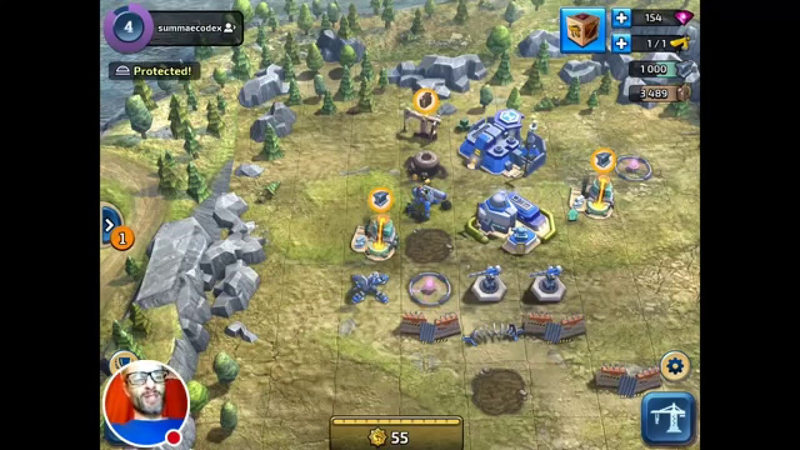
- Path of War, developed by Envision and published by Nexon M, utilizes a grid-based base-building system combined with lane-defense style combat mechanics.
- The game employs a traditional monetization model featuring a single construction queue bottleneck that incentivizes players to spend hard currency (diamonds) to accelerate progress.
- Combat is restricted by a command point system that limits unit deployment, requiring players to wait or pay currency to replenish forces.