1 free read left. Create a free account for unlimited reading + AI research.
Create free account
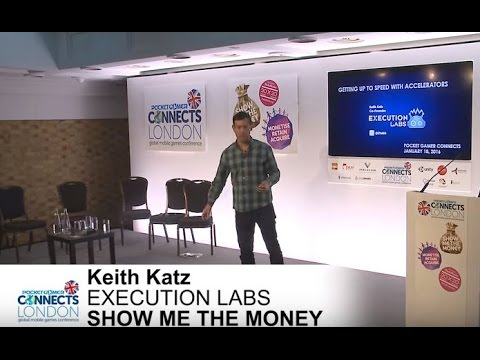
Execution Labs' Keith Katz on the value of game accelerators
Key insights
6 takeaways- 01Game accelerators provide intensive, cohort-based mentorship and networking, distinguishing themselves from incubators through shorter timelines and a focus on rapid business scaling.
- 02Generalist tech accelerators should be avoided in favor of gaming-specific programs that offer relevant alumni networks, industry-specific mentorship, and direct access to platform holders and publishers.
- 03Studios should prioritize accelerators that provide direct financial investment in exchange for equity, as this aligns the program's incentives with the studio’s success.
- 04Due diligence for prospective applicants must include interviewing program alumni and verifying the specific track record of funding and publishing deals achieved by previous cohorts.
- 05The mobile free-to-play market faces a significant funding gap, as publishers now require proven soft-launch metrics before committing to production capital.
- 06Accelerators are currently more effective for premium PC and console projects, where traditional publishing models still facilitate earlier production support compared to the data-driven mobile sector.
Ask AI about this video
Transcript
good now we're not to feel really bad about getting up getting up too late okay so we are in a show me the money track and I was asked to give a little bit of a talk on accelerators and incubators or accelerate specifically the reason is i'm co-founder of execution labs as i as i said before and we have for the last few years been doing a lot of accelerator type activities so we've invested in a couple of dozen studios over the last few years five or so in europe only one here in London so far but that's not a mobile studio it's two premium studio we do invest all over the world i thought i would first talk a little bit about the difference between an incubator and accelerator because i think it's confusing for people even confusing for people in the industry who have been doing it so incubators tend to be about creating an environment where you're
nurturing a new company or a new studio so providing the sunlight and water in the soil for new sprouts to grow and then surrounding them the team the resources they need versus accelerators tend to be about helping that budding studio grow very quickly right so that's the key difference there are some mechanical differences typically accelerators our cohort based and they're shorter so typically three months maybe you'll see some that are six months and they bring in a group of people grupos videos boom that come in they go out and incubators tend to be more amorphous so it can be you know months and months and months also accelerators tend to give you a little bit of money for a little bit of equity in your company your studio versus incubators tend to have sort of larger stakes and they take large participation so some accelerators you may have heard of Y Combinator is sort of the og accelerator they had were the ones that
sort of got the whole accelerator thing going they're basing Silicon Valley and there's techstars and 500 startups on these other things these are I would call sort of general-purpose tech accelerators all right these are probably not for you there are a handful of game accelerators that may be for you so excuse and lambs based in Montreal that's that's mine I'm actually based in San Francisco but most of our activities are Montreal that we're an accelerator have been historically we're now doing more tully stage investment game founders Kadri that they are an accelerator for sure they used to be in Estonia I think this year they're doing their next cohort in Malaysia there an accelerator I put a stew get in case tommy was in the room and it wanted to be pissed if I didn't include them that they're sort of there there there I mean they're really interesting it's sort of accelerator like but you know they don't take equities more not-for-profit they're doing some really cool stuff there's a reactor and bank in washington state but
like it's really hard to find pure sort of accelerators in the gaming space where I mean at least ones are active and some have sort of come and gone so they may be for you and i'll talk about why they may be for you so this is sort of the things i think you should be getting from from an accelerator you should be getting business coaching i know that's a broad term but basically you should be learning how to build and scale a business right a studio should not just be this is how I make chip this game right you want more than that um I put I called out specifically pitch practice I'm learning how to pitch because as you may have seen a lot of people doing pitching for the first time with developers this is not a skill they've established it's not an innate skill and most human beings that you really have to learn and learn and learn so this is we spent a lot of time on this cuz you'll need to get money you should be getting an alumni network a useful alumni network so people have gone through the accelerator before they can call on for favors advice that kind
of thing you should get access to management's network right so when you come to execution labs you should immediately know everyone I know so that means everyone at Apple and Google on amazon and any publisher or whatever that's part of the deal so whoever your whatever accelerated going to you should know who those people know right relevant mentors this is something i'll dig in a bit but the people who are actually helping you aside from management in the program that's critically important I'll come back to that money you should be getting some amount of money if they're taking equity I'll talk about that in a second and then access to more money and it may sound weird but chances are the money you're getting from accelerator is not going to get you where you need to go but the people who run that accelerator should be able to plug you in to larger networks I have an asterisk by mentors because it's easy to get fooled on this one it's easy to say hey I'm starting accelerator and if you've been in the industry for a while you can easily put up names of people
you know and say hey you want to be a mentor or put you up on my website that happens doesn't mean they're going to be actively involved right you need to be talking to the Alumni talking to the mentors himself seeing if they're actively involved in the program so one of the reasons I said that generalist tech accelerators are probably not for you it's because they fail that most of these a couple things that would get right is business coaching they can probably help you with that like help you learn how to scale a business they can provide some amount of money you know 50,000 hundred-thousand-dollar or something like that but they fail with these other things because their alumni network is not going to be other game studios right they're going to be generalist tech startups their mentors are not going to be specialists in games right there going to be general sort of tech startup folks management's network is not going to be the people that you need to know right so if you're looking for an accelerator I find it really difficult to believe that you can go to a y combinator and have success as a game studio one thing I feel really
strongly about is that if someone is taking equity in your studio they should be giving you money right so there are accelerators who say hey we're going to give you some office space and whatever and some introductions and we're going to take eight percent of your studio or whatever it is I don't think I don't think that's a good deal also fundamentally I think that if an accelerator can't go out and raise money themselves they're probably not going to be very good at helping you raise money right because what you're going to need to do is go out and raise money from a publisher or VC or whatever after you leave the program and if they haven't shown that capability I don't think they're going to be very helping you do the same thing so when you're picking an accelerator some things to look for don't talk to me for looking to join execution labs because I'm going to say good things talk to other people like specifically talk to the people who've come and gone through execution labs right gain founders same thing sure Kadri would say all kinds of
great things about game founders but fine game founders alumni and talk to them they'll give you the real skinny on what's going on look at the list of alumni and figure out who's got funding right because presumably one of the reasons you're going to accelerators because you want to get more funding for your project or your studio see who's got publishing deals see who's got vc dlc who's got money from government programs right that's that's a key indicator of whether or not that that accelerators succeeding and then ask those same people who write checks ask them what their opinion is hey what do you think about gaining founders hey what do you thing about student what do think about execution labs right and those publishers and investors will probably have firm opinions as you heard before game investors tend to be pretty vocal and don't hold back too much how many in the room are actually are doing free to play games so are there other ones doing premium games who's doing a premium okay so half the people are just spectators okay so all right so I
there's a big caveat here which is that I think free-to-play is really a tough fit with game accelerators and to describe it we use this notion of gap jumping so on one side of a gap we have our money we give you 50,000 we should give you a hundred thousand for a longer program but here's our money right on the other side is somebody else's money that's probably a publisher to help you to publish and market the game we're or add production funding it could be a first-party it could be VC right in the middle is the gap right so what we're doing is funding you here and trying to get you accelerate use as you can so you can get over this gap the problem is right now with free to play most publishers don't fund here right they want you to be here already this is a new dynamic relatively speaking in gaming historically publishers filled that gap by providing production funding right now most mobile
free-to-play publishers want you to be on the other side of that gap in soft launch showing good metrics and then maybe the provide funding which is terribly unfair particularly for a small studio or smallish how do you fund that right so it's really tricky we have tried to solve for that by partnering with publishers so that I mentioned that I mean historically we've been an accelerator and we still sort of our but now we're doing more deals along the lines of hey you have a game right we'll give you some money but only in the condition that we know we've already locked you in with a publisher who's going to take you after global launch so we'll fund your during soft launch help you do your user acquisition help you do all these things but then this other publisher whose business it is to do user acquisition is going to be there when you're done right we're trying to solve for that but it's really hard frankly works better for accelerators work better with premium because I mean we've done only one premium mobile game
and because premium mobile was hard for a whole lot of other reasons we did one in the fall a studio called out our minds released a game called kootie pie legend of the brofist there could be pie it's pretty fine so and I think this is a great example of how accelerators can be really useful I mean we are doing more premium games for pc and console right now frankly for the some of the same reasons that this game worked so they didn't need that much money but what they did need I mean so they were really smart they work with pootie pie so they had this amazing marketing advantage so don't do a premium game in mobile unless you have an amazing marketing advantage pro tip so but what they did need is to help with things that accelerators can help with things like user testing things like you Xu Lai things like connections to Apple and Google and Amazon negotiating contracts of someone like foodie pie like these are things an accelerator can help with
and this is why I think premium is actually an easier an easier route if you're looking at accelerator because if you're doing a console or PC game there are a lot of publishers who will fill that gap right like you can do that first part of the platform and then they'll come in provide production funding it doesn't really exist very few people doing funding for for free to play right now so the choice of an accelerator is fairly nuanced these are broad strokes and I'm happy to have a conversation with anyone after this you can email me I'll send you the slides for whatever they're worth but we can also have a conversation if you have general questions about how accelerators work okay thanks everybody do we have time for any questions okay one question thank you yeah I'm reassemble the team
so so the question is how early is too early to apply to an accelerator it depends on the accelerator so in our case we're very clear that you must have an established team and you must have a working prototype you and I'm sure I think it's pretty similar for game founders also let's do guys think you could just be like I got an idea and I'm going to show up and go to this cabin in the summer but but i'm not sure everyone is a little different but generally speaking you should be able to go to the website and they should be pretty clear on what's needed most accelerators are not that interested in taking a brand-new studio doing something for the first time right it's not an incubator and accelerator okay cool thanks to that sure anything else Oh what I all means I just wanted but the treat this not funding free-to-play early do you think that's going to change if it isn't do you think that's an issue that needs addressing uh I think it's not going to change anytime soon because currently
there are a lot of people trying to do free to play games and there are there are the publishers definitely have the advantage right now in terms of being able to cherry pick which free-to-play games are out there and because either the dynamic has changed a notion of a soft launch they where you can actually show metrics has really changed the dynamic vs with premium you're always true taking a bat on the studio and their creative vision now it's much more I don't have to take a bet on the studio and creative vision I can do that but actually I can test it based on what the markets actually telling me so from a publisher standpoint why would you bet early when you can bet late and the precedents been set I don't say that going away anytime soon okay sorry we have time for one more one more okay like if it's Peter photo from a pageant you have been talking about the soft launch important for publishers to consider the budget for soft on twitch
from my experience could be something between ten to twenty thousand dollars a problem for indie developers well i mean i think that's often part of the the money that we put you know put into a studio is going to be geared for soft launch and one of the things we're good at so we have a staff of experts that work full time to execution labs one of them is you a right so so you know it's not just we're money we have you know you actually people you a people product people the are you a team will help actually get your game into soft launch and help you get users and start measuring them in a statistically significant way you should be able to get that from an accelerator or you should sort of earmark part of your part of your moneys for that because otherwise you're going to die in that gap right and the one thing i will mention this to close and this may be getting into weeds a bit which is 10 or 20 k should be sufficient to get you some baseline retention that
tricks but you're never going to get close to what you need for your conversion metric right could you just need so many more users to get that funnel if you're looking at two or three percent conversion so we can talk more about that and maybe to you know to detail but that's my general thoughts I'm being told I have to shut up so thanks everybody
Summary
Game accelerators serve as vital catalysts for early-stage studios, providing structured environments to scale businesses rapidly through cohort-based programs. Unlike incubators, which focus on the long-term nurturing of new companies, accelerators offer shorter, intensive periods of mentorship, business coaching, and networking. The primary value proposition for a studio lies in gaining access to specialized industry connections, such as platform holders and publishers, and receiving expert guidance on critical skills like pitching and contract negotiation.
When evaluating potential accelerators, studios should prioritize programs that offer direct financial investment in exchange for equity, as this indicates a commitment to the studio's success and a proven ability to raise capital. A critical red flag is the lack of a specialized gaming focus; generalist tech accelerators often fail to provide the relevant alumni networks, industry-specific mentorship, and platform-level connections necessary for game development success. Prospective applicants are encouraged to conduct due diligence by speaking directly with program alumni and verifying the track record of funding and publishing deals achieved by previous cohorts.
The current landscape for mobile free-to-play development presents a significant challenge, often described as a funding gap. Publishers increasingly demand that studios reach a soft-launch phase with proven metrics before providing production funding, leaving early-stage developers to bridge this financial void independently. While accelerators can assist by providing initial capital and user acquisition expertise, the shift toward data-driven, late-stage betting by publishers remains a persistent hurdle. Consequently, accelerators are currently better suited for premium PC and console projects, where traditional publishing models still allow for earlier production support, or for studios that can leverage unique marketing advantages to navigate the competitive mobile market.