Global reports and market data
Documents

Why Are There No Good Video Game Movies? - Extra Credits
The lack of high-quality film adaptations of video games is primarily attributed to a cultural and generational gap between the film industry’s decision-makers and the gaming medium.
- The primary barrier to high-quality video game adaptations is a generational and cultural gap, as current film studio executives lack firsthand experience with the gaming medium.
- Hollywood historically prioritizes short-lived fads over established franchises because decision-making is driven by superficial sales data rather than a deep understanding of the source material.
- The trajectory of video game films mirrors early comic book adaptations, which only reached a creative and commercial peak once a generation raised on the medium ascended to leadership roles.

Why is Amazon getting into the game engine business?
Amazon Web Services has entered the game development market with the launch of Lumberyard, a free, open-source game engine.
- Amazon launched Lumberyard, a free, open-source game engine based on CryEngine, to integrate game development directly into its existing cloud and streaming infrastructure.
- The engine’s primary value proposition is its native integration with Amazon GameLift, which simplifies backend management for multiplayer session-based games.
- Lumberyard features deep Twitch integration, allowing developers to build mechanics that enable streamers to invite viewers directly into live gameplay sessions.

Is there life for Glu Mobile after Kim Kardashian?
Glu Mobile’s 2015 financial performance highlights the volatility of the celebrity-driven mobile gaming model.
- Glu Mobile’s 2015 revenue stagnated at $250 million, a marginal 1% increase, highlighting the volatility of a business model heavily dependent on celebrity-driven titles.
- Revenue concentration remains a critical risk, with 'Kim Kardashian: Hollywood' and 'Racing Rivals' accounting for 47% of the company's total annual revenue.
- The commercial failure of 'Katy Perry Pop' and 'James Bond: World of Espionage' forced an organizational restructuring and a leadership change to address lapses in internal quality control.

IAP Inspector: Path of War
Path of War, a mobile strategy title developed by Envision Entertainment and published by Nexon M, attempts to differentiate itself within the crowded mobile strategy market through a unique base-movement mechanic and a column-based combat system.
- Path of War, developed by Envision Entertainment and published by Nexon M, features a restrictive monetization model that creates significant friction for both free-to-play and paying users.
- The game utilizes a dual-resource constraint system where energy is required for both map movement and combat, while command points limit the deployment of full unit rosters.
- Progression is bottlenecked by a building system that restricts concurrent upgrades to a single slot unless players purchase additional, expensive crane capacity.
Monetizer: Sandstorm: Pirate Wars
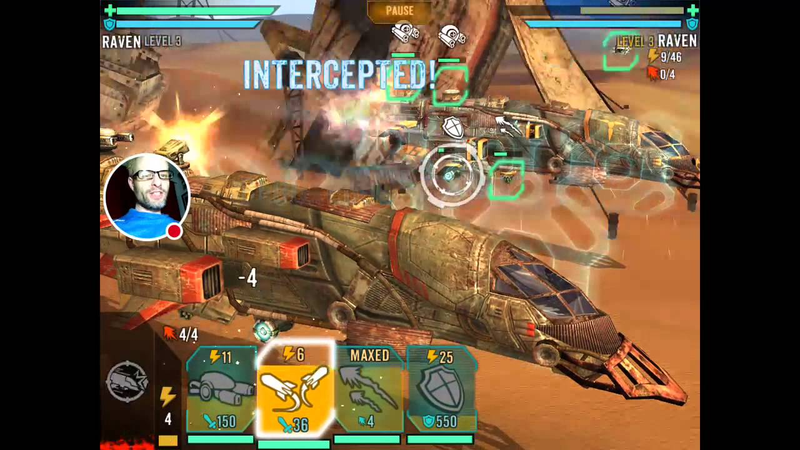
Sandstorm: Pirate Wars, a mobile title developed by Ubisoft, functions as a free-to-play combat game set in a post-apocalyptic, Mad Max-inspired universe.
- Ubisoft's Sandstorm: Pirate Wars utilizes a resource-heavy, grind-focused progression loop that prioritizes meta-game management over active, high-intensity combat.
- The game employs a standard free-to-play monetization model featuring a dual-currency system of soft 'bolts' and hard 'power cells' to gate progression through energy systems and repair timers.
- Core combat mechanics are modeled after drag-racing titles, requiring players to manage power distribution between shields and weapons within a fixed-camera environment.

What to Look for in 2016 - Industry Developments to Watch - Extra Credits
The gaming industry in 2016 faces several pivotal shifts that, while not immediately transformative, serve as indicators for long-term structural changes.
- The gaming industry faces a potential acquisition bubble, as multi-billion dollar valuations for assets like Minecraft and King are being tested against the standards of major entertainment franchises like Marvel and Lucasfilm.
- The performance of high-profile acquisitions in 2016 will determine if the industry faces a market correction that could significantly tighten future venture capital and funding opportunities.
- Chinese capital is shifting from an initial 'gold rush' phase of acquisitions toward a more strategic, measured approach regarding the management and integration of Western developers.

Monetizer: Downtown Showdown
Downtown Showdown, a mobile free-to-play title developed by COLOPL’s North American division, functions as a hybrid experience that blends city-building mechanics with competitive strategy elements.
- Downtown Showdown by COLOPL’s North American division is a hybrid mobile title that merges traditional city-building resource management with competitive raiding and defensive mechanics.
- The game’s core progression is gated by population milestones, which force players to engage with city-building and quest systems to unlock new content.
- The title employs a three-tier currency model consisting of gold (soft currency), specialized metal (earned via competitive showdowns), and premium gems.
Speedtest: How long does it take to complete SW: Galaxy of Heroes' Daily Activities?
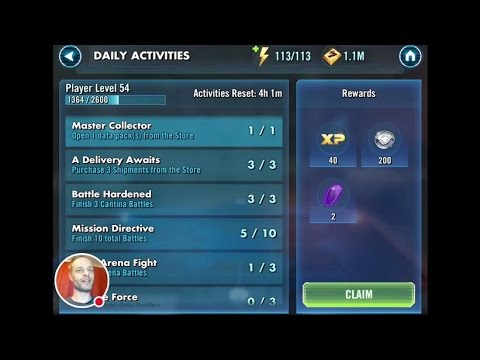
This analysis examines the time investment required to complete the full suite of daily activities in the mobile game Star Wars: Galaxy of Heroes.
- Completing all daily activities in Star Wars: Galaxy of Heroes in a single, uninterrupted session requires approximately 25 minutes.
- The total completion time is primarily constrained by mandatory cooldown timers between Squad Arena battles, which extend the session length for free-to-play users.
- While simulation cards allow for the instant completion of previously mastered missions, active engagement is still required for content like Galactic War and specific daily challenges.
Making Fluid and Powerful Animations For 'Skullgirls'
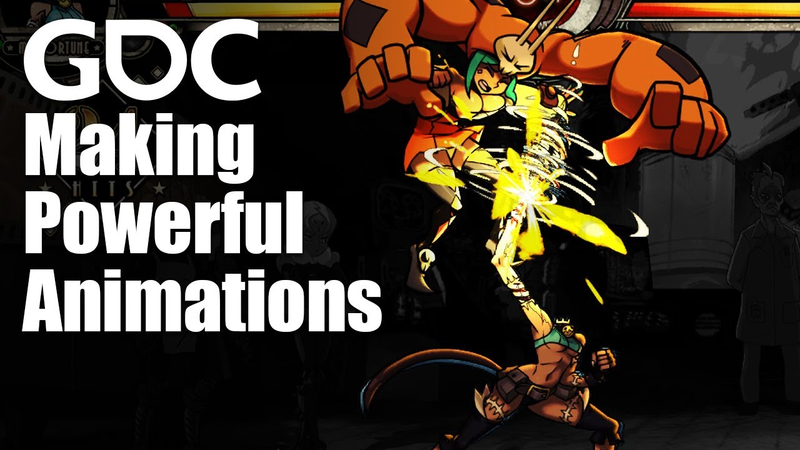
Effective 2D animation in fighting games requires balancing artistic fluidity with the rigid constraints of responsive gameplay.
- To maintain responsiveness in fighting games, break down every attack into four distinct parts: anticipation, smear, the main attack key, and the return to idle.
- Effective animation in constrained frame counts (as low as 5–6 frames) relies on prioritizing key poses and using smears or follow-through (such as hair or clothing movement) to bridge gaps between frames.
- Prioritize clear silhouettes and snappy timing over excessive frame counts; holding key poses longer and shortening smears can significantly improve the readability of an action.

Softlayer on the importance of cloud hosting and GPNs
Cloud infrastructure providers play a critical role in the gaming industry by offering scalable, consumable platforms that support both virtual and bare metal server environments.
- Cloud infrastructure providers support gaming workloads by offering a hybrid environment that combines the agility of virtual machines with the raw performance of dedicated bare metal servers.
- Global Private Networks (GPNs) enable seamless communication between servers across international hubs like Dallas, Amsterdam, and Singapore, allowing them to function as if connected to a single local switch.
- The implementation of a GPN facilitates high-speed data synchronization, which is critical for maintaining performance in complex, high-traffic games with globally distributed server clusters.


Developer Satisfaction Survey 2015: Industry Trends and Future Outlook Report
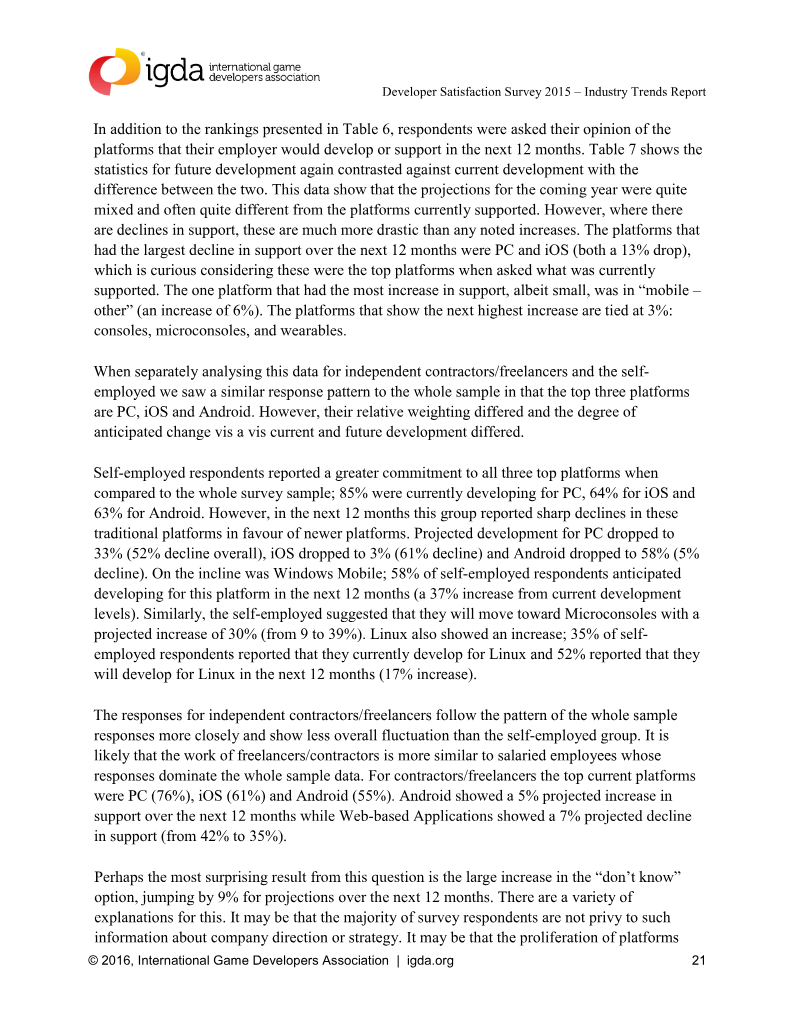
The 2015 IGDA Developer Satisfaction Survey, drawing on nearly 3,000 respondents, primarily aimed to assess the quality of life, job satisfaction, and prevailing trends within the global game development industry.
- Over 50% of the nearly 3,000 surveyed professionals believe the public views the game industry negatively due to high-profile controversies regarding sexism, racism, and toxic workplace conditions.
- Female and transgender developers report a significantly higher awareness of and exposure to discriminatory practices within both the workforce and game content.
- Despite cultural concerns, the industry maintains a stable growth trajectory with developers expressing optimism for technological innovation and career prospects.
Still Skeptical of V.R. - Five Challenges for Virtual Reality - Extra Credits
The primary thesis regarding the viability of virtual reality (VR) in the gaming industry is that significant structural and economic challenges threaten its path to mass-market adoption.
- VR faces a 'death spiral' of market fragmentation because it remains an optional peripheral rather than a standard hardware requirement, forcing developers to split resources between niche VR users and the established console/PC base.
- The lack of hardware standardization across competing manufacturers creates a development environment similar to the fragmented Android ecosystem, complicating production and distribution.
- High costs of entry act as a significant barrier to global market penetration, limiting the potential user base needed to justify large-scale development investments.