Global reports and market data
Documents
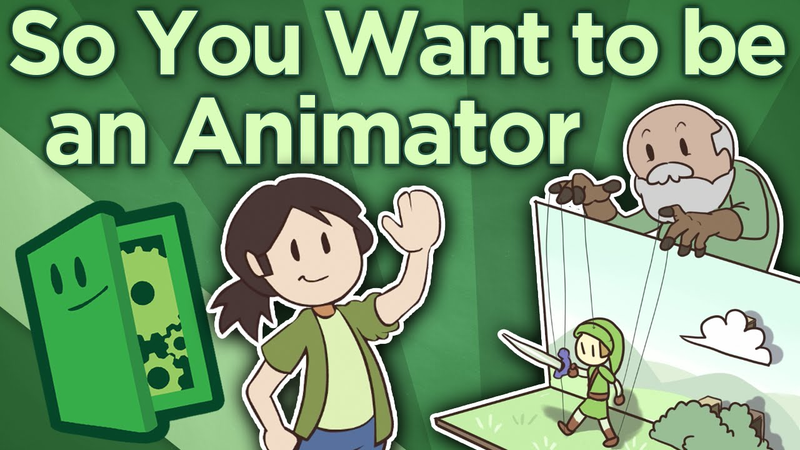
So You Want To Be an Animator - Building Your Career - Extra Credits
Professional animation serves as a form of digital or physical puppetry, where practitioners act as performers to imbue inanimate objects with life, emotion, and character.
- Professional animation is defined as digital or physical puppetry that requires a synthesis of technical skill, observational prowess, and acting ability to imbue objects with life.
- Career success is primarily driven by the strength of an animator's portfolio, which must demonstrate both high-level creativity and technical proficiency.
- Aspiring animators should prioritize foundational education through established institutions like CalArts, Ringling, SCAD, and Sheridan, or specialized online programs like Animation Mentor.
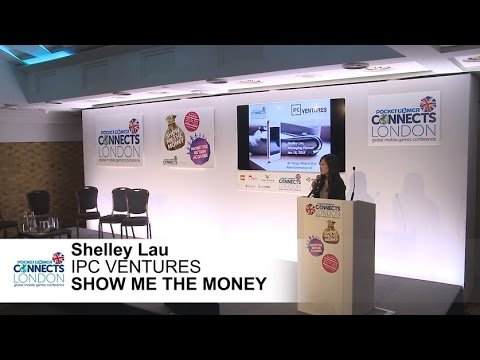
Why VCs like IPC Ventures want to invest in teams not products
IPC Ventures prioritizes investments in cohesive, high-growth teams and sustainable corporate entities over individual game projects or single intellectual properties.
- IPC Ventures prioritizes investment in scalable, high-growth studios over individual game projects or single intellectual properties.
- Venture capital is intended for building sustainable corporate entities rather than serving as a mechanism for project financing, debt relief, or salary subsidization.
- Investors differentiate between 'lifestyle businesses' that are cash-flow positive and 'scalable ventures' that possess the necessary trajectory for significant market impact.
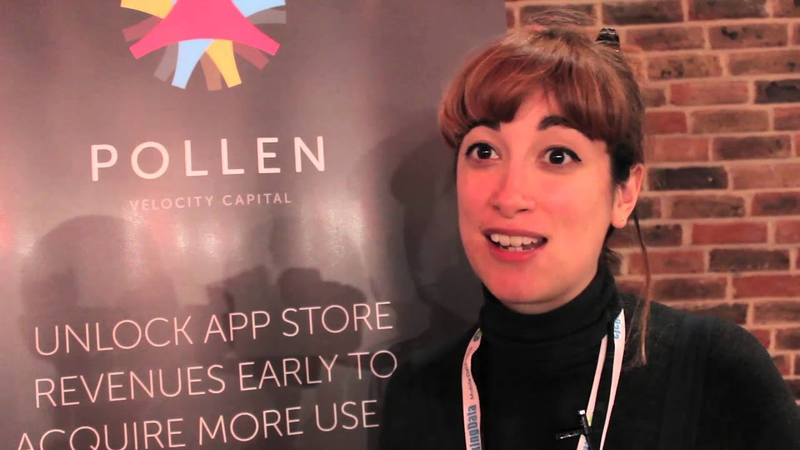
How Pollen VC helps you accelerate your cashflow
Mobile developers frequently face significant cash flow constraints due to the standard 30-to-60-day payment cycles imposed by major app stores.
- Mobile developers face significant cash flow constraints due to standard 30-to-60-day payment cycles from major app stores, which trap earned revenue and hinder reinvestment.
- Pollen VC provides a mechanism to access locked app store revenue on a weekly basis, allowing developers to maintain consistent growth momentum.
- The operational model integrates directly with app store accounts to verify daily revenue accrual, enabling disbursements to bank accounts or ad networks every seven days.
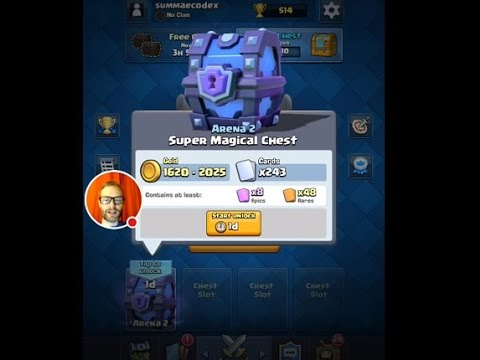
Monetizer: Clash Royale
Clash Royale serves as a prime example of Supercell’s ability to implement aggressive, time-gated monetization strategies that would likely cause significant player backlash if attempted by less established developers.
- Supercell leverages its high-tier brand status and massive marketing budgets to normalize aggressive, time-gated monetization mechanics that would likely trigger player backlash for smaller developers.
- The core progression loop forces players to manage a four-slot chest limit, creating psychological pressure to keep slots full and training users to engage with time-gating systems.
- Clash Royale maintains player engagement through a sophisticated matchmaking algorithm designed to keep win rates near 50%, regardless of individual skill level.
Penguins, Hype, and MMOGs for Kids: A Critical Reexamination of the 2008 "Boom"
The 2008 surge in children’s virtual worlds was largely a product of industry-manufactured hype rather than organic market growth.

Monetizer: Guardian Stone
Guardian Stone serves as a case study in the complexities of mobile game design, specifically highlighting the friction between intricate Asian-market RPG mechanics and Western user expectations.
- Guardian Stone demonstrates that high-density, PC-inspired RPG interfaces create significant friction when ported to mobile, hindering accessibility for Western audiences.
- The game’s core gameplay loops are obscured by an overwhelming volume of icons, flashing notifications, and overlapping systems that lack intuitive context.
- Complex metagame systems, including character evolution and rune management, suffer from a lack of clear guidance, leaving players to navigate opaque upgrade paths without sufficient onboarding.
FTUE: Total War Battles: KINGDOM
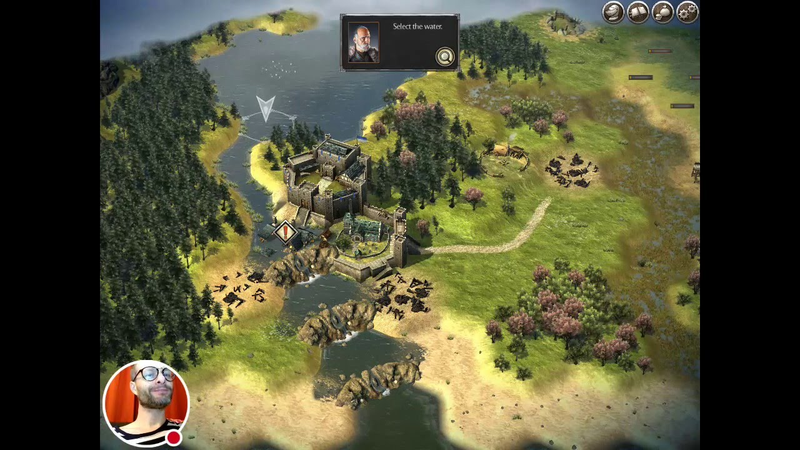
Total War Battles: KINGDOM serves as a case study in the challenges of adapting a hardcore PC strategy franchise for the mobile market.
- Total War Battles: KINGDOM struggles with mobile user retention due to a lengthy, overly prescriptive tutorial process that conflicts with mobile player expectations.
- The game’s reliance on PC-centric design, such as complex menus and tedious infrastructure tasks like road building, creates significant friction for casual mobile users.
- Creative Assembly and Sega’s adaptation maintains high visual fidelity and complex mechanics, but these features often feel cluttered and inaccessible on smaller mobile screens.

Understanding the Witness - Mechanical Transference and You - Extra Credits
The Witness functions as a profound exploration of mechanical transference, utilizing the player’s engagement with arbitrary puzzles to mirror the developer’s own creative obsession.
- The Witness uses mechanical transference to mirror the developer's creative obsession by compelling players to solve arbitrary, meaningless puzzles.
- The inclusion of a film clip from Andrei Tarkovsky’s 'Nostalghia' serves as a thematic anchor, comparing the player's repetitive puzzle-solving to the film's depiction of agonizing, self-imposed struggle.
- By framing puzzles as tasks without external stakes, the game forces players to confront the irrational, internal drive that compels them to achieve completion.

FTUE: Disney Magic Kingdoms
Disney Magic Kingdoms, a free-to-play mobile theme park simulation developed by Gameloft, utilizes a highly guided first-time user experience (FTUE) designed to accommodate a younger audience while maintaining strict brand standards.
- Disney Magic Kingdoms utilizes a highly guided, low-complexity FTUE to ensure accessibility for a younger demographic while maintaining strict Disney brand standards.
- The game’s core loop centers on narrative-driven progression, using character-specific tasks like welcoming Goofy to teach players about token collection and resource management.
- Gameloft prioritizes brand integrity over aggressive monetization, intentionally avoiding intrusive sales tactics during the initial user experience to comply with child-focused regulatory requirements.

What Does Tomorrow Look Like? - How We Envision the Future - Extra Credits
The visual representation of the future has historically served as a mirror for contemporary societal anxieties and aspirations.
- Modern video games frequently rely on derivative mash-ups of 20th-century tropes rather than creating original aesthetic identities that reflect contemporary global concerns.
- The lack of a cohesive, modern vision for the future prevents the gaming industry from effectively engaging with the complexities of current societal issues.
- Historical aesthetic movements, such as 1920s Art Deco, 1960s space-age idealism, and 1980s cyberpunk, provided a shared cultural vocabulary that contemporary media currently lacks.
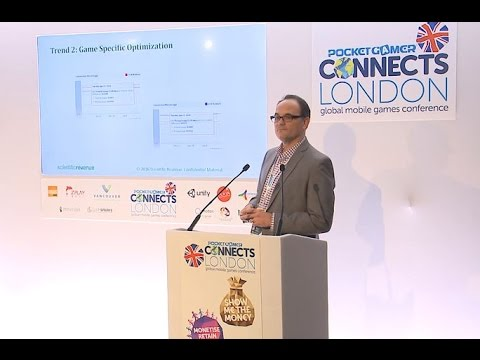
Scientific Revenue's Ted Verani on increasing your IAP revenue via dynamic pricing
The mobile gaming industry has shifted decisively toward free-to-play models, rendering traditional premium pricing strategies largely obsolete for most developers.
- Developers should replace static pricing with dynamic models that use real-time data—such as device type, location, and engagement patterns—to align offers with individual player price sensitivities.
- Internationalizing pricing tiers for emerging markets can increase lifetime value (LTV) by more than 10 percent by capturing revenue from non-affluent but highly active player segments.
- Initial acquisition timing is a critical predictor of spending propensity, making immediate monetization efforts upon a user's first entry into the game essential for long-term revenue.
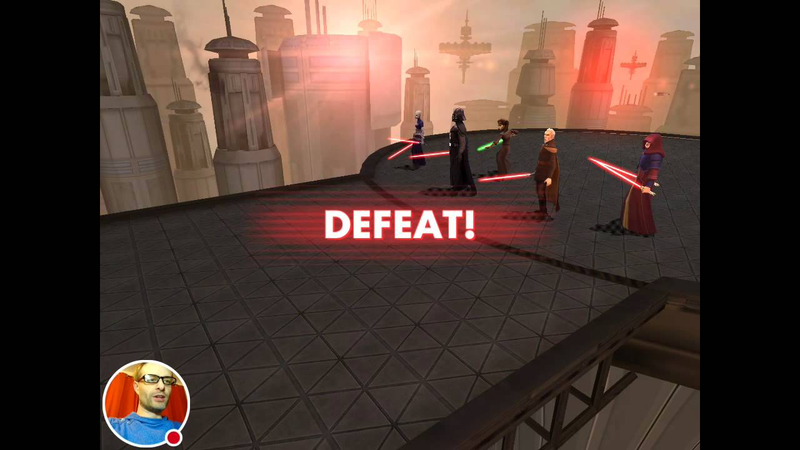
Why you should choose the hardest opponent in SW: Galaxy of Heroes' Squad Arena
In Star Wars: Galaxy of Heroes, players are encouraged to intentionally challenge the most powerful opponents in the Squad Arena mode, even when defeat is likely.
- Intentionally challenging the strongest Squad Arena opponents allows players to send ally requests to high-level users, facilitating access to powerful borrowed characters.
- Borrowing high-power units from an curated ally list significantly increases combat effectiveness and success rates in difficult PvE mission content.
- Targeting superior opponents in the Arena serves as a long-term progression strategy to bypass power gaps in mission-based modes rather than focusing solely on immediate leaderboard rank.