Game Publishing reports and market data
Documents
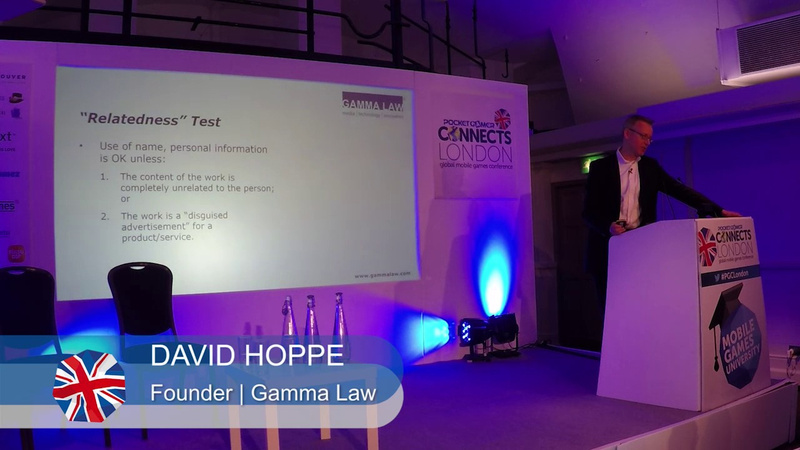
Video games and public figures: Legal update 2017
The legal landscape regarding the use of celebrity likenesses, names, and personas in video games remains highly unpredictable within the United States.
- Developers face significant financial risk for using celebrity likenesses, evidenced by a 60-million-dollar settlement paid to athletes in EA Sports litigation and a 15-million-dollar verdict against a comic book author.
- Courts lack a consistent legal framework for publicity rights, with outcomes ranging from protecting creative expression to massive judgments, such as the 403,000-dollar award against Samsung for a robot depiction of Vanna White.
- The primary risk factor for litigation is the developer's intent; if the inclusion of a persona is perceived as a strategy to leverage fame for audience attraction, courts are increasingly likely to rule against the developer.
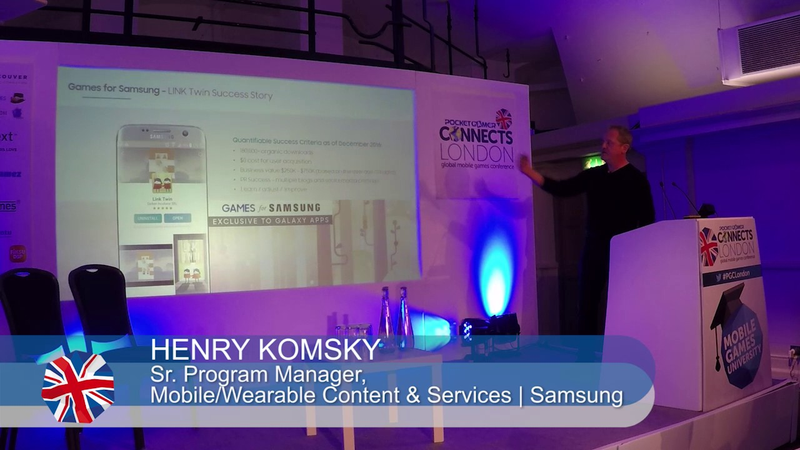
What is the Games For Samsung initiative?
The Games for Samsung initiative is a strategic developer program designed to help indie studios and smaller developers build a substantial, engaged user base for new mobile titles.
- The Games for Samsung initiative offers indie developers promotional support and high-visibility placement in the Galaxy Apps store in exchange for 90 days of platform exclusivity.
- Participating developers receive four weeks of banner placements, social media campaigns, dedicated PR, and white-glove technical support to help reach a performance goal of 100,000 downloads.
- To qualify, developers must submit brand-new titles for an internal review and implement a functional monetization model, preferably using the Samsung billing system for in-app purchases.
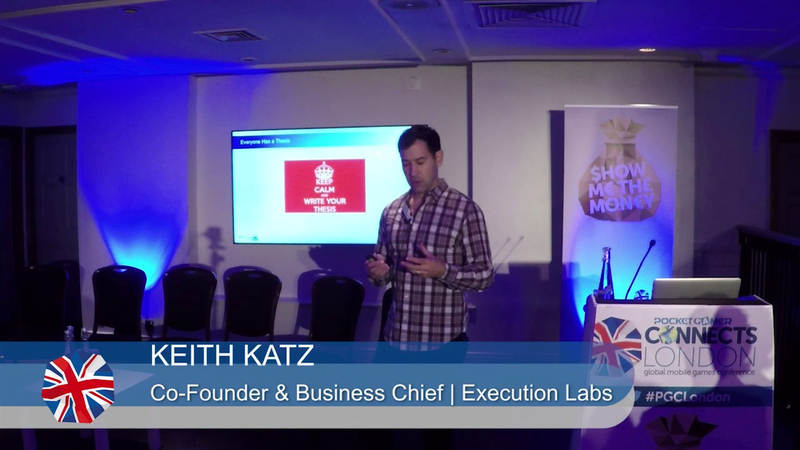
Why investors say “No” to game studios when they come asking for investment
Securing investment for game studios requires a clear understanding of the fundamental differences between equity investors and publishers.
- Equity investors prioritize the long-term scalability and exit potential of the studio as a company, whereas publishers act as royalty investors focused on the commercial viability of individual projects.
- Studios often face rejection by misaligning their funding requests, such as approaching equity firms for project-specific funding or publishers before a project reaches the beta or soft-launch phase.
- Equity investors view business models based on CPI arbitrage as unsustainable, preferring studios that build technical or IP-based advantages through a 'scaffolding' series of projects.
Mergers and acquisitions in games: Lessons from the field
Mergers and acquisitions in the gaming industry function as complex, long-term partnerships that require rigorous preparation, realistic expectations, and carefully aligned incentives.
- Successful M&A in the gaming industry depends on strategic alignment of product portfolios, operational synergies, and human capital rather than raw financial deal value.
- Acquisitions are most effective when they leverage complementary strengths, such as centralizing shared services like marketing and quality assurance, rather than merging studios with direct operational overlap.
- The M&A process typically requires a six-month timeline, during which the acquirer must conduct extensive due diligence and the target firm must provide comprehensive legal and financial documentation.
The Law of Ideas in Game Development
Intellectual property management in the game development industry relies on a nuanced understanding of how legal protections apply to creative and functional assets.
- Establishing a clear chain of title through documented ownership, licenses, and work-for-hire agreements is the most critical operational requirement for securing insurance and facilitating future funding or acquisitions.
- Copyright law protects only expressions fixed in a tangible medium, meaning abstract game concepts and mechanics are generally ineligible for legal protection.
- Developers should prioritize the maintenance of trade secrets through rigorous internal security protocols and non-disclosure agreements as a cost-effective alternative to expensive patent litigation.
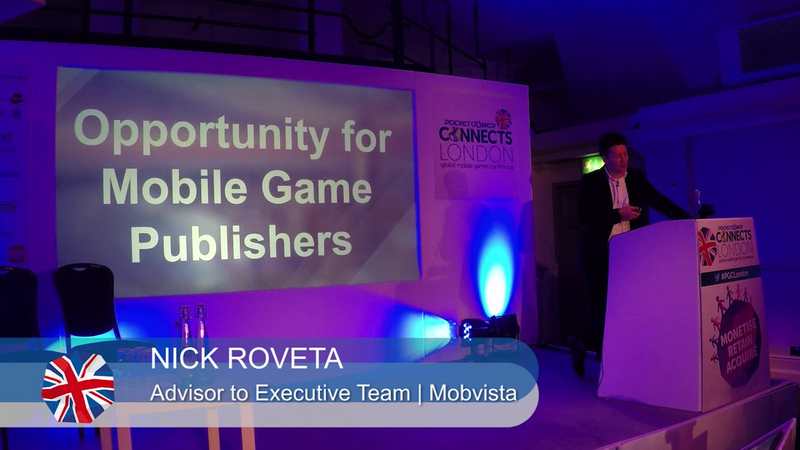
2017 Advertising Megatrends
The digital advertising landscape underwent a significant shift in 2016 as digital spending surpassed television, a milestone previously not expected until 2017 or 2018.
- Digital advertising spending surpassed television in 2016, a shift accelerated by mobile-first audience migration in the Asia-Pacific region.
- Mobile advertising is forecast to grow from $28 billion in 2016 to $50 billion by 2018, while desktop advertising growth remains stagnant.
- Facebook, Google, and Snapchat captured 70 percent of the $77 billion U.S. mobile advertising market in 2016 by utilizing closed-loop ecosystems that eliminate intermediaries.
What To Do When You've Been Hacked
Game studios must transition from reactive security postures to proactive operational frameworks to effectively manage the inevitable reality of cyber incidents.
- Shift from reactive security to proactive operational frameworks by establishing a Directly Responsible Individual (DRI) model and cross-training teams to eliminate single-person dependencies.
- Minimize organizational liability by strictly limiting the collection of sensitive customer data and identifying bottlenecks within build and deployment pipelines.
- Maintain business continuity during a breach by utilizing pre-approved talking points and designating a single, authoritative spokesperson to ensure messaging is structured, factual, and unambiguous.
How to Make and Self-Publish a Game in 12 Months
Achieving a successful game launch within a twelve-month window requires a disciplined approach to project management, characterized by rigorous scheduling and the willingness to excise non-essential features to preserve core development timelines.
- Achieve a 12-month development cycle by strictly prioritizing core features and cutting non-essential elements to maintain the project schedule.
- Mitigate technical and financial risks by utilizing familiar technology stacks and vetting contractors exclusively through established professional networks.
- Maintain high-quality art production with limited internal resources by outsourcing tasks to trusted former colleagues.

State of the Polish Video Game Industry 2017
The Polish video game industry in 2017 represents a maturing, vital pillar of the national economy, characterized by a transition toward professionalized business structures and global competitiveness.
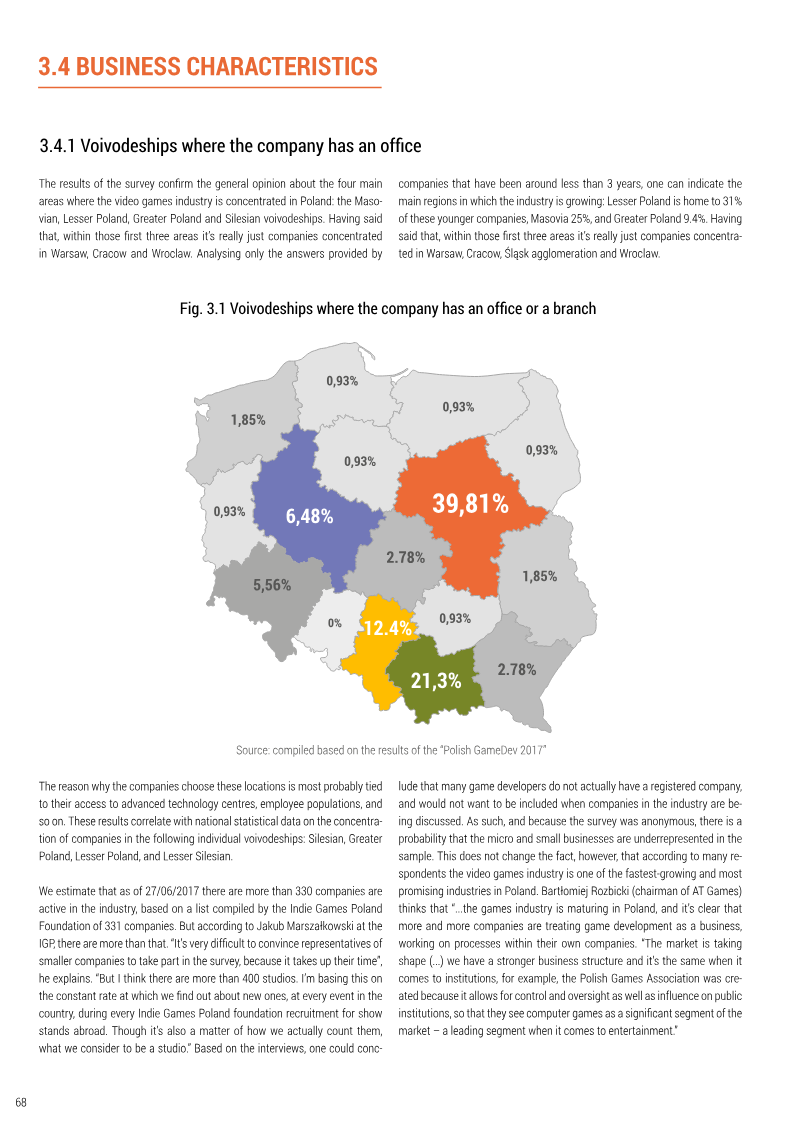
- The Polish video game industry is growing, with 13 companies listed on the Warsaw Stock Exchange (WSE) having a combined worth of nearly PLN 9.5 billion and generating PLN 270 million in earnings last year. These WSE-listed developers contributed over PLN 67 million in taxes to the Polish treasury in 2016.
- Poland is a significant test market for game soft launches, particularly for mobile games, due to its comparable market significance to the US, UK, or Germany, and lower user acquisition costs compared to Western or Asian markets. While the percentage of paying players and amounts spent are lower than in Western Europe or North America, the gap is narrowing.
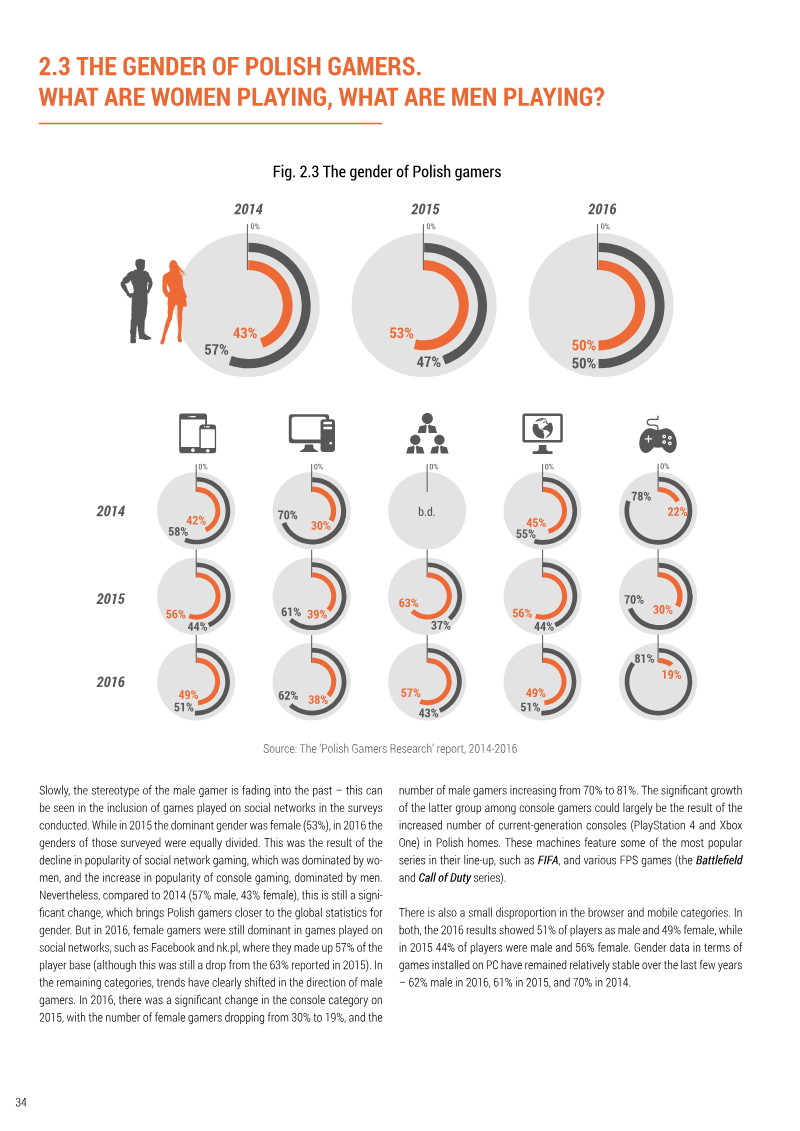
- The PlayStation brand, especially the PS4, dominates the console market in Poland, significantly outselling Xbox One. This trend is partly attributed to the high system requirements of cross-platform titles like The Witcher 3: Wild Hunt, which encouraged many PC players to switch to consoles for a smaller hardware investment.
PG Connects Helsinki 2016: The winners of the Pocket Jam and Very Big Indie Pitch
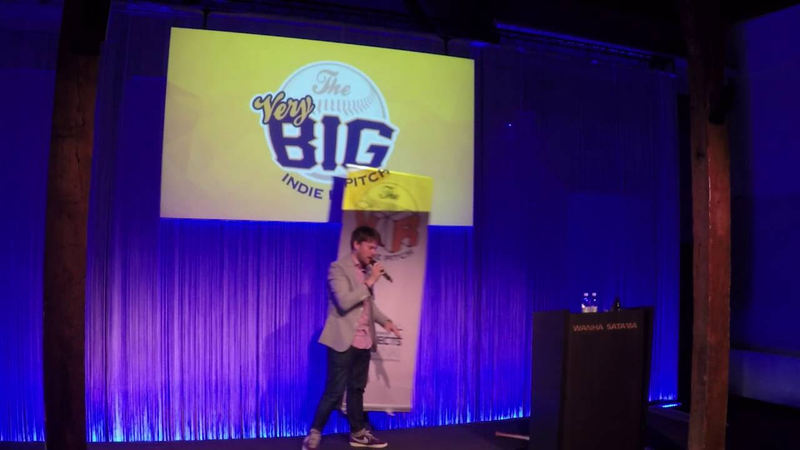
The Pocket Gamer Connects Helsinki 2016 conference concluded with the announcement of winners for the Pocket Jam and the Very Big Indie Pitch.
- The Very Big Indie Pitch featured 37 developers, with Wave 7 Games' 'Die Fish' taking first place, followed by Scion Games' 'Antidote' and IMobile Games' 'Skid Storm'.
- The VR Indie Pitch, introduced to address the growing trend in virtual reality, evaluated 12 games and awarded first place to 'Nemesis Perspective'.
- The Pocket Jam challenged 22 developers to create games based on the theme 'Juicy Tap' in 30 hours, with the winning team, 'Juicy Pipes', receiving $1,000 in advertising credit.
Planning for the next four years after releasing a mobile indie success
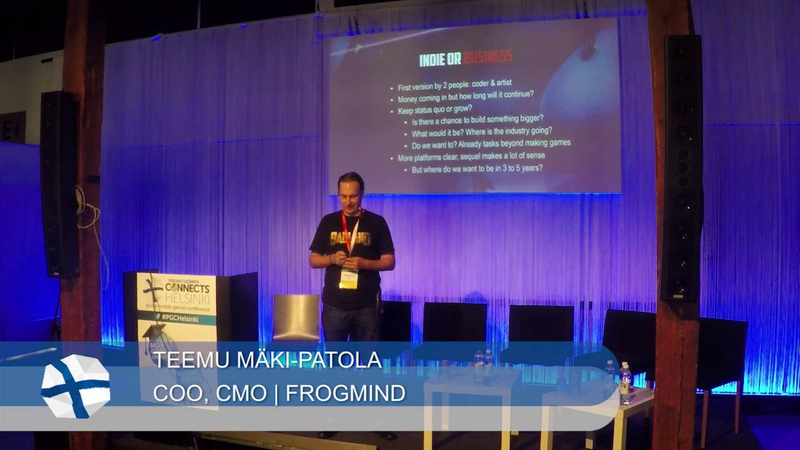
The mobile game studio behind the hit title Badland provides a case study on scaling an independent development company following a major commercial success.
- Mobile game sales tails have compressed significantly, dropping from an 18-month lifespan for the original Badland title to approximately three months for newer releases.
- Diversification is essential for sustainability, as Badland achieved 40 million total installs with 95% of revenue generated from iOS and Android platforms.
- Android can outperform iOS in daily revenue when utilizing a hybrid monetization model that combines advertisements with in-app purchases.
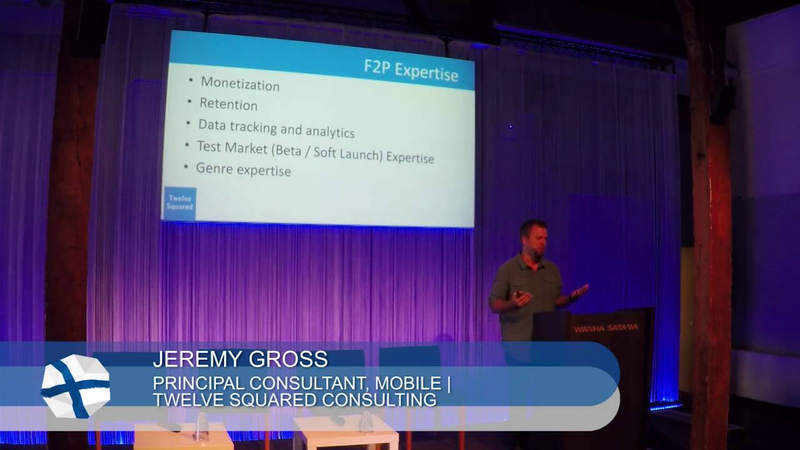
To self-publish or find a publisher: Questions developers should ask themselves
Deciding whether to self-publish or partner with a publisher is a complex strategic choice that lacks a universal solution.
- Success in publishing depends on aligning a studio's internal capabilities—specifically in free-to-play mechanics, data analytics, and project management—with the specific requirements of the project.
- Financial runway must extend beyond the initial development phase to cover the critical soft-launch period, allowing for necessary iterations based on performance data.
- Developers should integrate free-to-play design expertise into the development process from day one rather than attempting to add it as an afterthought.