1 free read left. Create a free account for unlimited reading + AI research.
Create free account
Mergers and acquisitions in games: Lessons from the field
Key insights
6 takeaways- 01Successful M&A in the gaming industry depends on strategic alignment of product portfolios, operational synergies, and human capital rather than raw financial deal value.
- 02Acquisitions are most effective when they leverage complementary strengths, such as centralizing shared services like marketing and quality assurance, rather than merging studios with direct operational overlap.
- 03Management teams must clearly define their primary motivations for acquisition—such as geographic expansion, technology acquisition, or talent recruitment—to justify the significant time and distraction the process imposes on the business.
- 04To ensure long-term success, parties should utilize earn-out structures that tie future compensation to specific performance milestones, aligning incentives to reduce reliance on rigid contracts.
- 05Cultural differences between international firms can be successfully mitigated by establishing a shared professional language and a unified focus on core game development objectives.
- 06The M&A process typically requires a six-month timeline, during which the acquirer must conduct extensive due diligence and the target firm must provide comprehensive legal and financial documentation.
Ask AI about this video
Transcript
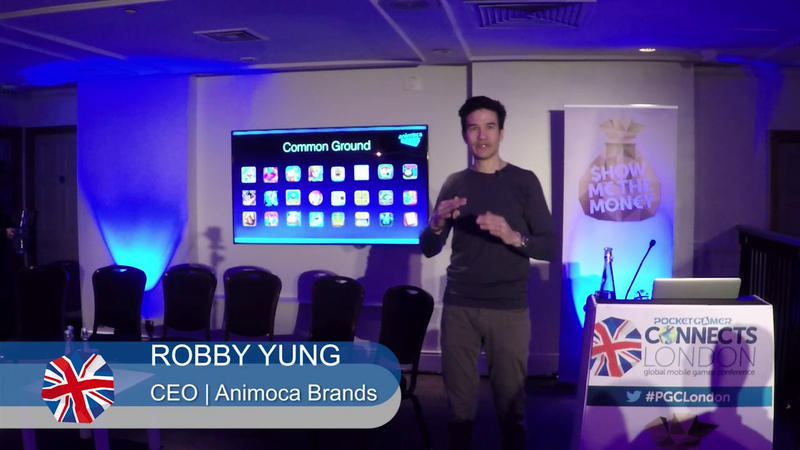
[Music] good morning everyone thank you for coming I think you know obviously is like it was joking with Shum he took a took a couple of my figures and slide so I'm going to repeat a few things about the industry and but hopefully I give you a little bit of insight particularly in just some of the experiences that I've had not just in the in the past but also this past year because as John mentioned we did do a deal that he advised on acquiring a Finnish company called secret earlier this year and let me give you just a quick overview of sorry of who we are for some reason it lurched slave let me try this one in fact
no sorry can I get some tech support maybe it doesn't seem to be adventure so anyway about a we're a hong kong-based publisher and developer of games we've been around since 2009 and I think we're best known for casual free to play oh there we go brilliant thank you and particularly working with brand so we license third party intellectual property and then we create original game featuring those brands in our game we're just a mobile player and we distribute our games on a global basis and I think in terms of the brand there
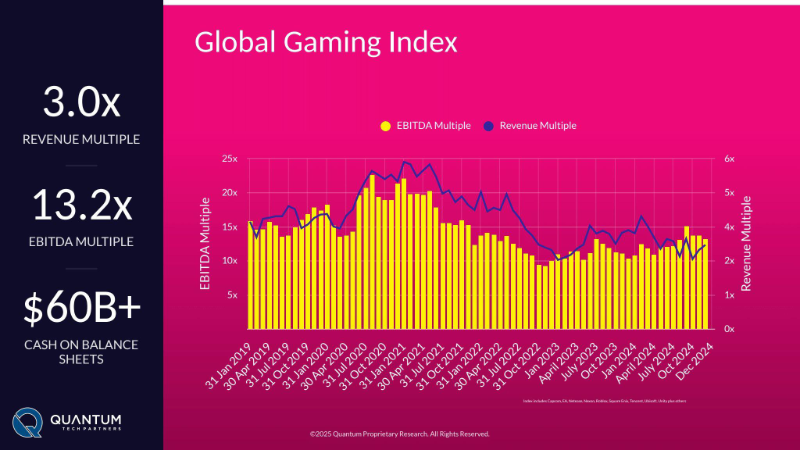
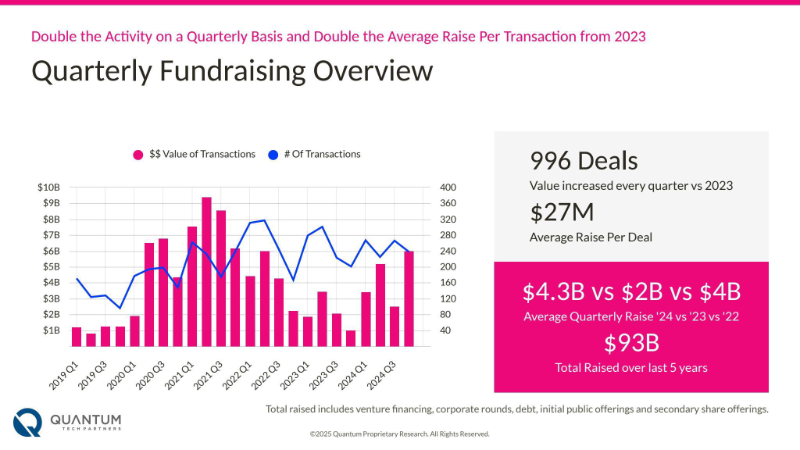
are some of the characters that you might be familiar with sometimes they're from anime or cartoons film television etc and we leverage these brands to create original games as I said so I'm here this morning to talk a little bit about mergers and acquisitions specifically I wanted to talk about it more from the perspective not so much of the dealmakers perspective but the perspective of those who are either acquiring or being acquired and some of the considerations that I think you have to keep in mind to think about whether the process is right for you miss you know as sort of my repeat of some of the things that shaman said this is Kim arrow slides on field value and deal sides for the year and I think and I'm going to skip through this quickly since we went through it my comment on the M&A market is to reiterate what some said 20 billion dollars of value doesn't really
tell us anything about the health of the market in my opinion because it's based on four or five field and so I think most of the markets and the activity that happens with the largest number of players in terms of M&A we don't actually fear about those deals because those are all generally private deals I mean we acquired a company called pictus which we made a public announcement out because we're a public company but most of you probably never heard about it because we're public in Australia think this is in Finland and it's a big world and it's a relatively small deal right didn't attract much attention so I think there's a lot that goes unsaid when we look at overall market value it doesn't doesn't necessarily tell us what the volume of transactions is and whether there are a lot of you know mergers and acquisitions going on on a day-to-day basis but I want to talk about merging so in my mind when we think about how to merge two businesses it's a lot frankly like a marriage right
and I think you have to go into it with your eyes open right doing an M&A deal is much harder work than you think it's not just all hot and heavy breathing and excitement and passion to men that's it it's hard work and you got a flaw get through and those of you who are married will know what I'm talking about it requires people to have realistic expectations right everybody thinks during that honeymoon period that things will always go well but you have to think about what is it that we really want out of this relationship what is my goal of putting this partnership together right the negotiations can be very protracted right and this is a big consideration when it comes to cost because the longer you take to negotiate it's a distraction for management is a distraction particularly for senior management and so when you think about that that's time you're not been spending focusing on developing products or managing your team etc so there is a
cost to that and it's not just how much am I paying our lawyers or how much of I spending on on the deal to acquire this business and most importantly what happens if this doesn't work out so make sure that your terms are negotiated in such a way that you provide for the fact that well this may not work out right so unlike a marriage we have to be very realistic because the is the transaction right so think about why it is that you may want to do a deal what kind of motivation do you have am I trying to increase my geographic reach right Amaya's Chinese company like we're a Hong Kong company are we trying to reach out to Northern European audiences for example by buying a Finnish company or am I trying to reach different demographics or different game markets I'm a casual game maker would I be interested in acquiring a hardcore game maker for example if I think about
product Nick okay is this the case where maybe I want to have new technology that somebody else has developed maybe I want some ad tech for example as part of my offering together with my games because it's a great way to have economies of scale so my user acquisition so there may be some technical aspects to it there may be stars right you're looking in that Kobe in 1996 for those of you who don't know there may be stars that you want to recruit an M&A is a great way to acquire talent actually because maybe they want to come together with their key and you see a great you know opportunity to acquire an indie with a bunch of you know hot developers and engineers and it's a great way to make them part of your team because they would not accept merely a job offer from you right and then the last one of course is from the acquire ease perspective maybe you're looking for
capital to grow your business to launch new products or from the acquirers perspective maybe you're looking to acquire profit because this is a great handsomely profitable business that you would like to acquire and add to your stable I think overall you have to think about what are those motivations what are those things that I can put together because those motivations will help you figure out what are the incentives that I'm going to put in my deal because the package the deal properly the key is to get the incentives right and this is something that I can tell you from a lot of personal experience you know being based in Asia I think Chinese companies often end up with a not undeserved reputation amongst Western companies of being a little bit loose about interpretation of contracts I'll leave it at that now this is obviously a cultural difference but I think the
thing is it points to the necessity of incentives because one of the things that as a Chinese business person I focused on is aligning incentives and deals so that what happens if people don't adhere to the contract well if they're all incentivized to swim in the same direction then the contract is less important because the motivations of the parties are both aligned to first do the same goal and I know that sounds very elementary but it is really critical to deal structuring because if the ascent in incentives are not aligned then you end up with a lot of problems right so you want to figure out in your compensation structure how do you compensate staff you give them equity to align the incentives do you give them an ounce is the profit profitability of the acquired company a key motivator and or do you want them to produce particular kind product you want them to what are the targets and the goals in the milestone and can you align the incentives along
with that so let me talk about our deal with tickets briefly before i close we acquired tickets last summer and tickets with a small independent gaming studio in Finland and I think when we first start started discussing with tickets one of the things that we wanted to find with common ground and kicked it is a maker of casual games and consider for example some of our casual game is where free-to-play casual game maker and take this is the free-to-play casual game maker so on the surface we both make similar kinds of games that suit similar kinds of audiences so we understand each other's businesses but when we look a little bit more deeply actually our games some of them you see on the left side typically all have brands in them and the brand help us to build a long tail because they have good organic discovery so people are constantly downloading a game even long after they've launched in the case of tickets
portfolio and they have a lot of games which are based on traditional and game format card game puzzle game things like mahjong and solitaire and pseudo poop that also have very good organic discovery so it turns out in the dynamics of the games that they chose to build also are similar to our games in that they have a long tail of revenues they have a good organic discovery path and a long life cycle no in fact not just at the surface but a couple of level level down we found that our game portfolios actually have a lot of energy so this was something that was important for us because as we consider putting two businesses together we have a product mix that works because they're similar but there's actually not direct conflict and direct overlap so we found it to be very complimentary now in terms of cultural differences obviously you know the major one there in Finland where it becomes
we're a bunch of Cantonese speaking Chinese people there are a bunch of swedish-speaking finns we're different right but at the end of the day we make the same product and we all speak English in our offices typically because it's the language of our industry and and we all speak gaming frankly because we're all developers so we found actually that there were less differences than we expected there were there are still some of course cultural differences and that came clear in the negotiation because we had different expectations and different appetite for risk but I think overall to our surprise and I guess because of the nature of our industry we found that the cultural differences we're not as great as we expected now as far as the rationale for the deal and the collaboration I think we really saw to been a major benefit the first one is like any human resources driven business rights we're
all about team and fat we're not a manufacturer of widgets we're about creating creative intellectual property so the more smart people we can have around the table the better it is for our business so increasing the size of that pie by bringing the tickets family into the portfolio what that allows is that when we have brainstorming meetings when we have new products for testing we've got now another ten smart experience people who can go and evaluate the products you can contribute at the meeting who can brainstorm with us who see things from a slightly different perspective than we do because there's different cultural backgrounds they have different experiences developing games so it makes us better developers we've got more people smart people around the table so I think that that's the fundamental sort of value add that I see for the relationship the second part is more operational so keep it in a
small firm and they don't have dedicated resources for certain types of things that we do QA user acquisition marketing distribution phenom these are not these are functions where people would wear multiple hats at secret previously and so this is an area where as we come together now and they can focus strictly on game development and operation which is their forte and we can handle the QA and the user acquisition and things like that on our side where we have dedicated teams to do that so there's a lot of operational energy when it comes to putting the two businesses together in matches in terms of how long this takes the process for us took about six months and to em and I'd say this is reasonably averaged for a deal unless you're doing a big mega deal but I think the most important thing is as I said before with the marriage slide this was a deal when
we went into it that everybody said yes this should take three or four months and it took six so go in with realistic expectations these things take time they are a distraction albeit a good distraction but they do require a strong investment of time and resources and so going with your eyes open and then for acquire you I'd say the most important thing is I just tried to put together a quick checklist of things which is to make sure that you're ready right a lot of people think oh this would be great if somebody came along and acquired us and the first thing that you'll get from somebody who's who's an experienced acquire roar is a list of speedy questions and it is going to be 15 20 pages long you know legal line question and that's a lot of material to prepare and if you're a small firm you're going to end up wiped out because you're going to have two or three people working on just collating legal documents and making spreadsheets all day long and because that's what's going to be expected so
make sure you're prepared and there's a lot of due diligence you have to think through the whole process you know if your business timeline and what milestones you know ash um was saying in the earlier presentation small the mid-sized deals will always have an earn-out components because everybody wants the business is the head in the same direction so you have to be willing to think what am i what can I commit to in my business I may have a great new title that's just launched but this acquirer is going to hold me accountable for the fact that i'm going to hit five hundred thousand dollars in revenue or a million dollars in revenue and if i don't there's going to be a financial penalty because we will structure that in the deal so I as the acquire II need to know what are my targets and what am I going to be willing to commit to on paper because that's what's going to be asked of me so I think you've got to think through all those things before you actually start to have the conversations because otherwise things will drag right so that would be my recommendation so thank you very much if anybody has any questions please playing
it you you
Summary
Mergers and acquisitions in the gaming industry function as complex, long-term partnerships that require rigorous preparation, realistic expectations, and carefully aligned incentives. The primary thesis is that successful M&A activity relies less on the raw financial value of a deal and more on the strategic alignment of product portfolios, operational synergies, and human capital. Because these transactions are time-intensive and act as significant distractions for management, participants must approach the process with a clear understanding of their motivations—whether seeking geographic expansion, new technology, talent acquisition, or increased profitability.
Key findings emphasize that the most effective deals are built on complementary strengths rather than direct overlap. For instance, acquiring a studio with a similar focus on casual, free-to-play titles can provide operational efficiencies, such as centralizing quality assurance, user acquisition, and marketing, allowing the acquired team to focus exclusively on development. Furthermore, while cultural differences between international firms—such as a Hong Kong-based publisher and a Finnish studio—are often cited as risks, these can be mitigated by a shared professional language and a common focus on game development.
The process typically spans six months, during which time the acquirer must conduct extensive due diligence. For the entity being acquired, readiness is paramount; firms must be prepared to provide comprehensive legal and financial documentation and accept earn-out structures that tie future compensation to specific performance milestones. Ultimately, the success of an acquisition is determined by the ability to align the incentives of both parties, ensuring that all stakeholders are motivated to pursue the same long-term goals, thereby reducing reliance on rigid contractual enforcement.




















Comments