1 free read left. Create a free account for unlimited reading + AI research.
Create free account
To self-publish or find a publisher: Questions developers should ask themselves
Key insights
6 takeaways- 01Financial runway must extend beyond the initial development phase to cover the critical soft-launch period, allowing for necessary iterations based on performance data.
- 02Success in publishing depends on aligning a studio's internal capabilities—specifically in free-to-play mechanics, data analytics, and project management—with the specific requirements of the project.
- 03Studios must avoid the common pitfall of prioritizing user acquisition at the expense of foundational monetization and retention metrics.
- 04Data tracking should be purposeful and lean, as collecting overly complex, unanalyzable data wastes valuable engineering resources.
- 05Regardless of the chosen publishing model, studios must build in-house expertise to effectively vet external feedback and maintain control over their business trajectory.
- 06Developers should integrate free-to-play design expertise into the development process from day one rather than attempting to add it as an afterthought.
Ask AI about this video
Transcript
[Music] so what I'm gonna be talking about today is the question of whether to self-publisher to find a publisher and really from the standpoint of how you should look at yourself as a developer as a studio one thing that I think is key is there's really no one answer fits all I've certainly seen a lot of people say that there is I've been at conferences where back-to-back you'll have a speaker saying no matter what you should always self publish and they book the guy after he says you should always find a publisher no matter what and I would say that you know it's it's never as simple as that for an individual studio one might make sense but I think it's a lot more complex and I think the really important thing to look at is who you are as a developer what your skill set is what you're lacking what you're looking for in a publisher and that's kind of what I'll be talking about briefly Who am I to be talking about this so I've been in mobile gaming since 2004 when I joined Jam dad they were later acquired by EA at about nine years and kind of external development with
him as it's been a couple years at Kongregate doing helping them build up their mobile publishing business and out for the last year and a half I've been consulting working directly with a handful of free-to-play developers so I've kind of been on both sides of the equation for quite a while it's kind of the quick overview of what I'll be going into and kind of looking at how to evaluate yourself as a developer a big part is what are your goals for the game and really being realistic there what would you be looking for in a publisher or why are the reasons that you're not looking for a publisher what you don't know what you can't do sometimes obviously as people have said it's hard to know what you don't know but really taking a step back and looking at all the parts that are involved in publishing a successful game whether that's yourself or elsewhere your willingness to compromise financial runway and and so forth so obviously a big thing is really knowing what your goals are and I think you know one key goal ideally is gonna be finance right you want to actually make some money with your game and if you are talking to publishers I think it's really important to be aligned on what this looks like you know if you're in a scenario where if you launch say a top 150 grossing game and that's a great
business for your studio you know you can pay your team you can put money in the coffers for the next project but you sign with the publisher and their expectation is to be top 50 or top 75 now you've launched your top 125 right you're exceeding your goals as a studio you're really happy but for the publisher you're underperforming and you might actually now slot lower than one of their other games that you were supposed to be outperforming and so you as the developer quite happy but your publishers not and you might not be getting kind of what you're looking for out of that partnership and it can be a big issue so really being well aligned is really critical and being realistic in your goals and certainly there's a lot of other goals other than financial whether that's getting visibility creating a new brand downloads maybe you're looking to get acquired at some point if you are talking to publishers you know any of those other goals probably don't matter that much to them so you know the kind of things you might look for from a publisher or from yourself right I think a lot of it gets overlooked and people really just think about installs but there's a lot more that goes into that which I'll talk to you so one of the key things when you look at it building out a game and what
you have is obviously money and funding you know do you have a financial runway in place to build that game and I think it's critically you don't just have you know the eight to twelve months of funding to build your game but if you go into soft launch and you find out that you actually do need to do a lot more to your title that you still have the money to do it certainly publishers are way to do that but there are publishers that will never be involved in funding they won't do much funding often if you want to go an investment route you have more control over it so it's important to kind of make sure you have the runway upfront and there's various ways to go about getting that [Applause] installs is obviously a critical part if you've made a game you've worked it out for a while you want users in there because that's kind of the point I do think one common mistake is that the only relevant thing when looking at whether or not to publish or self publish is your ability to get installs in a game I've worked with a company who several years ago they worked with a publisher they launched a game it was launched into a pretty pretty crowded genre and they never really cracked the install not the LTVs and that game were actually pretty good but because it was such a crowded marketplace they couldn't
really do a lot of successful paid you a they didn't really get a lot of featuring out of it and so they never really got a bunch of installs but they kept working on the game over time working on the metrics and eventually the game was profitable and so when I started working on their next game what they felt like they learned from the first game where they did work with the publisher was that they weren't really able to to crack that nut of installs they weren't able to do paid you a they felt like with their next project if they find a way self-publishing to get installs that that would be a metric of success for them so but their next project they took what they learned and they made a game that was more unique it was very fun their early user experience was great it was very marketable and approachable but they didn't really build themselves enough of a financial runway so when they got into soft launch they weren't able to really take the months they needed to tweak the game so they went ahead and pushed this game live and and they got great featuring around the world they got a whole bunch of installs which as I said was the main thing they were trying to do with game number two but because they skipped a lot of these other steps they ended up having game that didn't monetize and it ended up being a significantly worse
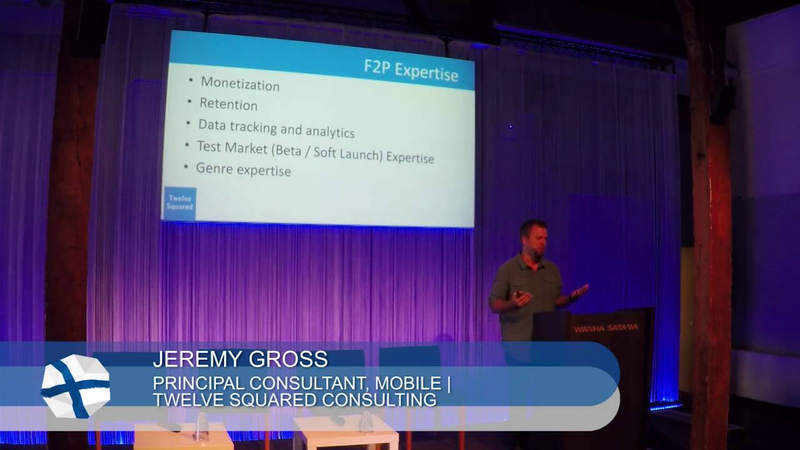
business than the game they did before and so they self-published and they did the thing that's often considered the hardest which is getting a lot of installs but then they kind of skipped all those other steps and didn't really realize all the other value they were getting in other places and and they weren't really taking out onto account and so it's you know it's really important to look at all those things and also to make sure that as you do multiple projects that you're actually taking the right lessons from what your last game did or didn't do well you know obviously there's a lot that goes into installs any one of these topics user acquisition marketing you know platform relations can be its own talk and obviously it's critical but there's a lot more to it so free-to-play expertise is obviously a big part of it as I was kind of just talking about in that last example you know whether you're looking at how you're gonna monetize the game what to sell how to sell it how to run events I think you know users are getting continue to get much more intelligent and there's a lot more ways to monetize so being able to do all that well is important and I think there's a lot of studios that that spend you know a year or six months or whatever time it is making a great game and then feel and then they kind of come in later to kind of add in the monetization add in the
retention hooks but that really just doesn't work right you you really wouldn't want to know that upfront ideally these are skills that you have in-house and if not you know you want to find a way to do it as far as data tracking I've worked with Studios that they understand how important it is to track data and do analytics I think you know it's hard it's hard not to realize how important that is these days and free-to-play but I've seen teams that they don't really quite know what they should be tracking or how to track and they end up tracking everything and in ways that are so complex they can't do anything about it I saw a game they basically did these really complex matrices to see you know every item in the game that every character had in every single stat basically it would have taken that lead engineers time we implemented it to try to parse this data in some way so data was never used and it was wasting engineering time so you know really kind of knowing what to track and how to track and then ultimately how to analyze it is certainly a critical part of doing this test market obviously you want to have the expertise to run it to do a soft launch and really to take the time to do it I think anytime you're kind of rushing through a test market and not taking the time to learn that data
you're doing a disservice right regardless of whether you're publishing yourself or do it or doing outside right there's there's certainly you know companies that can help with variety of these things if you do want to go the self-publishing route but it's a critical part of it as is as a genre expertise so mobile expertise is something else that I think is important and it's in and that's not the same as free-to-play expertise I think is you know over the years as more and more companies move into mobile there's just so many aspects of it they can differ a bit whether that's specific parts of game design UI UX understanding your target audience you know I've definitely seen teams that have have built up kind of a skill set and a specific genre whether it's you know it's a certain type of tactical RPG strategy game whatnot and they've done that that game well and other platforms be it web or handheld and then they come to mobile and and they're building these great looking gorgeous fun games but they don't quite do enough to really reach that mobile audience and tweak that user base because your target audience will differ and so maybe it's a great game but it ends up being much more niche than intended so really kind of making sure that you have that mobile
expertise either in-house or that you know you find a way to get it somewhere else because I do think that continues to be important obviously there's things like device you know capabilities covered you want to hit a wide a wide range of dices localization internationalization I think regardless of whether you're initially self-publishing or using a publisher certainly there's you know lots of people that are gonna talk about all the ways you can publish you know in other regions with other sub publishers that continues to be a good way to hit lots of other markets server security you know basically there's there's lots that goes into doing this and ideally you want this either skill set in-house or you go outside another area that I see a lot of developers kind of skip is project management project management and production right when you're kind of building up your studio you're excited to hire in those engineers and those artists and maybe some designers and kind of figure well we'll just make the project it'll all work out you know we don't we don't need a schedule we're just gonna build it it's gonna be great that can be really problematic for a lot of reasons right one is we talked about your financial runway if you're not
really able to be predictable you know are you really gonna be able to afford to take the time you want to make this game if you are working with a publisher and even more importantly if you're working with a licensure or an IP holder it's really critical that you're able to actually hit some dates and deadlines right if you're trying to launch to some kind of real world IP tie-in you know you obviously won't hit that date and also when it comes to if you are able if you're not you know if you're able to completely self fund yourself and you want to take you know two years building the game you want to do it that's great like I applaud your ability to do that but that's often not the case and so you know it's really important I think to have kind of this skill set in-house to kind of make sure you're hitting it and if you do work with the publisher or if you're getting outside investment and you're on your game keeps delaying and delaying because you're not really being predictable obviously that can cause problems and it could also be an issue for future projects right even if you work with with the publisher and you launch a successful game but you you were really bad at hitting your dates and deadlines and you know you're kind of pushing out projects they might not want to work with you again so that's
you know I think I think it's easy to kind of skip past that right you're not probably gonna have every skill set in-house you know especially in the in the earlier days of you know the first couple years of a studio but I do find this when getting overlooked and and it can be quite frustrating especially from the publishing side of it so I think in general I hope I'm kind of clear that I really don't think there's one clear question or answer whether you should be self-publishing or whether you should be finding a publisher I think it's really important to kind of know who you are as a studio and what skills you don't have and find a way to get those skills or get that knowledge base and maybe that's working with the right kind of publisher you know and certainly there's lots of publishers out there a lot of them are gonna give you a lot of expertise they're gonna dig into your data you know or there's some that are really just more installs based you know and I think you want to make sure you're kind of growing your team so if you are working with the publisher on say a first game you know really try to build up that and how skillset not just so you can self-published later but the more you have that expertise in-house the better you can work with whatever third party you may or would not be working with right is involved those guys are in
your game you know they're not your in-house team living and breathing it every day so they're never going to be able to kind of know your game data as well as you would if you had that skill set you know in house sitting next to the rest of your team so that's kind of I think the gist is there's really no one answer but they really think it's important that you you really holistic look at who your team is what you do and don't know and really fill those gaps and make sure you're learning the right lessons you know as I was saying before it's really frustrating when you know team feels like the lesson they learned was they didn't get installs and then they totally crashed like they totally you know knocked it out of the park and they do great but then they realized that oh like we didn't actually do monetization right or they took some assumption and they didn't do the data or vice-versa so that's kind of the the gist so I don't know if we have time for questions but if we do I'll take them yeah questions that some is not I mean a key key thing for me is it's like just right to say the the skillset of getting content to market is
much wider than a lot of studios is that it's not just a case of sticking on to the the App Store and hoping and it's not firing forget and I think also a key part this isn't moving forward that whole free-to-play model is so intrinsically bound to games as a service exactly and that requires such a completely different way of looking at development but post development work and so if there was one key skill set that would really tip the balance which watch which one do you think would be the most important I mean I think I think if you have an in-house skill set that really understands I guess general free-to-play metrics like core monetization and retention as what you're building it in from day one and game design yeah because I think you you know you can't build a really fun game and kind of add that in later and have it be a real part of the game from beginning to end so I think really building up that skill set in-house and making sure that you're looking at it from from day one of development I think is really critically it is an era I can't quite decide on I generally agree
with you but I think the new characters I think it can add monetization after leaving but only if you basically rewrite the game exactly that's but there's a kind of reason for doing it because I think a lot of Indies have a particular my opportunity Indies I mean not just in these particular letís have a mindset that this is the game I want to make I want to make this game it's Monkey Island meets more you know clash of Clan so crazy idea nobody make that seriously nobody make that I'm not gonna reset and that's the game I want to make oh I made it all by the way oh you're coming money out of it okay well we make that we pre played in well that's a whole exercising game design exactly right there and that might be worthwhile doing sure and I've certainly seen success with that right a team spends a year and a half making this great game thinking now we're gonna find a publisher launch to three months but really you have another year a year and a half to actually make it be a viable business sexy yeah Mike you had your hand up should we get you a Mike
hit Mike Mike these Goods being recorded thank you well that kind of talks to my question it's really hard for me to find a publisher early enough for my product cycle where I can actually adopt some of those early design phase elements most of the time publishers are only willing to talk to me when I've got something that's 90% done and then they want me to rip it apart and start putting in stuff their way that that seems awkward at best yeah you know I've seen in different sides of it I think depending on I mean as a publisher the earlier you sign a game you're taking on more risk because you don't know the final project right so if it looks like the upside rewards high enough you can't get involved earlier or often what you'll see is if it is very early in development it's not quite at the point where it can be signed you might get a lot of feedback where you know we don't want to sign you now we like what you're doing come back in you know three months five months X number of months with these things here's some input and let's see what it can become and so you can kind of get some of that input early on
hoping there's a later business but it can vary a bit is to do because how do you tell the difference between feedback from that publisher which is actually useful yeah versus feedback which is based on something it worked in some other game three years ago that they happen to like sure and that goes back to what what's your internal skill set as a dev to even be able to vet and use that feedback exact some of it's probably great and some of it's probably outdated crap yeah and this is a kind of interesting thing I think about the stage where at one this early early kind of indeed Sahu coming in fresh don't have the history and legacy which can work in their favor to be disruptive so yeah anyway on that note I'm going to thank Joe fantastic [Music]
Summary
Deciding whether to self-publish or partner with a publisher is a complex strategic choice that lacks a universal solution. Developers must conduct a candid internal audit of their studio’s capabilities, financial runway, and long-term goals. The primary thesis is that success depends on aligning the studio’s internal skill sets—specifically regarding free-to-play mechanics, data analytics, and project management—with the specific needs of the project. Relying solely on a publisher to solve deficiencies in game design or monetization often leads to misalignment, as publishers may prioritize different performance metrics than the developers.
Key findings emphasize that financial runway must extend beyond the initial development phase to include the critical soft-launch period, where developers often need to iterate based on performance data. A common pitfall is focusing exclusively on user acquisition while neglecting the foundational elements of monetization and retention. Furthermore, data tracking must be purposeful; collecting overly complex, unanalyzable data wastes engineering resources. The industry landscape, particularly in mobile, requires specialized expertise in free-to-play design, which must be integrated into the development process from day one rather than added as an afterthought.
The scope of this analysis covers the mobile gaming industry, with a focus on the challenges faced by independent studios. The methodology relies on professional experience in consulting and publishing, highlighting real-world examples where studios failed to balance technical development with business-side execution. The analysis concludes that even when working with a publisher, developers should strive to build in-house expertise. This internal knowledge base is essential for vetting external feedback and ensuring that the studio can effectively manage its own business trajectory, regardless of the chosen publishing model.