1 free read left. Create a free account for unlimited reading + AI research.
Create free account
Planning for the next four years after releasing a mobile indie success
Key insights
6 takeaways- 01Mobile game sales tails have compressed significantly, dropping from an 18-month lifespan for the original Badland title to approximately three months for newer releases.
- 02Diversification is essential for sustainability, as Badland achieved 40 million total installs with 95% of revenue generated from iOS and Android platforms.
- 03Android can outperform iOS in daily revenue when utilizing a hybrid monetization model that combines advertisements with in-app purchases.
- 04Long-term growth is achievable through organic discovery and direct platform-holder engagement rather than relying on heavy user acquisition spending.
- 05Console ports may offer brand prestige but often yield low financial returns, accounting for less than 10% of the studio's total revenue.
- 06Scaling a studio from two to 14 employees requires the discipline to cancel underperforming projects, such as the year-long free-to-play title abandoned for lacking core engagement.
Ask AI about this video
Transcript
[Music] thanks for sticking sticking here until the kind of last talks so um yeah I'm I'm from front mind and we are studio founded in 2012 and I'm here to kind of show the angle of like what happened after making an indie head hit so what have you been doing after that and what's our plan now and what has worked and what hasn't worked so well and just a quick question just to know a little bit of you guys like how many of you are developers publishers what else students ok cool some mostly developers ok so our story basically starts with
our lawns on iOS in april 2013 we want the premium game called badland it got a really good visibility in the beginning editor's choice then it afterwards got bunch of awards including Apple Design Award and I became of the year in December of that year and about nine months later we brought it onto Android with the different business models so I mean Android premium market was already really bad back then and it's pretty much non-existent now so we just put it put ads some ads in and like one unlock in-app purchase so that you can unlock the kind of equal premium version that was on iOS we basically were building a brand brand at that moment and that would have much rather taken million downloads and zero revenue than say
10,000 downloads and 20,000 in revenue but to the other Android approach work surprisingly well it's it has about 30 million at the moment and and kind of all in all it's it's one of the biggest mobile premium hits hits in the last year's with about 7 million in aggregate revenue from all of the channels after the iOS launch we featured I mean we updated it maybe once per six weeks once per four weeks with kind of really kind of consistent plan of like churning updates out every mountain and went from 40 levels to the current like kind of 200 levels and then eventually released a level editor that we use ourselves for making those levels and now players can make levels and share them in the game and we featured best levels weekly still
and and even put one level to the official kind of officer levels every week and after that we have kind of taken a test of all of the markets so it's it's it's a known all mobile my timings a little bit weird it says it's over here it's on all mobile markets and then we also to get onto all consoles except for 360 and PC Mac and Linux what about ninety percent of all of the revenues it's actually just from iOS and Android and Android here includes also amazon and humble bundles and all kinds of smaller channels so we have about from those 40 million installs that we have about 38 million so 95% are from iOS and Android and from
revenue about ninety percent is from ios and android and android this is interesting because it's been about the same every single day for the last two and a half years it's it's really like consistently twenty thousand downloads every day and and we don't we don't have the numbers to do any any user acquisition so it's it's all organic what that means it's like I don't know I don't even know exactly where it comes from is it like Google's algorithms and and all the kind of leaves in the tree that like constitute in the in the total visibility the kind of same amount every time every day and this is actually the first year that the daily revenue is is actually bigger on Android and then on iOS because it's been completely stable tire sense having about two-thirds every year like of the previous year so the tail has been pretty long
and for those who might might not know the game it's this kind of side-scrolling action adventure where you control this little furball that has a tendency to clone himself and then you can you fly this he met his his pals two different kind of brutal massacres of plates and stuff where most of them died but hopefully you will get one of them to finish the level and it starts with a kind of beautiful nature and then gets darker when you progressed in the game when kind of strange machines are coming to life live on the background and and and things are getting harder and harder for the little guys to survive so the first first version of Piland was actually done by just two people so the company was very very indie indie at the time and it was like after the after the
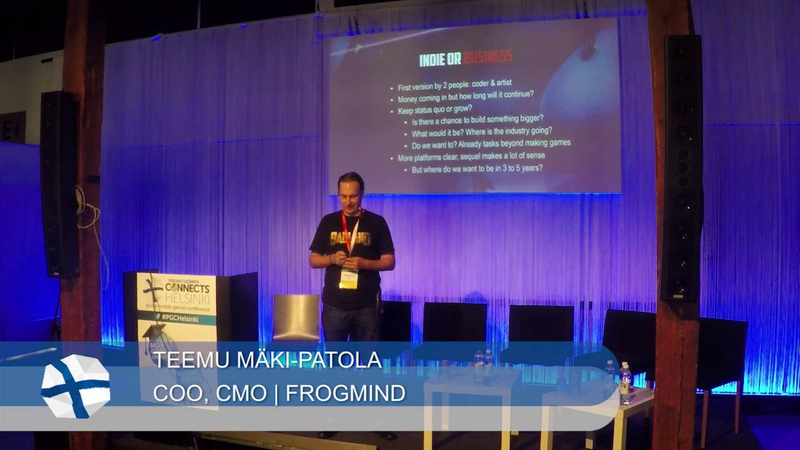
launch was a success it was like okay yeah money is coming in but how long will that actually continued to you kind of do you dare to take a little bit more risk and think that like yeah maybe we can grow something bigger out of this and try to milk the opportunity and and and make it make it bigger or producers kind of keep the status quo and be happy with having finances for your photo two people to make games for the next coming years so do you even want to make it a business or kind of stay where it's nice and just about making games and and when we when we told about it kind of more platforms at least Android was a kind of clear choice to do and probably I'm a sequel sounded like a nice idea but we try to take a look on the market and also like think like where do we want to be in in three to five years or where it's the market
going to be in three to five years and we made the decision to to grow and now we have grown from 2 to 14 people and from one team to three small teams our teams are pretty independent and that we have tried to create a culture where like they are pretty self-directed and we just have like weekly kind of overview meeting and then they decide what they do based on the feedback in that meeting and don't really force any decisions on them but yeah there were some growing pains definitely so it took her took about a year for the new people to kind of start working really kind of creatively together and kind of know each other's strengths and weaknesses and like when some some houses to get like really kind of like the brainstorming and get going at ease and be productive
so on what have you learned on the on the way and what has FERC and what hasn't so I think obviously the android stuff was pretty pretty good going going with a different business model but I'm happy that we didn't do like a try to convert the game which is inherently premium by design into a free-to-play game I don't think that would have worked it's easy to say that we could have skipped the whole huge pains of bringing the console versions and PC versions because they are like less than ten percent of the total revenue of the game and it's really like overall it's really tough going from from a mobile game to console that I'm kind of like from the casual platform the Holy platforms of gaming it's it's what is okay to do it the other way like
limbo that like your first pc game or and are on the only kind of more respectable platforms and then then put it even though this pretty much exactly the same game you put it on the on the mobile and everybody's like yeah we got a quality game here but if you do it the other way it's like there's a lot of people who said like keep this mobile crap out of here even if the case is kind of that if it was first in the console and not mobile you wouldn't even think that they said it's a mobile game to start with but yeah it was really kind of interesting to see all the markets and get the kind of comparative numbers from from all of them interestingly Xbox performed like a lot better than all three Sony platforms together in our case I think that is the case of that this is support more of the indie developers and maybe Sony is a little bit more of the AAA games
yeah we didn't get a ton of visibility there although that we got the leiden although they kind of implied that in their conversations before um we have put a lot of time on kind of peace dev and traveling and kind of talking with all kinds of opportunities and I have spent a ton of time with China because yeah it's an interesting market it's a big market this growing market severe market maybe I could have spent a little bit less time with that we have a publisher in China who has published but lenders fergie nonviolent to now for the Chinese android market iOS is ours but yeah I don't know this has been a lot of talk and like I guess I think many like discussing with other devs many have kind of included like yeah
it's you maybe shouldn't use huge amounts of time with that because usually it doesn't doesn't do so well as as it it's not so good as it sounds and we also dipped into some American dancing because we have a pretty visual product but American dancing especially for mobile games the audience is not really super loyal to mobile games so you need a really really big audience like like Angry Birds on minecraft then it then it might work but 44 game with 40 million downloads it's not nearly enough but you're one of one of the coolest things about Phineas game scene is that the developers don't seem to compete with each other and that's been really really important all those discussions and sharing of data and setting of
actual experiences of what has worked and what hasn't worked so i would definitely encourage everybody dude i have even cold called many of the foreign developers and they have been exactly the same and when i have been asking and discussing stuff so i think everybody is kind of wanting to help the other developers so you should kind of tap into that and of course share your stuff in return so if somebody of you wants to hear more of the in-depth data for instance from different markets or whatever just ask after this or come talk with me so last Christmas then we came out with with pattern too and actually two hours ago it came on the on the Android platform globally so it's a pretty fresh release on that side we licensed it too thanks
on the unprocessed with the publisher see that mobile and because we are currently we have like not too many developers still in our company and we are making many new products it's two things like we we get a little bit less use of our resources to accept every game that you make is kind of a long term commitment I mean you're going to keep updating it and developing for us and putting more more levels and content there so it's a it ties down people so when it was first launched in last Christmas it came just for the holidays and we came from totally kind of from bushes for the media's we haven't hadn't even announced anything about the game and part of the reason was that like for instance when we when we came onto the consoles we had announced it and that
announcement cut like a huge pickup but when the game actually came out and that announcement was kind of more old news and it got a lot less pick up so I specially on the mobile side which is really really noisy and lots of games coming out all the time and especially for the Christmas period we just wanted to make an announcement at the same time when you reading the announcement you can actually act on it and get the game and so this wouldn't have the maximum impact and we had had a nice metacritic over the holidays because we came from bushes and like sites didn't actually have enough time before closing shop for the holidays to review it so we gets us like the most interesting sites to review it then and then then it was locked for the next three weeks so bad onto was still premium game at five dollars at the same time we lower the price of patent 12 from 4 to 3
and it actually lifted also the sales at first badland like about forty percent for for about three months probably because like it had a good visibility in the store and people checking checking the game without knowing what is the first battle and if they didn't know the IP they probably download it cheaper one first and yeah so coming coming with the premium game out in end of 2015 was pretty nerve-wracking we didn't exactly know what to expect me we hope that to millions of pattern 1 players would would convert at least a certain extent because the game was well liked I remember vividly the night of the lawns that I was like just checking the leaderboard all the time because I that
was kind of the only data that we can get real time from how many players we have and it's really painful because the amount was really small so when I went to the work next day I had like pretty terrible lifetime estimates for the game it's which were not not going to be happy news for the studio but when we actually got the data like mid day that day from the previous day it was actually seven times speaker so it seemed that people actually paid five dollars for a game but didn't actually didn't play it there and ten like more like eighty-five percent of the people didn't didn't play after after purchasing the game they were saving it for the weekend or whatever this is she yeah so it's kind of like I mean the gaming is a roller coaster but like yeah it's lawns is a total roller coaster of emotions and fears and
expectations and hopes I mean we got super good visibility but we were still kind of unsure that like what's going to do we we knew that some of the biggest premium games were still doing okay but but it was getting tougher so the first month revenue from battling to was actually about the same and then for battened one but first eight months revenue is is is only half of what it was for burdened in 2013 and that doesn't even include Christmas game of the year sales which was really good but overall it's like it's ben martin de in the gaming news that like the detail of the sales has really gone down quite a bit it's it's really short in conversion what it was in 2013 like for battle won the midpoint of life of the lifetime value is it's probably around 18 months or so but yeah currently many
have claimed that its own only only three months from my defeat from 10 to 20 months then only three months now and i have been i have seen data from many recent premium launches that have got an okay featuring I let's say like best new games six or five or four and quite many of them are around ten thousand dollars per per the launch week this pretty which is pretty nice too because you are like in the select few who actually got featured and still it doesn't really sustain more than like a one or two in this so yeah premium is quite tough well then again free-to-play is really tough as well there are so many well-funded studios there and QA costs and all the additional elements that come to that that you have to have a but there are some some exceptions there
as well but yeah I mean like the previous present I said about the indie apocalypse the market is maturing but I think there's always kind of it starts with making really really good game and then you can then you can test it and communicate and see about important disk and you can use to come out with it definitely try to come contact platform holders sent them for instance of video like 30 seconds of actual gameplay no faking just like saying that like we are working on this kind of stuff and like where would you maybe see that would be a good launch window around these months or something like that something to take an action and like if it looks good they might just reply you so for our company we we have managed to grow revenues every year basically so
far and we know already that this year is going to be PR best best year so far although that the tails are getting shorter etc but we're on it still helps to be on lots of markets and and even the small kind of reverse I mean get get bigger together so we have taken much more risk but we're still still nicely profitable and when we were kind of taking the new direction the markets message for the free-to-play kind it was pretty clear that like that's going to dominate and then it's going to be a squeeze for the premium games so at the same time that we have developed pattern to we we actually developed our first first free-to-play project as well with kind of the feeling that like this can be much innovation to be done on kind of fair monetization and like
interesting ways of not just shopping marketing on your face but like doing it in a in a way that it gives value to the player but that that project started pretty kind of too much from the premium and and and the game design that we had had then and and we killed it after more more than a year of development it was pretty painful and the development was pretty painful too because we felt it like it's not going it's not getting fun enough it's not the core gameplay it's not good enough but once we kind of all the pain also kind of was really really good learning experience because we were like really kind of studying and thinking this is to calendar time so now that that kind of writer's block of the first project is gun we are working on multiple new games on the freedom play side as well and feel really good about them at the moment and
excited to be hopefully showing them to you guys as well in in six or so months time I guess that was the last slide yeah cool do you have any anything you want to know I glad to give the honest numbers does anyone have any questions for you finish up yep Elster hi time thanks for the talk a specific question to the monetization on Android how does the bay gate worked for you because in my own experience it's always a big fail how's it different in your case it's not a paid gate so I was like you can keep on playing the whole game just by watching that kind of ads in between of the levels yeah but you can always you always kind of get asked
first like do you want to unlock the premium or continue with ads and then if you say ok so just its removal so yeah it's basically adds removal but also if you don't do the removal then you need to get enough good enough score to open the next level box and like some kind of small entrance advisor at plus opening all levels at once ya get it but it's it's like the conversion is is crappy it's around like one percent so I mean the apps are actually making making seventy percent of the revenue and hilarity comes from me up that's why I'm asking ok thanks a lot cool any other questions always one over there this question is kind of off topic and absurd but the weird rabbiting in the background of battle and what's the story behind it it always creeps the hell out of me and yeah so the kind of story of the game happens on the
background and individuals of like what's happening with the weird animals something's maybe like I mean they looked processed at to the run which they kind of are but the map with the machines are rising in the badlands universe and I kind of like changing the nature so they are changing also the other creatures exit for you so this is messed up other animals that weren't as lucky as you chicken steak at caught when they were running that's good thank you Frank anything else that was a good question to end on say [Music]
Summary
The mobile game studio behind the hit title Badland provides a case study on scaling an independent development company following a major commercial success. The primary objective is to evaluate strategies for long-term sustainability in a competitive market, specifically focusing on the transition from a two-person team to a 14-person studio managing multiple projects. The core thesis emphasizes that while premium mobile games face a shrinking sales tail, success remains possible through consistent content updates, multi-platform expansion, and a strategic pivot toward fair, value-driven free-to-play models.
Key findings indicate that Badland achieved approximately 40 million total installs, with 95% of revenue originating from iOS and Android. Despite the industry trend toward shorter sales tails—dropping from an 18-month lifespan for the original title to roughly three months for newer releases—the studio maintained profitability by diversifying across mobile, console, and PC platforms. Data shows that Android, utilizing a hybrid model of ads and in-app purchases, eventually surpassed iOS in daily revenue. The studio notes that while console ports provided brand prestige, they accounted for less than 10% of total revenue, suggesting that mobile-first developers should carefully weigh the resource-heavy demands of cross-platform development.
Methodologically, the studio relies on organic growth and direct engagement with platform holders rather than heavy user acquisition spending. The experience highlights the necessity of "killing" projects that fail to meet quality standards, as evidenced by the cancellation of a year-long free-to-play project that lacked core engagement. The studio concludes that the indie ecosystem thrives on transparency and the sharing of data between developers. Moving forward, the company is balancing its legacy premium titles with new free-to-play projects, aiming to innovate in monetization by prioritizing player value over aggressive marketing tactics.












Comments