Game Publishing reports and market data
Documents
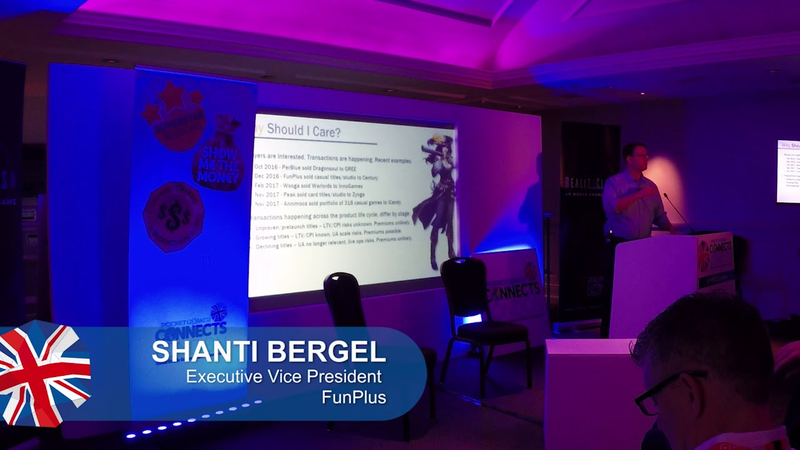
Selling live games – A new strategic option for studios
Selling live games as standalone assets has emerged as a viable strategic alternative to traditional company-wide mergers and acquisitions.
- Selling individual live games as standalone assets provides an alternative to full-company M&A, allowing studios to generate immediate liquidity without equity dilution or loss of corporate autonomy.
- For growing titles, asset sales enable developers to monetize proven performance and reallocate capital toward new projects, while for mature or declining titles, sales to specialized operators prevent shutdowns and offload non-core operational burdens.
- Buyers determine asset valuation by prioritizing revenue predictability, specifically scrutinizing historical performance, user acquisition metrics, and the consistency of LiveOps.
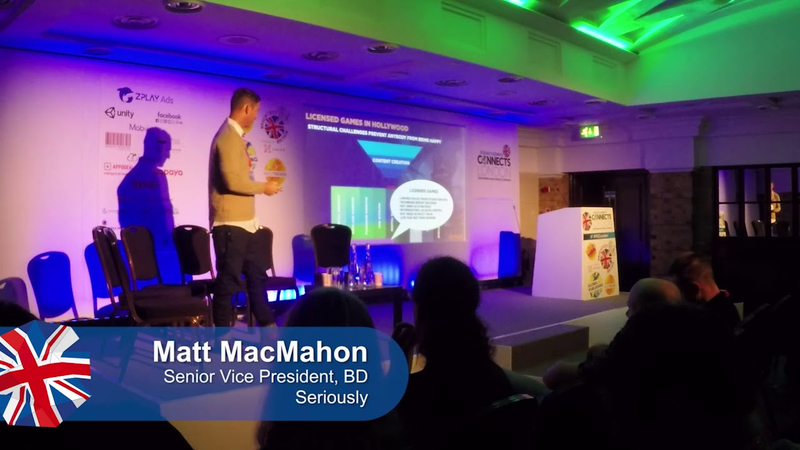
The future of Hollywood and games
The traditional Hollywood studio model faces a significant existential challenge as it attempts to integrate with the gaming industry.
- Hollywood’s traditional business model is failing because it relies on slow, multi-year development cycles and fragmented, siloed internal departments that lack unified incentives for gaming.
- Mobile gaming now generates more revenue than the global box office, yet legacy studios continue to treat games as low-risk licensing deals rather than strategic, long-term assets.
- The fundamental disconnect between industries is the production cadence: movies are episodic three-year events, while successful gaming requires a live-service model with content updates every one to two months.
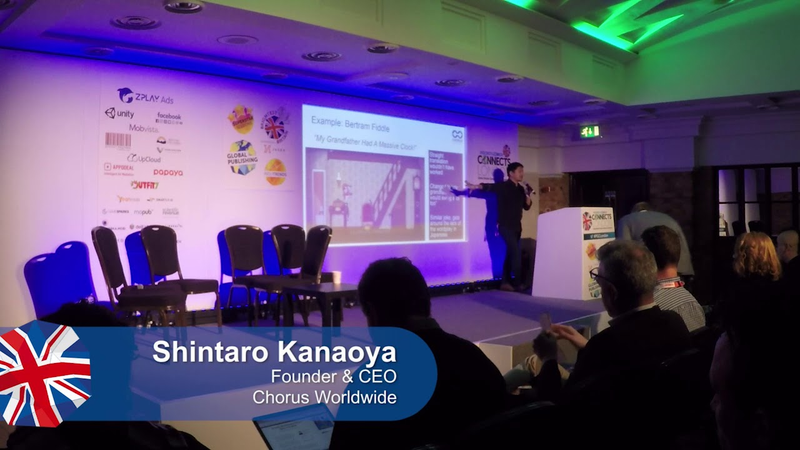
The indies’ path to getting out into Asia
Expanding into Asian gaming markets presents a significant opportunity for independent developers, provided they move beyond the misconception that Asia functions as a single, monolithic territory.
- Asia is not a monolithic market; China, Japan, and South Korea have distinct top-grossing titles with almost no overlap, requiring a highly localized strategy for each territory.
- Successful market entry requires professional culturalization beyond simple translation, as poor localization or failure to adapt visual assets to local aesthetic preferences can alienate players.
- Indie developers should prioritize partnering with local publishers who possess established relationships and expertise in navigating diverse, region-specific distribution channels.

The British games industry – The state of play discussion
The British games industry possesses a profound creative heritage and a highly skilled workforce, yet it currently struggles to translate this reputation into consistent domestic investment and widespread recognition.
- The British games industry is shifting its focus from speculative technologies like blockchain and VR toward disciplined, product-market fit and community-driven development.
- Studios are abandoning unsustainable scaling practices in favor of lean, agile teams that prioritize long-term development and deep relationships with player communities.
- To ensure long-term sustainability, the sector must pivot from historical prestige toward demonstrating contemporary excellence in mobile gaming and live-service models.

A fireside chat with games industry legends Peter Vesterbacka and David Helgason
Mobile gaming continues to serve as the primary engine for global industry growth, maintaining its dominance even as hardware saturation approaches.
- Mobile gaming remains the primary driver of global industry growth, maintaining its market dominance despite approaching hardware saturation.
- The Chinese market is shifting toward premium gaming experiences, offering independent developers a lucrative alternative to traditional free-to-play models.
- Artificial intelligence is identified as the most significant driver of future industry innovation, while eSports is viewed as a nascent sector with the potential to eventually rival traditional sports.
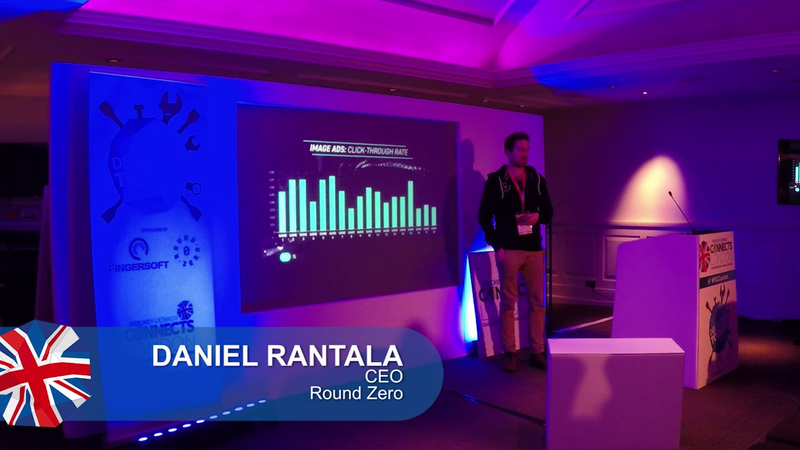
Round Zero on how to (not) get your mobile game published
The primary objective of this analysis is to outline the essential practices for mobile game developers seeking publishing partnerships, specifically through the lens of Round Zero, a publishing label spun off from Fingersoft.
- Publishers prioritize data-driven pitches over creative concepts, requiring developers to provide accessible gameplay videos and test builds rather than speculative monetization forecasts.
- Round Zero evaluates potential hits through iterative testing and cross-promotion campaigns to measure objective click-through rates and user conversion metrics.
- Casual games featuring mild, edgy themes—such as light violence or zombies—demonstrate the strongest performance among the core demographic of males aged 15 to 38.

How Facebook supports developers in getting their games discovered
Facebook serves as a critical infrastructure for game developers seeking to scale their titles by leveraging a massive, data-rich ecosystem.
- Facebook leverages its massive user base, including 2 billion monthly active users on Facebook and 800 million on Instagram, to help developers target players based on specific interests and platform engagement data.
- The Facebook SDK allows developers to track in-app events such as tutorial completion, level progression, and purchase history to optimize user acquisition.
- The 'Value Optimization' method, introduced in August 2016, enables developers to create custom audiences from high-value players and use them as seed audiences to find similar users globally.

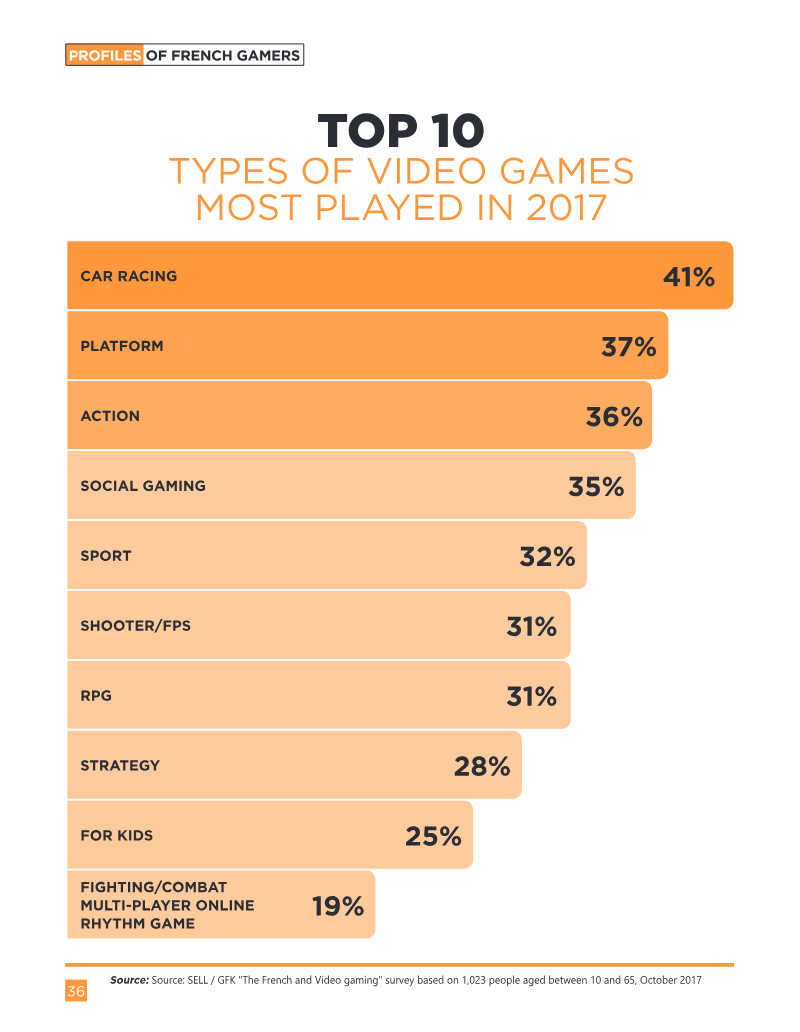

2017 Figures: The French Video Game Market
The French video game market reached a historic milestone in 2017, generating 4.3 billion euros in total turnover and achieving a record growth rate of 18 percent.
- The French video game market reached 4.3 billion euros in 2017, marking a record 18 percent growth rate.
- Consoles dominated the market with 56 percent of total value, driven by a 20 percent increase in software turnover and a 46 percent surge in digital sales.
- Digital distribution is the primary revenue driver for PC gaming, accounting for 95 percent of its software income.
Why Do Games Cost So Much To Make? - AAA Game Budgets - Extra Credits
The high cost of AAA game development is driven by a complex interplay of operational overhead, technical requirements, and market pressures.
- Total investment for a single AAA title typically ranges from $75 million to $100 million, driven by the necessity of marketing budgets that often match or exceed development costs.
- Personnel costs are the primary expense, with an average monthly cost of $10,000 per employee; a 200-person team working for two years incurs $40 million in salary, benefits, and tax expenses alone.
- Operational overhead beyond salaries includes significant expenditures for office space, high-end software and engine licensing, middleware, equipment, and professional localization and voice acting services.

Games Should Not Cost $60 Anymore - Inflation, Microtransactions, and Publishing - Extra Credits
The standard $60 retail price for AAA video games has become economically unsustainable, driving the industry toward aggressive monetization strategies like microtransactions, loot boxes, and day-one DLC.
- The $60 AAA price point, established in 2005 with the Xbox 360 and PlayStation 3, has failed to keep pace with inflation, which alone would necessitate a $75 base price today.
- Escalating development costs driven by a graphical arms race have tripled or quadrupled since 2005, suggesting a required retail price of $85 to $90 for standalone products.
- Publishers have adopted aggressive monetization strategies like microtransactions, loot boxes, and day-one DLC as a direct response to the widening gap between static retail pricing and rising production costs.

So you think you're global?
Achieving true global success in the mobile gaming industry requires moving beyond the assumption that digital accessibility equates to a monolithic market.
- Sustainable international expansion requires moving beyond simple translation to deep localization that adapts pacing, community management, and marketing messaging to regional preferences.
- Developers must treat the Asian market as distinct entities, as China, Japan, and Korea each require unique strategies and local partnerships rather than a monolithic approach.
- Monetization in emerging markets like Brazil and Africa requires integrating carrier billing and alternative payment solutions, as traditional credit card infrastructure is often insufficient.
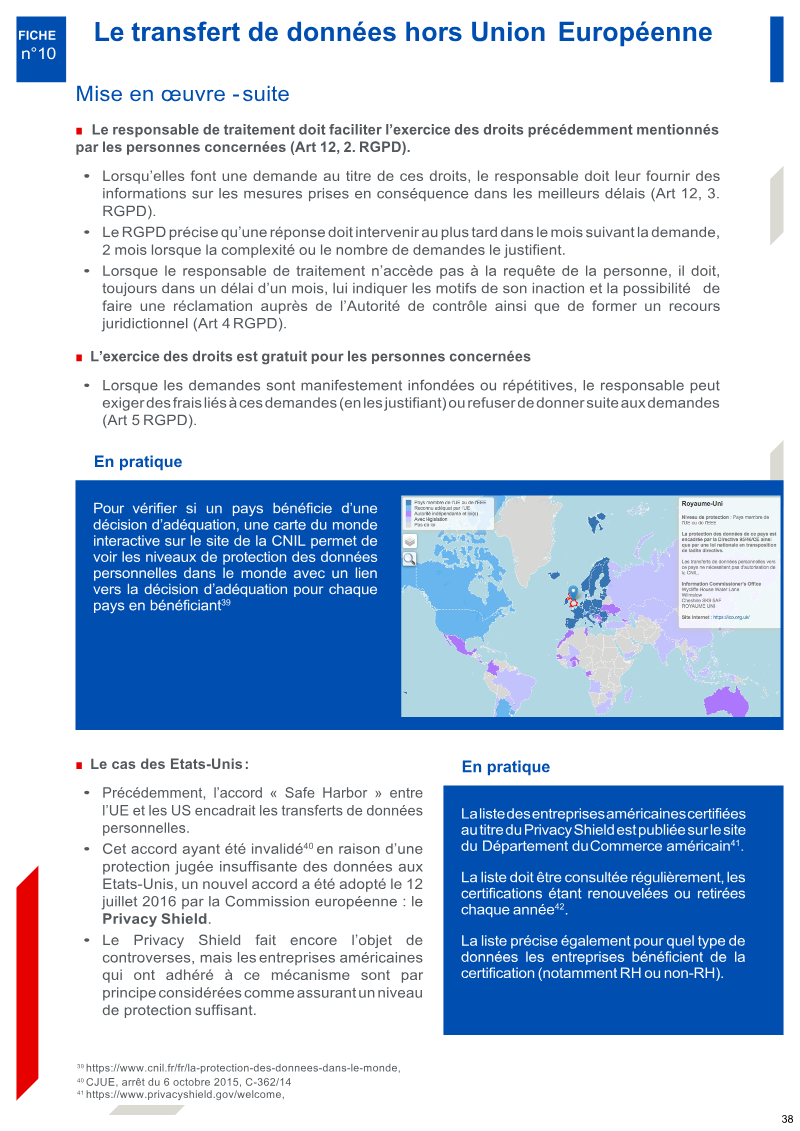

Guide RGPD pour les Développeurs de Jeux Vidéo
The General Data Protection Regulation (GDPR) serves as the definitive legal framework for video game developers operating within or targeting the European Union.
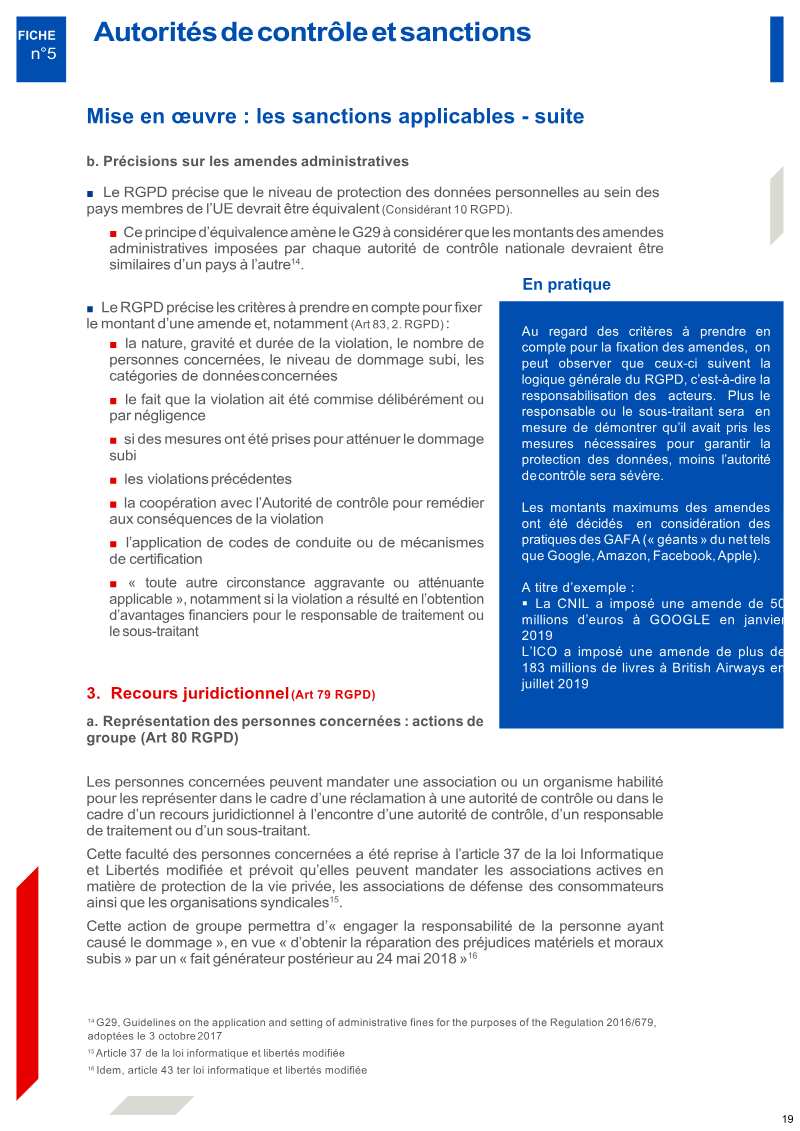
- The GDPR significantly increases potential penalties for non-compliance, with fines up to 20 Million Euros or 4% of annual global turnover, a substantial increase from the previous 3 Million Euros maximum under the 1978 French law.
- Data Protection Officers (DPOs) are not held responsible for GDPR non-compliance; the data controller or processor bears this responsibility. DPOs cannot be penalized for performing their duties due to their independence, though they can be dismissed for reasons unrelated to their DPO role.
- Consent under GDPR must be a free, specific, informed, and unambiguous indication of the data subject's wishes, given by a statement or clear affirmative action, and the data controller must be able to prove valid consent.