1 free read left. Create a free account for unlimited reading + AI research.
Create free account
Selling live games – A new strategic option for studios
Key insights
6 takeaways- 01This model is most effective for free-to-play titles where the game has reached sufficient operational maturity to function as an independent, revenue-generating asset.
- 02Selling individual live games as standalone assets provides an alternative to full-company M&A, allowing studios to generate immediate liquidity without equity dilution or loss of corporate autonomy.
- 03For growing titles, asset sales enable developers to monetize proven performance and reallocate capital toward new projects, while for mature or declining titles, sales to specialized operators prevent shutdowns and offload non-core operational burdens.
- 04Buyers determine asset valuation by prioritizing revenue predictability, specifically scrutinizing historical performance, user acquisition metrics, and the consistency of LiveOps.
- 05The operational transition of a live game requires the comprehensive transfer of intellectual property, user data, infrastructure accounts, and existing affiliate obligations.
- 06To avoid stalled negotiations, developers should establish clear operational agreements regarding shared technology and personnel transitions before engaging legal counsel.
Ask AI about this video
Transcript
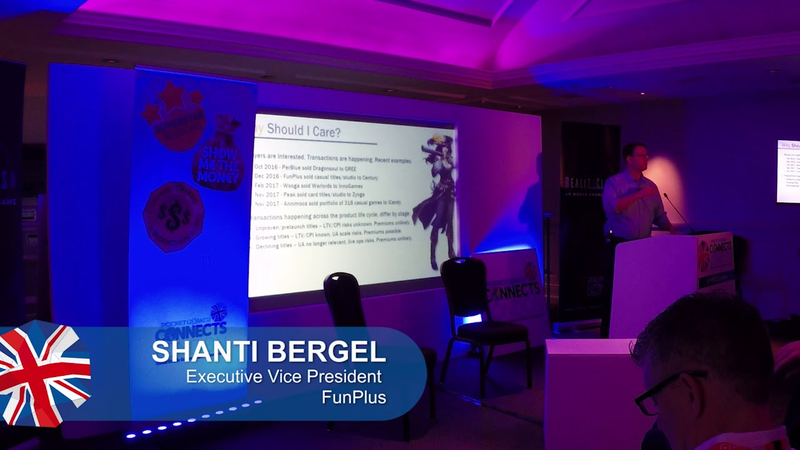
[Music] [Music] we're gonna get into what exactly that means so first I'm gonna go through the agenda I hope all right so really quick I'm gonna go through you know like just some kind of very brain-dead topics like Who am I what exactly is an asset sale which is what a selling a live game really is technically you're carving up a an asset of yours from your company and selling it off to somebody else so I'll go through a really quick definition of what that is also talk a little bit why that's important especially in the environment today whereas like back in the day there weren't live games you couldn't sell a
game as a service to another company and it's still not a concept that a lot of people have heard as you've seen like very few people here have contemplated doing one but as free-to-play as a business model and as live operations as a kind of operations model have become more common the idea of picking up a live service and selling it to another party is not as uncommon as it used to be so go through a little bit about kind of the the pros and cons of doing that and then hope to spend kind of most the time talking about more than nuts and bolts the last point of how do you actually do this and leave questions because the reason that I am doing this talk is because one I got tired of answering the question at cocktail parties like what's an asset sale I would describe he's like transactions that we had done but also I really feel like this is an underappreciated aspect of our industry right now I think it's an underappreciated opportunity for all of you so you know falling on to what Jim said like more good news it's a great time to be a game developer particularly a game developer developing a live service because it offers you
different kinds of strategic outcomes than you might have previously been able to experience under just their capac egde goods model or a premium game model so fun plus and myself fun plus I just joined in its in September last year as assumed mentioned I used to be a degree or in corporate development there and I was on the other side of the transaction that he mentioned where we bought a game called dragon soul from a US developer and it over to our company fun plus as a company is not well-known in the West but it is a Western company so we were started in Silicon Valley but very quickly raised money in Asia eventually did an asset sale of our own probably one of the largest in the industry so we sold our casual games division to a company in China called century for a billion dollars and that was in 2016 and you know like we have a remaining business that is fully independent now thanks to that transaction so one of the benefits again I'll get into like this in more specific but one of the benefits
for us was that it liquidated our cap table so we had venture investors we raised about seventy five million dollars in a billion dollar the kind of asset sale it was a kind of like an exit so all of the investors exited in that transaction our founders now owned a hundred percent of this company this company has within a game called king of Avalon which is one of the top 20 grossing games in the world so it's a very nice business for the two guys that own it and they don't have any investors looking over their shoulder anymore and so in our case that's been one of the huge benefits of an asset sale model is it left us and as an independent company so myself I've done a couple of these so fun plus they did that transaction prior to my joining but as I said when I was a degree I did I did several of these one was outbound I sold a game when I was inbound I bought a game so I've been in games industry for a long time so an asset sale so again like I said at the top the whole idea of an asset sale is traditionally thought of as part of M&A so like in an acquisition but what's
different now is you don't have to think about it that way so like over here on this very complicated looking bubble thing this is like everything that goes on in an acquisition in like everyone who is on the buy side kind of has to account for all this stuff and asset sales some this is I don't even read that that says transaction character in an M&A deal you're like how are you going to structure this or am I going to buy the entire entity and all the like liabilities that go along with that or am I just going to buy pieces of it and so in a actual M&A deal you're like it's beneficial to the to the buyer actually to structure it as an set sail because they don't have to like deal with the liabilities another company necessarily very rarely happens in games but the kind of ironic benefit of just doing an asset sale in and of itself and leaving the company in a stand alone you know kind of form to keep continue on like we did it fun plus has a lot of benefits we'll go through that so the difference is you know like
in a in a company sale you're buying the stock of that company so that's what I mean by asset versus stock sale point number three there is you know like when you are buying a company technically you're buying the equity of that company and so then you become the owner of that company in an asset sale you're just buying the thing itself in this case you know a game and and as I said you know like franchises and games that have a life and particularly a revenue line of their own and lasts for a long time they are in a very real sense an asset that can be sold off in this way so why should I care it's happening right so I mean the per blue dragon the dragon soul greed deal we talked about like we won plus we did our deal you know there are any number of other examples that you've probably seen in the news you know like so we'll go sold off a game peak sold all of its card business to Zynga this is also an asset sale you probably saw that and omocha so but this is we've sold a bunch of games to eye candy and
so like you hear about these deals and one of the reasons I wanted to talk to people about this more is I don't get a sense that we in the industry you know I kind of really understand these headlines when we see them unless we've personally been involved in one of these deals because each one of them is a little different so if you look down at this kind of second block here there's really three kinds of these transactions that are happening and they map directly to the life cycle of a free-to-play game so essentially there's there's titles that have never been released they're still unproven they don't have any metrics or they have early kind of unstressed tested metrics that are kind of pre they're essentially pre validated from the buyers perspective and then there's games that are out there you know in the market they're actually growing they're under kind of full you a spend there they're kind of growing we don't know what the peak of this thing is going to be we can just see that it is in the moment and then the last category is games that are actually you know like mature and potentially even declining
you know there are several companies that have been created over the last three years to buy these kinds of games and run them in absence of the original developer so to take over you know declining assets which is a very kind of old concept from the private equity world but we've never really seen it in games and it's a really successful model and it really organically works for both parties because you know like as a as a developer who's running a live game if you've ever had a game that reaches that point where you can no longer profitably spend against its growth so you can't buy traffic for it because the unit economics don't work anymore but you know like you have to keep running it because you have an audience and it makes enough money to cover the development team at some point it breaks right you your cost structure no longer is sustainable and that's where you know like it pays to come and talk to one of these guys instead of just shutting the game down because they will actually buy it off your hands and probably operate at a lower cost place you know like somewhere where they like the per
headcount cost is lower than yours and they you know like will you know give you a premium to basically take that as their asset now and they'll probably continue to run it for years under that even if you yourself can't make the economics work so that's an interesting one for for declining titles the other two are a little bit more delicate so unproven titles I think this is probably the the buyers kind of are very skittish when it comes to you know like unproven titles because it's it's very hard in the games business to predict as we all know like how good a game is going to do and even if you have early metrics that show you know like you're like oh my day one is this my day ten is this you know like my arm tau is this you're like the buyers going to be concerned that that won't last at scale so like I think that those metrics will break over time or they will break at certain scale points as you go from you know like you know buying traffic in the hundreds of users to the thousands of users to the hundreds of thousands of users that that
scale curve will at some point kind of show a lot of brittleness to it and not scale well so even early stage metro for an unproven early title you know like it can't be essentially banked into a price like the buyers will look at that a little bit you know kind of nervously whereas the growing titles where the the math is basically visible to both sides you can you know basically pull up all your reports and show the buyer and say hey look you know like here's my how I'm running LiveOps on my game here's what the LTV is you have to know all these things of course you can't sell a game without having all this data but provided that you're running a game with that information in your hand you're like you can then have a great conversation with somebody which says you know like I know that over time I'm gonna be able to run this game like this however you know for strategic reasons that we'll get into in the next slide I would like to basically cash that in now you know like what kind of a premium on this would you give me and so unfortunately not gonna be able answer Sims question you're like what is the premium and like what our buyers paying
for this type of thing just because I haven't gone through the data sets and like I'm not an M&A adviser anyway but the the point is is that that is probably the most successful conversation you can have with the potential buyers these last two is either a game that is growing and you understand it very well and you like you could continue to operate it on your own but you want to like use that you know that money for something else or you have a basically a declining asset that at some point you know you're not going to be able to support anymore and you want to basically get it off your plate for whatever reason and you know move on to something else so what's good about this the money's good so you get an immediate cash infusion which in the case of that dragon sole deal that we did when I was at my last company it was a substitute for a fund raising that they were trying to do so they were basically looking at the the market looking at like VCS and equity investors not liking basically the the
opportunities that they found and you know like we approached them with the opportunity to just sell the game as a way of fundraising their company which at first you know like was a little bit of a like a mental shift for the developer but eventually they came around to it it was it was a strategic risk because it was there in like it was their cash cow it was their highest performing game but on the other hand it did a bunch of nice things for them they were able to get money with no dilution so you're like they're basically the the the the management team was able to hold on to more of the company not have to bring in more investors not have to give up ownership and they were able to get this cash in hand today without any change to essentially their operating model so this means no new board seats no new Outsiders in your company if that's what not what you want so you you know have essentially no change to corporate structures if that's you know kind of the way that you're structuring this and then yeah you can basically shift your lab ops team if you have a limited amount of resources from an older game
that may be underperforming or maybe declining or maybe you just mean like you see a new opportunity on the horizon and you want to move everybody to it it's a way of basically enabling that so you can basically take everybody off of this old game that you're selling move them on to something new or split the momba home games and you're continuing to operate what's bad about it is of course you know like you are losing you know like this revenue line yes you're you the way the economics usually work is if you imagine you know kind of you plot out like the game's lifetime call it five years and you imagine what you're you know like your profitability on that is going to be essentially what's going to happen from the buy side is they will they will either agree or disagree with that model and they will probably pay some premium over the top of what you think you might have been able to make provided they don't think it's been juiced or is unreasonable as a way of basically saying like hey you're like I will give you this now and then you're like whatever upside comes from this asset over time you're like that's
mine because I'm the buyer and I'm taking on that risk and if you can find a reasonable balance in that conversation then you can hit a price and it's a good deal to be had so these deals are a little complicated as we'll get into in the next slide from an operational perspective so one of the potential downsides is engaging in too many of these conversations can really suck your time so you know like the idea of you know excelling a company is a big deal the idea of selling an asset is also a big deal it takes it takes quite a bit of effort from key people in the organization to you communicate to the outside everything about this asset and what makes it great you know like how it it is it is operated enough so that the buyer believes that they're going to be able to actually take it on and that they're gonna get it you know like a profitable entity once they do and then you know like once you lose a game like that from your portfolio what does that mean for you you're like does that in some way kind of change your overall positioning as a company you know it does that change
your branding did you used to be the the XYZ company and you just sold that so now you're what now so I mean there there are some kind of existential questions that can come from this it really depends on like kind of what that title meant to you guys before you contemplate it selling it off so the the harder part so I'll slow down here and hopefully I'll have a chance for questions so I just broke it into three you know kind of basic buckets there's probably more to it than this but this is I would say from a you know an operational perspective the stuff that you should spend the time with valuation of course very important so what as we discussed earlier the quality of the revenue you know like means a lot on the buy side and so what does that mean it's basically the predictability of the game so you know if if I as the buyer can look at the game and say oh well I see you know like kind of a month's worth of data that's not so happy making but if I
see a year's worth of data and I see a very consistent kind of release pattern it's like okay I see you know like what your events look like I understand kind of the revenue curve of each of them they're fairly consistent if I see you know kind of the the cadence of releases for like future updates like okay there's a miss there's a hit there's a miss there's a hit I can kind of blend and understand like what what does it feel like to run this game from an economic perspective and if it's consistent then that's good that means that like we can all probably agree on what the numbers are if it's highly inconsistent then that means you could have a very unsatisfying conversation where you the developers say like yeah but I'm about to release clans and that's gonna 10x it and the buyers gonna be like don't know about that so that's always a very uncomfortable conversation where you kind of like have this belief disbelief based on where you sit and so it's always better to have a conversation based on high revenue quality because that is easy for the buyer to understand they can look at data and go oh yeah I see you know like
you're not kind of like being an aspirational with your forecast an aspirational forecast on the bias that would tend to get discounted a lot and so in like why would a buyer think that way you're like they're really looking at the like how fast this is going to pay back for them like they're looking at how much they're gonna sink into an upfront cost with you how fast it's going to come back to them and that's really what it's all about and so if they can get to a comfortable place with that analysis they're probably very enthusiastic if they can't they'll probably be fairly aggressive in trying to push the price down and yes they will need access to all the information so you know like it is like an M&A deal in that respect is that there's no there's nothing that will kill one of these deals faster than hiding information about like how this game is being operated and how much it makes because the whole point of the deal is to be able to convince the buyer that like yes you can make money running my game so
anything that you hide just basically invalidates the whole process because if at some point they realize on the buy side that oh you know like you weren't 100% truthful about how you were doing your marketing you weren't a hundred percent truthful about like where that revenue was coming from oh you have a brother-in-law in the Philippines who spends like ten thousand dollars in the game every month you know like these kind of things come up and matter so be very transparent if you want the deal to actually close and the other thing and this is probably the most in labor-intensive part of it is to go through and really agree on what it is you're really selling so there's the IP itself on the IP encompasses a bunch of things there's the you know like the legal definition of what an IPO I'm at a time okay sorry there's the data rights and permissions this means basically the the what it takes to operate the game all the user data all the marketing data all there like Facebook buyer profiles every
account that has a touch point to the game needs to be transported the rights need to be transferred the infrastructure counts go with that partnerships affiliate deals are the one took that I'll call out here these are basically deals that are signed at some point in order to create you know like a basically the future obligation that somebody will be paid on traffic that comes into the game that needs to be liquidated on the buyer probably will not want to undertake that obligation that you've entered into and so it usually needs to be liquidated the buyer will care about open source and shared tech there's usually a legal discussion around what share tech is how it's licensed how to deal with that and then this is quite important and it is a an overhang to most of these conversations is how do you actually transition the game who what personnel from your side is going to be dedicated where personal from their side how long are you going to commit these resources and then you're like what is the obligation of team what happens if mistakes happen those are all kind of big questions that
need to be very thoroughly discussed before you get to contract in contract if you have a bunch of lawyers around these questions they will they will churn the water around these questions in ways that the business owners probably will cotton to and not be able to separate out if you haven't gotten a good agreement prior to that so sorry for the rush but that's a brief description of what an asset sale looks like thanks [Applause] [Music] [Music] you
Summary
Selling live games as standalone assets has emerged as a viable strategic alternative to traditional company-wide mergers and acquisitions. By carving out a specific title or franchise from a studio’s portfolio, developers can generate immediate liquidity without the dilution associated with venture capital fundraising or the loss of autonomy inherent in a full corporate sale. This model is particularly relevant for studios managing free-to-play titles, where the operational maturity of a game allows it to function as an independent revenue-generating asset.
The strategic utility of an asset sale varies based on a game’s lifecycle. For growing titles, selling the asset allows developers to capitalize on proven performance and reallocate resources toward new projects. For mature or declining titles, selling to specialized operators—who often possess lower cost structures—prevents the need for outright shutdowns and allows the original developer to offload non-core assets. These transactions provide founders with non-dilutive capital while maintaining the existing corporate structure and avoiding the board-level oversight that typically accompanies equity financing.
Successful execution requires high transparency and rigorous data preparation. Buyers prioritize revenue predictability, examining historical performance, user acquisition metrics, and LiveOps consistency to assess risk and determine valuation. The transition process is operationally intensive, necessitating the transfer of intellectual property, user data, infrastructure accounts, and existing affiliate obligations. Because legal complexities regarding shared technology and personnel transitions can stall negotiations, developers are encouraged to reach clear operational agreements before engaging legal counsel. Ultimately, treating a live game as a sellable asset offers developers a flexible tool to optimize their portfolios, manage cash flow, and focus on long-term strategic goals.















Comments