1 free read left. Create a free account for unlimited reading + AI research.
Create free account
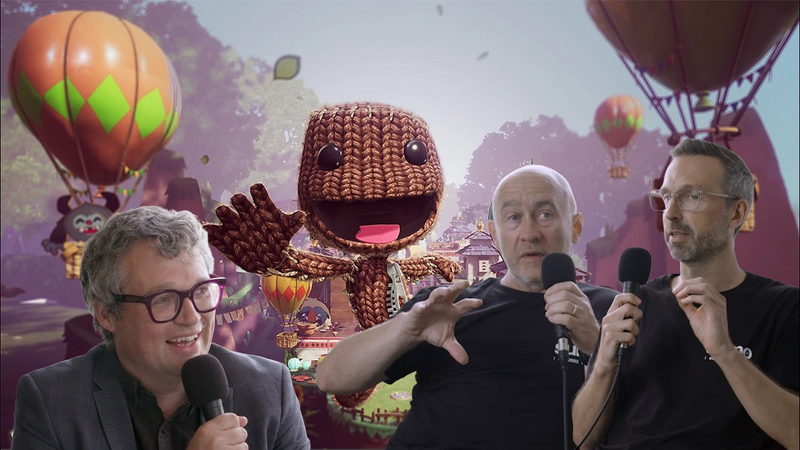
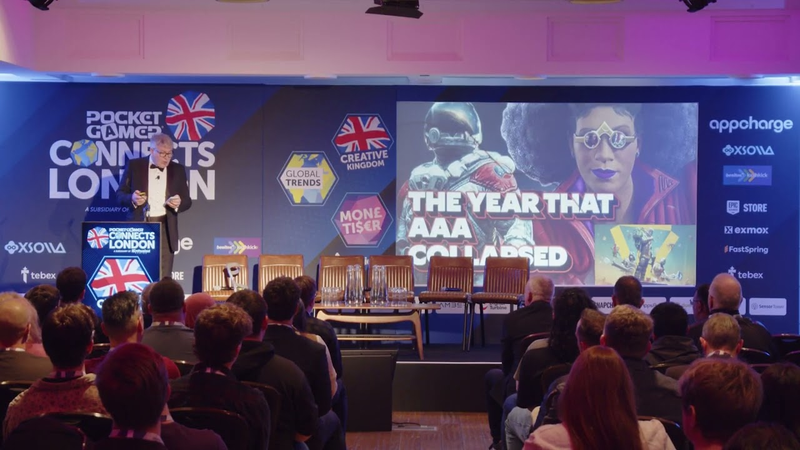
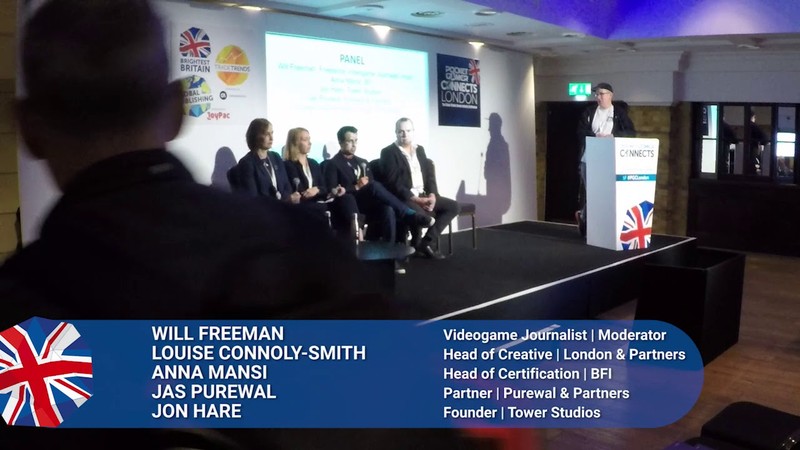
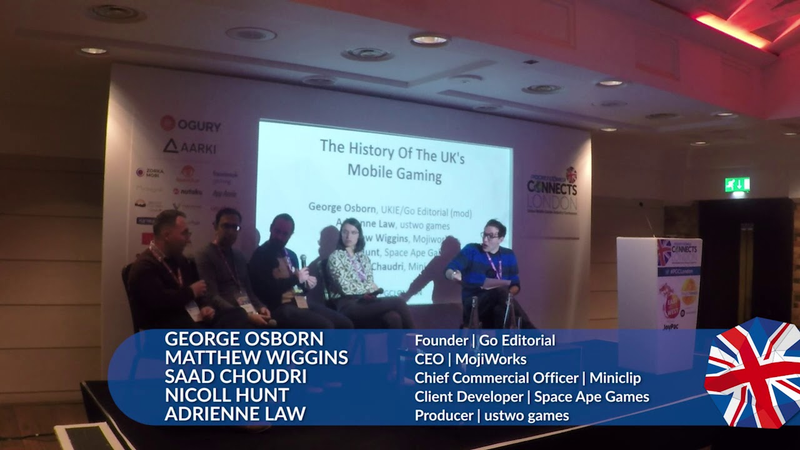
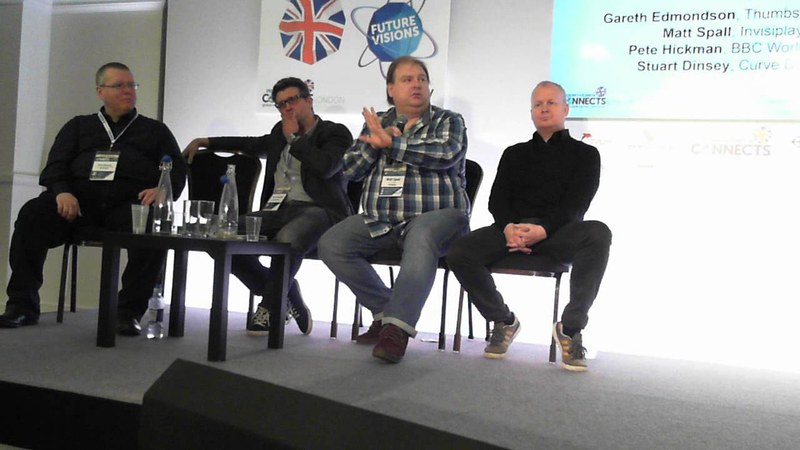
The British games industry – The state of play discussion
Key insights
6 takeaways- 01To ensure long-term sustainability, the sector must pivot from historical prestige toward demonstrating contemporary excellence in mobile gaming and live-service models.
- 02Strategic growth is now prioritized over large-scale marketing arbitrage, with studios targeting underserved audiences through fundamentally relevant products.
- 03Studios are abandoning unsustainable scaling practices in favor of lean, agile teams that prioritize long-term development and deep relationships with player communities.
- 04Investment remains cautious, with capital favoring studios with proven track records over those relying on high-potential concepts or speculative trends.
- 05The industry must improve transparency and engagement with government and financial stakeholders to remain competitive against international regions offering aggressive tax reliefs.
- 06The British games industry is shifting its focus from speculative technologies like blockchain and VR toward disciplined, product-market fit and community-driven development.
Ask AI about this video
Transcript
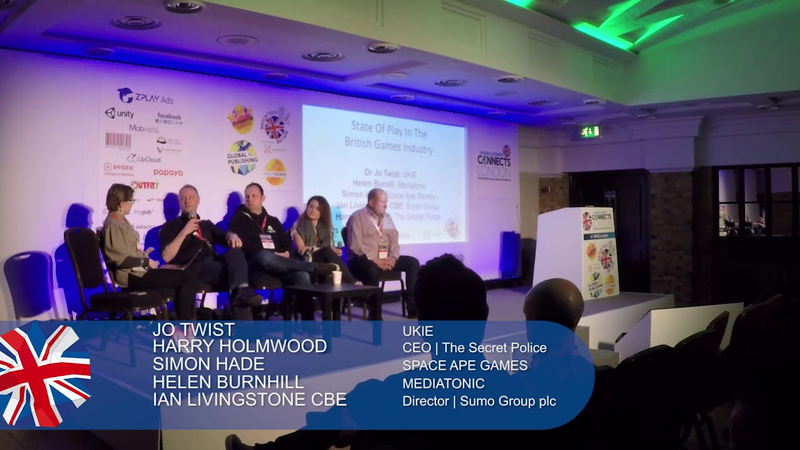
[Music] [Music] much thank of everyone for joining this panel what an amazing set of talks we've had already and it's only 1020 it's to be hosting this panel which is stay to play at the British games industry and I'll be referencing some of the things that I've been listening into in the panel sorry in the talks that we just had in this fantastic track first of all let me introduce my panelists first of all we have on the end in Livingston from sumo group who needs very little introduction and is an industry legend we have Helen Bernal from media tonic who is also an industry legend I think in making and it's just been voted on to
the U key board so I'm very pleased about that and obviously ian is on the you keyboard too and Simon hade from space 8 games who just last week I think had an amazing event with supercell now I'm really really pleased about that and we'll talk about some of the things I think that came out in that and of course Harry homeward from secret police but many many other things all of all of my panelists I think if had really interesting stories so we've got about 40 minutes or so I just want to start off by asking all of you you may not agree with this statement but I think UK is a great place to make games and I just want from your perspective what do you think does make it great I mean I guess Simon I'm gonna come to you first as the non Brit on the panel so yeah I've been here for 13 or 14 years so I'm kind of de-facto Brit now unfortunately or fortunately no I think UK is great I think some of the other hubs like Helsinki get a lot of attention by the
sheer numbers but the great thing about the UK is you've got decades of heritage on creative industries you've got a highly technical workforce and I think more relevantly for mobile you've got a recent you know five or ten years of of experience in free-to-play which is which is really important these days and I guess we'll go into some of those themes that particularly I think Julian was talking about in terms of analyst Daniel interns are taking risks and what kind of emotional intelligence you require I think I'm just emotional I mean from your perspective obviously you've been around the block a few times and the nicest possible way what do you think characterizes the UK Oh clearly a very creative nation look at our film fashion music publishing and of course our games we have a rich culture and a rich counterculture and the things I mean we've always been great at expressing ourselves through literature and through I think the BBC's even helped over time to encourage this this
this world of creativity but we often have self-doubt I mean Americans have self belief but we don't always celebrate our own brilliance and even though we make some of the most incredible games over time from the 1980s we've know always celebrated it as a nation so games like Grand Theft Auto 5 that generates a billion dollars in less than a week largest entertainment franchise in any medium largely seen as negative in the press rather celebrates it these two young guys here at the front here Alex and Paul give us a wave they created golf clash the perhaps most successful British game for ages generating over a million dollars a day in in-app purchases I mean there's endless stories of great British success stories but we don't celebrate enough as a nation and consequently parents don't see is a career choice and investor Celsius and events investment opportunity so we need to do more to raise a profile of course Harry do you think we're shouting loudly enough about our heritage I think possibly were
shouting too loud about our heritage and not enough about the current excellence you know I'm old enough that I used to play elite and had a spectrum and all of that kind of stuff but I don't know I know I sometimes think we bang on about that stuff too much and actually you know the UK industry was great but the UK industry still is great in many ways we I think we we run the risk of losing out you know to places like Helsinki I think we were a little bit late to jump onto free to play in some ways but but no I don't think we need to carry on shouting out our heritage we need to shout about the excellent companies that are out there now and Helen you represent media tonic and you've been there for some years now I think one of the typical companies that's gone from real startup through this last kind of five or six seven years which is you know a lot of change in the ecosystem how do you think media tonic has what do you think media tonic represents about British game making oh that's an interesting one I think we've sort of ridden the wave of I'd say the maturing of the mobile
market specifically sort of some years ago we were focusing on making small that KT titles like I'm at the surgeon and we've seen that mobile market mature and fundamentally see we've got triple-a mobile now we've Indy mobile now so whereas we used to be making games we've maybe five to ten people now our production teams are forty medic man so we've seen that funded the business has changed shape entirely innovating into heck has been super important to us it is an expensive place to make video games and mobile is a heavily content intensive business so we've had to structure how we run things entirely differently over that time and I guess we'll go into some of that in in in some related questions I was really intrigued about Julian's talk and one of the things that he was trying to explain was how you inspire and cultivate
innovative thinking and a different kind of thinking that generates creativity I think this is going to be a really interesting theme over the next 12 months personally Simon how are you kind of looking at that as a human level cuz I've get the feeling that you know we're thinking about people in the workplace and how we work a lot more than we were before yeah definitely and I think the the what we're seeing is is actually a trend towards the market rewarding creativity and innovation a lot more than I'm talking about the mobile specifically a lot more than say the last couple of years and so so that that means you've gotta have smaller teams you could have a different sort of organizational structure then then the production line games but also it's an attitude thing - okay I love Dan slide earlier with the the cheeky slope of 20 Angry Men dribbling spittle and and the point being that all mobile games of the I think you'd it that's true in the sense of that site could be 200 games three of ours included and there's a lot of derivative stuff going along but in
that see there's three games that really defined a few different things whether it's honor of kings or clash of clans or even game of war its approach to marketing and maybe there's a couple of others but the point is there's there's one way of looking at the market and saying oh this is this is the same old stuff you look at golf clash say oh it's just a golf game right but there's massive innovation and breakthroughs in that game in a plant for mobile and unlocking different play patterns and so it's just a different type of creativity and then then maybe you think about if you're thinking about just purely the art style or purely the story I mean Ian take that challenge on can you just talk through a little bit about golf crash in particular and and and how you well the team has tried to make that stand apart from the crowd well I hate saying nice things about them because they're here but they have a very rich and talented team that's developed over time golf clash wasn't their first game
both Alex and Paul have been making games for probably I know 10 15 years now maybe longer probably longer and they've got a huge amount of information over time and they've built up a fantastic team and technology these things don't just happen out of the blue plus Paul is a particularly good and way a person who can run a business now a lot of people can make gains but they don't know the business of games and so you need five separate tools beer to be successful games maker technology IP innovation the creative input and also the business of running the game and then getting access to finest so they've learned their trade over time and they've condensed all that into golf crash and seen what's happening in the marketplace I mean if you break down golf glass you can see there's elements of clash royal as elements of 8 ball pool and other games in there to make it a really compelling experience but they've been very kind of market driven
understanding the value of analytics and metrics and seeing how player versus player is the way to enjoy mobile gaming these days and made it very satisfying and they just say well we're not gonna make game of golf which is 18 holes boring just give us one play one one hole so they looked at everything and they kind of leveraged all their technology all their XP is over time the only bad thing is that he's a mensch United fan but I'd like to see people when I invest in companies like a Vista media tonic in secret plays of course played omec it's it's not just the game I'm looking for it's looking the team behind it the technology and their collective wisdom and knowledge over time and do these see the opportunity not only seeing the opportunity can they execute on what they're going to do and can they find a market for their products it's not just the you know ideas often cheap it's the execution of the idea that's the hard bit I mean Harry you you I mean I say quite
recently but how long has it been since you sort of thought rights secret police this is what I'm gonna do is as a team I'm building this is a product I'm building little bit about you know some of the challenges you've faced in being in that market sure so that so that was about three years ago my co-founder Rick can I decided we wanted to build a company that was inspired by some of the things we've seen going on in Japan so Japanese games having quite strong monetization systems you know I'd been banging on about this kind of thing for conferences like this for years and no one seemed to be doing it so we decided to do it ourselves and it's it's not easy I mean we I wouldn't say we're by any means a success yet but we you know just going through the process of raising the first little bit of money which is quite easy then going through the process of raising the next bit of money when you haven't actually released a product yet that gets harder and harder because the fact brakes get worse and worse that you know that the further you go on but I think everything comes down to people and you know Hawaii space
ape and and supercells are listening to the to the talk last week manage this which is really I think to push down as much decision-making as they can into the team he's very very smart and that that's what we've tried to do you know it would be very easy for me and Rick to have sat there and said okay well this is the game this is but we very deliberately didn't do that we we knew broadly the genre that we wanted to be in but we didn't even start designing a game until we'd hired our first people because otherwise the tendency is you can stifle creativity by kind of trying to dictate too many decisions and I think if you want to build a company rather than a product you know you you can you can have a great business making your dream product but if you want to make a company that makes products you've got a kind of you drop that ego a little bit and let the team make the decisions rather than yourself how do you do that though with a small team slowly I think and probably our what we did was to say okay well you know this genre of game broadly using certain monetization and retention
systems and live events is what we want but within that you're giving people a lot of flexibility but it's not easy because you know sometimes you certainly if you hire the wrong people you can see them going off at the wrong tangent we've been lucky in that the people that we have working on the game it's a tiny team is only seven people so I think you can be very selective like that and not having at the moment the pressure of any kind of venture capital investment means we're not under pressure to grow to a 200 person studio more quickly than we'd be comfortable with so it's it's just about having the right people you know having having at least some restrictions in place that say this is broadly the path we're going down but but within that you guys go your own way and I guess some if we turn to by the way I was I was struck by a comment a comment fit was ilk or someone else you said it but if you want to scale fast hire really slowly I wrote that down so I think that's really interesting because we were talking about you know the human capital that we require that's flexible agile creative draws inspiration from other things I mean turning to issues of
rounds business models and the pressure to monetize and accessing finance I mean Ian and Harry I guess in first it's a funding culture and access to finance culture changed in terms of the attitude of investors and publishers I think it's changing slowly it could be a lot quicker of course if you go to the stage you're more likely to get funding and you probably could likely to get more fun than you would expect and the UK is still very difficult so there's not so much coverage in the finance sector there's not kind of brokers and out list notes you don't see the investors at the games conventions particularly where you all see them at the United States conventions so now we're seeing more interest from outside of the UK from China and particularly from Japan and of course the United States continue but I think the investment committee is slowly waking up where they see more and more of games being more pervasive in culture in
general and it must realize now the size of the market they cannot ignore it you know a hundred and ten billion dollars global revenues today plus they're seeing visually the cultural impact of games so I think they're slowly waking up to it but they don't know how to invest that's the problem and a lot of studios don't are not investor ready they don't know how to present so there's a misunderstanding of each other's wills and that's the the gap that has to be bridged I mean Helen I'll come to you Harry as well but Helen how did you sort of overcome that because you've been there and done that as a studio and and I suppose are you occupying a particular niche in order to attract finance well we haven't actually raised investment for a few years actually Sarah can only really speak from an outside perspective perhaps Ian can speak to why he invested in earth in the first place but our actually our pitch was quite a cautious pitch at the time it was a case of we don't need millions and millions we're gonna steadily work our way up learn our
craft and gun for the hip in a more sustainable way so this be looking at the investor community from the outside it interests me hearing Ian sort of refer to this more cautious if you will UK investor community you see this or very explosive west coast Chinese incoming investment and the feedback I'm getting from peers is it's a little bit more cautious from from the Kay so yeah it's not been a recent race for us it was some years ago I mean Harry some of the challenges you've faced is in faced in accessing finance yeah I think sort of Helen touched on is that the the real difficulty that most investors other than a tiny number of specialist games investors have is that they have no ability to judge whether a game or a product or strategy is the right one or not and so more often than not they'll say you know I just don't understand this so so we're out and really all they've got to go on
in that situation is well what's the track record of the people that are starting the company and you know one of the things that we were lucky to do was to bring in as an investor in chairman and and that kind of thing can really help you know if you've got a little bit of a track record if you can say we've done this before then at least an investor has some level of comfort but they that's not ideal but I can't really see a way around that until we have more investors that are your are as savvy as London Mitchell partners or those kind of people who kind of live and breathe the industry I think there's two traps I've seen people fall into in the last couple of years in terms of funding one is to try and live hand-to-mouth like so see a lot of teams want to raise a couple of hundred thousand you know and then they will get an MVP and then we'll raise a bit more and and nothing in the market where reward where creativity innovation is is get now getting rewarded a lot more arguably in the last few years it's even more important now to to foster the environment nothing
kills creativity like a six month sort of runway right and so that's one mistake the other mistake is people raising several million and then scaling up alright and we made this mistake as well we did a seven million dollar series see and hide fifty people you know in the following 12 months and and it nearly broke us and I think that the the the smart investors and sort of smarter Studios now in 2018 are raising trying to raise a lot of money but keeping everything really small I mean so either bootstrap and raise nothing or bootstrap and raise a lot and know that you're six to 10 to 15% team has three four years to to hone their craft and get practice as a team and and so I think that we'll see more of those coming over the UK but is that a challenge if so against what comes first is that a challenge if you're thinking about creating a mobile game there's free to play so it's a live game and we've heard so many talks and some brilliant talks about what kind team shape you need and LiveOps what
that actually means it's quite a big undertaking really yeah but once you've got a life game that's making money funding gets really easy right you can almost debt finance marketing these days so it's it's it's like the the venture investment and the outsides Returns come from investing in the team that's going to make that outsize game that'll make everything they've done relevant or that first game that's going to break out so I think the the funding mindset needs to needs to focus there rather than you know I need ten million dollars to scale-up marketing you might as well go to the bank for that you know if if the game support has the metrics to support that getting the money is easy and if it's not then you probably shouldn't be getting the money to do it right so so I think that kind of solves itself but you are right in that you know if you're if your business pitch is we're gonna go make a free-to-play game then the vast majority of investors would be great once your free-to-play game is making money will happily take half of that from you whether that's a publisher or an investor and there is this massive gap between kind of getting started and getting to the point where a product is
is generating those revenues and I think it's it's one thing to kind of go from that successful product to huge success but yeah I mean you're we kind of decided in the end sort of finding ourselves in that gap we were just going to put the product out we're gonna market it ourselves we're not gonna you know take all the risk do all the development make the thing cash positive and then give half the revenue to someone else but that's a really scary thing to do but that some sort of leads to this constant circle of conversation we seem to have about being able to take creative risk and being able to do something that is reaching there was a comment made by one of the speakers which I can't member who's I'm sorry but around is there enough audience you know for the games that slide with all the me2 faces sorry not that me to other me too faces so how do we how do we how do we balance this this desire to take a creative risk to do something that's different I mean if you're going to do that you know does that dictate the business model that you're choosing I
mean in a little bit from you I guess you know you when you're looking for a good investments or good talent are you interested in that creative risk Oh certainly interested in the creative risk but you have to kind of offset that against commercial reality so when I invest I said before it's I invested mainly in people if I feel comes with the people I mean remember this is a people business and you trust those people to execute on their ideas to have original ideas in the first place and not rather than just being a sort of copy of somebody else's game or to crazy that it's never gonna work you've got no chance of understanding until you launch whether it's be successful or not so it's it's you know my main thing is people then of course the IP technology track record blah blah blah but that's that's my number one thing it's it I think getting back to the yes to talk I
think it's always finding that balance so what a sort of a two-man team might need to perceive success commercially is very different to what a 50 man hundred run team might need to keep the salaries going makes an exciter so he's always a delicate balance in terms of where do we perceive another thing that we're seeing in the mobile market it moves so damn quickly being creative in terms of well ok what do users were now but what do we perceive as going to be the next in what's going to hook the interest of that audience is in a year's time so there's always a delicate balance between making something that means something to us and is innovating but actually we can perceive as a business case for it's a delicate balance I was struck by the talk that Phil gave which was about this trend in not just so not it's not just about live games about living games and again about how you
extend the game into that loyalty which I think again is another huge trend I mean that's also quite difficult to do in the short term isn't it Harry yep I mean we launched a game a few weeks ago it's it's called dragons watch it's it's you know we haven't marketed it it's already got community starting to build around it it's both very exciting and and very time-consuming you know when you're as small as we are we've got loads of people wanting to talk to us on disk or we've got loads of customer support inquiries coming in and no customer support team but we've kind of made it a priority even at the expense of sort of you know some of the bug fixing and some of the the features that we have to engage with that community and I think hopefully that's that's kind of going to pay dividends in the end but you know it's scary you know when you're lead programmers spending two hours a day talking to the community you kind of think this is crazy but at the same time it seems to be going down very well what I love about the living games philosophy is there's almost it
feels like there's this inherent implication with free-to-play that it's designed as a commercial abused of audiences and it's so far from the truth what we're trying to do here is create hobbies form passions for people but they want to keep coming back to it's a symbiotic relationship and I think I think that we need to move a little bit away from I think that you know we need to be careful and make sure that people take pleasure from their purchases but ultimately we're trying to create hobbies and interests for people and a place to be it's not it's not supposed to be a negative thing it's basically a positive long-term relationship and I think that's quite a challenge if we're looking ahead so the next 12-18 months and in terms of some of the key trends already in the last part of last year you know we've had quite a lot of attention to some of our business models the l-word or joy bundles as we like to call them at Yukie but you know this sort of randomized purchasing with its purchasing where you get randomized I'm not going to call them the l-word I mean
I guess Simon yeah how do we deal with those how do we balance those sort of business practices business model models giving audiences players what they want whilst maintaining our integrity as a sector yeah I think it comes down to having a fundamental respect for what's going on the marketplace I mean it III would love for premium games to be booming and few be able to make a billion dollar game or for premium games all happily and eagerly download everything that us two makes and pay whatever they want for it right but I think the they also one of the most powerful brands on on mode right so I think that if you if you look at any any 16 year old they're spending their pocket money on you know a skin for a character they've invested 200 hours at their time and the idea of spending money on the game they haven't played yet is is just completely foreign so I think that free-to-play is here to stay unfortunately or fortunately depending on your perspective but I think that the a lot of the problems is
free-to-play come from people who are who have a sort of cynical approach to it right so that the worst most flagrant sort of you know abuses of players Trust come from people get oh I'm just gonna you know people buy anything I'll just I'll just charge $50 for this loot box and think it's okay and so actually when you and you when you approach the business model from a from a position of like this is happening and and respect for the players and understanding of what's driving that model actually it it's all fine so so I think just it's soon to come for education of developers and and time as as you know players are very savvy and there's a lot of choices so so I think in a lot of ways the problem kind of corrects itself over time but but yeah obviously there's there's isolated issues with people not really understanding what works on mobile free-to-play and as a result making some of those mistakes so again looking ahead I guess Julian talks about some complexity
management and changing technology and we're not we're only just sort of touching the surface in terms of machine learning and some of the you know new kind of tech and new innovations that keep our games alive how do you go about making sure your teams are kind of keeping up with that or even just recognizing what it is that they're creating how do how do you how do you keep your team's fresh a whole second so I think part of it a big part of is just creating a playground for creative people to feel comfortable and secure and and knowing they have a job even if their project fails and having having scope to to do things that you know they want to do right so I think a lot of it comes down to the environment a big part of it comes down to education as well like these conferences are they bring people from out of town but I think there can be a lot more events that are more localized that help community health communities of game
developers develop and you know make connections and share and and and it's one of the things that the finished game scene has a lot going for there so I think I think investment in in sort of community events and building game deaf community and and sharing learnings is is one of the ways that we can do it as an industry and internally just giving people a lot of scope and autonomy to to work on what they want is is useful if you can I think transparency with teams around metrics and having them understand the impact of what they're doing is is super crucial as well I think if people can understand that you know plays are coming back more frequently they're sticking around for longer because of X Y action so they can see the impacts of their creativity super important as well giving them buy-in yeah and just just the kind of closeness between the team and the audience seems to be really important we were really surprised recently we Apple announced that you have to publish odds of loot
box or getcha odds which we were already doing on our wiki but we were really surprised when we did that just how savvy the players were you know that the players in understand more about our game than we do in a lot of ways and you know they were saying well this odd this is the odds of getting that but in such-and-such a game the odds of this and so this is better and this is worse and we were absolutely amazed at just the degree of knowledge and I think it's very easy for us in the industry to think the players are dumb and we're smart and actually you know the players that are really passionate know at least as much about these games as we do and probably more because they're playing them for hundreds of hours I mean in I guess again sort of looking over the next 12 to 15 months what do you think we as the British games industry need to be doing to kind of keep the our edge keep competitive particularly when we're looking at other European cities who are kind of trying to compete for our businesses well I think I think we've got to carry on doing what we're doing
making great games that are enjoyed around the world I mean that's the the thing that we're best downfall but it's also getting that message out there and the work that Yuki's doing and Tigers doing to raise a profile to get industry within government and within the investment community it's key and to get more members on board and believing it and we need to shout more about what we're doing I was we face even stiffer competition I mean I hear that now Italy and Germany are getting video games tax relief down the pipe there's also many states within the United States again in video games tax relief so that playing field is being leveled so what has been a great boon to our industry might not be so much of an advantage is going down the track so there's lots to be done from from the industry itself to speak loud and proud of what it does and not to be afraid of failure you know failures and success work in progress and if you are making games and you kind of just doesn't work our first time make sure you fail fast and move on to your next project and and aggregate all the
letters that you've made but carry on doing what you're doing but we need to get more investment into this into this industry and it saddens me that there's not more angels not more VCS or interested in and sometimes when they do they kind of put some pretty grim terms into those deals that can often inhibit growth going forward so make sure you have somebody understands the business games you can deal with all the problems of scaling a business and also problems when it comes to investment but equally we do have so we have the video games tax relief we have the UK games fun we have R&D tax relief and so on but we do see increasingly government is interested in trying to grow this they call it a sector in immersion or audiences of future or VR they are roughly in immersion anything with a I is that is that something that we do all of that as an industry is that something that people just putting into their pitch look at any technology innovation that's usually led by a game it's
Facebook you know the growth came through games mobile the revenue growth came through games VR games a art games probably cryptocurrencies games so we spearhead new technology which guns that guess guess leveraging the other industries but not enough people know about that and so again it's down to everybody to tell their MPs everybody they know about the positive side of games too often the industry is really had to sort of bunker down because we haven't had the equivalent of the BFI or film council or outside funding coming in so it's all B's cause being commercially driven but if we can now talk about more the art form about games the cultural impact of games I think we'll see a greater understanding and therefore the investment hopefully will come in over time Helen or did you want to add something answer your question about should we be sticking blockchain and AR and everything into our energies no I think I think I kind of went through this a couple years ago and we were
trying to raise the first money for secret police and a lot of meetings I have were like well if you were doing AR if you were doing VR then there'd be millions on the table for this and and you kind of think well should we do that but and we didn't and I think that if it's if it's relevant to the business then yes but you know you can go and raise a load of money with it with a buzz word absolutely but unless it's fundamentally something you believe in and is going to work you know if we if we'd created a VR company a couple of years ago we'd certainly be regretting it now because it turns out we were right and there isn't a way to make any money out of VR other than fogging the games to Facebook at the moment so yeah I mean I think yes if it's intrinsically useful to what you're doing but otherwise that the risk is you know you're going to end up doing something you don't believe in and there's nothing more depressing than that I guess yeah but we're accidentally or not accidentally but we are creating these kinds of innovative practices and technologies and we are using AI programming AI all the time and maybe it's just about surfacing that a little bit more in terms of our innovation story I mean just closing out the panel
session and Simon what what do you think it going to be some of the the big trends over the next 12 to 18 months is it people focus is it culture focus is it living games not just live games yeah I think it's all of the above but I don't see great breakthroughs coming in in those sectors you mentioned I think they're coming eventually and I would love to see them but I think the next year is really going to be characterized the would by smaller teams sort of doing more creative stuff versus the last couple of years was more an emphasis on on the marketing arbitrage and big productions and and so certainly part of that is free to play an economy economies that live and live ups etc but but I think we'll see much more many more games like targeting audiences that you know don't have a game that they could call their own or underserved or or doing something that's fresh and and I think that'll be a breath of fresh air compared to the last couple of years Alan what are you looking forward to next 12-18 months I think I'm looking
forward to seeing we we've we've seen some we've seen a lot of consolidation recently I'm looking forward to seeing what a lot of those growing teams are going to come out with and I'm looking forward to seeing yes what we're gonna see out of those smaller teams that have come out of this at fall of some of the biggest studios I think that we will see a little more creativity and innovation I do agree with Simon I think we're gonna hear a lot of talk and buzz about cryptocurrency I think we won't start to see those impacts yep over the next year but I think we're in a bit of an interesting time okay well thank you I think we've got three minutes for a couple of questions if the audience has any question to ask our panel any questions is one here no just wait to the microphone thank you hi I have a question for Harry kind of linking to stuff that inserts so when you released your new game you said you
didn't market it very well or you didn't choose to market it Ian said that Americans have a lot of self-belief where we're not as good as Sharon about what we do what was what caused you to make the decision to not market your game was it experimental or budget or just no it's a very experienced well for a small company it's very expensive game so so we had think it's a free-to-play game we had it in soft launch in New Zealand for a little while it was costing a lot of money in user acquisition to put it out to bring players in to test it we were kind of on a trajectory where our KPIs were improving but the cost for us of doing that it was was very very high and we did not have the cash to say okay well we we've got to here mark a million dollars for a user acquisition during this soft launch phase so the the sensible choice for us was then to to take the game broadly global but without spending that money so you know we now have some thousands of users coming in every week for free and that's allowing us to spend the next six eight
months tuning the game rather than you're having to go out raise a bunch of venture capital money at a valuation that this wasn't necessarily where we wanted it to be or you know a lot of venture capital investors say they don't want to invest until they've got a game that's generating you know very very high KPIs which may be you know less than 1% of the market does so so for us it was it was a financial decision and I hope if things go the way that we think they want to go then we'll be spending a lot of marketing in the second half of this year thank you okay any other question I've got time for one more short question no okay well I'd like to thank my wonderful panelists for a fantastically interesting conversation thank you very much [Applause] [Music]
[Music]
Summary
The British games industry possesses a profound creative heritage and a highly skilled workforce, yet it currently struggles to translate this reputation into consistent domestic investment and widespread recognition. To achieve long-term sustainability, the sector must pivot from a reliance on historical prestige toward showcasing contemporary excellence in mobile gaming and live-service models. Success in the current landscape is increasingly defined by disciplined execution and the ability to bridge the disconnect between creative studios and the financial sector, rather than relying solely on abstract concepts.
The investment climate remains cautious, often favoring studios with established track records over those with high-potential products. Consequently, many developers are abandoning unsustainable scaling practices in favor of lean, agile teams that prioritize long-term development and deep, symbiotic relationships with player communities. This shift reflects a broader necessity to balance creative ambition with commercial reality, particularly within the competitive free-to-play market. As international tax reliefs intensify global competition, the industry must improve its transparency and engagement with government and financial stakeholders to secure its future.
Looking forward, the industry is moving away from large-scale marketing arbitrage and the pursuit of speculative, buzzworthy technologies like blockchain or virtual reality. Instead, the focus is shifting toward smaller, highly creative teams that target underserved audiences with fundamentally relevant products. By prioritizing strategic growth over chasing fleeting trends, British studios aim to build a more resilient ecosystem that values product-market fit and community-driven development over the volatility of speculative funding. This evolution marks a transition toward a more mature, commercially grounded approach to game development within the United Kingdom.