Game Publishing reports and market data
Documents
Move or Die: Why It's Worth It to Chase Your Tail
The success of the multiplayer title Move or Die demonstrates that long-term viability in the independent games market relies on a symbiotic relationship between developers and their community.
- Success for 'Move or Die' was not driven by a single event, but by a continuous stream of updates, community engagement, and strategic marketing over a two-year period that resulted in over 500,000 players.
- Early Access was used as a financial necessity rather than a design choice, with the developer maintaining transparency by explicitly instructing players not to buy the game until it was polished.
- Strategic collaborations, such as integrating Rick and Morty characters, were timed to coincide with external events like the Steam Summer Sale to maximize visibility and press coverage.
How To Market Your Indie Game — Exclusive SCAD Panel Discussion
The modern indie game landscape has shifted from a purely creative endeavor into a highly competitive business environment where technical quality no longer guarantees commercial viability.
- Success in the current indie market requires treating marketing as a core business skill rather than an afterthought, as technical quality alone no longer guarantees commercial viability.
- Developers should avoid broad audience targeting in favor of identifying a specific niche and cultivating a dedicated community of evangelists through authentic, personal storytelling early in development.
- Building genuine, long-term relationships with influencers and streamers is more effective for organic reach than relying on standard promotional posts.
Your Indie Game on Console: A Practical Guide to Porting
Bringing an indie game to console platforms is a complex, multi-month undertaking that demands rigorous technical planning and administrative foresight.
- Porting an indie game to console is a complex process typically requiring three to six months, with projects involving intricate online networking often needing extended timelines.
- Success depends on early integration of platform-specific requirements, including dev kit acquisition, age ratings, and backend configuration for achievements, well before the final submission phase.
- Developers must replace simplified local storage with robust, platform-compliant save systems to meet console-specific technical standards.
Practical IP Law for Indie Developers 301: Plain Scary Edition
Intellectual property management serves as the foundational pillar for indie game developers, necessitating a proactive approach to securing creative assets.
- Formalize ownership of all creative assets by using explicit work-for-hire and assignment agreements with every contributor, as automatic copyright is insufficient for legal security.
- Prioritize early trademark registration for game titles as word marks to establish a priority date, as trademark rights are jurisdiction-specific and depend on active commercial use.
- Avoid relying on fair use as a legal defense due to its unpredictable, case-by-case nature, and instead use formal registration to maximize legal leverage.
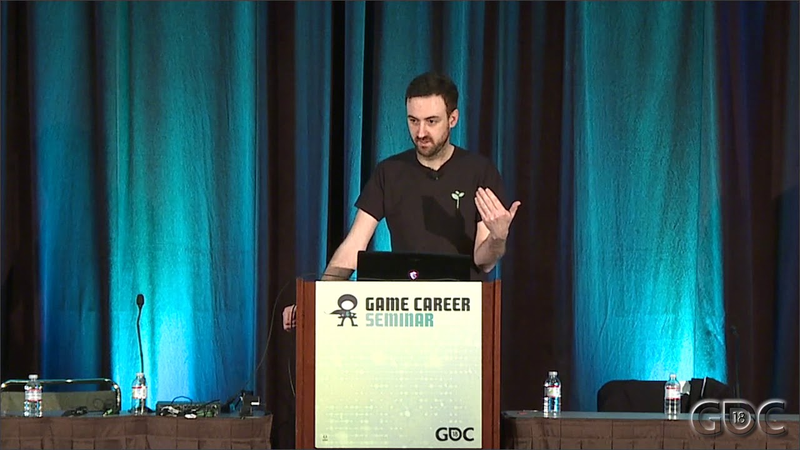
Marketing on Zero Budget
Marketing a video game effectively does not require a large budget, but it does demand a strategic, proactive approach to community building and platform engagement.
- Build a dedicated Discord community early by implementing a 'gated' entry system, such as forcing users to choose a faction upon joining, to foster tribalism and active participation.
- Engage your community by assigning weekly tasks and allowing them to contribute to game assets, such as designing kits or banners, which converts casual followers into committed day-one buyers.
- Identify the specific, exciting hook of your game by testing different descriptions on various audiences until you find the narrative that consistently generates the strongest positive reaction.
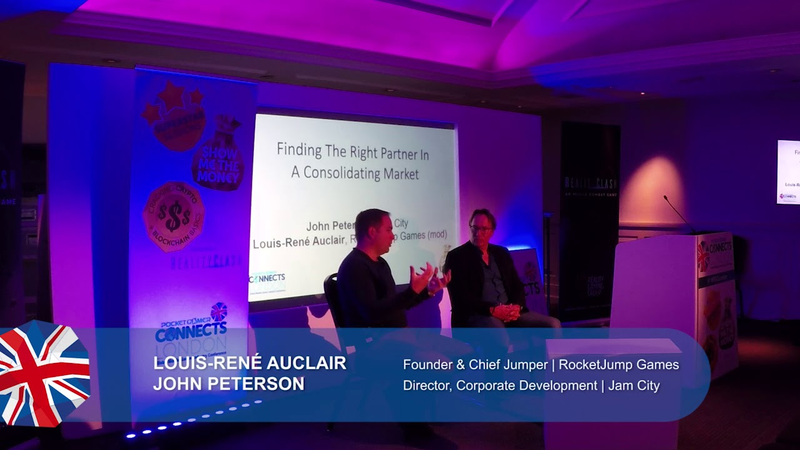
Finding the right partner in a consolidating market
The corporate development strategy at Jam City centers on leveraging mergers and acquisitions to drive long-term growth and diversification within the mobile gaming industry.
- Jam City’s corporate development strategy prioritizes M&A over organic growth to scale its casual and mid-core mobile gaming portfolio.
- The company targets studios with proven track records or high-potential soft-launch projects, providing them with centralized operational support, infrastructure, and machine learning capabilities.
- Acquisition targets are strictly limited to mobile-only titles in North America, Europe, and South America, with an explicit exclusion of PC, VR, and AR gaming sectors.
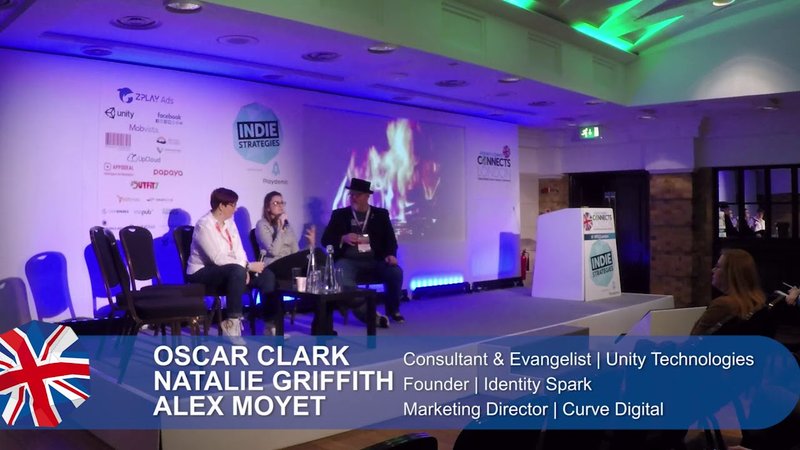
Fireside chat: Brands and indies
This discussion explores the necessity for independent game developers to treat their projects, studios, and personal identities as brands.
- Branding is a strategic necessity for indie developers to build long-term trust and audience loyalty, rather than a purely visual exercise involving logos.
- Developers must integrate marketing and branding functions early in the development cycle to shift from transactional sales to cultivating a dedicated community.
- In a saturated market, consumers perceive every studio through a brand lens, making intentional perception management essential for securing repeat engagement.
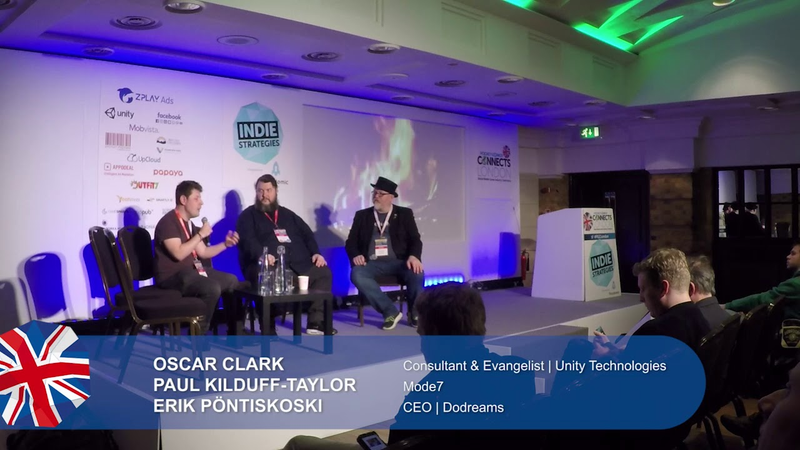
Switching from developer to publisher
The discussion explores the evolving landscape of game publishing, focusing on the shift from traditional developer-publisher relationships to modern self-publishing and hybrid models.
- Developers must treat game projects as businesses by prioritizing product-market fit and market-oriented strategies rather than relying solely on creative focus.
- The decision to engage a publisher should be a strategic choice based on specific needs like funding, marketing, or distribution, rather than a default industry path.
- Studios like Mode7 and Dodreams demonstrate that using early access, soft launches, and prototyping to gather retention data provides the necessary evidence to successfully pitch to investors.
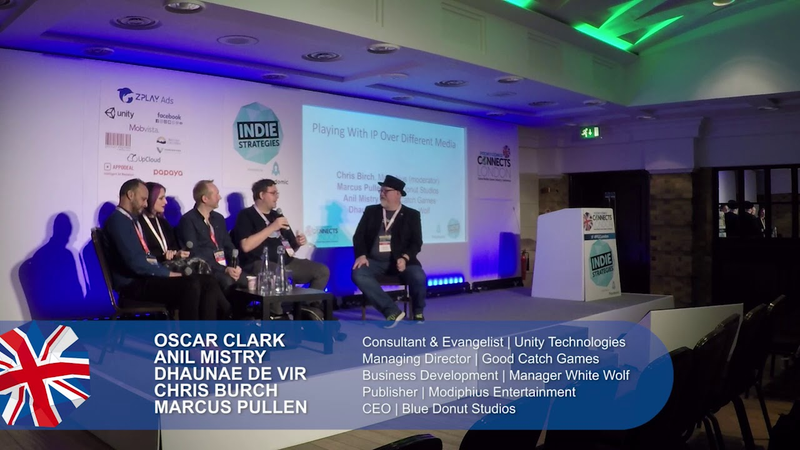
Playing with IP over different media
Successful intellectual property adaptation in the gaming industry hinges on a delicate equilibrium between commercial viability, fan engagement, and an unwavering commitment to the authenticity of the source material.
- Successful IP adaptation requires balancing commercial viability and fan engagement with a non-negotiable commitment to high-quality, authentic game mechanics.
- Strategic IP selection must align directly with a studio’s existing technical capabilities and toolsets to ensure development efficiency.
- Effective partnerships require IP owners to act as active collaborators by providing organized asset libraries, streamlined approval workflows, and robust marketing support.
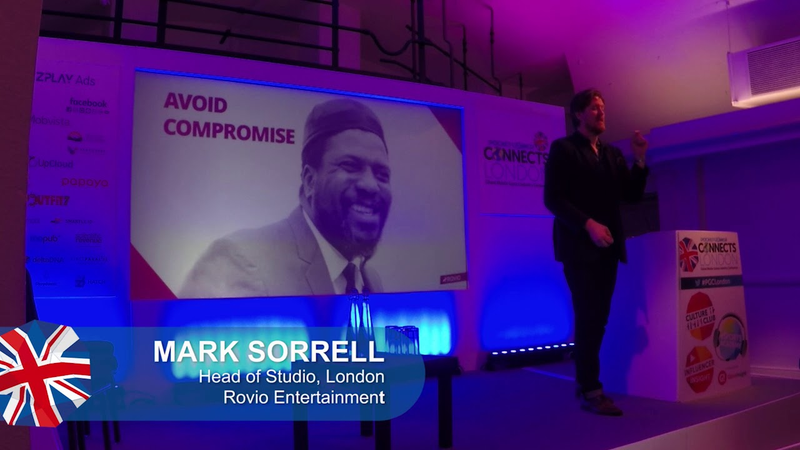
Culture is hard
Building a successful, diverse studio culture is a complex, ongoing process that requires intentionality and a willingness to embrace friction.
- Prioritize cognitive and identity diversity over team homogeneity to avoid mediocre compromises and foster high-quality, innovative creative solutions.
- View studio culture as a living, imperfect process that evolves with every new hire rather than a static goal to be achieved.
- Replace superficial office perks like beer fridges with practical benefits such as flexible working conditions and family support to improve long-term inclusivity.
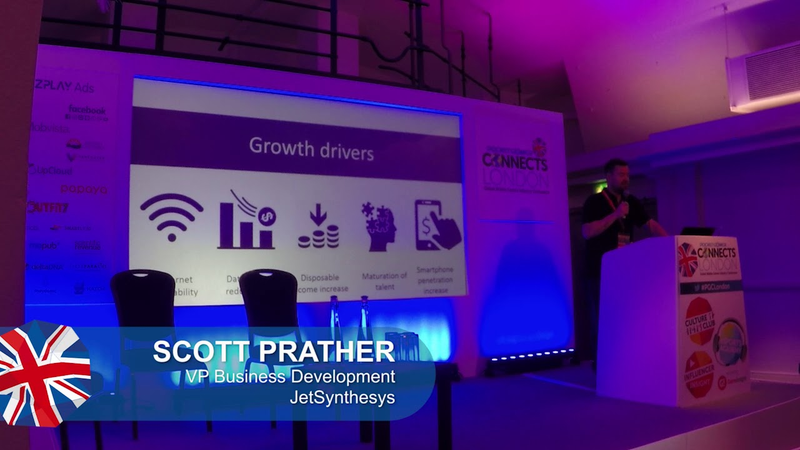
Mobile eports in India
The Indian mobile gaming market represents a significant, high-growth opportunity for developers, characterized by a massive, young population and a rapid transition to smartphone-based internet access.
- The Indian mobile gaming market is driven by a young demographic, with half of the 1.3 billion population under the age of 25.
- Smartphone penetration is rapidly expanding, with device counts projected to reach 530 million by the end of 2018 and internet availability expected to rise to 53 percent by 2021.
- Monetization in India relies heavily on freemium models, as top-tier freemium games generate 22 times the revenue of premium titles, necessitating microtransactions as low as 10 cents.
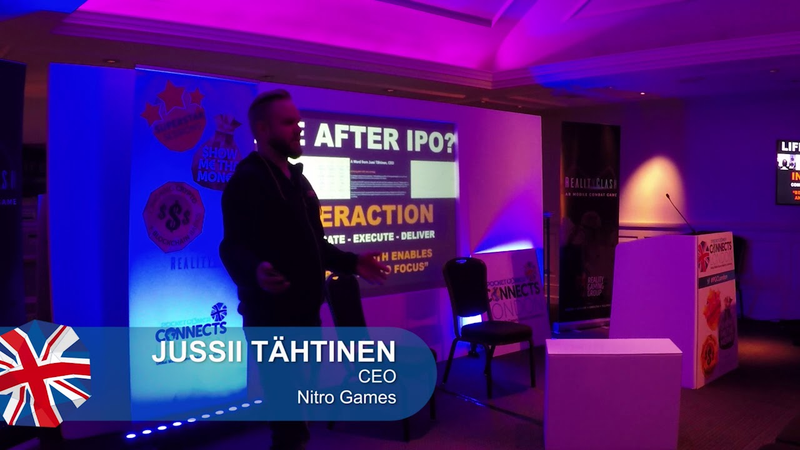
Life as a public indie developer
Nitro Games, a Finland-based mobile gaming studio with a decade of experience and a team of 40, views an initial public offering (IPO) not as an exit strategy, but as a strategic platform for growth.
- Nitro Games, a 40-person studio based in Finland, utilized an IPO on the Stockholm First North market as a growth platform rather than an exit strategy.
- Public listing streamlines business negotiations by providing partners with immediate access to financial and legal documentation, effectively bypassing lengthy due diligence processes.
- The transition to a public entity requires a rigorous operational loop of quarterly reporting and regulatory disclosures, necessitating a balance between administrative transparency and game development.