Game Publishing reports and market data
Documents
The Data Behind 10 Years of Google Play (2018)
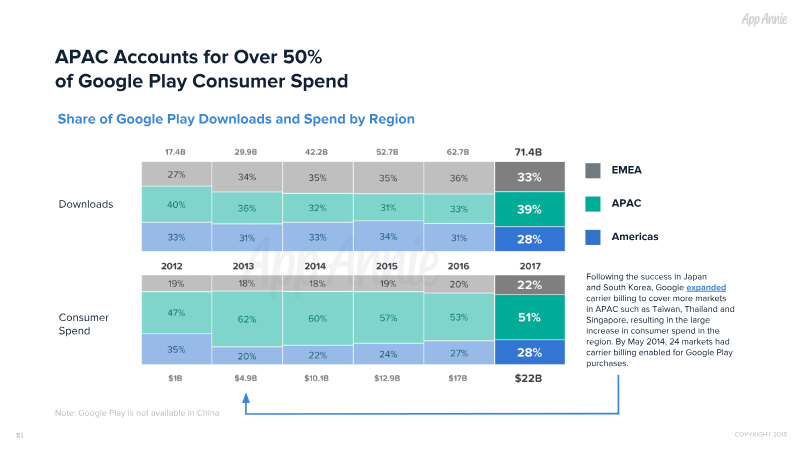
This analysis examines the growth and performance of the Google Play Store over a nearly seven-year period, spanning from January 2012 to August 2018.
- Between 2012 and 2018, the Google Play Store generated over $85 billion in consumer spend across 330 billion total downloads, with more than 5,000 apps surpassing the $1 million revenue milestone.
- Annual consumer spend on Google Play is projected to reach $42 billion by 2022, representing a 90% increase from 2017 levels.
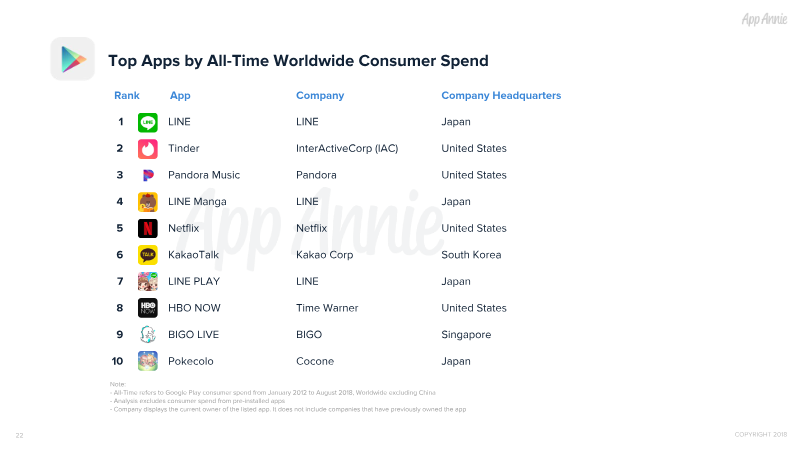
- While India leads in total download volume with 36.9 billion, Japan is the most lucrative market, contributing $25.1 billion in total consumer spend.
Open Production With Sunless Sea: Kickstarter, Early Access and After
Open production serves as a transformative strategy for independent game developers, enabling studios to transition from financial instability to long-term sustainability.
- Open production models like Kickstarter and Early Access provide financial stability and a diagnostic feedback loop that allows developers to refine design and marketing before full release.
- Developers must maintain final authority over creative vision, as relying too heavily on veteran player feedback can skew development toward niche preferences and alienate broader audiences.
- Sustainable financial planning requires that crowdfunding stretch goals remain low-cost and high-engagement to ensure early capital builds a foundation for future projects rather than serving as a temporary fix.
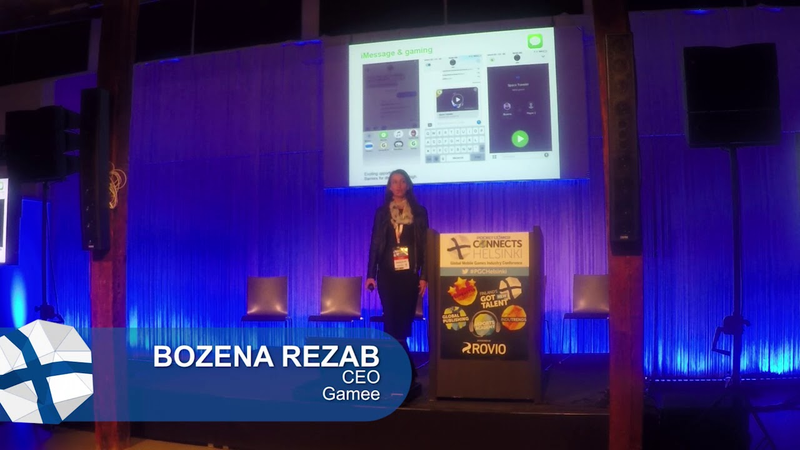
Gaming across platforms. Mobile. Social. Different.
The social gaming platform Gamee leverages HTML5 technology to integrate casual, snackable gaming experiences directly into messaging apps and social platforms.
- Gamee leverages HTML5 technology to embed casual games directly into messaging apps like Telegram, Facebook Messenger, and Kik, bypassing traditional app store discovery challenges.
- The platform currently reaches 8 million monthly active users and generates 300 million monthly gameplays across a library of 70 titles.
- Pairing games with bot technology significantly increases retention by delivering personalized, group-relevant notifications that outperform traditional push notifications.
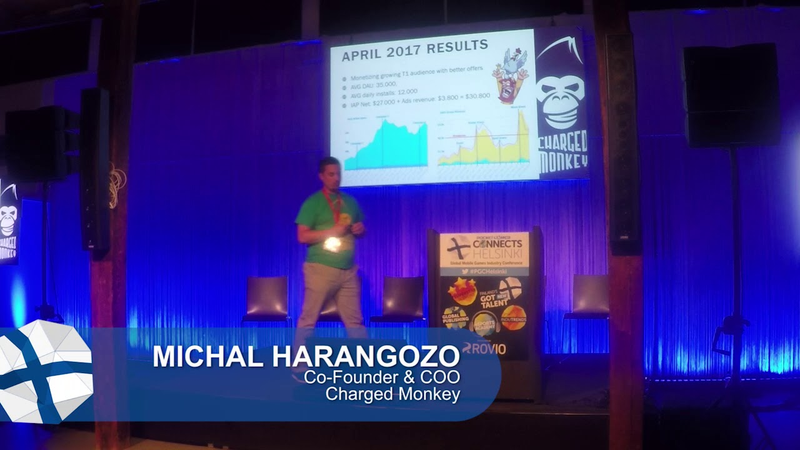
Big data case study: Self-publishing What The Hen!
The mobile game startup behind the title What The Hen! provides a case study on the challenges of self-publishing and the critical role of influencer marketing in achieving financial stability.
- Influencer marketing was the most effective acquisition channel for What The Hen!, outperforming organic, Facebook, and standard paid user acquisition in terms of retention.
- Scaling influencer campaigns is non-linear; the team learned that a successful $500 test does not guarantee a proportional return on a $20,000 investment, which resulted in significant financial losses.
- After 11 months of struggling in soft launch on iOS, the team pivoted to Android, which resulted in a significant increase in installs and positive A/B testing results.
Working with big partners: The PlayRaven way
PlayRaven, a Helsinki-based mobile game studio, has shifted its strategic focus toward developing large-scale multiplayer experiences in collaboration with major industry partners.
- PlayRaven pivoted from single-player mobile games to a multiplayer-first model to overcome high user acquisition costs and poor long-term retention.
- The studio maintains a business development pipeline of approximately 20 potential partners to ensure a consistent flow of collaboration opportunities.
- Project viability is determined by a proprietary forecasting tool that evaluates seven core performance metrics, including long-term retention and ARPDAU, against external analytics data.
The myth and reality of the China games market
The Chinese mobile gaming market represents the world’s largest sector, boasting approximately 570 million gamers and generating $28 billion in annual revenue.
- The Chinese mobile gaming market is the world's largest, with 570 million gamers generating $28 billion in annual revenue.
- Western developers face high barriers to entry but find success by focusing on casual genres like racing, puzzle, and simulation games, rather than the RPG and strategy titles dominated by local firms.
- The Android ecosystem is highly fragmented, with handset manufacturers (Huawei, Oppo, Vivo, and Xiaomi) now controlling approximately 50% of the market share.
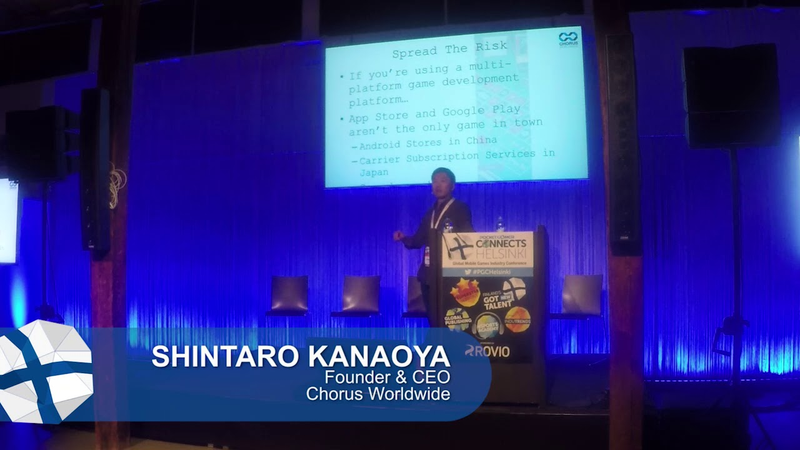
Lessons from Asia for mobile games developers
The mobile gaming market in Asia, particularly in Japan, China, and South Korea, represents a critical growth opportunity for independent developers.
- Asia represents a massive, high-growth opportunity for mobile developers, with Japan having been identified as the world's largest app store by revenue as early as 2013.
- Avoid 'over-localization' by using native-language game experts rather than literal translation, as direct translation can result in incorrect terminology, such as using outdated phrasing or failing to use established genre-specific terms.
- Developers should budget an additional 5–10% of their total development costs upfront to account for Asian market requirements, such as text display adjustments and cultural content considerations, to avoid costly post-development fixes.
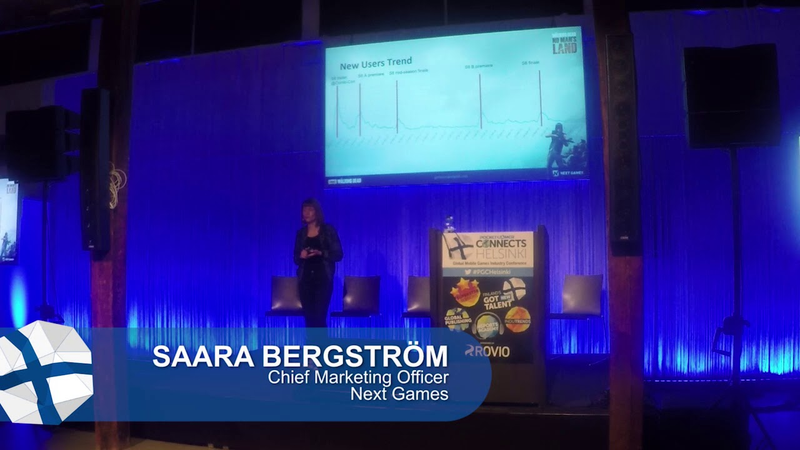
5 things Next Games learned from The Walking Dead: No Man’s Land
Next Games, a mobile developer specializing in licensed entertainment franchises, identifies five core strategic pillars for successfully translating global intellectual property into engaging mobile experiences, based on the development and operation of The Walking Dead: No Man’s Land.
- Synchronize game updates, marketing, and community management with the source material's broadcast schedule to maximize user acquisition and retention.
- Integrate IP owners as core partners rather than external entities to gain access to exclusive content and ensure authentic brand representation.
- Conduct deep audience research to identify specific demographics, such as younger fans prone to FOMO, and tailor game mechanics to their behavioral tendencies.
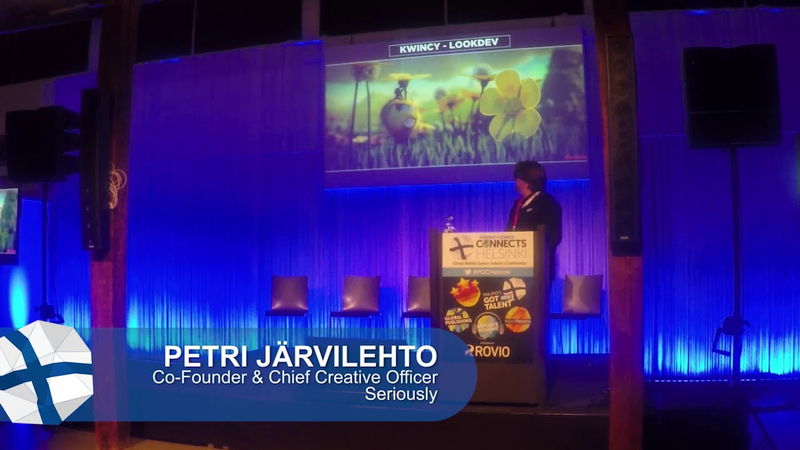
Building brands over time: The story of Best Fiends developer Seriously so far
The development of the Best Fiends franchise serves as a case study in prioritizing long-term intellectual property (IP) growth over short-term mobile game performance.
- Seriously prioritized long-term IP growth by conceptualizing the Best Fiends franchise as a multi-game trilogy and cohesive world rather than a standalone mobile title.
- The franchise achieved significant scale by 2017, surpassing 70 million downloads and hitting record revenue months.
- The studio allocates approximately 50% of its marketing budget to creative content, such as high-quality animations and short films, to build a lasting brand legacy.
Superstar Session: A few words from Angry Birds developer Rovio
Rovio Entertainment’s strategic evolution centers on its transition from a premium game developer to a "games-first" entertainment company powered by the free-to-play model.
- Rovio has transitioned to a 'games-first' entertainment model, shifting from one-time premium purchases to a free-to-play service strategy that extends game life cycles to three years or longer.
- The company’s financial stability relies on a portfolio approach where its top five titles generate approximately 80% of total revenue.
- Rovio aggressively scales user acquisition, having increased performance marketing spend from 20 million euros in 2016 to 45 million euros over the following 12 months.
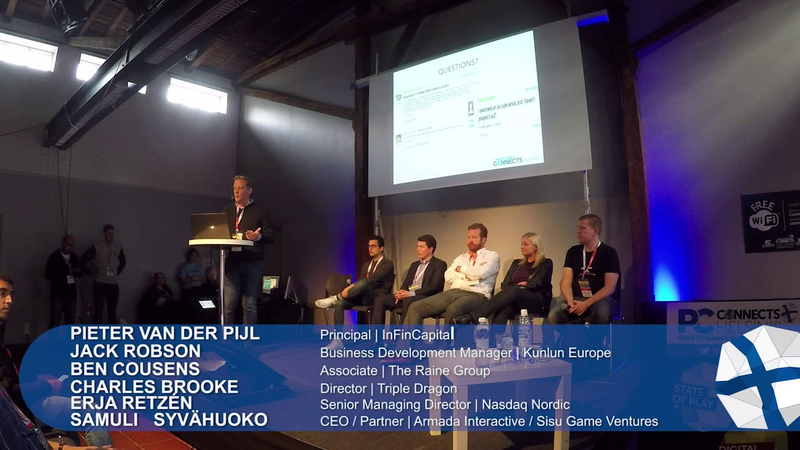
Meet the games investors and discover what they look for in developers
Securing investment in the gaming industry requires a disciplined approach that balances creative vision with rigorous business acumen.
- Investors prioritize developers who demonstrate a balanced capability to manage both creative game design and the commercial realities of the marketplace.
- Pitch decks must be grounded in verifiable performance metrics, specifically focusing on cost per install, lifetime value, and day-28 retention to prove long-term sustainability.
- Funding strategies must be stage-appropriate, shifting from a focus on prototype strength and team experience at the seed stage to robust financial performance and monetization strategy for later-stage growth.
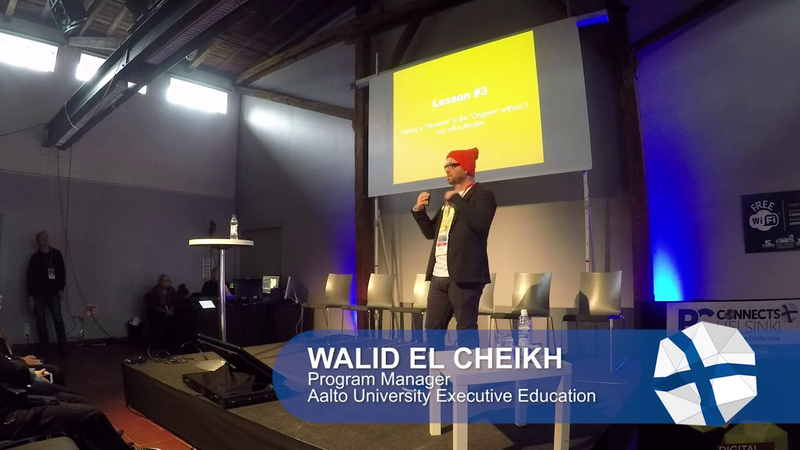
Pitching is scary, networking is hard
Effective communication, whether for securing game industry funding or navigating personal interactions, relies on mastering the art of persuasion through structured, persistent, and adaptable messaging.
- A successful pitch must follow a structured progression: start with a concise punchline, define the problem, present the solution, explain the business model, highlight team strengths, and conclude with a clear, actionable request.
- Effective communication requires brevity and clarity to overcome limited human attention spans, which are often compared to those of a goldfish.
- Pitching success depends on tailoring the message to the specific audience and context rather than relying on a single, universal presentation.