Game Publishing reports and market data
Documents
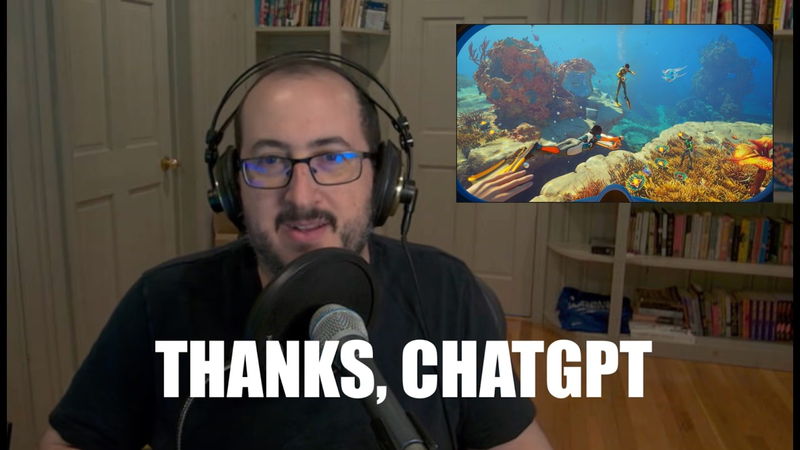
Inside The $250 Million Subnautica 2 Battle
The legal and corporate conflict surrounding the release of Subnautica 2 centers on a $250 million performance-based bonus that the publisher, Krafton, attempted to avoid paying to the developer, Unknown Worlds Entertainment.
- A Delaware court ruled in March 2026 that Krafton attempted to terminate the leadership of Unknown Worlds Entertainment to avoid paying a $250 million performance-based bonus tied to the acquisition of the studio.
- The court found Krafton’s allegations of data theft and neglect of duty against CEO Ted Gill and co-founders Charlie Cleveland and Max McGuire to be pretextual maneuvers designed to evade contractual obligations.
- A July 2026 settlement mandated that the $250 million bonus be paid to studio employees, including staff previously excluded from the original incentive agreement, with payments distributed in installments through 2028.
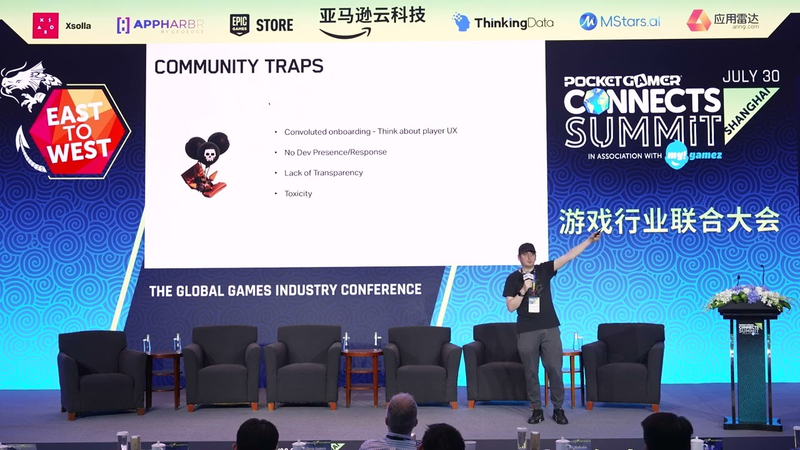
Supercell's Vladislav Perge talks Community Management In 2025
Community management in 2025 requires a shift from traditional, scripted PR approaches toward authentic, human-centric engagement.
- Effective community management in 2025 requires moving away from formal, PR-style communication like 'Dear players' in favor of authentic, human-to-human interaction.
- Community managers should prioritize identifying and nurturing passionate, grassroots content creators over those with high follower counts, as passion is a more reliable indicator of long-term community growth.
- Transparency is critical to preventing toxic speculation; if a game issue arises, developers should immediately acknowledge the problem and signal that it is being addressed, even if a final solution is not yet ready.
Why co-publishing might be your best option for entering the Chinese market
China represents a significant growth opportunity for global game developers, accounting for approximately 30% of worldwide gaming revenue.
- China represents approximately 30% of global gaming revenue, yet the market remains largely untapped by overseas developers.
- The co-publishing model allows developers to retain control over their IP and game operations, mitigating the risks associated with handing over source code to third-party publishers.
- Successful entry into the Chinese market requires a long-term commitment, with partnerships ideally spanning 5 to 20 years rather than short-term cycles.
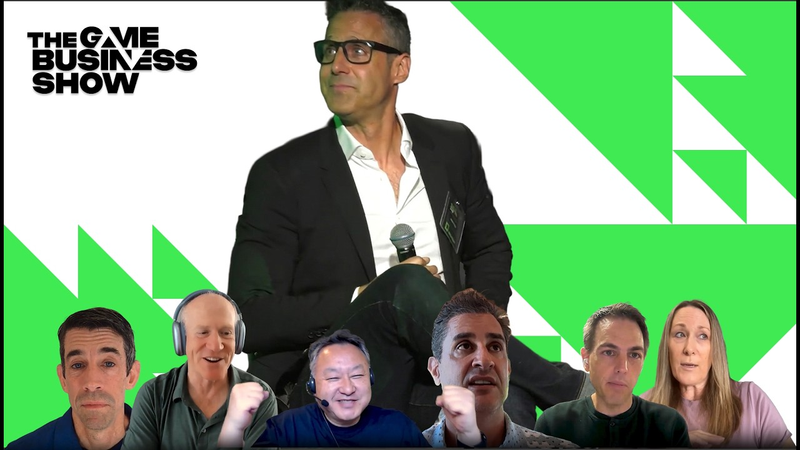
Naughty Dog co-founder Jason Rubin on Crash Bandicoot, trying to save THQ, and the state of VR
The evolution of the video game industry is defined by a persistent tension between creative autonomy and the logistical constraints of corporate oversight.
- The success of the Crash Bandicoot franchise demonstrates that high-quality design and strategic platform targeting can overcome restrictive management environments and manufacturing bottlenecks.
- Efforts to revitalize legacy publishers like THQ reveal that deep-seated operational and financial systemic issues often negate the output quality of individual development teams.
- The industry-wide shift toward edgier content and increased production budgets was largely driven by the competitive pressure to match the market success of titles like Grand Theft Auto.
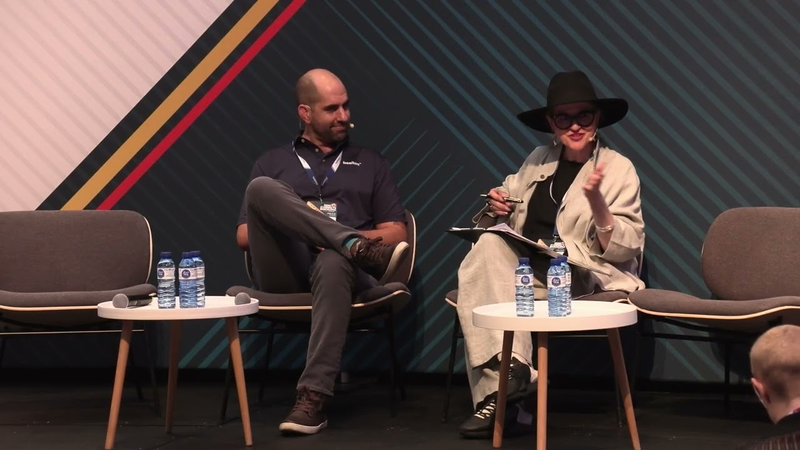
Session: Beyond Ads: How Publishers Are Rewriting Mobile Gaming Monetization - J. Vause & A. Jones
The mobile gaming industry is currently undergoing a shift in monetization strategies, moving beyond traditional advertising and in-app purchases toward integrated, rewarded ecosystems.
- Mobile monetization is shifting from traditional ads and in-app purchases toward integrated, rewarded ecosystems to combat rising user acquisition costs and ad fatigue.
- The most effective monetization strategy is a hybrid model that uses AI and machine learning to deliver personalized rewarded offers—such as surveys, retail deals, and third-party installs—at optimal moments.
- While gaming-related offers currently generate the highest revenue, diversifying with non-gaming rewards is essential to maintain engagement across varied user segments.
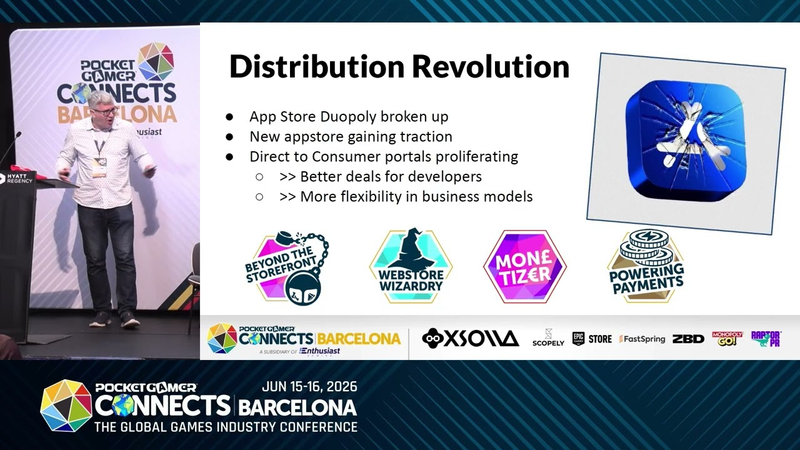
Welcome to Pocket Gamer Connects Barcelona 2026 - Chris James, Steel Media.
Pocket Gamer Connects Barcelona 2026 serves as a global industry gathering, bringing together representatives from 48 nations to facilitate business development, networking, and knowledge sharing.
- The games industry remains the world's largest entertainment sector, with total market value exceeding $200 billion, though this figure excludes significant revenue streams like console hardware sales and advertising.
- Direct-to-consumer (D2C) solutions are a critical growth area for mobile developers, currently generating an estimated $1.2 billion in annual run rate.
- User-Generated Content (UGC) platforms like Roblox are commanding massive engagement, with Roblox's attention time now competing directly with major streaming services like Netflix.
Why did PlayStation buy Bungie in the first place?
The acquisition of Bungie by PlayStation for $3.6 billion in 2022 serves as a case study in the challenges of pivoting toward a live-service business model.
- PlayStation acquired Bungie for $3.6 billion in 2022 to accelerate its transition into the live-service market, but the strategy has resulted in approximately 700 layoffs and underwhelming performance for projects like Marathon.
- The console market is experiencing a period of stagnation, with U.S. hardware unit sales hitting record lows for both PlayStation and Xbox due to rising component costs and repeated price hikes.
- U.S. gaming revenue showed only a marginal 1% year-over-year increase in May, reflecting a broader cooling trend as consumers delay spending while anticipating the next generation of consoles expected in 2028.
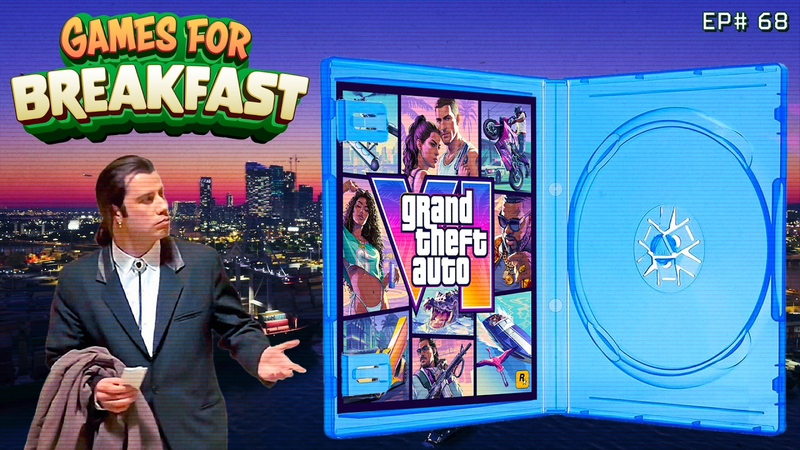
Grand Theft Absent, Steam Machine Caught in the RAM racket & Bungie’s Bad Day | Games For Breakfast
The gaming industry is currently navigating a period of significant volatility characterized by aggressive monetization strategies, widespread workforce instability, and hardware market challenges.
- Grand Theft Auto 6 will launch with a $79.99 standard edition price point and lacks physical media, a move that may set an industry precedent for other publishers to follow.
- The $55 billion acquisition of Kadokawa involves $20 billion in loan financing, highlighting the high levels of debt-based leverage currently used in major gaming industry mergers.
- Bungie is facing significant internal challenges, including layoffs and criticism regarding its monetization strategies, such as the implementation of multiple currencies and gated content in Destiny.
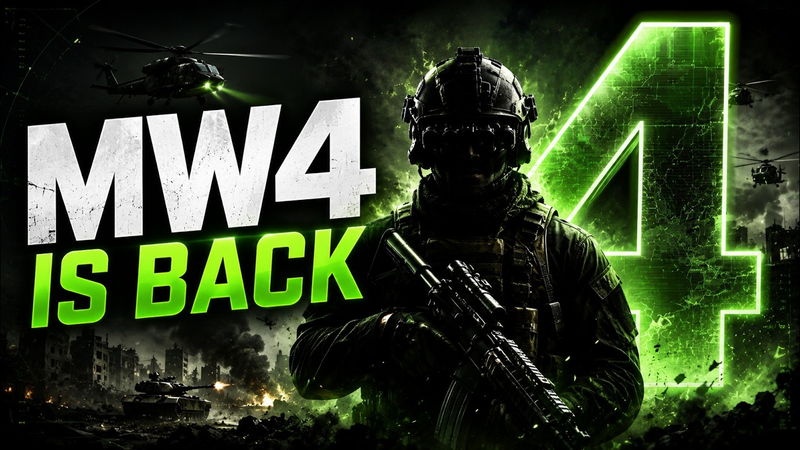
Call of Duty Modern Warfare 4 Reveal!!
The reveal of Call of Duty: Modern Warfare 4 marks a significant strategic pivot for the franchise, focusing on technical modernization and a departure from legacy hardware.
- Call of Duty: Modern Warfare 4 will exclusively support current-generation hardware, officially ending support for PlayStation 4 and Xbox One.
- Warzone service on legacy consoles is scheduled for full termination in October to facilitate the transition to modern hardware.
- The game introduces a modular map system called 'kill blocks' that randomizes environmental layouts and removes legacy features like omni-movement to refine core mechanics.
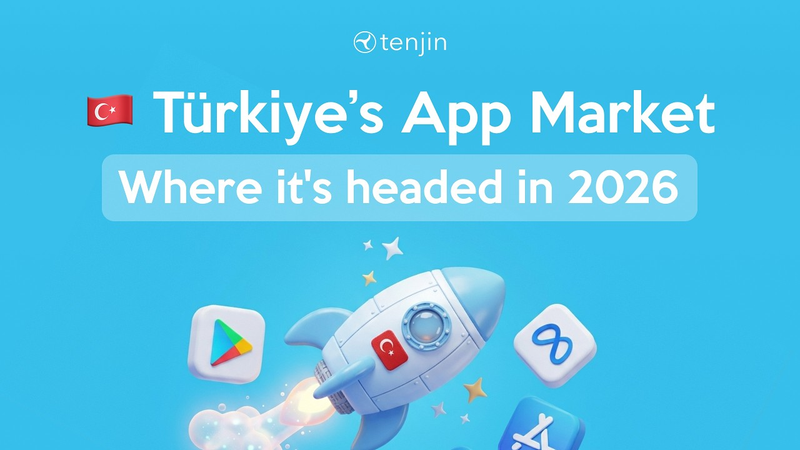
From Games to Apps: The Evolution of Türkiye's Mobile Ecosystem
Türkiye has established itself as a formidable force in the global mobile gaming industry, driven by a unique ecosystem that prioritizes rapid iteration and the replication of proven mechanics over traditional innovation.
- The Turkish mobile gaming ecosystem was catalyzed by the success of Peak Games, which created a 'Peak Mafia' effect where experienced talent left to found new studios, leveraging their track record to easily secure venture capital.
- Turkish mobile studios prioritize a borderless business model by targeting US players directly rather than testing in the domestic market, allowing for rapid iteration and global scaling without the long development cycles associated with PC gaming.
- Government support acts as a significant competitive advantage, with the Turkish state reimbursing up to 50% of marketing and user acquisition costs for mobile game developers.
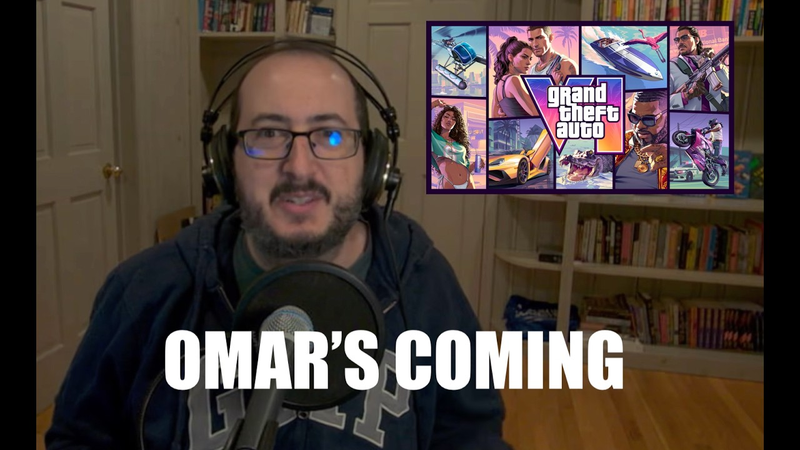
Why Grand Theft Auto VI Is Scaring Off Other Games
The upcoming release of Grand Theft Auto VI, scheduled for November 19, 2026, is exerting significant pressure on the broader video game industry, forcing publishers to adjust their release calendars to avoid direct competition.
- Grand Theft Auto VI is scheduled for release on November 19, 2026, forcing other publishers to shift their launch windows to September 2026 or the first quarter of 2027 to avoid direct competition.
- Market research shows that 63% of U.S. gamers purchase two or fewer games annually, creating a high-stakes environment where GTA VI is expected to capture the majority of consumer discretionary spending.
- Publishers are avoiding the November 2026 launch window to prevent their titles from being overshadowed by the massive media coverage and promotional dominance expected for GTA VI.
'Shareholder Greed' And How Publicly Traded Companies Actually Work
Publicly traded companies in the video game industry operate under a structural mandate to prioritize growth and shareholder returns, a system often mischaracterized as mere corporate greed.
- Publicly traded companies are legally bound by fiduciary duty to maximize profits for shareholders, which mandates a constant focus on growth and quarterly earnings performance rather than individual creative or product-based decision-making.
- Privately owned studios like Larian (creators of Baldur's Gate 3) have a competitive advantage in risk-taking because they are not beholden to public market expectations, allowing them to pursue unconventional development cycles like multi-year early access.
- The 'greedy' behavior often attributed to gaming executives is a systemic output of the public market structure, where institutional investors—including pension funds and retail 401k holders—demand consistent annual returns of 7% to 10% or higher.