Game Publishing reports and market data
Documents
No Bull with Joseph Kim, Founder of LILA Games & Game Makers
Building a successful game studio requires a fundamental shift from product-centric models to a focus on organizational health, human capital, and rigorous internal processes.
- Long-term studio viability is driven by organizational health and human capital rather than individual creative output or product-centric models.
- Operational success in competitive genres requires disciplined hiring and generalist workflows to avoid the cascading failures caused by rapid, misaligned scaling.
- Founders must foster a culture of objective debate to counteract conformist professional discourse and mitigate the emotional volatility inherent in the startup environment.
Generative AI: Maximising Deployment Whilst Minimising Legal Risks - Jonty Cowan, Wiggin LLP
The integration of generative AI into the video game industry presents significant opportunities for development, yet it introduces complex legal risks that require proactive management.
- Studios face severe legal consequences for AI misuse, including costly litigation, injunctions, forced product destruction, and the potential termination of publishing agreements.
- AI tool providers often include terms of service that grant the provider broad rights to user-generated outputs, which can compromise a studio's exclusive ownership of its own assets.
- Inputting proprietary source code or confidential data into AI models creates significant risks regarding the loss of trade secrets and potential data breaches.
Critical Lessons Learned From Launching 30+ Web3 Games! - Wonil Suh, Wemade
The evolution of Web3 gaming mirrors the transition to microtransactions and online connectivity observed in the South Korean gaming market two decades ago.
- Gameplay quality is the primary driver of retention, as evidenced by Wemade’s data showing that only 15% to 30% of their active player base currently connects a digital wallet.
- Tokenomics must be integrated as a core game design mechanism rather than a financial feature, as excessive initial supply causes inflation while overly restricted supply stifles liquidity.
- Wemade, a public company with 1,700 employees, has launched 28 Web3 titles to date and is targeting a total of 60 games by the end of the year.
Microsoft Unblocked / FF16 Sales / Classic Game Archive Issues
The gaming industry is currently navigating a period of significant structural transition, marked by the consolidation of major publishers and the ongoing evolution of digital distribution models.
- The judicial clearance of Microsoft’s acquisition of Activision Blizzard is expected to trigger a new wave of large-scale industry consolidation.
- 87% of classic games released before 2010 are currently commercially unavailable, driven by poor internal asset management and the technical barriers of live-service infrastructure.
- Subscription services like Xbox Game Pass risk capping financial upside and altering game design incentives, likely pushing the industry toward a hybrid model of subscription and traditional retail.
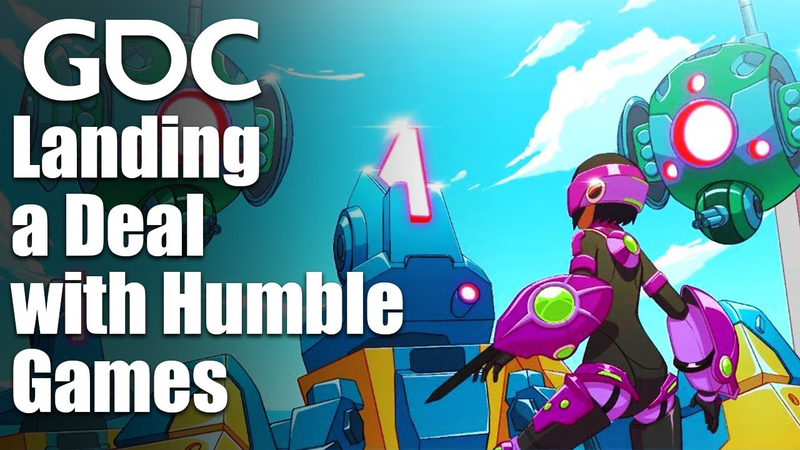
Finding Inspiration and Planning Luck: A Story of a Solo Dev-Dad of Color
The development of Protodroid DeLTA serves as a case study for the viability of solo game creation when balanced against the demands of professional life and fatherhood.
- Solo developers can mitigate the risks of independent game creation by using an iterative development process that aligns ambitious design goals with the practical constraints of limited time and resources.
- Success in the competitive gaming industry is best achieved by treating networking, recruitment, and outreach as statistical probabilities to manufacture opportunities for partnerships and publishing deals.
- Sustaining a multi-year development cycle while balancing professional and family responsibilities requires a disciplined schedule of working nights, weekends, and vacation time fueled by a clear personal mission.

PREVIEW: Wishlist And Visibility Masterclass 2.0
The Steam visibility masterclass focuses on demystifying the platform’s algorithmic filtering process to help independent developers maximize their game’s reach.
- Steam’s algorithm prioritizes titles that reach a revenue milestone of approximately $250,000, which serves as the critical threshold for sustained, platform-wide promotion.
- Visibility on Steam is structured as a tiered system where a small percentage of top-performing games receive the vast majority of impressions, while others are algorithmically deprioritized.
- Before launch, Steam’s algorithm gauges a game's potential by monitoring external traffic sources, including social media and streaming platforms.

What If? Who can make a great gaming smartphone? | Pixels & Profits #4 (Part 2 of 3)
The modern smartphone market is defined by a rigid global duopoly between Apple and Google, whose dominance is sustained by massive installed bases and the integration of hardware, software, and distribution platforms.
- The global smartphone market is currently a rigid duopoly dominated by Apple and Google, sustained by their integrated hardware, software, and distribution ecosystems.
- Nintendo is identified as the most viable candidate to disrupt the smartphone market due to its strong brand equity, proven track record with portable hardware like the Switch, and deep library of exclusive intellectual property.
- A successful gaming-focused smartphone must move away from the prevalent ad-supported and in-app purchase models, instead offering a premium, non-exploitative software experience to differentiate itself.
The History of D&D Hasbro Refused to Learn From
The history of Dungeons & Dragons (D&D) is defined by a recurring cycle of legal disputes, licensing shifts, and fan reactions that have fundamentally shaped the tabletop role-playing game (TTRPG) industry.
- D&D’s commercial success is historically tied to open licensing models, most notably the Open Game License (OGL) introduced in the early 2000s, which fostered community growth and third-party content.
- Restrictive licensing policies consistently trigger market decline and fan alienation, evidenced by the 2008 transition to the fourth edition's Game System License (GSL), which directly led to the rise of the competitor game Pathfinder.
- TSR’s aggressive legal strategy in the 1980s against third-party publishers and fans fragmented the market and incentivized competitors to develop original gaming systems.
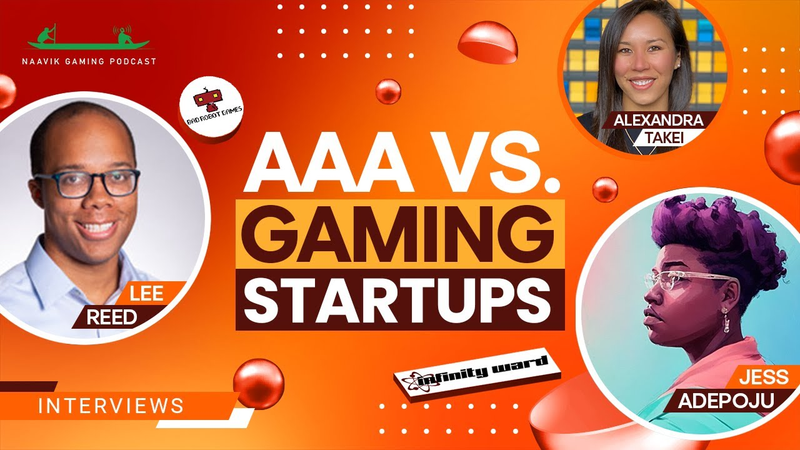
AAA vs. Gaming Startups
The gaming industry is defined by a fundamental dichotomy between the structured, resource-heavy environments of AAA studios and the agile, high-risk nature of gaming startups.
- Success in game development is driven by leadership vision and internal culture rather than organizational scale, with diverse teams serving as a strategic imperative to reach global audiences.
- AAA studios prioritize stability and risk mitigation through established genres and portfolio management, while startups must focus on rapid monetization and niche market disruption to ensure survival.
- Career development paths differ by environment: AAA studios offer specialized mentorship and discipline mastery, whereas startups provide broad exposure and autonomy suitable for those seeking leadership roles.
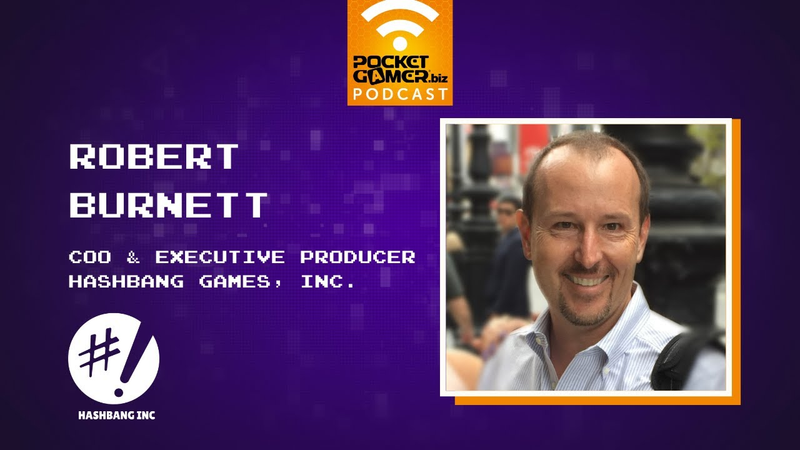
Hashbang Games’ Robert Burnett On Equipping Indies With AAA Strength With A Cross-Platform Approach
Independent studios must adopt a cross-platform, games-as-a-service model to remain competitive in an increasingly connected global market.
- Independent studios can achieve AAA-level backend and analytics capabilities by utilizing off-the-shelf infrastructure providers such as PlayFab, Beamable, and GameSparks.
- Adopting a cross-platform, games-as-a-service model is essential for indie developers to maintain long-term player engagement through iterative updates beyond the initial launch.
- Indie developers should leverage their organizational agility to target specific niches with focused, high-quality experiences rather than attempting to compete directly with massive AAA titles.
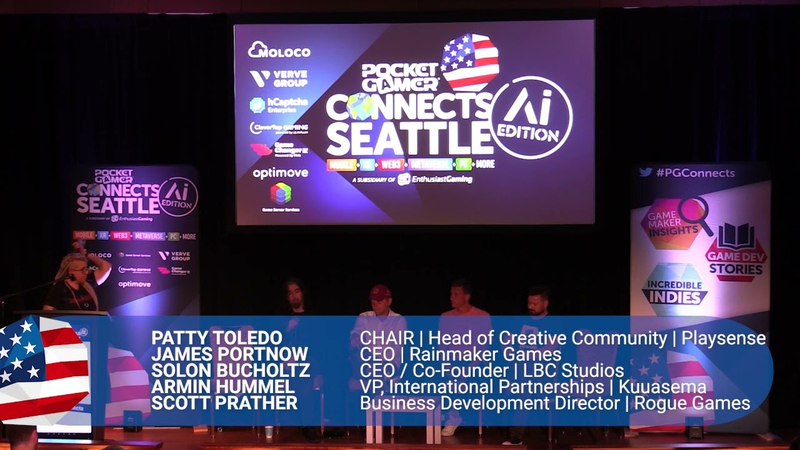
Panel: Defining indies: Is there still space in the industry for the underdogs?
The independent game development sector remains a vital, innovation-driven pillar of the broader industry, despite facing significant challenges from market saturation and rising user acquisition costs.
- Independent studios must prioritize community-centric development as a foundational requirement, using platforms like Discord and social media to validate prototypes and refine core mechanics before full-scale production.
- Success in a saturated market requires balancing creative passion with data-informed decision-making and rigorous scope management to compete against larger industry entities.
- Industry consolidation is a positive indicator of market health, signaling sustained demand from major publishers for the creative agility and unique talent found in independent teams.
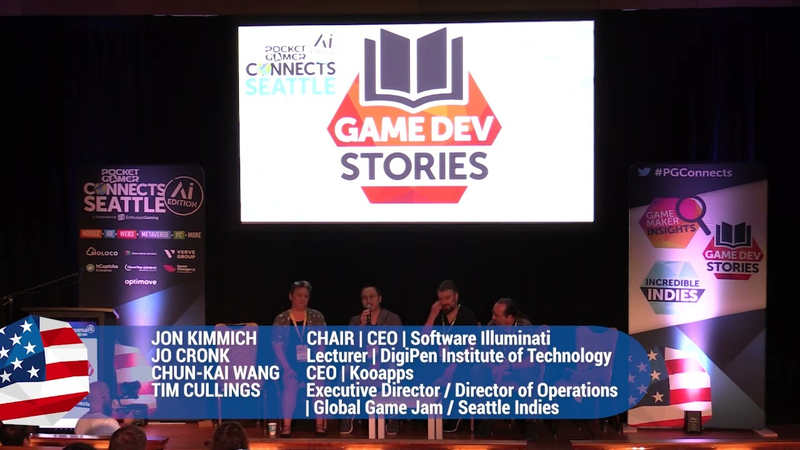
Panel: Looking back: What I Wish I Had Known Then
The evolution of game development has shifted from intuition-based design toward a rigorous, data-driven methodology.
- Studio success requires balancing creative ambition with rigorous, data-driven methodologies, including early playtesting and analytics to manage player cognitive load.
- Financial stability is the foundation of a healthy studio, as consistent revenue growth is required to maintain competitive compensation and sustainable team environments.
- Commercial viability must be prioritized early through integrated monetization strategies, as critical acclaim does not guarantee market success.