1 free read left. Create a free account for unlimited reading + AI research.
Create free account
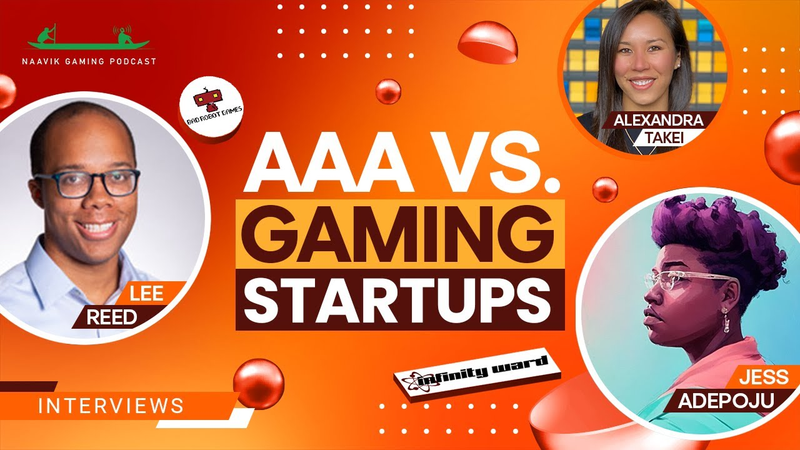
AAA vs. Gaming Startups
Key insights
6 takeaways- 01Career development paths differ by environment: AAA studios offer specialized mentorship and discipline mastery, whereas startups provide broad exposure and autonomy suitable for those seeking leadership roles.
- 02AAA entities utilize rigid, multi-stage validation gates to manage large-scale projects, contrasting with the startup necessity of maintaining immediate runway and a clear, viable product vision.
- 03AAA studios prioritize stability and risk mitigation through established genres and portfolio management, while startups must focus on rapid monetization and niche market disruption to ensure survival.
- 04Strategic decision-making is data-driven in both sectors, but AAA studios focus on protecting existing player bases while startups leverage licensed intellectual property or rapid innovation to capture underserved audiences.
- 05Operational frameworks are converging, with both studio types increasingly adopting hybrid methodologies that blend waterfall processes with agile workflows to manage live-service complexities.
- 06Success in game development is driven by leadership vision and internal culture rather than organizational scale, with diverse teams serving as a strategic imperative to reach global audiences.
Ask AI about this video
Transcript
foreign [Music] gaming podcast where it is our mission to explore the business and future of video games we bring together the industry's brightest Builders investors and thinkers to keep a full sun current events dissect emerging Trends and games share Lessons Learned and have a great time this podcast is also part of novik's growing ecosystem which ranges from free and premium research to Consulting and advisory services for more information visit www.navic.com now let's jump into the episode hello everybody and welcome to the non-opic gaming podcast I'm your host Alexandra Takei and this is the interview and insight segment Industries go through mass disaggregation and consolidation and such as the cycle of business and such a Time Has Come for gaming dozens and dozens of X Riot explicit xea game studios have flooded the market tech companies and film groups have announced
their foray into gaming as imported by reported by invest game in 2022 there were 782 closed deals across game studios infra VR and AR web3 and more tldr everyone listening probably knows a developer that has abandoned their Post in AAA or mobile to embark on their next new adventure So today we're going to be talking about what it's like to work in AAA versus a gaming startup and what should you do if you're contemplating an offer between a seed stage or early stage game studio and an established Studio be thinking about before signing and what role do AAA and game startups play in the innovators dilemma in order to hear both sides of the story I brought on two guests who can speak precisely to the subject matter first just add a pohu lead producer at Bad Robot Games Bad Robot for those who don't recognize the the name is the gaming house underneath Bad Robot Productions the production company founded by and led by legendary director JJ Abrams Jess is also an alumni of Stanford's GSB and runs a Consulting business for indie game devs called the
Indie intellectual welcome to the Pod Jess hi happy to be here yay and next up we've got another Stanford alumni my close mentor and friend Lee Reed City of product lead at Infinity Ward on Call of Duty Lee and I worked together quite a bit on Hearthstone during one of his NBA rotations and I basically attribute my acceptance to Stanford to him let's just say that my first draft of the what matters to me most and why I say was not in the best of spots when Lee first got eyes on it um but Welcome to the podly yeah thanks for having me Alex good to see you again as well Jess likewise very good to have you both on I just saw Lee the other day we caught up at the night Management Center during the five-year reunion and that was just really really fun so I'm really excited to have just two fellow fellow GS beers um on the podcast and I know that I introded you guys briefly but I would love for you guys to both share your pathway into games for the audience and for my sake actually give one sentence about what it was like to be into games
while attending the GSB um Jess how about you go first sure sure um yeah pathway into games so uh I don't know if I'm gonna say anything too unique here for anyone listening who has kind of done the business into games pathway but I started my career uh like many folks in business and Consulting uh didn't like that very much it didn't really fit who I was as a person um but the good news is that through that I discovered a love of product which eventually led me to the GSB and eventually Activision Blizzard um and ab has a fantastic business to gaming programs a rotational program you go nine months through each of its big operating houses King blizzard uh and Activision and that's actually uh a common point that Lee and I have we we did the same program and we're very close classmates in terms of that so um that's kind of how I got into games and then what was the one sentence question um what it was like to be into games while at the GSB oh yeah
um honestly Alex Lee I'm curious what you guys think about this but for me it was a positive experience I find GS beers like to have a stick or a differentiator and that was my differentiator when I was there I was one of the co-presidents people came to know me as that gaming kid like folks would ask me questions about it and even to this day that's kind of what I'm known for so it was a great experience for me um the GSB is not necessarily the most gaming focused business school out there but uh I I got a lot of value out of it while I was there well it's the same now um a couple years down the line I'm also the gaming person I'm also the random gaming girl uh and it's still not a gaming Focus school so I was just interesting to sort of see um Lee how about you yeah very similar in some ways I think for me like similarly you all like grow up a lifetime gamer played a lot of games growing up and that actually led me to this world where I really wanted to create games so started programming
when I was young would make these educational games for teaching kids how to do math got into computer science and honestly it was a little bit of a black box at least coming out of the Midwest how do you actually get into gaming so ended up bouncing around in other Industries and then found my way back about five six seven years ago time is a blur with pandemic Etc um and then since then joined a similar program that just started off my journey more in like the business route so looking at like corporate strategy what organizations or companies should Activision Blizzard actually purchase or acquire to our platform strategy and then from there move the arm more so towards blizzard and got to work with you Alex on Hearthstone which is a ton of fun trying to hit Legend every every season um I I made it I did not make it yeah no yeah it took a lot of hours um eventually made it um and then after that spent time and
kind of went full circle with first actual launch on Tony Hawk which was a game I played a ton growing up and then now at Infinity Ward working on Call of Duty so definitely has been a bit of a world when a ton of fun I think when I was at the GSB one of the coolest things about gaming as an industry is that there's always something changing there's always growth whether that's technology whether that's art whether that's their whether that's business model Innovation if you look at the trends right now with transmedia as well like so I think there's always some aspect of gaming whether it's a game or not in like most other consumer products so like looking at those parallels to and from gaming is like really fun problem space to Think Through nice nice um okay so before we had the sync to talk about before this we had this thing to talk about what we were going to talk about and we came up with like 25 different ideas that could not all fit into a hour-long episode um and the differences between AAA and game studios right the differences in
product life cycles project green lighting decision making culture resources diversity and hiring fundraising production and processes how suede is the studio by industry trends at the startup level versus an incumbent level compensation the work from home question and more but today we kind of boiled it down to four topics and for our audience our structure is going to be Loosely as follows we're first going to talk about like one what are your goals and how that determines where where you should go to the differences between production and process three the differences between hiring and Dei initiatives and four the differences in perspective on edge and Innovation so this is kind of what we're going to talk about today and one thing to note before we start is that what Jess and Lee share today is not necessarily reflective of the opinions of their organizations that being bad robot or IW Jess or the Lee I don't know if you have anything else to add there all right solid um so that's what we're going to do we're going to start with what are your goals if my goal is X I should do y and Jess you kind of said it best um since you're the one that kind of
came up with the overarching theme of what are your goals I'm gonna I'm gonna toss it to you first from a high level by what context should I join a game startup maybe discuss this in the frame of agency and impact or personality or kind of whatever you feel is appropriate yeah yeah totally um I'm as you kind of mentioned Alex excited about this question because I would have loved to hear a podcast discussing this when I was making these decisions so hopefully I think this is going to be helpful to some folks um but I just want to preface this by saying that I've had experience across both right I've been at AAA and now I'm working in a smaller company uh and I would say uh it really the in terms of why you want to be a part of a startup it really depends on what you want to get out of your gaming career right so having that Clarity for me uh I've known since I play games when I was younger all the way up to going through business school to joining uh first activation blizzard and now Bad Robot Games that I want to start my own gaming studio and my reasoning for joining a smaller startup and why it's been so beneficial
for me is there's no better position in games I think uh from once you get to know anything about everything in game development so obviously games is I think uh lee made reference to it's a deep ever-changing space and there's a bunch of different verticals right between audio and gameplay design and narrative design and maps and environmental design there's just so much and that's just on the development side there's the publishing side where you have to think about pricing and what platform are you going to be on and what Partnerships are you going to strike so there's a lot to learn um and startups are one of those places where naturally you wear many hats because we simply don't have the budget to hire enough people to take on all the roles uh that are required to kind of get a game out the door so for me it was a perfect place to position kind of my career in terms of moving towards that game Studio leadership um and that's I think the biggest thing is just an opportunity to be involved in many different aspects of game development yeah absolutely I know in
like my career I thought I've definitely thought about that aspect of kind of like just taking the plunge and being really immersed and I think a lot of people come out of their startup or AAA experience kind of realizing that there's this like siloing that happens when you get cut really big but in that same vein and Lee maybe this I'll pass it to you you know what if your goal is another thing why would you go to not go to a gaming studio startup yeah I think it's one of those things where really one of the fundamental differences is in the definition right so like pre-existing scale budget resourcing so I think it's going to be really personal to you in terms of what environment will allow you enable you to thrive um I think in terms of like key decision consideration points would be I would agree with what Jess was saying hey it's mini hats so if you already have like a very narrow discipline where you're like hey I really want to become the best environmental environmental artist in the world or the best animator in the
world I think going to a larger AAA studio with more structure more resourcing more examples of hey this is what that looks like at scale this is what best practice looks like this is the pipeline and flow for that particular discipline that you're interested in would really help build your foundation that you can then take later to your own projects whether that's at another Studio or possibly your own Creative Vision as well versus if let's say hey you're not really sure like you're interested like I've spoke to you one of my Menses recently and he's like hey I'm really interested in audio but I also like production and then also like the business side I think the great thing about like going to Indie Studios that you'll be able to really wear mini hats just because there's less people and there isn't like this rigid structure of hey this is your department and your discipline so you can really get all a range of that full spectrum of experiences um with that piece um I think
outside of that another thing to think about is how much do you care about risk and how do you manage risk um I do think there's there is like some comfort in terms of like hey with that resourcing and budget like you're likely to see your game be released um and I think with an indie studio just like any other startup you need to feel comfortable that hey I'm working on something really awesome and maybe it reaches a million players or 10 million players or 100 million players or maybe it's just a thousand players and that's okay because I'm getting that out in the world so I think really in terms of like hey what would you be happy with Goal wise um it's also like in terms of product outcome uh and that may vary depending on the stage of your career it may vary depending on like your own personal interests Etc I think that could also like help shape the overall decision yeah yeah I love that grounding this discussion sort of like in what your goals are and what your expertise is right if you've already decided yeah you want to be the best
animator I think a lot of PMS do the same thing they're like I want to be the best PM so I'm going to fortnite right and you go to the places where those things are kind of done like Best in Class um and but if your Ambitions are different than that and you don't really like know or you have this like dream of creating your own game or bringing your own thing into the Universe um you guide yourself through different through different steps um and and Lee you kind of mentioned this kind of like Department siloing my department runs this my department runs X um now that we've kind of grounded ourselves in sort of what someone would do if they were individual of X background and they wanted to accomplish why I kind of want to talk about the differences the structures of process and production um and so I kind of want to like like go back a little bit like take a couple steps backwards um I want to start with the green lighting process and let me know if I've got this wrong but my first stab at this is the following right game startups raise money usually on a game pitch so when you go in you're all hands on deck on the game that you raise money to make um and so maybe it's not worth as much
the effort to discuss this but um from the other side of things right you're at a bigger studio with several departments right what's the process by which that everybody in all these departments decides to Green Light um a new game a new IP or new features yeah it's super interesting because I've been a part of a few green light pitches one where I was pitching my own idea and it was just like okay can I get funding from that within a triple A environment I've been a part of this with new IP development and then also with existing IP as well uh it varies of course but I would say the biggest constraint that you have at a triple a studio when it comes to green lighting and the green light process is really that process of going from concept to something that's funded and resource so that it has a chance of making it into the world or becoming reality right so I think the biggest constraint that AAA Studios have is that they have existing player bases they have existing Financial commitments
as well so if for example in Call of Duty if we wanted to turn that into a basketball game tomorrow you know maybe some of our players will want that but you probably lose a pretty large core your player base so is that a risk I just I would say Lee I definitely play that game all right experiment with suckers I'm not saying we're not doing it at all um but you know there is like risks there so like is it worth the investment in like that basketball game or should we be like really looking at like the shooter Persona and exploring other use cases like our focus on extraction Shooters this year with DMZ um so I think that's one constraint in terms of just like hey there's an opportunity cost to like anything you do that's new I think the second one would be um there's also an opportunity cost to exploring any new IP as well right in terms of do you invest more dollars into your existing titles or do you try something new and I would say most AAA
Studios take a very portfolio approach so like the green light process is very much like you go from concept it may just be a couple designers an engineer a product person and you have this really cool idea and it's like hey I really want to try this and you're kind of doing it in your own time and then eventually the ones that are a little bit more exciting get more momentum and then that may turn into like a presentation to let's say a game director and a studio head and then it becomes a studio initiative which then goes on to like corporate and all of these different additional checks and at each green light at each green light step essentially what you're doing is hey are you you're validating hey is this Vision that those five people let's say now 10 15 people is that Vision a compelling opportunity what's the market opportunity for um for that Vision are you the right team to even deliver against that Vision do you are you you're pitching a free-to-play game do you have any live Ops experience do you have any expertise
and whatever you think is going to make this IP and idea different and then typically from there there's a process where you would then let's say you get Greenland it's like hey this sounds interesting I like this concept but would love to see like what's the special sauce and what makes it different so you may get some additional resourcing pull 20 to 30 people to build some sort of play um playable demo um which we would then play test together as a group and then there was another green light that says okay now does this actually prove the case for actually increasing the resourcing and going from pre-production and production for this so there's like a series of gates that get you there and at the same time during all that backdrop you're competing with players are still demanding more resourcing for World of Warcraft or OverWatch too like why isn't that coming out sooner so like that's like the backdrop of noise that you're like constantly dealing with um just one one quick story here so like I think like one good example of like a successful example within AAA is that it
is a little bit easier within the existing IP so when I was on a Hearthstone team there was a huge focus and there was this really big release um and the Auto Battle space around Auto chess um and folks were saying oh this is really fun a lot of people were playing it during work even though you know we had our own Seasons to work on and there was like a pretty small group that like hey really wanted to go after and make this a reality and they kind of just the Grassroots movement on it people were playing it it kind of took on a life of its own and for blizzard especially turning that game around in almost less than a year to going public is like an example of like hey within an existing IP with a small team it's still possible um but I would say that the reason why that was partially possible is because hey it was existing IP it was a more sandbox type game which had like limited number of production resourcing needed versus like hey if I wanted to go make my basketball Call of Duty game um without any sort of Baseline Lee why they should just immediately make you
the lead game designer for Call of Duty because the basketball game is definitely it um actually I love the Hearthstone Battlegrounds example I think I think so fondly of the memories of testing that thing in gray box and like working with Mike Danae and like and like playing that thing very very very early in like alpha alpha and it was just you could tell it had so much traction in it but because they had the rails already kind of set up and you could really test it in the Hearthstone client really quickly you didn't have to go through this like that like those Gates that you were talking about the skill checks um to get through the the process um and so Jess I think I actually want to compare and contrast that with your experience at Bad Robot like ostensibly you guys pitched on a certain Vision pitched on a certain game and so how do you what pieces of what Lee said are similar and what pieces are basically entirely reimagined yeah so I think uh and I loved Lee your walkthrough of all of that I think an important note is that Bad Robot Games both publishes and develops games so that means we in-house
we have our studio we're building original Ip etc etc we also spend a lot of time considering um other development teams games that they're bringing to us and those opportunities uh so I would say as contrast with AAA um the main difference in my mind is I think Lee said something about like the risk of ruining this pre-existing really valuable IP right I think for seed stage and early stage gaming startups it's more about the risk of having absolutely nothing and how quickly can you make something that's valuable and start monetizing against that so um the way I kind of bucket interesting notes on uh green light process and startups it's the short term in the long term right short term is in terms of green light is what deals will net us the most Runway right now right we have a limited amount of Runway from our initial funding round yes we pitched on an original idea but we could pivot
right or we could take on a new gaming project typically investors don't mind that as long as you have a good rationale behind it so it's a huge influence is cash right how can we generate cash as quickly as possible such that our startup can last long enough to build a community and build more games in the future that's the biggest short-term consideration and I would say what that process typically looks like at least for us um is we have rubrics where we're thinking about uh you know what's the genre opportunity right here it's the genre for this particular idea hot um is growing is this particular game unique is there some differentiator here where we can out compete the thousands of other steam or console or mobile games that are out there um and y'all from a monetization perspective how much money uh do we expect to make the other really big piece of it too is budget so at least for our startup we've we think quite a bit about budget buckets right um because unfortunately in today's gaming World particularly on PC if you make a really great game but you spent
20 million dollars on that game you're not going to see a profit because you have to pay all of your developers there's steam takes 30 there's just so many Cuts against that against whatever revenues that you're making that you have to think really closely about what kind of spend you're spending on the game uh in order to make any sort of profitability so we think about our budget buckets and right now we're really focused on small so how can we build a small smartly scoped game that has big monetization potential and has big retention potential that's a huge consideration for us when we think about green light and what games we're considering interesting yeah yeah go keep going keep going yeah yeah um I would say on top of that uh then leadership kind of gets together looks at all those facts actors and makes a decision that's the short term kind of urgent like we need to make money piece of this the longer term uh side of it the longer term decisioning I think is a little bit more exciting and a little bit more related to why I wanted to work at a startup so the answer around how we do that is it really varies sometimes it's dysfunctional sometimes it's not
um when we think about kind of the long-term opportunities for our studio uh sometimes it's employee pitches right so Libra friends pitching the game um to his kind of AAA team and doing it in that environment we I think startups attracts a lot of Game Dev creatives who want to make their own games so we see a ton of like hey this could be a good idea I built this prototype what are you know what does that mean in terms of what we could do with the studio and I would say startups more generally are really good environments for pitching an idea if that's what you want to do within games um but another kind of tactic that we've used is hiring Business Development leads you spend all their time thinking about future Partnerships and good business opportunities in terms of our next IP and our next game so that's another piece of it as well um so I would say for us short term a little bit constricted or constrained based on making cash but once that cash is made the sky is kind of the limit in terms of of our long-term projects at
the studio yeah really interesting and thank you and thanks for sharing um just to double down there because I have a lot of friends in these Studios as well like most of my friends who have their own Studios they really in that short-term bucket that's why you see a lot of people go after licensed IP um so they're looking at hey is there some sort of license partnership that I can either do code development for or use that to build my War chest to then take on a riskier um new franchisor new IP or whatever the ultimate vision is for that studio so like depending on the level of funding you'll see like strategies around that as well especially in the world of like post idfa where just like customer acquisition and player acquisition right now it's just so much harder in the mobile space yeah totally totally yeah I think um we just did a gaming panel here at Stanford for the all media entertainment conference and Emily Greer the founder of congregate she spoke a lot about that tactic of using license IP to kind of flywheel your um uh UA
um but it's not what I heard actually in both of you guys is really interesting Reliance on data informing some of the decisions that are made you know Jess you talked about hiring business debt people who are like is this Market hot is this genre cool Etc and then like Lee you talked about like well there's like these types of things and like this is resonating really well with audience and maybe we should try this game mode Etc um I find that kind of to be like an interesting Dynamic where at the startup level you have creatives who really want to make their own game game and get the same time as a startup in their fight for survival you're looking for where there is a red ocean right um I'm sorry blue ocean the opposite you don't avoid red ocean go for the blue right and so how do you guys kind of triage that that conflict about like trying to find a pocket that is underserved but also meeting the needs of those creatives who clearly just really want to make what they want to make if that makes sense Lee you want to jump in or I have some thoughts yeah go for it just yeah okay I've been spending a lot of time thinking about this um for a
variety of reasons um in part because my studio is not yet released anything so we're thinking a lot about you know what are we releasing um yeah so I would say the primary conflict within early stage gaming companies is not so much kind of the creative capacity of our employee base versus um like where is there an opportunity I think it's really like that hunt for opportunity Alex that you mentioned is our entire Focus like great when we can leverage some ideas from our creatives and use that in pursuit of opportunity fantastic but finding an opportunity alone is such a difficult proposition that I think we're we're just really focused on that um and I guess like some plus one thoughts around that uh sometimes I think in the some of the notes around this uh conversation there's something about Innovation and Edge and how do startups pursue that and what's the difference between that and AAA
unfortunately in 2023 I feel like the focus for startups is a lot less um on Innovation and Edge and more about attention right it's about how do we get players to pay attention to us when you've got Call of Duty budgets you've got God of War hiring Ben Stiller to play act as Kratos like how in the world do you get any anyone to look at your game and look at what you're doing and being Innovative is just one tool that you can use to get that attention so other tools are things that I've already mentioned on this podcast um finding and I think you mentioned as well Alex finding an underserved really hot and growing genre uh extraction Shooters is a great example right now for the PC World like just growing like gangbusters Lo-Fi horror like there's a bunch of like not well covered by journalism genres that there's it just has Avid um player bases that we think a lot about um and that kind of leads to my second point which is about finding the right the right target audience I think
increasingly startups in the gaming world are thinking about hyper curation of their games how can we find a niche and then build the game for that Niche because those are super fans right those are the trendsetters the people who are gonna tell their friends about the game those are the people we're going to spend money because gaming is their hobby they spend thousands of dollars every year already they're just looking for the next great game to spend money on um also those folks give really good feedback to like casual users just can't give feedback at the Quality level um those super fans in these hyper specific categories that a lot of startups I think are looking at so to roll it back to your virtual question um I think like creative Talent within a startup can serve as maybe an Inspiration Point for finding those audiences or finding those niches like you know we have a lot of weirdos in our studio in the most complementary way but if those if those interests or those gaming category and just represent a larger community that we think we can take advantage of and kind of lean into
we'll do it um if not not so much I think the real number one goal for us is user attention got it and just to add to that one it's almost the opposite in some ways not the attention point but it's almost opposite in terms of Red versus Blue Ocean on the Triple A side I would say for us whenever we're thinking through ideas there's less of a hey this other Studio has already conquered this genre we shouldn't go after it it's more so hey there's existing competitors that exists how can we do it better at a higher scale with more resourcing so I think the budget allows you to kind of I don't want to say steamroll but like you can kind of drive you hope you can drive and push the industry right so like when we release the war zone for example in Call of Duty like the vision was always to be like the biggest and like the most appealing entertaining Battle Royale to our fans and players um and I think there's budgets that you need to you compete at that level a bit I would say almost you tend not to see that many AAA
Studios go into like a completely open space or where there's like no competitors that already exist just because of that risk I think it's more likely you'll see people uh or Studios that are much faster followers and then they try to fast follow very aggressively regardless of like what that genre is um at least in terms of genre I would say in terms of platform it's a little bit different like there was a huge push on mobile about five years ago and like you kind of see like those General Trends there's conversations about cloud gaming things of that sort but when it comes to like game design and genre I would say like you see a little bit more like Fast following um versus like hey let's just go do something that's never been tried and new in this brand new genre um that may or may not be successful well guys I just want to say professor lavav of product launch would be really really proud of us because what we just laid out was the disruption Innovation model also known as The innovator's Dilemma where we discussed two types of disruption one New Market disruption
which is competing against non-conception and two low end disruption this is when you address overserve customers with a low-cost business model or bring a better product to an established market so what just described and then what Lee described and it's actually really funny because I think sometimes in the gaming world we think that we oh we could never Force fit a creative medium like games into something like Silicon Valley Product launch and like startup garage but actually it's kind of working because like that's basically what battle royale was right you had a Daybreak H1Z1 King of the kill which may or may not have directly inspired Brennan green to go build by Pub G and then that was a new market disruption new genre completely underserved customer nothing that anybody ever played before and then very quickly you had the fast followers epic and respawn come in bringing a better product online with an established customer need you know at a lower cost you know business model like free to play versus the box with uh servers that didn't glitch and you know you didn't sink into the you weren't halfway between the ground and the air and there
were less bugs and then all of a sudden you have an established player right yeah we're gonna talk about this at the end but I think we're just going to fast forward to this now um yeah um I just want a plus one you Alex like I definitely think that there's a lot of similarities between games and other Silicon Valley Tech businesses because games is a business and um I mean in addition to everything you outlined games is also trendy right genre based platform based whatever there are trends that you can track over time when it comes to games uh think about stardew Valley for example and how that just re-inker the farming Sims of earlier stages which mostly I think Nintendo dominated um but yeah to your to your to your higher level point definitely their business uh I think learnings from other industries that you can apply to games and those companies have done that well have really seen results yeah he's still at it lavav with the Segway the Segway failure and the and the bad juicer the juicer that like was modeled after the
Keurig that like completely failed um I think I still remember those graphs from from the GSB of like you'll have a trend line going down and then just two words on the axis like disruption versus like market shares it's like no numbers just words and lines yeah I think I think it's gonna be like super interesting too if you look at like the next let's call it three to five years as like content starts to become more democratized and you see you're seeing the trans wit production pipelines theoretically going down a bit with generative AI procedural generation things like that like I would say on our side hmm what can I say here I guess on our side like one thing that we do and like I would say from like an innovation standpoint is most AAA studios are investing heavily in their graphical Fidelity and like I would say when it comes to like those larger bets you know Call of Duty or you know has some of the best water physics in the world when it
comes to like how that renders in the engine which is like a very different like problem than go after a very expensive problem to go after versus like some of the opportunities afforded by um some of these other Trends on content creation pipelines ugc Etc so like seeing how all that stuff shakes out from both like an indie versus AAA standpoint will be super interesting yeah how amenable do you think like AAA in another compare and contrast situation how amenable are you do you think gaming startups versus AAA are at adopting these pieces of Technology um in general right because like I think for startups right a VC definitely wants to hear that you're adopting keyword of the month web free cloud gaming generative AI because they believe that's going to lead to some sort of like substantial Edge obviously then returns Etc you know being first first and early um so wonder if you could talk about the differences that you guys have experienced at your companies in terms of adopting new technology or new processes that are maybe Against the
Grain yeah um oh do you want to go firstly yeah I can kick this one off I think like when you look at AAA Studios like they definitely go through all the stages of like a hype cycle so like when Google stadium was announcing and everyone's talking about cloud gaming I think I saw at least like 10 different pitches across our company in terms of like hey what could be our Solutions there I also heard that from friends that like other boy Studios as well um during the blockchain bull market there's lots of conversations there's a lot of conversations now on generative AI I think the difference though is that a lot of the at times can be it varies from company to company like obviously there's if you look at ROBLOX because they took a very strong stand on some of these topics Ubisoft is also very pushing the edge and like a lot of these areas in terms of like technology strategy and things of that sort um but I will say that like I do think there's an opportunity for startups and for Indie Studios where when things are quiet and it's like not in the hype cycle phase it's like well if you keep building if you really believe in that
Vision I think you have a chance to get a advantage that maybe the market hasn't seen in these areas especially compared to some of the existing incumbents who one likely want to build it themselves because they have so much resources but there's competing priorities so I think there's always going to be like a little bit more of a delayed reaction sometimes in the Years sometimes in the months but depending on the idea likely in the Years typically when it comes to these things yeah um agree with all of that I think startup world uh pessimistic and optimistic view on kind of new technologies and how we implement it so pessimistic view is that unless you are a startup team that has from the beginning built your pitch and your vision and what your your product kind of wrote Mac around the new technology from the get um it's a distraction new technologies and exactly for the reasons that you mentioned Alex because your investors or new investors your existing or new investors often are so distracted by
these these trendier new new technologies that you get a lot of pressure um to Pivot or to implement something that wasn't originally in scope and a lot of startups are already struggling with production timeliness deadlines in a way that that's just not useful to getting the game out the door on the time scale that you originally laid out that's kind of the pessimistic view it except with the exception being if it was an original Cornerstone of whatever your idea was um the more optimistic view is that there are I think really good case examples of nimbleness with regards to new technology serving and startups really well so um you know fortnite for example uh you know kind of had two different approaches with what they were doing they have their PVE mode and then they had Battle Royale they took these kind of different modes to Market saw what worked and leaned all the way in um and I think there's there's many other examples aside from that extraction shooters for example you'll see a lot of some of the most famous extraction Shooters started as twin
stick Shooters um which are just not a very popular genre on Steam but following in the example of some very popular extraction Shooters game teams have begun to add deep loot systems and other things to bring their games closer to that example uh and have seen a lot of positive returns for that so I guess like the optimistic view on this is new technologies can serve the success of the game but I think game teams really need to closely examine does this fit with our existing processes does this fit with the concept of our game does this ex does this fit with the target audience that kind of Niche hyper curated group that I talked about earlier do they want this do they care about this will this serve them and if the answers are yes then I think it can really help a new game succeed interesting and then like in that you mentioned before like oh adopting the new technology could potentially be a distraction you know we've already got these production processes that are kind of or behind or we're ahead or like we're still trying to all figure it out right the first thing is like okay well how do you push back sort of on those
investors if they're saying like oh you need to do generated AI like right now and two sort of like let's shifting back to like the process and production question what are those processes and production questions that are maybe different between the AAA and the startup world uh on the VC question I have limited exposure directly dealing with VCS on this this is more what I've heard from my CEO and CEO on the matter but I think it's holding firm with your vision right like I think if you have a concept from which new technologies can easily hangs be it nfts or what a ugc or whatever the hell um great because then your investor is always going to see the downstream potential of uh of what you're building but I feel like this is honestly very much a my thesis as someone who's interested in starting their own company um I think investors more so respect Founders and business leads who have a good theory about what's what's meaningful and what meaningfully moves the needle in terms of successful game
and that's retention and user acquisition uh and honestly that unto itself is a big enough challenge for startups to solve outside of like integrating new technology so I feel like there's a level of respect offered uh to that kind of to that kind of perspective and then in terms of the production thing that's what was the specific question there just kind of how did this how does it work or how's the difference yeah I think like you know because we talk about like the agile and like waterfall methodologies right but I think fundamentally like games it's very difficult to build in like a true agile philosophy because there is a game design Vision at the end and you know like by the end like we're gonna have like seven characters or we're gonna have like this map specifically so it's almost like a combination of agile coupled in with waterfall production management styles and so wondering whether or not like at the startup level that actually looks meaningfully different such that it is leaning more towards the agile methodology and maybe at the AAA side it leans more towards this like waterfall and wondering whether or not you guys are changing and manipulating that as you go along um if you could talk about the production
um philosophies in terms of at least at your respective Studios yeah I would imagine and maybe I'm wrong about this I'd be curious to hear from you just too but like I would imagine the processes aren't that different like most people who work in Triple A if you've been in this industry long enough right that's very small so like you see a lot of producers and different developers move in and out of Indie to AAA and back so they're taking those learnings and best practices with them um I would say really the difference is that really the big difference here is is this a single executable you know one and done like you ship the game maybe there's a patch of like some initial bugs is it like a single player experience or is this something that's supporting multiplayer is it live Ops and I think you do send you do tend to see more AAA Studios more and like that games as a service model and I think that's where you really you know I think that distinction is
more so where the production processes will change so like in a single player game so like we'll build a campaign like it's very waterfall there's like a very set narrative and story and then it's like you're building out the missions and stories in that world over time and maybe there's some like Agile development added in at the margins around like how can you optimize and make things better um but when it comes to like multiplayer or free to play like I think regardless of size of Studio it's always going to be agile things are always going to be a change are always going to change there's also a mix of like experimentation new feature demands pivoting to um any sort of measurement data around user acquisition and retention to Jess's Point as well so I think it's very flexible I think people would be surprised at how Wild West oh yeah sometimes some things are like you know the biggest names like you know sometimes things make it into a game it's like oh man I remember someone's just working on that two weeks ago and now it's like on PS5 and we're like trying to sort it through and uh there's opportunities to improve that there but yes that's only it's probably more
similarities and differences I would imagine yeah very very very very much agree um and I sometimes chuckle at how like terms like agile and waterfile waterfall almost disguises how just people trying to figure out what what's coming up next these processes really are um at our gaming studio we refer to it as fog of War right so my CEO has this great quote which is like Jess you can plan for the next two weeks maybe the next four weeks but honestly after that you have no idea what's going to happen both in terms of where our game development will go what new feature might need to be added in whatever what Partnerships might pop up so we're constantly in a state of uncertainty um so I think yeah for us like the core processes are the same we use agile we use waterfall primarily for scheduling out our our high level beats um but I think like I don't know I don't know if it's a difference but I just feel like startups often are very comfortable with uncertainty and we Flex
all the time both in terms of our Milestones what we're building how quickly we think we're going to build those things it changes constantly and you just kind of have to get used to that in early stage game development and do you think there's like a specific type of person that does better with that and maybe I'm like inching us towards like the hiring question but like if you have to be okay with that uncertainty like who does well in that environment right like me you know Lee before you point it out like oh if you want to be like the best environment so harder so you're like super spiky individual contributor on like XYZ thing is that uncertainty like a strength sorry it does does having that level of uncertainty kind of like um really boost that person or does that actually really like detract from their ability to perform um and ins if those things are the case or if they're not right who do you look to to start doing recruiting processes for these product production pipelines or for the startup in general I think typically what people like this are called self-starters but I prefer to
call them ambitious uh and to me there's like two different levels of ambition right there's ambitious in terms of a type of developer who wants to honestly maybe take over a lot they want to be involved in everything they want to make decisions they want to know what's going on I I certainly self-characterize as that kind of game developer I think that kind of person does well because um in an environment of uncertainty you're constantly having to as I mentioned change what your plans were understand how this affects other teams Etc so I think that's an important skill set the other type of ambition that I think does well is the type of ambition that drives pride and craft so this idea that Lee was referring to in terms of like maybe like an audio person that loves what they do and irregardless of what I don't know the lead producer might say they know what's gonna make for a good audio soundscape in the game and they it's kind of like okay Jess like I get this all the time at work like okay Jess this was your original Milestone schedule great but this is
what I know we need to do and we're gonna have to have a conversation in order to come to sort of sort of alignment on that I think those people do fantastically and honestly improve the overall quality of any given given video game so I feel like if you're in either of those buckets you'll you'll do well in a startup yeah I think like on the Triple A side I think you get a mix of that too really depending on like what department you're in like if you're working on lighting versus if you're working in production or if you're working in product I would say like it's quite different experiences I will say that you probably get if you're someone who likes not necessarily set because I would say problems constantly change there's always scope creep there's always bugs a new task enhancements that come up on our side too but like if you're someone who likes having like a further view on overarching goals for your department for your area over let's say like a patch cycle which could be three months it could be six months depending on your game like I think that structure for
certain people allows them to sort of Hunker in and hunker down and really go as deep as they want onto that issue and like Flex their creative muscles um and a very targeted concentrated way against that problem versus I would say it sounds like just what you were what you were also describing was that there's a decent amount of context switching which some people may also like as well so like I would say if you're someone who doesn't like that as much or you know likes a little bit more structure and plan when it comes to your work and tasks that you're working on or your own individual vision and I think maybe a triple a studio could be better in that regard or um finding a production team that works that way because there are some indie Studios that also work that way too I think it's more like a production it's more of a studio culture Point more so than necessarily AAA versus Indy yeah I would even take that a step further to
say if there's too much context switching going on that's probably a signal of a studio that may not be that successful in the long term like yes there's going to be some major shifts maybe some timeline changes Etc but if every month you're you're kind of seen drastically different contexts then I think you're there's there's a production issue uh going on like if you see your leadership chasing like the next texture and it's probably not a sign for yeah that's not a good sign that's the that's the this is fine fire dude burning meme um and actually I think that guys have a challenging question on this topic as well we talked about some of the maybe the personality Styles or preferences of like uncertainty versus maybe long-term Vision or scope um and what your expectation should be when you're joining these Studios but a big challenge that a lot of startups have had is actually recruiting diverse Talent onto the studio side um because the problem is just that okay
we have a conflict between um building the thing as fast as possible and building the team in the right way however we want to do it right and I remember this being like you know diversity is actually like pretty important because you want to have a team that has the diversity that's concomitant with the audience that the game is trying to reach and so from The Venture side I've seen like a fashion merge game with only male Founders totally get axed right because it's a fashion merge game um and you're going to be surveying 35 Plus year old women probably um but uh the speed point about might exhort you to hire people you've already worked with in the past and that depending on where you came from um could be pulling from a rather homogeneous Talent Source um at the startup side and Jess I'm going to point this to you how do you see this conundrum kind handled um yeah a Bad Robot yeah um it's a really good question I think it's it's something that I've discussed with other Founders and Studio leads in the past so I think it's a really good question
um so I think Alex you pointed to kind of the kind of the linchpin and all of this when you talked about previous networks that Founders or yeah Founders may have going into starting a company um I think the I guess like the conflict between speed to Market or speed to getting a product out the door and the diversity of your studio or your team is a bit of a misnomer um because it kind of assumes that it's a it's assuming that Network effects I guess like diversity driven Network effects aren't present from the beginning so to help you all understand what I'm talking about um my studio is I think it's 40 women and 50 people of color um what also happens to be true is that both our CEO and our CEO are women um these two women are deep Connections in the games industry they've been in games for decades um involvement with valve like founding a team of valve and steam fortnite leads
like a bunch of like really well accomplished women in the industry um and they brought their networks with them when they were founding this company so they hired other women um they hired people of color to be in leadership and management positions uh and what's awesome about that is that those women and people of color then went on to hire people in their networks so I guess like the way I think about this is um if like you can look at it as a challenge or you can just look at it as are we going to solve this or not when you're pulling together your founding team to go pitch do you have any diversity present in the room to your point about the group of white men doing the fashion merge I think it's less about white men being able to do fashion and more about just simply do you have diverse diversity in the room um so I think some some studios prioritize that and others don't and they face the consequence of that prioritization later down the line really curious what you think yeah just uh no I agree with it everything you were just saying Jess I think really
especially for the Triple A side you really have to look at both leadership of Studio as well as like entry-level hires I would say given the criticism of tech industry gaming industry over the five years there's been a huge focus on increasing HR resourcing setting up employee resource groups reaching out to different non-profits and conferences so I think there has been momentum and at least recognition that hey this is a problem that should be tackled I think the majority of those efforts though right now and I'm just speaking to AAA and like gaming industry broadly is very focused on hey how can we get more folks in from college hires internship programs maybe grad school maybe which I think helps don't get me wrong I think that's super important like how can you have like your Junior and Future Leaders of Tomorrow be interested um what I found also compelling is that you also need to think about like your leadership team
too so like how can you it's not just about you going after emerging Talent OR people from University but like is there some sort of signal of uh changes at the top and I think right now sometimes you'll see a fear of like hey if I go to this studio will I fit in will leadership respect me uh what's the culture of this because people will see hey only white males let's say or you know they don't see anyone that really looks like them in like a leadership role so it's hard for them to even imagine it as being a possibility what that also does is that you get less people applying so I think sometimes we put so much emphasis on like hey you have to check all these boxes to apply for this role of the studio and I think a lot of times it's a lot of network driven just in time hiring hiring there's a lot of biases with that in terms of people hiring people who are similar to you um as well so I think those are like some of the things that we need to tackle both like bottom of the you know not bottom but like more entry level and like early career but then also like I
would say top in terms of like leadership roles as well as it relates to recruiting um to really move the needle here 100 110 like I feel like leads I've spoken to too often kind of go to the macro when it comes to this problem like oh there's not enough diverse talent in the industry et cetera Etc when this is really a micro problem it's who are your networks like literally you like who are your networks who do you know um if you don't yourself don't know many diverse game devs that's probably a you problem and it probably means that you're not able to experience those very beneficial Network effects that drive the diversification of a studio for so many other companies um the other just small tag-in I would say is um if you like today is going back to the point about differentiation I think there was a point at like like mid 2000s like 2010s whatever where being a diverse game Studio was like unto itself like some sort of like selling point and not to say that that shouldn't be the case but I feel like that's a little passe now I feel like today if you
really want to make a mark in that way you need to go to market with a thesis so not so much we are special because we have a diverse Studio but more so this is the impact that we want to leave on the industry by focusing on diversity be it well to speak a little bit about Bad Robot Games we're very focused on trans media right so we think a lot about the vendors and the industries that support film and games and how we can help them understand how to have diverse inclusive processes as relates to gaming and how to work with with Studios like us because a lot of these old school film vendors don't know anything about like writing an inclusive script for a video game but that's the kind of work we do all the time so yeah I guess like having the specific thesis is important too yeah I would say just one small point just to add to that I think there are a lot of people at there's a lot of passionate Folks at studios around these issues and there's a lot of Bottoms Up work that happens across like different AAA Studios and
large companies to make changes and that work is very motivating I think you saw some of those talks at GDC for folks who tuned in there I think something else that's also needed would just be like additional funding and resourcing because to your point Alex it's when things are busy you're in the fire it's hectic it's very easy to hire like the person who oh I met this person before and like you're very limited Circle and you're just so busy and you're like hey I just need someone now um so folks don't really go that secondary step typically of okay where else can I go within like the concentric circles of who's a good fit for this role um I think the way you solve for that isn't necessarily putting that burden on the hiring managers even though I do think there's like training that could happen there but I think it's like okay are you going to have like dedicated resources who are responsible for sourcing or at least like a role or head count that's allocated that allocated to that that is like a formal thing within I would say especially for like your AAA Studios and like your larger yeah like
more resourcing I would say for Indie Studios to Jess's point it's more on the founders to kind of set that Vision um but I think really like that resourcing point is like kind of the difference between you know here's something we'd like to do here's like you know some PR messaging versus like here's like us actually making traction got it yeah this is so smart I learned so much in this like past like 10 minutes I think it's a great and really interesting way to think about these issues because I think there is that that conflict and I mean and I've you know Lee we share the and actually all actually all three of us share the share the experience of well one managing growing Enterprises they'd be proud of us based on what we just said there too so we are just doing really well CSV like did we learn something check box list and In apk like how kind of diversity hiring was done and maybe some of the gaps that Activision Blizzard has had in some of those processes right um and so it's interesting to kind of get the perspectives on how bad robot is kind of handling this and um how there's kind of these flywheel effects of having
like an early founding team or early employees that um represent that diversity represent those perspectives in and that will Cascade down throughout the line right and at the at the bigger Studio level putting um dedicated resources to it having making sure that someone is like at The Last Mile checking to see like oh like is this this did we do an exhaustive search of everyone that we possibly could and or are we kind of just taking shortcuts because like this is the fastest way to the destination right um but anyway uh guys there is nothing I like more than getting two of my like total of like 20 or 30 xgsbeers who work um in games ever on air um thank you guys for sharing your expertise your stories from IW embed robot and helping to elucidate sort of like gaming professionals should do when it comes to going to a game Studio side or the big or the big boys um so there's anybody in our audience that might be interested in reaching
um out to either of you whether that be for Bad Robot Indie consulting or IW what's the best way for them to to reach you just how about how about you go first yeah so uh the best way to reach me as kind of Alex mentioned at the top of the podcast I as a psychic help out indie game devs produce better games Market their games produce faster all the good stuff um so you can find me and all of my contact information at the indeedintellectual.com uh where not only I do gigs for Consulting but also I have a few guidebooks on exactly those topics production product Market fit which is so important in today's market um and just in general monetization and good marketing practices for PC games you can find all that info uh at my website nice and I'll put that that'll be in the links below as well so you can click in the bottom of the episode as well um and Lee yeah on my end if you're curious to continue the conversation happy to do so over LinkedIn so just feel free to send me a message there please add like a note saying hey you hurt me on this
great podcast and then we can continue the conversation um do a lot of mentorship if you're trying to break into the industry trying to figure out navigate trip away or Indy happy to talk through any of those things and be a sounding board yeah and if you want to make the Call of Duty basketball game definitely reach out to Lee because this is a hit I'm pitching it tomorrow I'm done okay guys on that note we're gonna be concluding big thank you Lee and just for coming on and thank you to our listeners I'll be back in two weeks um until next time friends and feel free to hit me up at Alexandra novik.com if you have any questions comments or concerns would love to hear your feedback and with that um au revoir see you next time if you enjoyed today's episode whether on YouTube or your favorite podcast app make sure to like subscribe comment or give a five star review and if you want to reach out or provide feedback shoot us a note at podcast navic dot Co or
find us on Twitter and Linkedin plus if you want to learn more about what novik has to offer make sure to check out our website www.navic.com there you can sign up for the number one games industry newsletter navic digest or contact us to learn about our wide-ranging Consulting and advisory Services again that is www.navic.com thanks for listening and we'll catch you in the next episode
Summary
The gaming industry is defined by a fundamental dichotomy between the structured, resource-heavy environments of AAA studios and the agile, high-risk nature of gaming startups. Professionals must navigate these environments based on their career objectives, as AAA studios provide the specialized mentorship and stability required to master specific disciplines, while startups offer broad exposure and the autonomy necessary for those seeking leadership roles. This distinction extends to operational frameworks, where AAA entities utilize rigid, multi-stage validation gates to manage large-scale projects, whereas startups operate with a focus on rapid monetization, immediate runway, and niche market disruption.
Strategic decision-making in both sectors is increasingly data-driven, yet the motivations differ significantly. AAA studios often employ a portfolio approach, prioritizing the protection of existing player bases and the mitigation of risk through established genres. In contrast, startups must capture underserved audiences to survive, often leveraging licensed intellectual property or rapid innovation to gain a foothold. While both studio types are adopting hybrid production methodologies that blend agile and waterfall processes to manage the complexities of live-service operations, startups face the unique challenge of balancing emerging technological trends against the necessity of maintaining a clear, viable product vision.
Ultimately, the success of any game development venture depends less on organizational scale and more on leadership vision and internal culture. Building a representative team is a strategic imperative rather than a secondary objective, as diverse perspectives are essential for capturing modern, global audiences. By integrating inclusive hiring practices into the core business thesis and ensuring that leadership reflects the target demographic, studios can better navigate the inherent uncertainties of the market. Whether operating within a massive corporate structure or a lean startup, the ability to balance craft-focused quality with market-responsive production remains the primary driver of long-term industry viability.