1 free read left. Create a free account for unlimited reading + AI research.
Create free account
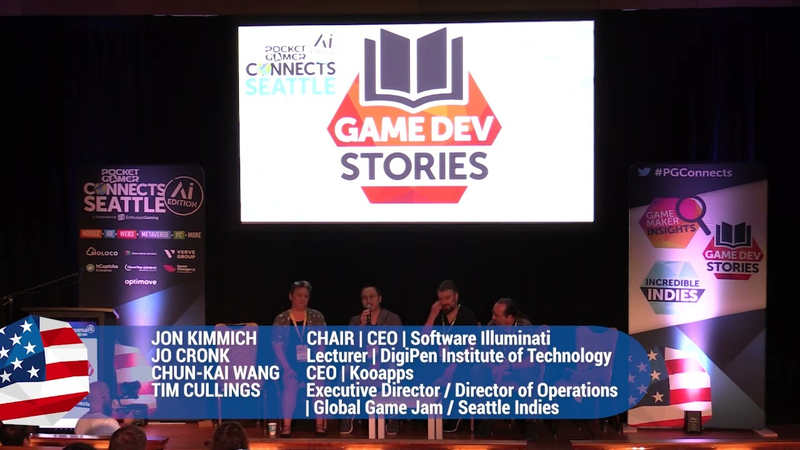
Panel: Looking back: What I Wish I Had Known Then
Key insights
7 takeaways- 01Studio success requires balancing creative ambition with rigorous, data-driven methodologies, including early playtesting and analytics to manage player cognitive load.
- 02Commercial viability must be prioritized early through integrated monetization strategies, as critical acclaim does not guarantee market success.
- 03Strategic retention of intellectual property is essential for maximizing a studio's long-term business value.
- 04Management should avoid the common pitfall of promoting high-performing individual contributors into leadership roles, instead prioritizing personality-based management to sustain team morale.
- 05While remote work offers flexibility, in-person collaboration remains critical for maintaining organizational culture, non-verbal communication, and creative focus.
- 06Professional advancement requires shifting focus from pure product development to comprehensive business operations, while maintaining sustainable work habits to prevent burnout.
- 07Financial stability is the foundation of a healthy studio, as consistent revenue growth is required to maintain competitive compensation and sustainable team environments.
Ask AI about this video
Transcript
[Music] thank you [Music] all right up next we have a great panel to uh wrap up our morning proceedings um some great luminaries on it it's on the topic of what I wish I knew then for instance I wish I knew not to have that last cocktail at the party last night but I figured it out this morning so better late than never I see our panelists are assembling over here so without further Ado let's get you guys up on stage and get you going so uh we'll do is we'll go down the line here uh at least do a little bit of an introduction uh talk about who we are
what we've done and then our topic is sort of what we what we know now that we we wish we'd known back in the day um and so what I thought we would do is we would break it up in this sort of four sections so what we wish we'd known about the business about the creative aspect about the leadership aspect and then we'll end on the personal side of it and then with whatever time we have left we'll do some uh some q a so I'll start uh John kimmick uh my company is software Illuminati uh Consulting to video game companies on business strategy partner development cln access that sort of thing I've been in the games industry for 26-ish years started out in games at Microsoft and Microsoft game studios where I did Acquisitions of of titles for mgs's Hall of Studios including Bungie and Foss interactive Lyft Microsoft in 2004 to go work for a
company called day one Studios that had done Microsoft for us for Xbox and then sort of my consultancy in 2009 and eventually we did sell day one Studios to oregon.net in 2014. so passing it on down yeah hi I'm uh Tim Collins I'm the executive director of global game Jam we're a non-profit that runs the world's largest game creation event that happens every January where uh just this past January we had 40 000 people in 108 countries get together and made 7 500 games on the weekend uh around the team of roots and I also am the executive director of Seattle Indies so we're a local non-profit that runs networking events and learning events for game creators here in the Seattle area prior to that I was at Oculus for six years and helped launch everything from the rift cv1 to Quest 2 and before that I
was at a company called airtight games in Redmond where we made a few games like uh Quantum conundrum and were the two big ones that I worked on so that's a bit about me thank you my name is CK I'm the co-founder CEO of cool apps we make mobile games some of our top titles are like snake.io we have about 400 million downloads uh started in the self-funded no publisher no investor um I started my career also at Microsoft game studios worked on Fable 2 Xbox 360 then transferred to Microsoft research worked on machine learning and language models before it was all cool now um and then at the time I thought was okay this is way too early these language models don't like don't work uh so then uh yeah I can went back to my gaming passion and left Microsoft to start this company with a couple of buddies and uh yeah we just launched snake diode
on Arcade about a week and a half ago uh yeah we're top four there and so it's been really really exciting yeah I'm uh Joe Cronk and um like a lot of people have been on this panel here um I also started in games at Microsoft protecting a theme Here back before the game Studio existed um back when it was action adventure and strategy um so I got my foot in through the door um straight out of high school through quality assurance so I was a tester for games and then eventually became a developer um before I started teaching at the Japan I was a software engineer for about 20 years and some of the places that I worked on after I left Microsoft um was that a little tiny um it wasn't an indie Studio we were actually making AAA games but a low place here in Seattle called Zombie which is kind of now hard suit labs
and after that I went and worked at Crystal Dynamics on Tomb Raider legend it was the very first of the kind of newer tomb Raiders and we weren't sure if it was going to be accepted by the public at large or not so that was kind of an exciting project to work on um I kind of detested living in the barrier though just so I had to come back to Seattle and um ended up working for a couple of WB Studios namely uh snow blind Studio on Justice League Heroes and then I found myself at PopCap Studios for about seven years and worked on a ton of different things and uh did a little startup thing for a while worked on an indie AR VR hardware company called technical Illusions or cast AR with um Jerry Ellsworth who was running the hardware Lab at valve for a while and when that kind of didn't pan out for us then I came back to Seattle again and
um worked for wargaming um as a tools engineer and then eventually found myself a digipen teaching uh design students how to write code without them realizing what they're doing until it's too late so it's been a really fun place to work great so let's let's start with sort of the creative side of things so start starting out in the business uh making games creatively what do you wish you'd known then that you know now the mistakes that you wish you hadn't made well whoever wants to start uh for us um I wish I knew like small differences like seemingly some small differences made like a big difference um so with mobile like our screen size is only so small so like even moving like pixels left or right or changing the colors or changing how you phrase it uh have a lot
um of like metrics difference uh so for crew apps or very very metrics driven our largest team is a data team over here and so we track all those changes closely now but there's been you know a lot of changes where we go like oh you know why did you know level completes drop why are people playing less why is retention so much lower oh it's because of this one thing it's because of this other thing um and so definitely do more play tests we use play test Cloud uh it's been very helpful they record like a video of users playing your game uh it's about like you know 50 60 per video and then it's very very helpful um but tracking like all the small changes we do um on UI ux has made a big friends for us because a lot of times our game design team are you know they're very excited like yeah it'd be cool if we did this and then they go ahead and do it and then later on you know if it's not tracked properly when we see sort of uh the engagement go down uh we then sort of uh get really busy and so uh yeah I kind of wish sort of these small changes
that you would normally um you know think like oh it's fine uh it's usually not fine yeah I'll kind of piggyback off of that a little bit so a lot of the studios that I worked at like back towards the beginning of my career like the fact that you're even thinking about play testing and ux at all is kind of amazing because back then we were just like whatever this is what we want to work on and you'll play it or I guess you won't if you won't then I guess you're not our target market um and that's kind of not the attitude of a lot of places these days I think companies kind of realize that like you're leaving money on the table if you don't actually pay attention to the people who are playing your game and how they're playing it and the problems that they're running into with it so um yeah some of the very first places I worked at some of the games that we put out I won't list those because I looked at their Metacritic scores not too long ago in the really embarrassing level so um but yeah that was some of the things we learned from that was like oh actually you know play testing does
matter and you know especially um we never I don't remember ever putting like metadata hooks into any of our codes so it's like Analytics would have been super nice back then too to even know like hey are people making it through the tutorial we don't know we don't even watch them play it so yeah I wish we had done a lot more of that at some of the studios that I worked at yeah I mean for me I think it was just making the mindset shift of going from being a gamer to a professional game developer there's a huge difference there and how you interact with the team and provide you know actionable feedback instead of like oh why don't you just do this like well we don't do that because it comes at a cost like it comes at a cost of developer time of artist time like every thing you want to add is could be cool but also you know you might have to cut something else because now they don't have time to publish that feature so you have to just as a balance of like what you can actually accomplish
with the amount of people and time and budget that you have that's like something that I had to learn pretty fast when I first got into the industry for sure yeah I think that's definitely a theme as you go as you move through your career in games development you start out with like I just got this toolkit of all of these different mechanics you're just going to throw them all in and sort of see what happens and eventually you learn less is more um so a friend of mine uh game designer Brian Reynolds who worked as a designer Institute creative Rise of Nations I mean he had a a theory of game design which was basically you know the brain can tolerate a finite level of complexity there's a certain amount of cognitive load that we all have as players as Gamers as humans and that's it that's all you get and as a game designer once you've sort of reached the limit of stuff that you can reasonably afford to put in the game that occupies the attention of the player if you want
to add any more you got to take something out um but I think that's super super valuable advice for anybody who's starting out in design any other thoughts on Creative uh things that you wish you'd known previously or should we move on to the next topic okay I have one little tiny one and then elsewhere so for those of you here who are kind of like budding especially designers like don't don't get too attached to your early work they'll get too attached to your prototypes because it will be really hard like if you do like some play testing and you identify it like there's something that's not quite working out I mean there is always opportunity or the the ability to improve it and make it work but sometimes you have to cut things and if you're too emotionally invested in the work that you've already put into it sometimes it can be really hard or sometimes it can be really hard to take critical feedback from team members or people who
are taking a look at it when you're like no don't criticize my baby so just the more you can distance yourself from your work the better off your work will be I think in the long run great um so next topic things we wish we'd known When We Were Young younger the business element of games so what on the business side of games you know do you wish you'd known back when you were starting off this seems like there's all sorts of things that we should have should have known back then Tim you want to start sure yeah I mean the one one thing to keep in mind is that like critical success and awards and all that really don't mean anything when it comes to selling a game like you could win every award at a in an expo like this and get like top ratings and for whatever reason you just don't find your market and the game doesn't sell and that can be hard and that's happened
and uh just have to kind of learn what you can from that and move forward there's like like it depends on what kind of uh Studio you're at to between like based on your business goals like if you're at a huge AAA Studio like Microsoft or when I was at uh Facebook you know they were trying to move like millions and billions of units uh Indie Studio you might just be trying to hit like thousands or tens of thousands I mean but it's still kind of the same goal at the end of the day is to make a game that finds a market that reaches uh players and connects with them and makes them want to play it thanks um for me it'd be like what ads ads earlier and then also to do UA earlier um so when I left Microsoft 2012 2013 we had our first hit called PicToWord uh we organically agreed with top 20 on the
App Store uh at the time we didn't want to put ads we didn't want to do marketing and we didn't want to do any of that um one of my favorite essays is from y combinator hologram he has an essay that says uh build something a few people love not like a lot of people like um and so I'm like okay well I'm not gonna put ads uh I'm a gamer too I play Starcraft from Diamond League um and uh yeah it's like no ads none of that um we only added ads many years later 2017 um and we realized how much money we're leaving on the table and uh yeah and all that money we can also do UA marketing and sustain on the top charts and so uh yeah that was a pretty uh hard lesson for sure um and so yeah you know think about how to monetize early on uh for us uh we thought about in-app purchase but actually in-app purchase is really really difficult for indie game developers because what happens is only one percent of your users will ever buy
um and so you need like a gigantic like data team tool you know you need a lot of tools to inexpensive tools to actually make that work um and you also need a large really large audience right so let's say if you want to do a B test you typically need like 300 or 500 people in each cohort like on the a side on the B side so it's 500 each that's like a thousand pairs so that means you need like a hundred thousand daily active users to do any sort of a B test at a statistically significant uh result so uh so in-app purchase um you know it does feel like a better experience than ads but is not really attainable for in these um especially if you're not planning to get investors or Publishers and all of that that have you know a lot of data sometimes Publishers will have data and then we'll short circuit that but um but yeah for us you know I think that was the biggest learning was to put ads uh like in our games why no ads what what did they just
like offend you personally or what was it about the ad so like I'm not gonna yeah at the times it was annoying you know when I play Starcraft there's no ads what if I play Target like it was just like a personal preference um now looking back you know was you know was uh so I think there's something important there you you let your personal preference get ahead of not only what was right for the game but what was the preferences of your audience because obviously your audience they don't mind the ads they're okay with it so so important lesson there um I think as far as the business side of things goes um probably the most painful lesson um that I've ever learned was that um it's a really bad idea for three engineers to run a company without some like an actual business person um because that's kind of I think this the arvr startup that I was working with
like we thought hey we are three very smart capable adults we can do this we all have various experience in different areas and some of us have experience with VC and everything we can go out we can do this and um you know there's some some big name clout in the group like yeah we've got this and then we ran a Kickstarter and raised like a little over a million I was like okay cool let's go and then we just I don't know it was like Failure to Launch after that we went we met with like Google and Microsoft and Disney and all these people who loved us to be an on-house like or on-site sort of like r d department but no one really wanted to invest in what we were doing and unless they wanted to buy it which we were unwilling to do and then um yeah eventually by the time we hired a CEO to kind of help us out with all this you know then all of a sudden there was like Facebook was doing a bunch of stuff or I guess it technically was just
Oculus back then but Oculus and I don't know we had basically a ton of other competitors in the Bay area and we just I feel like oh we were almost before our time and then we took too long so yeah um you know sometimes you need to look for help Beyond yourself or your team so yeah just one more thing sure uh yeah just to add to what Joe was just saying like I was a judge on the Indie pitches yesterday and saw a lot of great game pitchers I didn't really see a lot of great like business pitches and so if your goal is to be an indie game developer and a professional developer you also need to be thinking about the business aspect of things and Publishers are going to want to see that you have that in mind as well that you know what your Market is you know what your expected sales are you can like compare it to competitive market analysis and you know say your price point on your game if it's a game that you're gonna charge money for like all that stuff is important when you're making your game pitches as well
for sure and then um my addition to this topic would be on your IP um the the thing of value that you build in your company aside from just this team of people are able to work together and make something creatively great is the intellectual property that you've created if and when you reach that point you're successful and you reach that point where you want to actually sell your company um and all the all the time and pain and years of investment that you made in it the thing that really brings value is ultimately the intellectual property um that's you know that's the difference between you know 10x versus like 2x on what you might make in terms of Revenue so own your IP next topic I think was leadership so things we wish we'd known about leadership
back many years ago this should also be a pretty rich Topic in terms of things people have learned over the years okay I'll be I'll be sure um I basically my one rant on all this now that um I've had enough experience with it is that um so there is kind of a mistake that happens at a lot of places and what they'll do is they will take the person who is best at a particular type of task and then they will put that person in charge of other people who also do that type of task without any regard for whether or not that person has leadership experience or qualities or that attitude for that other completely separate sort of skill set and um yeah usually that causes a lot of problems um you know at best it's just morale hit for the team at worst it actually like derails productivity for the entire team um so I don't know with that in mind I've kind of like
I for a while when I was a little bit younger I thought oh okay in order to be successful you have to be on this escalator right you're going to start off you're going to be a junior or whatever it is you're doing then you're a senior then you need to go into management like that is the way to success and um kind of started on that path there and realized this is absolutely miserable okay so now you're no longer doing the thing that it was that you enjoyed doing and now you're doing something that you may not be good at and you may also be making other people miserable trying to work on the thing that they want to work on so I don't know for me personally I mean there are classes where that you can get better at becoming a manager um I have kind of taken a lateral role where I'm just like nope I like to be an individual contributor and I'm going to be over here really enjoying the things that I enjoy and all of the people who are good at management stand management so that's okay thanks um yeah for me uh it's uh I wish I read the book uh First Break All the Rules
earlier um so it's a book about like personality based management as opposed to like skill set based management um and so the idea is like you know you can learn you know python C plus plus uh but if you know uh but if you're not a very skeptical person it's hard to learn to be skeptical um and and depending on the role there's actually a very uh important like sort of Personality trait um so let's say If you hired somebody was very optimistic but you know you had this person do accounting or be you know do legal work then you know it's not going to be a very good fit right so uh having one-on-ones with everybody in your team trying to figure out what their personality is like um and then really finding the right role for that personality is really really important and so for example within our Dev team uh we split to um you know devs that tend to be like quicker and happier and so so they end up making prototypes of the game they end up working on UI ux they end up working on you know getting uh art into
the game animation and every look and feel to be really good right whereas people that are you know uh more careful more methodological um they end up working on save files or the uh you know the ad stack where you know one typo could cost you a lot of money right so uh we could completely break your save file so um to release uh taking a hard look at you know who's in your team and what the personalities are like because those personalities end up being very very difficult to change so yeah I mean one thing to keep in mind is that if you're working in a bigger company or really any SAS company is that leadership is really busy all the time and so they don't always know what you're doing and you kind of have just like showing up and doing all your work every day and finishing things on time like maybe you're gonna assume while they must know that I'm a great worker and they're just gonna like promote me up to the letter or whatever but you really have to advocate for yourself and make sure that they're aware that you're doing all this good stuff and find Like A Champion or a
mentor that's a little bit above you that can maybe help you out with that and it's a of people that around you that can help support you if you have goals to move up the ladder too like especially in corporations like it's hard to just do it alone you're always going to need a good team of people for me personally I try to always lead with empathy for my team for the community that I support I'm always just trying to listen to what people have to say and take into account everything that's going on around us and in their lives that are like leading them to uh whatever the whatever you know they're dealing with and just try to lead in that direction and let them be as productive as they can and put them in the best possible position to succeed and like just because I hire somebody into one role but I see like that they're doing that's just where their skill set is and we'll just adjust their uh titles or
whatever or their responsibilities and put them in place to succeed is how I try to approach it and then on the Indie side leadership tends to be like a cult of personality honestly so then that can be good or bad like depending on the person and if that person is a strong leader and a good person then it can be great for the Indie team and we've seen a lot of cases where it's the opposite and you know things have come out in the press that have been uh damaging to a lot of people and so you know you just have to be be careful and be mindful that like just because the person is elevated and has a big following in the community it does not necessarily mean that they're going to be a great person yeah great and then just on this topic I'm uh Curious has has covid and the pandemic and reacting to that changed anything about how you think about leadership
um now that we're in Syria were past the pandemic but has it changed how you think about the leadership and and how you go about leading in your teams yeah I mean like my team is all remote anyways so we're already working remote and I like that like we're all over the world and we meet at different times based on like our time zones and uh I think priorities changed a lot in the pandemic and people were reevaluating you know what they've what they want them to meant a lot to them in their lives and you know some people work just became less of a priority or we just don't work as hard as we used to or we work in different ways or people need more time to finish things and more personal time to attend to what they need to and like that's fine we're not trying to uh save lives or anything with what we're doing we're making video games we're making fun things for people to do so uh if
they need a little more time with that then that's fine for me I mean I'm a non-profit or leader so I'm not tied to like marketing schedules or anything like that so that gives me a little bit more leeway in that regard but uh you know I'm trying to be more much more like empathetic towards people and what they need and their personal lives basically for us we're fully in office we we're in a hyper casual space of mobile and so we launched like one or two new games every month um and so uh yeah during covet we're of course remote and then became hybrid but we're now fully in office uh it's just been allowed it's just allowed us to move way quicker a lot of design is you know is subjective and you know and a lot of sort of when you play the game is this fun I think 80 of that you know of those signals are non-verbal um and uh don't know in other Studios but in our Studios a lot of game
developers and game designers are also introverts and so what ends up happening in a remote situation is they sort of don't talk as much and all of that um and so uh yeah we've actually seen uh you know our entire team be much happier uh in office and actually during covert there's a lot of like covert depression and all of that and not seeing you know friends not seeing co-workers not building the bond and all of that and so for us that's been really really uh you know key to our culture is you know a lot of our employees are really good friends with each other go to barbecues together and all of that and uh and we really you know value that so foreign role like I don't I don't manage anyone on a team necessarily but I do basically have about I don't know usually somewhere around 200 students a year and definitely when we went to online fully online teaching during the pandemic um it was a huge noticeable hit
especially there were a bunch of classes that we teach in the design Department that are basically like big multi-disciplinary like group team uh game projects and those like how do you conduct a multi-disciplinary team of like 19 to 22 year olds completely online and actually make sure that they're like doing what they need to do yeah that was a little bit of a challenge thankfully most of my classes are a little bit more solo work so it was a little bit easier to kind of like track what was going on and kind of like message people reach out to people but I don't know moving back to in person we're going fully in person this fall and just like as we've kind of gotten people back onto campus it's been really apparent too that just being in person there's a lot more Focus people are retaining the information longer better um you know so as far as like from an educational standpoint it definitely feels a lot better to be in person great and so our last topic was personal
so you know creative business leadership but then you know yourself personally what have you what have you learned what do you wish you had known back when you started out in the gaming in the gaming space Tim uh yeah there's a lot I mean it took me a while to even break into the industry I was started 35 so like that's I was already about 10 years older than most of the people I was working with when I started but that didn't really impact much I don't think like I wish I kind of had started earlier but uh is like titles are kind of important uh for you like when I was working with the younger team they were all just like we'll just make up cool titles whatever we want and it doesn't matter all just fun but then like eight years down the road you're trying to like have a career go a certain direction and titles are kind of
important so like if you have a goal in mind for your career then like for a title at least you might you know not get monetary compensation with that but at least like having that direction in that on your resume is kind of important um starting to build your Professional Network as soon as possible is super important uh you know coming to events like this uh like jdc and all the other big game conferences and your local meetups uh just making connections meeting people there's always people like doing the same thing that you are in your area making games and you never know where those connections are going to lead you somebody that you meet at a random social Meetup one time and have a you know 15-minute chat with could some Dave down the road be recommending you for a job or something so it's just like always be humble always be approachable and personable and just do
what you can to set up your Professional Network because this business is super cyclical and you're like always going to be needing those people to be in your corner to help you and small yeah that too it's there's a lot of people but there's also not a lot of people and we all know each other and the more people you can meet and get on get into your network is definitely helpful yeah for uh for me it's um a party to realize that when I left Microsoft I thought um I was signing up to be a game developer I love product Microsoft felt really slow I'm gonna make more products I'm gonna be a product designer um but actually when you you know leave to uh to become an indie you're actually signing up to become a business person um that's really what uh you know took me a couple years to realize uh so I was focused on product didn't you know want to put ads didn't want to focus on the business it's like hey we want to focus on our game isn't this game so cool
um and you know uh yeah and adding to what Jose earlier and it really became like our baby like PicToWord uh it was a really fun game we had really good education impact as well first review on the App Store uh there's a little girl that had learning anxiety um and then was you know seeing doctors and all of that skipping school and then she started playing PicToWord started enjoying learning started going to schools or making friends and now she's like of a class change your life stop taking medication and so you know really focusing on those stories like you know was you know I really you know I was deep down in our passion it was really our passion but but as a CEO like your job really isn't product isn't engineering either which is what my what I love what I did at Microsoft I was an engineer so it's neither product nor engineer it's actually just business and so uh growing Revenue keep the lights on um yeah you know for me that's like yeah
no comment style of spreadsheets so I think um for me probably the biggest personal lesson that I have learned um was that um you only have one body and you should take care of it um I guess that also kind of goes along with your brain and um burnout is a an expletive that I can't probably say right now um so like watch out for that and I I think so when I first got into the industry as an engineer um I remember overworking myself and I mean sometimes the studios would ask me to work 80 hours a week and I was just so grateful to have a job I said yes please more um which now I'm telling my students here's some red flags you should watch out for don't go to those Studios if they ask you to do this stuff um and then sometimes there were Studios where they weren't even necessarily asking me to do that but I was kind of
conditioned to work like that and also had some really high expectations for myself because I was one of those kids who was definitely like you know just the the overachieving annoying kind of nerd kid in the corner somewhere and it wasn't until I actually ruptured two spinal discs in my Lumbar and was forced to like basically chill out for a little while that um you know I kind of had to reevaluate like how much of my own personal kind of Blood Sweat and Tears I was like putting into these companies and how little I was getting in return for that investment of my own time and and youth so um I think now the basically the advice that I have for a lot of my students is like hey you know what it's great to be passionate like that's amazing and that's that is unique and that's special
but you should learn how to harness that in like a responsible and like um you know kind to yourself kind of way and like a sustainable way so that you can carry that through for decades instead of you know at some point becoming this like miserable burnt out husk of a human being at like the age of 28 where you just don't even want to play games anymore because you're so tired of working on them so um I don't know and the only I mean figuring out how to do that's really difficult um so I don't know just being aware that that's even an issue in the first place and kind of like trying to keep an eye on it I think is the first step all right and on that note uh let's open it up we have I think about a couple minutes so we have time for a couple questions I see a couple hands go up there in the background great um so this is really directed um it's high right yeah
and then you mentioned that um you want to build with a few people love not what a lot of people like and then you started talking about the ads I want to make sure I understood what you were saying you still build or what a few people love for you that you pivot into building yeah we pivoted and that's how we got 400 million downloads yeah yeah yeah totally yeah we started adding ads and our Revenue went up five eight X and then we're able to spend on UA able to hire more people able to build you know more products and better products and yeah you find that your past eight at all or do you find that it's all the same level of love and dedication to it even though you started yeah yeah I would say like the love indication is definitely like a little bit different like it's not moment to moment ux because you know when the ad shows you can't claim like oh I love this right I don't think anybody would be serious about that but uh but being
able to say okay now we can afford multiplayer because now our studio has more funding we can hire multiplayer Engineers we cannot pay for servers now people can play together across the world I think that that's something you know now that we have funding for that we didn't when we built you know and love of the community as well playing your games so like I mean that that's very energizing as well yeah yeah thank you next question [Music] um so I know I've personally struggle with this a lot um and he talked about prototypes killing the babies all that but what are your general thoughts on if you have a project you develop for it and you don't hit a roadblock necessarily but you want to start creating another project like do you think it's to just combat that feeling and finish your product and release it or do you think it's okay to just have tens of prototypes just laying around game developers ship pretty simple like you got to ship it to really know whether it's worth anything or not even in an unfinished Forum in
Early Access game developership yeah and I would say one thing that hiring managers definitely look for is um whether or not you have proven that you can take a project all the way through from conception to like the final product even if it's not like you know at some quality bar that you have in your own head or something but just the fact that you've finished is is a as a positive other questions yeah think about uh and as far as Studio culture is concerned you come into a company you sometimes have no idea what it's like what have you learned as far as how to create and build a better more positive Studio culture for folks around you and have you brought something that really made a key difference do you think made a good impact it feels really well for us
um I'd say your studio culture were very hard working but that then affords us to be you know uh easier and more relaxed on other things right so you know we work really hard so we can double Revenue every year but then because we double Revenue we can give raises to everybody right it's not like a zero-sum game there's no stack ranking we can promote everybody and it's fine because what we have to then double Revenue every year so that's like a very deliberate choice that we've made um and but there's a lot of really good consequences so like you know teams are very collaborative um uh you know if you need help they're like oh I'll help you now instead of I'll put something in my calendar next week I may or maybe not help you right so but you know but we've got a pair of dues which is you know doubling revenue and so our culture is very very focused on growing Revenue because that affords us um a lot of other things that we think is amazing um and I think that's uh Tim unless you've got something I think we're out of time okay so uh how about a round of applause
for our panelists here thank you all right thank you panelists that was awesome [Music] [Applause] [Music]
Summary
The evolution of game development has shifted from intuition-based design toward a rigorous, data-driven methodology. Modern success requires balancing creative ambition with the practical constraints of budget, time, and market reach. Early playtesting and the integration of analytics are essential for tracking user behavior and managing cognitive load, as excessive feature complexity often detracts from the player experience. Furthermore, critical acclaim does not inherently translate to commercial viability, necessitating the early implementation of monetization strategies and a willingness to detach emotionally from prototypes that fail to meet market needs.
Running a successful studio demands more than technical expertise; it requires dedicated business leadership and the strategic retention of intellectual property to maximize long-term value. Organizational health is heavily influenced by management philosophy, specifically the realization that promoting high-performing individual contributors into leadership roles can be counterproductive. Instead, studios should prioritize personality-based management to maintain team morale. While remote work provides flexibility, many organizations find that in-person collaboration remains vital for fostering culture, facilitating non-verbal communication, and maintaining creative focus.
Professional growth within the industry is predicated on strategic networking and a fundamental shift in mindset from pure product development to comprehensive business operations. Shipping finished products serves as a critical milestone for career advancement, yet this must be balanced with sustainable work habits to mitigate the risk of burnout. Ultimately, a healthy studio culture is inextricably linked to financial stability. Consistent revenue growth provides the foundation necessary for competitive compensation, improved collaborative environments, and the long-term sustainability of the development team.















Comments