1 free read left. Create a free account for unlimited reading + AI research.
Create free account
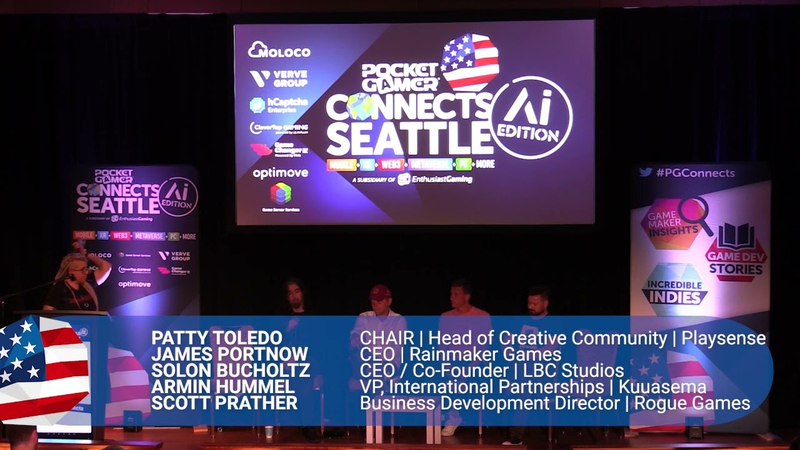
Panel: Defining indies: Is there still space in the industry for the underdogs?
Key insights
5 takeaways- 01Industry consolidation is a positive indicator of market health, signaling sustained demand from major publishers for the creative agility and unique talent found in independent teams.
- 02Long-term studio viability depends on a professional approach to resource management and the consistent cultivation of a strong industry reputation.
- 03Success in a saturated market requires balancing creative passion with data-informed decision-making and rigorous scope management to compete against larger industry entities.
- 04Developers should leverage emerging technologies like artificial intelligence and no-code tools to improve production efficiencies, provided these tools supplement rather than replace high-quality craftsmanship.
- 05Independent studios must prioritize community-centric development as a foundational requirement, using platforms like Discord and social media to validate prototypes and refine core mechanics before full-scale production.
Ask AI about this video
Transcript
[Music] thank you [Music] the the final moment the final moment of uh Pocket game is Seattle 2023 is a panel discussion now and we're going to be looking at what our Indies is they saw space for Indies uh in the industry as it is now so can I welcome to the stage our participants please the biggest problem of being a sourceful is that you do the microphone like this and I have to jump to do this is a problem
hi guys hi everybody so we're gonna have our last panel of the conference I would say no we have a funnel on the other track but the last one of this track umledo I'm the head of creative commuter playsets and I would like to start this panel with you guys introducing yourselves nobody can introduce yourselves better than yourselves right so I'm assuming we're starting on that side come on Scott hi everybody I'm Scott with Rogue games uh we are a game publisher that work across mobile PC console uh and I'm based here in Seattle and I'm happy to be here talking with you hey everyone I'm Armin I'm from kuasima we are a originally mobile focused game developer out of Helsinki Finland I'm based in Germany and happy to be here pulling buckles I'm the founder and CEO of LBC Studios we're a mobile free to play developer and publisher based up in Vancouver British Columbia and also
happy to be here well I am the odd one out here uh so my name is James portnow I have been a game designer for about 20 years I've worked on games ranging from the Call of Duty series to League of Legends to Farmville uh more of you probably know me as an animated being person on the internet since I started a show called extra credits and um you know I retired a couple years back got bored split up a new studio so I guess that's why I'm here and also because we like different points of view you can be the bad guy like the one the odd one perfect I'll do I'll just disagree with what everyone else says deal that's it um as we're talking about Indie Games I think let's start with the basics how do we Define indie game developers nowadays like is it still the same thing did you change what do you think hard right I mean to me as soon as you're making games for a reason other than just pure profit like that's Indie Games to me
yeah I would agree with that I think any any game where the the purpose is to express creativity as opposed to a bottom line uh could be is there an indie game also you know if you're in the console world or whatever there's like three companies that own everything when you all the way up if you're not part of one of those like three hierarchies you're probably in indie yeah it's a tough one um for us you know when I started our studio there wasn't a label um we just had purpose and passion behind the product we were building I think the challenge of that is we still consider ourselves fiercely independent um but we're also running a business so you know finding that line where you're not beholden or accountable to purely the pressures of running a business and you're still able to pursue purpose of why you started the company I think that makes you independent
uh yeah I'm gonna agree with everyone and I think the important factor is that you know you're not you're still maintaining your Independence and you're not running after each Trend or every new trend and you kind of maintain your your heritage to some extent so can we say there are still a space for indie game developers in this market especially with all this big Acquisitions Triple A Market expanding to mobile as well we can see the buyouts all the time can we still say that there is a truthful and healthy indie game environment I I think there is and I think you know it's up to to each of the Indie to kind of decide for themselves whether they want to maintain that I mean let's be honest if somebody's gonna if you're a very successful Indian the check is big enough you're probably gonna fall for it um yeah so I was just gonna totally
agree that the buyouts actually show us that there is clearly a market for Indies right like not only is there a space for Indies I think it's bigger and I think the possibility is for where you can go and where you can be acquired by are bigger now than they've ever been uh I mean I did a little bit of research uh the Indie Games Market as defined by steam is is two billion dollars as of 2020. so um I think that's only growing and to these guys point I think um India is is a place where I think a lot of big Triple A's look for talent look for creativity um if you're a big AAA um you're making Madden football 23. uh guess what the next year you're probably gonna make Madden 24. um because it's making a profit and your your shareholders will want to see that profit if you're an indie developer you you're controlled by your creativity your creativity and how much you want to put that into your game is going to limit uh what kind of game you're making as opposed to your shareholders yeah
yeah I also agree I think there's absolutely a space for independent Developers for several reasons you know even in the we'll call the consolidation of gaming studios in Mobile and many of those consolidators through ethos is actually to a degree to keep that Independence to allow the studios to continue to thrive and be successful what they're at I'm not saying that's the case in every scenario but the reason I think that exists is the reality of our Industries it's tough to make successful games and just you know it's much easier for consolidators to buy successful games than it is to go make their own so you know if you follow your your purpose and your passion and I think there's a lot of underserved markets a lot of underserved audiences and there's a lot of room for independent people to explore those spaces and find success uh you'll be able to thrive yeah there's something you commented that it's deeply connected with the next question it is hard to make successful games I think if we can agree with something ever something here is that
it's not an easy Market it's extremely sad today it's saturated and it's hard to be successful in general so what can Indies do especially when it comes to Market use that acquisition what can they do to actually stand out in the market is there a way still for them to stand out without having to connect with the bigger publisher or to be buy out by someone what could they do one element is to be creative and not on the creative side of the game but also kind of you know what do you where are you located example stumble guys you know been acquired by um what are they called nowadays it's Coldplay but they do but nowadays they're they're no scopely nowadays is is Saudi Arabian right I mean they're sitting they were sitting in a town I mean I don't know 600 kilometers north
of Helsinki were probably the cost of living is you know half of what it is in Helsinki and you know they just had the environment there to do it um and you know they have been they have they have been creating to create that creative to create that environment both for for the team but then also for the product so I'll look at it slightly differently um I mean obviously you have to make a great product that connects with your audience and with your player base but I think even you know the big players are recognizing the value of community you know so for us as a developer and publisher we built uh arguably the world's most popular cannabis game and I'll be honest like the very first day we launched it I was down at 420 in Vancouver handing out stickers why because I had no idea if it was going to work and I had spend a market ing for 25 million players later and thankfully we can spend money on marketing quite a bit but the reality is
is those little things you do connect you with your community and give you a sense of what they value so I think start the dialogue find out what works don't just build what you think works focus on your community and your biggest supporters in free Arenas versus just paid user acquisition from the mobile space at least and I kind of have four points uh because that one was is key like first off I would say find a market hole right like don't compete with traditional first-person shooters in our current market right um look for something that hasn't been done that has an underserved Market especially if you can find a community out there that loves that thing already um and so look for your Market hole second find non-traditional ways to Market it because user acquisition cost today is utterly ludicrous um you you need to find something other than paid acquisition whether it's handing stickers out on the street finding Facebook and Instagram groups that are passionate about this thing
having a interesting Twitter whatever it is uh Discord is a big one these days too but find your community find non-standard ways to Market it reach out to streamers and all those sort of things and then on the development side I would say there are sort of two big ones but the biggest one I see for Indies is just scope um make sure that you are putting a lot of things in the SQL bucket I have a whole well now it's an action folder it used to be a literal folder but it's now a folder on my computer that I just label for the SQL um but there's gonna be a lot of stuff you want to do in your game that on an indie budget you're not going to be able to fit in that first game and you have to ship so just cut find what the core of your game is make that as good as possible and ship that and then lastly figure out what your team's good at sometimes you have a team that has some great artists on it and maybe not as good programmers or a technical whiz and you know all you can do is stick figures
or you've got a great designer and build your game around your team um because you know those are the people you're gonna have to stay passionate about it and that's those are the resources you have so uh as an indie as you're approaching it those are the four things I would start sort of thinking about in this market you want to add anything scarf I I would mirror with these gentlemen said I didn't think um if you know the old adage if you're big and slow then you if you're small and nimble and then we'll start to uh you know engage with your community really early um I was talking with some folks earlier and you know I said you know a year seven months away from your vertical slice okay you should have a steam page you should have Discord set up you should already start that engagement and conversation um because if you put something up and you think it's great but your entire Community thinks it sucks bad news um you need to follow your community because they're the ones that are going to make the game be big you could think you have a great idea and you make a game for yourself fantastic if you want
to sell you need to listen to your community my idea of having conflicting the images didn't work they all agree hardness you know but something uh wasn't my original question but something popped up in my head which is okay so a lot of Indie developers they are extremely afraid of reaching out to the community from the get-go because they think they're gonna be copied or that some some bigger studio will take their idea wrong with it they have more money you see that day in day out the people hold on for their deals like it's their beautiful baby until it's shipped and then it's too late so and so my question is twofold this one says what is the advice that you give for people to let go of this fear of being copied and is the community are the community there is the audience on the side of the underdog I'm gonna answer your first one because that one's really easy
ideas are incredibly cheap and execution is incredibly hard um so I'll give you a personal experience story when we have the idea for Empire and we're like this is the most top secret idea I have lawyers draft ndas I went around to Consultants I made them sign the guy we actually went with laughed at me when I put it in front of him he's like I'm not signing that he's like I don't care about your idea I'm not going to build it and I was like you know what you're right and he told me ideas are changing execution's hard um I have had so many people come to me while we were building that game say they were going to build the exact same thing none of their games are on the market they don't even exist so if you got an idea and you're afraid of your community stealing from you I'd encourage you to flip the lens and actually look at your community as supporting you and the reality is most people that have the idea actually just want to play the idea so if you're the one that's going to execute on it they're going to be the ones that support you to play yeah I completely agree ideas are dime a
dozen um a hundred a hundred for a dime a million for a dime it doesn't matter everybody I mean okay you have a game about shooting people uh and it's taken from the first person guess what there's a million games like that and there'll be a million more but the difference between the ones that are successful are not are the execution and the concepts behind them and Truth is especially for big Publishers or triple or whatever everybody wants to build their own ideas uh until your idea is worth a million dollars so you know until you get it out there nobody cares about cloning your game uh so don't worry about it you're much better off making an inroad into your community yeah I was just I mean thinking the um the presentation we had earlier and you know the concepts and the ideas of hidden object games I mean to me hidden object games have been like you know I don't know how long have they been around for 20 years you know the concept to me is like the utmost boring thing there is like staring at the streaming screen and like looking for objects
right yet we see that there is like games of making like I don't know how much money in in Revenue each month right fan base is their communities there the idea is old but it works but that's a great example of the execution thing I have seen lots of Vietnam music games that don't work because they were poorly executed there's still something to do in it there's a second part to your question I think the other thing I also noticed is that even if people try to make the same game because the execution is so different you end up getting two different games it's never the same thing it's not the same team it's not the same mindset and it ended up becoming different ideas well example is how many trip like match three games we have in the market and that actually that actually is part of the perfect segue to your second question when it comes to community if somebody cloned my game today the
community would be in an uproar because you've actually built that relationship with your community and they're actually going to support your game provided you continue to give them a good experience and new content and try to financially reward yourself through it so you asked about the community I think in the sense of either your biggest supporter was that the question yeah if they are supporting deals yeah um I mean first and foremost don't be afraid you know we we look at data all the time and you know data tells one part of the story but it doesn't tell the whole story so we actually pull and Survey our community all the time we actually invest them in success and reward them for communicating back to us um full size that you're not making product decisions because one person is really passionate [Music] but it goes a long way you actually learn a lot about your player base and what you think your game or who you think your game is for is is often not
but they love getting quiet so I I have a follow-up on this we work we talked we talked before about the freedom that Indie developers have and how they can be Innovative and different from everything else but I a lot of Indie developers they also have the temptation of trying to do their genre of games or the kind of games that are commercially successful because they want to survive they want to build a company that is profitable so what is the balance there and what is your suggestion for people to keep being Innovative and being new and thinking outside the box but at the same time running away from that trying to fit all the mode to get the right publisher or to be successful commercially uh I would say if you want to make a game uh number one make sure you are absurdly ridiculously passionate about the idea um speaking of somebody who's made games and worked with games for 25 years the
moment you you're like I'm not real sure if this Project's going to make it you're not going to make it um you need to have 110 commitment to your project or it will show um the second half of that is if you're not going to fully commit uh find a partner that willfully commit and and figure out what you do really well and then you do that trying to do everything for everybody is going to lead to utter utter failure um yeah you know 100 agree with this and then just on the publisher side just figure out your elevator pitch right this is useful for a lot of reasons but figure out how you can summarize your game to your audience to a publisher in a couple of sentences because if you do that it's gonna be hard to convey it to anyone and do you need to right especially if you're gonna be doing something innovative and speaking as a publisher who sees thousands of games each week um your idea is not that creative I will tell you the devil Lies 100 of the details I can see a hundred it's a
roguelike a metroidvania that Scrolls right to left and has a cute character okay great uh that's neat where's the detail where's the where's the one piece of gameplay that's going to be unique that I can focus in on if you don't know that you're not ready to talk to a publisher nice give a conflicting answer here yes yes let's go thank you I wanna let me think about it so it depends um it depends what your goals are like I mean the reality is most people get into games because they're passionate about what they're doing but if you're also trying to dig if this is part of your why in your life like time is incredibly precious you don't have much of it spending your time on what you want to spend your time on and ultimately the reality is it's also expensive to live so you know if this is your business passion it does have to be financially successful as well so I do agree you have to be incredibly passionate about
what you're working on but that doesn't mean you know all the right answers to build a great business um so I would plan and follow you know the data and the process and make sure that you don't just jump off a cliff because you're so passionate about your idea but there's no there's nothing it's going to happen to have inertial viability if you're a creative person so come up with that next idea and try to find the balance of where your idea and the business can make sense so that you don't end up as one of a thousand projects on a publishing doc so strike that balance um that would be my conflicting opinion of it the other side though too is um I mean publishing we self-publish so we're incredibly fortunate we haven't had to be one of those those products on the docket I just yeah I just I think you got to strike that balance right I mean time is precious you do have to be passionate about it I can also speak about what not being passionate about it looks like and how that can go really
really wrong Empire was incredibly successful and and then we went through a bit of an identity crisis like what are what studio are we are we a weed game studio so we built another weed game we were passionate about it we just thought it's what our audience wanted spent a lot of money and that game doesn't exist I think that's actually a really good point I think um if you're a game developer and you're getting into game development to make money you're in the wrong industry um there's a million other Industries you could go into and pretty much guarantee okay I know I do a plus b and it equals c game development is not a plus b equals c um every AAA Studio spending 100 billion dollars on their next game when they still don't know if it's going to be a hit they will tell you it's not an A plus b equals c kind of business and especially it's even with the same skills whether you're an artist a programmer or whatever go into bank security software you're going to make more dollars per hour buy a huge margin than you are in games so you it's got to be what you love yeah Armin do you want to add anything
bro I was gonna have that I think um also what is important that you kind of be on the lookout and be open to change right and I mean one of the examples is supercell they started with Facebook gaming and you know they pivoted into you know something totally different at that stage right and everybody at that point was like what are you guys doing you know the future is in Facebook gaming we all know the story about how that went but um yeah you know that there are a bunch of people that are super passionate about but they're also super passionate about how does it perform and what are the metrics and all of that right and they will they will start 15 games and kill you know 14 and 16 yeah exactly so yeah and I mean they started at some point and you know didn't have the monies available so you know I mean that's one approach to keep in mind too and I think it goes back also to the community that you guys
talked before if you have a super Innovative idea in your testing with your community the chance of success is get hand in hand with that it goes in a cycle right um follow up on there they say every we saw talk earlier was today earlier today talking about prototype everything and how important is iteration how do you incorporate that and how would you advise other Indie developers to incorporate their the profile is connect connecting to the testing yeah uh I'll speak for us as a studio so we tried building games and jars we had no space being in we were not experts in it we know we spent last year um determining what are we good at what what makes us unique in the mobile gaming space and uh you know for us we we um we took apart our simulation engine realized that it's actually quite powerful so back to prototype
before we even build a new game now we spend an incredible amount of time Market testing for new audiences and new themes making sure that we're finding niche Niche markets that are underserved and have scale in terms of marketing I think too much focuses on the things self but not actually being able to scale it profitably so for us that's what we do that starts for us that starts with the creative test so we'll identify themes that thematically fit within our engine from a design perspective from uh audience perspective then we'll go test those themes or creative tests drop them to a survey see what those cpms and click-throughs look like then we'll Whittle that down and then we'll actually do a pass on the engine to make sure that this top performing theme actually fits and then we'll build the game but that's us but having said that I think you're only able to do that because you have been successful you know prior I mean if you think you're like the Indie guy that you know has a bunch of people doing that then
it's going to be somewhat challenging to do that process that you just described okay number one having the resources from the people doing it and be the money right Fair okay so first game we sat around a kitchen table and we were really really passionate uh so I'm just gonna throw in that it is never too early to start iterating basically for me right I will write up a gdd and then I'm really good at self-delusion so I'll go sleep and then the next day I'll wake up and I'll pretend I will tell myself someone else wrote this and has pitched it to me and I'll start redlining and be like this is stupid this idea is terrible all this stuff there's a lot that you can actually get out of the way in a meeting in a gdd before you even start coding have one person who's like upping your burn rate for art or any of that there's a lot you can do uh to start iterating early so the faster you can get to that the faster that you're gonna get to what you actually want to build and the better it's going to be
I like prototyping I think they're great find the fun if your game isn't fun at a prototype phase adding nice art and flashy graphics and nice sound is not going to make the game fun it's just going to make it not fun with nice graphics and nice art and nice sound but there is one Indie Studio I this is horrible because I don't remember the name of the Indie Studio I do remember the game though but they have done the same thing twice and I thought it was extremely interesting what they did is instead of creating the game they started putting Concepts on Tick Tock and getting how people reacted to that and then changing the game based on the comments about what the audience was telling them to do even before they developed anything so when they did a Kickstarter with the game they got their their Target in two hours because everybody that was on Tick Tock went there so yeah Community yeah it's a everything together is the community the iteration everything in one go does a
good recipe which comes to my next question which is how important is social media and the relationship with media in general for in the developers and how would you advise people to start creating this constant work with social media and media as wear Pocket Gamer and we have media as well how would we develop this relationship so I'm just going to jump in and say it's a full-time job for somebody oh yeah like don't think that if you're in India especially for like your solo deaf like you know get a friend get somebody at least you've been full-time better if you can get a professional but you know it will kill your productivity if you're trying to handle all of your social media and trying to like develop your game and push it forward so just it's a full-time job yeah but I mean I think uh going back to the word we keep saying through this whole talk is community right I think when you guys come up with the idea of a game that you're incredibly passionate about
you're also believing and and rightfully so that there's a community out there that wants to play that game I think also locally find the people that are passionate about helping build your vision as well and those will be the people that help out do I think you just mentioned this like start social media sites early start talking about what you're doing early get people talking because yes managing it is more than a full-time job the people talking about it will do it for free and yeah and I think events now I'm going to do a bit of promotion for like Pocket Gamer you know where you can actually come and have you know the pages and you can get free feedback you know take advantage of it why not right I mean yes it might require some travel to get here but um you have a good you know good uh community that will give you feedback I think we also talk a lot about like who your audience is and who's going to play your game you know one thing I'll
say and I I can't say that for every city our studio is in Vancouver there are several game studios in Vancouver uh some bought by large companies some a little bit smaller the building the game side of the industry is also incredibly collaborative it really is so like if you need help and you need advice I mean I know everyone comes here and they do talks but if you have studios in your city where you are I would be shocked if they wouldn't be willing to open their doors and help out and provide feedback and help I know if any of you end up in Vancouver reach out yeah if you're local there's a community called Seattle Indies you can find the Facebook group they're excellent they do stuff by Pacs every year they have regular meetups if you need any help Seattle Indies is a great place to go in fact slight plug for Seattle Indies are actually hosting a event tonight at seven o'clock uh if you'd like to come Patty or I can help you out yeah we we will share everything after a day it became a propaganda shout out one of them just to touch on your
point uh social media is absurdly absurdly uh good to have and get it going early um again as a publisher uh part of my job is looking through Twitter and I can tell you I've signed two games um where the guy just put up a this is a simple animation test but it was just so cool that I reached out to him started talking about it and kind of learned more about the game and we ended up funding the game and it was based off of a single animated guess that he put up on his his uh his Twitter like Seattle in this uh Finland has the igda Finland that also has meetups every every month I think every region that has a sizable community of game developers have really good meetups that that you can take not only to meet Publishers but also to meet other developers and share ideas I will I wanted to go quickly after to the the audience but I have a question before that as we're talking about Aid Edition and we talk a lot about technology how do you think that all
these not only AI but the ugc platforms the no code platforms there are so many technological innovations that are happening right now how will this impact the in the development is it a advantage or a hinder or none of the above what do you think jump into this one first uh there's sharks in these Waters headwinds can be opportunities but I think there's a real balance to strike so for us as a studio you know part of my job is to look around the corner and for the team to explore not explore to take away and put explore to create efficiency that said you know we're a game studio and I think there's I gotta be careful on how I navigate this just just go first we don't know where things are going to go and the reality is our industry has
changed 10 times over in the last 10 years and it's going to continue to change if you spend all your time just looking at changes you're not going to spend any time building the products I think that's the best way to put it so for us as a company we look around the corner and we make sure that we're informed so that if the change becomes something permanent and positive or negative that we're able to adapt but we also got to focus on making great games I'll jump in on the ar-1 because I know that one is very controversial these days um but for our studio honestly like as designer my artistic capacity is stick figures uh I mean I can draw maps on graph paper and stuff but having AR hasn't allowed me to communicate you may not use it for the actual game itself my ability to go to an artist and say okay here's sort of what I'm thinking with a representation I can generate design is all about communication that's the number one key part of being a designer and using some of those tools for that has definitely
helped and helped that Pipeline and help communication between our departments um so I think you should look at how you can use it Beyond just can we ship with AI generated stuff I'm not just gonna answer about AI I'm just in general I think again you know the community in terms of like the industry community events like here where you can actually talk to fellow fellow Indies fellow you know companies is important because you get the insights of I mean thinking back of like you know times when you know the all these ad networks were out there I mean it was like a jungle right and it still is so if you wanted to run after each of these sdks that are out there you're not going to be able to get really any development done anymore right um you're just going to be integrating SDK so that's clearly not the right approach so yeah uh I I say it's a tool in a toolbox any
tool can be positive or negative but also if you learn to rely far too much on one tool and you only use that you're gonna have a real hard time if that tool breaks I wanted to ask if the audience had any questions before continue okay [Music] low burn rate plan for launch plus six months plus eight months plus a year what what's I think the question that I think uh gets most developers that I speak to is what do you what do you do with your game uh year three what are you gonna do with what's your plan for year three um and most of them say well I'm planning to launch and then I'm going to just kind of see what happens um if you don't have a goal you've already failed also you can get a lot of reuse out of stuff from your previous games there's a
lot that you probably build in your first game that if you design efficiently around it for your second game you're going to get to Market a lot quicker which should help okay do we have there uh so you guys talked about social media both in the aspect Publishers as well as well starting to build up a community so obviously YouTube is a popular place for devlogs and that's how you start getting a really big Community then you have Twitter which is sort of like Indie devs showing their technical capacity so what platforms do you recommend for building communities versus getting noticed by publishers I like Discord but I I'm I know those guys so I I'm I'm biased we run our whole company through Discord like I love shout out to Discord yeah seriously if you don't have a Discord already go home right now and set one up yeah
Community actually has a Discord as well so um you know caution size here so it might not create too much put it everywhere see what lands and then focus on the ones where you're seeing growth I think is probably a good way to put it well I wanted to follow up on something Discord okay I'm gonna need the developer I create a Discord what do how do I attract people to it because discarding itself is not a discovery tool so what would be then the discovery to I think so I'm going to jump in because you know our YouTube channel has like three some odd million people who subscribe and uh really as devs anybody who's doing a YouTube channel anyone who's doing any of these things wants content you are content look for somebody who's got 10 20 000 subscribers who's talking about games and offered like just write them
usually they'll have a way to contact them write them and be like hey I'm happy do you want to have me hop on and I can talk about making indie games and a lot of the time they're just really glad to not have to figure out what next week's episode is and then once you do that and you get a little traction then the person with 50 000 Subs is gonna be interested and so on up and just work your way up that ladder it's a lot of work but you do it and then at the end of each of those episodes be like find us on Discord right and for us I'd also think outside of gaming like everyone thinks you're looking for your players in games through the through the outside of gaming so for us building a Wii game uh we went and found like the weed producers and then we found their social sites and then we went did interviews with them so we connected with our community and then tied it back so if they ever had a Facebook page we build a page we go talk with them they'd shout us out and that would slowly migrate their community over to us and ideally both people with same interests but then also transferring over to gaming
I have one last question then to finish this what is your final advice if there is anything that you still think that we didn't cover in here so if someone here is saying either is a student trying to get a game or so like we know there were a lot of layoffs and they decided to start their own company and their own game development what is your advice for them to start with the right foot and with a better chance of survival be born rich I think passion passion Community are kind of the key elements that are very important enjoy the ride financial success isn't guaranteed really gotta go in it because that's what you want to do and not because you're looking just for an outcome value the people that choose to go on the ride with you and the team remember time is your most valuable
asset so make sure that you're focusing on your time on the why in your life and why it doesn't just need to be your game I'm just going to add to that be very careful about who you choose to bring on board because you're not going to have a lot of resources and you know each person you bring on board as the CEO of one of these companies you're kind of responsible for you've told them I'm going to do everything I can to make it and so just make sure you bring on the right people and make sure you bring on people as you need them and that you're ready for them and that you have things for them to do to people active and make sure this company is successful uh Don't Be a Jerk It's a good one like the simplest way like I've been doing gaming for 25 years and some of the people I've known for 10 15 20 years um and I still hang out with these people and still talk with them and if I need something or if I have a question or they've done something or they have a contact um if you're a nice person and you're willing to help and you're really like hey how can I help you they'll you kind of have the same attitude towards you but if you're a jerk they're going to be a jerk right back and and frankly in
this industry if you're a jerk you get spit out real quick and there's lots of ups and downs I've seen people who you know had a hit we're a jerk and then their next thing didn't go so well and they had a really hard time finding somebody to help them with their third thing so and I would like to add to finish be generous like this is an industry that giving to people what you would like to get back without expecting anything back is key so pay your dues help people introduce people people will introduce you to and and it becomes a really nice environment to work on guys thank you very much thank you thank you [Music]
thank you [Music]
Summary
The independent game development sector remains a vital, innovation-driven pillar of the broader industry, despite facing significant challenges from market saturation and rising user acquisition costs. The primary thesis holds that while the landscape is increasingly competitive, success is achievable for studios that prioritize strategic execution, community-centric development, and a willingness to adapt based on empirical feedback. Rather than relying on guarded concepts, developers are encouraged to embrace transparency and early engagement to validate their projects before committing to full-scale production.
Building a dedicated community is no longer an optional marketing task but a foundational requirement for long-term viability. By leveraging platforms like Discord and social media early in the development cycle, studios can test prototypes and refine their core mechanics to ensure they address specific, underserved market niches. This iterative process, combined with rigorous scope management, allows smaller teams to compete effectively against larger entities. Furthermore, the ongoing trend of industry consolidation is viewed as a positive indicator of market health, reflecting a sustained demand from larger publishers for the unique talent and creative agility inherent in independent studios.
Technological advancements, including artificial intelligence and no-code development tools, offer new efficiencies in communication and production, yet they must be utilized as supplements rather than replacements for high-quality craftsmanship. Ultimately, the sustainability of an independent studio depends on a professional approach to resource management and the cultivation of a strong industry reputation. By balancing personal creative passion with data-informed decision-making and consistent community interaction, developers can navigate the complexities of the modern market and secure a lasting place within the global gaming ecosystem.















Comments