1 free read left. Create a free account for unlimited reading + AI research.
Create free account
Microsoft Unblocked / FF16 Sales / Classic Game Archive Issues
Key insights
6 takeaways- 01The judicial clearance of Microsoft’s acquisition of Activision Blizzard is expected to trigger a new wave of large-scale industry consolidation.
- 02Subscription services like Xbox Game Pass risk capping financial upside and altering game design incentives, likely pushing the industry toward a hybrid model of subscription and traditional retail.
- 03Final Fantasy XVI's performance demonstrates that initial sales declines are often misleading, as long-term success is increasingly measured by budget-to-revenue ratios and platform attach rates.
- 0487% of classic games released before 2010 are currently commercially unavailable, driven by poor internal asset management and the technical barriers of live-service infrastructure.
- 05Current legal precedents, such as Authors Guild v. Google, suggest that AI training on copyrighted data may be protected as 'transformative use,' though developers must still implement rigorous data provenance to mitigate risk.
- 06The requirement for strict data provenance in AI development may create high barriers to entry that favor large incumbents with existing proprietary asset libraries.
Ask AI about this video
Transcript
foreign [Music] gaming podcast where it is our mission to explore the business and future of video games we bring together the industry's brightest Builders investors and thinkers to keep a full sun current events dissect emerging Trends and games share Lessons Learned and have a great time this podcast is also part of novik's growing ecosystem which ranges from free and premium research to Consulting and advisory services for more information visit www.navic.com [Music] episode is brought to you by Coda payments game developers building their free to play monetization strategy have a daunting task when considering Security payment methods user experience and Global expansion I'm here today with Neil Davidson executive chairman at Coda payments Neil how has Coda payments helped games teams Drive greater success
we like to say we help mobile game developers think outside the app when it comes to monetization that's because outside the app they can collect payments from their players at half the cost or less doing so through the app stores kodashunk is our Global Marketplace for game currency and in-game items trusted by tens of millions of Gamers around the world and developers that want to accept payments outside the app on their own websites can use codepay which allows them to support hundreds of local payment methods globally with a single integration whether our partner leverages codepay cut a shop or any of our other Solutions we offer local market insights provide live local language customer support ensure tax compliance and manage fraud risks if your listeners are interested in retaining more of the revenue they generate I hope they'll get in touch with us at coda awesome thanks for sharing Neil and if you our listener are interested in learning more about how Coda Payment
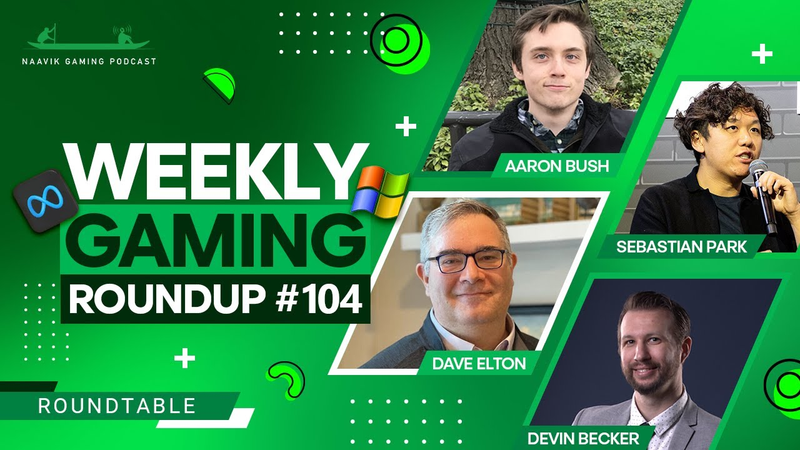
Solutions can take your game to the next level head to codepayments.com or check out the details and the show notes and with that let's dive into the weekly Round Table hello everyone welcome to another novik Roundtable I'm your host Evan Becker and with me I have great panelists as always as you all know by now the ever Lively Aaron Bush co-founder of navigure Sebastian Park co-founder of infinite canvas and Dave Elton president of Blue Line Studios how you guys doing today great I'm having a lot of fun a lot of a lot of fun tell us about how you are starting to to preach to the Gen zirs Seb yeah yeah so I I think you've probably heard me talk um Ad nauseam about LinkedIn and I have I actually thankfully basically the tldr is everything's on Twitter we want to move things away from Twitter because Twitter as a form factor doesn't uh get knowledge across as well LinkedIn has been great if you want to talk to an audience that's Millennial or older and but it's not really talking to folks or gen Z it's not really talking to more uh
people who are on different channels and so I launched a tick tock and YouTube shorts Channel which is a ton of fun so you can find me on Tick Tock at step Park gaming and on YouTube at Seb Park and basically doing a lot of you know like 60 second rundowns of gaming gaming Venture and startups which is always a ton of fun so where can people find that just to be clear yeah so ticktalk.com Seb Park gaming and then youtube.com seppark I think I it's a work in progress in terms of the links we'll we'll have it all aggregated on like my personal website in the next few weeks a few hours maybe we can get that the show notes in this episode or one of the what are the upcoming ones but uh yeah thanks and hopefully that's gonna lead to some longer form content as well and not just 60 second stuff huh yeah I love long-form content but Devin I don't have the Gift of Gab without Aaron Or you on the call so yeah at least you have an
hour every every few weeks so right we got you for that cool well we have some good topics to dive into today's as usual especially the ever uh classic FTC Microsoft deal and uh some updates interesting updates on that uh threads and Final Fantasy 16's number comparison that should be fun to dig into for a minute and uh some stuff around classic video game archiving and problems that they're running into which I guess were no surprise uh a generative AI a topic we love to talk about a lot hitting the news again for some legal stuff that we'll get into and uh with with that being said everyone's favorite favorite topic let's just get out of the way first Aaron what's going on with the FTC in Microsoft the saga continues but it finally looks to be coming to a close so this past week the judge that was presiding over the FTC versus Microsoft case decided to not uphold the fdc's block of the deal ensuring that the deal
can now go through in the U.S as soon as in the next few days so technically that's big news technically the FTC can still appeal the decision and Microsoft still needs to deal with the UK's CMA uh somehow but FTC them appealing would be pretty pointless since their case proved to be weak in court and we're already hearing from the CMA um in the UK that they and Microsoft are opening up discussions again maybe maybe it'll lead to some small divestment maybe they'll still just be a pain in the ass and Microsoft will close the deal anyways until deal with them later I don't know we'll we'll see we'll see what happens over over the Atlantic and the the UK in the next few days maybe there'll be an update before you know in between we're talking now and when this episode goes live that's likely to um but really this court decision is the straw that breaks the camel's back the deal can happen now um and Activision stock shot up much
closer to the acquisition price as a result so the market is you know really dealing this as a done as a done deal um so a couple quick Reflections on this now that we are right around at the Finish Line zooming out and then zooming in so first is that this is a big blow to the FTC uh but also not its first uh by a long shot um and so the current Administration has you know at least in my view but I think it's a shared view with many that there have been operating at least somewhat out of ideology that big is bad and a lot of the weak arguments that they've been bringing to courts um have been failing and quickly dismantling its reputation especially um or at least of the commissioner Lena con so we'll keep an eye on the FTC and you know there might be some changes there uh and you know the months and years ahead we shall see but second despite the f CC's Antics the system actually worked in the end when a neutral Court stepped in um and they looked at the evidence and
made a final call so that's good third what's notable about this is that it might actually embolden and Empower other companies to make M A moves that they would have been hesitant to Prior and I think this is true in Tech and media but I think it might also be true in games because after all if Microsoft the Behemoth and Activision one of the largest Publishers are allowed to combine then pretty much any other combination you can think of it's hard to see there being too much in the way once this precedent is it sets is set so my guess is that some of that this in some roundabout way could actually lead to more thinking and diligence around larger m a especially some of these like platforms think about their Futures and think about exclusives that yet another level of scale and think about just growing out and competing uh for the the next era of console specifically but potentially even beyond that too
um so so those are my quick Reflections and now that the deal is 95 done maybe like 99 done I think it's just time there is different questions now and the num the number one question I think we have to ask um is specifically about Game Pass but more broadly about subscriptions and it's the question of whether large-scale subscription models uh will compete against the traditional a la carte model in a way that's net positive or net negative for both players but especially the video game industry at large and so I want to hear your thoughts but to do this maybe maybe let's play a quick game I just want to try something out a little bull verse bear here and so here's how it's going to work um um you'll so yeah here's how it will work we'll hold basically sideways thumbs up to the camera and when I say three two one go on go you'll give me a thumbs up if
you're bullish on subscriptions being value additive to the games industry a thumbs down if you think it will detract value or if you honestly have no idea you could still go with a thumb sideways um and then I'm curious I'm just curious to see where everybody lands and then we can maybe discuss that question a little bit does that make sense to everyone awesome thumbs up all right well let me see those those sideways thumbs so will the will this subscription model at scale be value additive or value detractive to the games industry over the next three years and three two one go oh okay so we got We're Half and Half here for those on audio that aren't seeing seeing the YouTube video here uh me and Devin went thumbs down and seven Dave were were a sideways don't know TVD um maybe maybe Devin I'll start with you since it's it's more of a firmer opinion
to take like a bigger thumbs down or up stance why do you think it'll be valued attractive and then we'll hear from Seven Dave on why they still got some questions yeah first off I I want to say it was a very reluctant uh thumbs down in that I don't want it to be true because I actually am a huge fan of subscription gaming I've been using stuff since like uh it was like the tap game or so on tap so like those kind of subscription gamings that have been around for a long time GameFly and everything else I'm a huge consumer of these products so like I'm someone who's been using them as as far as I know as long as they've existed at least digitally like online and so it makes me sad to say that unfortunately I think they they skew uh game development too much towards the wrong things where I've even seen like um Apple arcade games come out of that sort of thing where they go from being on Apple arcade to coming out and like they don't know how to transition properly like they didn't have the same like uh design constraints that you need for designing a game for the real world business-wise and and all those sorts of
problems that you need to work around and you don't have the same like uh audience feedback in the terms of like purchases and stuff like that to see what really works so I think it's just excuse design so much that if it if it becomes too big it's a thumbs down if it's a smaller thing and like doesn't affect you know like doesn't become a malignant tumor then I think yeah okay it could be a it could be a sideways thumb and so that's my big problem is that it just it just changes game incentives uh for design and business just just too much to to not be potentially a negative right Dave I'm curious what was with your your sideways view what are your what are your questions or or hold up still um well as both a consumer and someone who's made content for subscription Services uh I think I can probably speak to a few different angles here um I personally love my Xbox game pass being able to try out a wide variety of games try games that I most likely wouldn't be uh you know plotting down on
the counter a huge amount of money to to actually play so it's an opportunity for me and and my family to try a whole bunch of different games so I don't think we normally would just because the availability um from the game developer side uh it does it it certainly has its its pluses and minuses right now um you know I very much enjoyed working with uh the partners in terms of the subscription games that I've worked on um and there's some great ecosystems there but you have the plus as a developer and that um you are going to be receiving some money for what you've done it's not like you are putting a whole bunch of your own money into a game throwing it out there in a free-to-play environment crossing your fingers that you're going to get some Revenue back you know that you are at the very least going to be your internet you're going to be able to pay your bills in terms of generating that game the downside however is that you never
have that opportunity of if you create like the best game the game that everyone loves everyone's playing everyone's super much enjoying the likelihood that you'll be able to participate the upside of that uh unfortunately is is not really there um there is I think a lot of pluses in terms of being having that visibility uh regardless if it's uh you know Apple arcade Netflix uh Xbox game pass or any other Subscription Service um and uh and you know some some companies have said that they've seen the knock-on effects of having uh better sales because of having that visibility you know in some ways it's free marketing being part of that but um you know there there's always a question of if going on to the onto one of those um uh subscription Services have you limited what their potential is for the game that you've spent so much time uh lovingly crafted uh for the consumers
so as a consumer I absolutely love it um as part of the video games business uh it's certainly got its pluses and minuses Sebastian three years yeah I so one of the things that is unrelated is that I suffered a concussion like a month ago and the thing that really sucked during that recovery period which I'm still going through is you couldn't keep multiple thoughts in your head at the same time it was just a major header and so that sucked whereas now I I feel the recovery because I can keep multiple thoughts one thing that I'll start by saying is that I probably should have done this I should have done both as opposed to not knowing I think there it's definitely not an uncertainty right to take it from the top I don't disagree with the ftc's approach of trying to break up big companies I think that's really important a lot of the things that Dave is hitting on right there in terms of how does this affect the independent Studios how does this affect people creating things is a
function of monopolistic action it's a function of people being too large to scale I didn't believe in the merits of the Activision Microsoft case we've talked extensively about it Like It's Entertainment as a core seems really hard to have plurality or anything that looks like a super majority such that you would want to break it up now there is an argument from the FTC side that that shouldn't be our bar that it used to be like 100 years ago our bar was like 10 20 30 this was a freaking lot we should start breaking you up then and especially as we're starting to see more scaling and that's especially as we're starting to see more integration I agree that one would hope that the ITC would become better and would start breaking these things up with regards to subscriptions in particular I think Devin your point is super interesting which is that you know some of these game subscription games suck and that by the way I actually don't think is a negative against
subscriptions what I will say is that when I one thing I've seen time and time and again and this is true not only for people who are coming up in industry but for everyone it is just hard to switch your mindset to start thinking about designing for a different ecosystem if you spend your entire life making AAA console games it gets it's really hard to make games with in-app purchases free to play if you spend your entire career in life making in-app purchase free to play games it's that's actually pretty hard to make games or subscriptions I actually do think there is a lucrative robust subscription game model that allows for types of games that appeal to code to people that we haven't seen a great example of this is that you if it's a pure subscription game based system without any in-app purchases whatsoever the type of game you're making is so different than it is if it is a AAA 70 box game or if it's a free-to-play mobile game where I have about two
seconds to convince you to play this game for another 10 seconds and another like 30 seconds to convince you that's worth paying money for that experience I think that design constraint is different and so I don't think that subscription games being a thing is a negative now I will say and then I think this is the thing that is concerning it is incredibly concerning because if you look at steam right now and you look at Apple arcade the biggest difference you'll see is that Apple arcade is full of IP the it's the super megacorp guys doing Teenage Mutant Ninja Turtles it's another implementation of Hogwarts Legacy it's another thing that we already know the beauty of games historically has been that people can create new IP now this is a huge double-edged sword on one hand it's a tournament model of success meaning for every person who's been successful and able to make games for a living there's hundreds of people who fail horrendously like sort of disastrously for every
there's a great story of four friends making Phoenix age which sold to Kabam and they put a bunch of dead on their credit cards I remember talking to those guys and being like you should never share this story because you guys got lucky everyone else is going to wake up in their 30s with like hundreds of thousands of dollar credit card debt and no way to get out of it under it right and so I think Dave's point that the subscription model is really as a game creator weird it's is that it creates this weird imbalance in terms of revealed and stated ecosystems I think everyone is a revealed person saying that they wanted the gaming industry to be sustainable no crunch nine to five business that allows for the produce art but the reality of it is is that the game Industries not geared that way it's geared towards making hits because we're hits driven entertainment industry I don't think that's going to change I don't think it should change in a lot of ways and if that's the case that inherently means that models where
monopolistic action happens where people have to be subservient to a subscription system by uh like a mega lift is one that removes that upside and so you have all the downside of being a musician basically without any of the upside of the tail upside of becoming uh like Foo Fighters that is a bad EB equation and often when you have bad EB equations it tends to effectively take advantage of people who love the art and craft for the art and craft I want to throw one twist in real quick too before before you jump back into Aaron uh and that's the cloud gaming factor which is that when you're talking about being able to try all these different games and stuff like that imagine if when you went on Netflix every time you wanted to watch a new show you had to download the entire new show or movie before you can start watching it that's what it's like when it's all like download Based and like Microsoft leaning into the cloud side as well I think is an important factor in these discussions around subscription-based Services because you saw even like Google like realizing with
with free to play stuff on mobile that like they started pushing towards that like instant play style stuff and trying to make it like as accessible as possible Facebook tried to do the same thing like people realize like the speed of trying these things out that that sort of like still having that sort of two seconds to hook you sort of thing you mentioned Sebastian is like that's still a factor in these when you're flipping channels essentially uh between these games if it takes 20 minutes to download each one of those to flip between them like your tolerance for bad games is gonna be pretty different I think the Factor's in I I realized I didn't say any original points here's my actual original points on on this topic Aaron which is really straightforward uh were it doesn't matter what we think in terms of what's happening it's clear just from looking at the world that this is this like a lot of upcoming technology is like the npaa it's very much like music the days of 90 dollar CD record sales where we send 20 million albums because we're Backstreet Boys is
almost certainly coming to an end not exactly sure what hopefully we can eke out some more metallic albums between this and and then retire off into the sunset but just even listening to people on this call it's clear that subscriptions are something that people really enjoy really love and that means almost certainly that the the world that we've lived in historically is is ending I I wouldn't say that's ended I I mean I'm sorry I think I think it'll end up being an additive versus a replacement uh yeah I think the same as like same as you know you know mobile games coming in didn't kill PC and console nft web 3 is not going to kill web 2 games uh I I think it'll be additive and I think there's certainly going to be some uh some Growing Pains as people try and figure out what actually works like if you think of like the MMO business today you know how many of them are actually subscription based versus free to play
you know back in the days of you know when World of Warcraft was kicking off all of them were subscription based now you know you're most likely going to find them as morally free to play than you are going to find them as a subscription base so I think there's certainly going to be a number of people that are we're going to try and figure it out but um I in my personal opinion I think it's going to be additive rather than replacing yeah I think you're both right in a sense and I I think you're totally right about what you're saying about in some ways it is going to be additive but even instead I think you're right just like how we count right like like the number of units sold well units won't be sold anymore in a bunch of cases they'll just be part of the subscription so like The New Normal of how we even view like sales data it's just gonna be a wonky weird hybrid world that's just gonna be maybe a bit harder to make sense of until the industry kind of decides to lean one way or you know revert back to the other um so yeah interesting thoughts
yeah my thumb went slightly slightly negative it also was kind of hesitant because honestly I just think that whether subscription is a net positive or net negative for the games industry it's not set in stone yet like a lot of it boils down to just how Game Pass in particular is managed and whether or not other companies you know learn from it and try to do their own their own things at like a different level of scale too and some of that could take a lot of time to play out or not but I just don't think it's set in stone um and just sort of as an analogy I know there's a million differences between the like the video streaming Market in the video game Market but I think it still is worth looking at how the economics of video changed when online subscriptions took over and I think there's a couple lessons there on one hand when the streaming Wars took off and multiple companies jumped into the arena it became expensive to compete
scaling content in a subscription model is already expensive and often uh you know like companies have to take on debt or raise money in some kind of way to just fuel content Ambitions to make that possible which then gets paid back over time when uh when it leads to new subscribers coming on but scaling content and then competing on user acquisition has made the economics of subscriptions as a whole and streaming uh way worse than cable before it and so when that business in some way it turned from one type of subscription to another so it's not even if it's not a perfect comparison but when like this new watch anywhere stream anywhere subscription model with a big library of content um came in it did make the economics of that industry worse and I don't think it's the only industry where that happened but on the other hand um what you see at the big picture level is not necessarily what you see at the company level and at a company level results in video streaming have ranged
wildly because on one hand uh there's just like on one side of the spectrum is a company like Netflix which now generates billions of dollars in cash flow and is actually very profitable when you look at it from a cash flow standpoint that still is going to scale and then you have a company like Warner Bros Discovery now which is just very smart about managing LTV and knows how to make this decisions about what content to keep on its own platform but to license what to send to theaters Etc and you could kind of make that analogy with gaming like some of these big companies are just going to have to think about like what what do we add to our subscription what do we make exclusive what do we put where or have like you know release windows for and so I think there are sport ways to think about the ltvs there that maybe teams will have to think through Best Practices when it comes to how it relates to subscriptions but there are lovers to pull good and bad and then on
the other side of the spectrum are projects like peacock and Paramount plus that just don't have profits in sight anywhere and don't seem to have an eye on their burn rates at all and um are going to have to like make really hard decisions or merge together somehow and that's going to continue to to uh you know change the face of like the video streaming Market um and so you know whether it's a win for whether the subscription model is a win for a specific company is honestly just up to their judgment and execution it's about whether they can cost effectively produce hits that spark conversion whether they have the right library of hits of long tail content of whatever in between to maintain engagement of that audience and and maintain you know and hopefully or hopefully increase retention rates um and you know hopefully through doing that and having a head start there's some advantage in UA and they're able to reinvest into improving just like the user experience and all the the features
and tooling throughout it over time so there's a lot there's a lot to it but the math of the economics changes when it's not about an upfront sale or an upfront sale and then add-ons or even just free to play it's about just the subscription and keeping people paying that fixed dollar amount as long as possible maybe with some extra upsells um you know here here and there too but I think that uh it's honestly up in the air and whether it's a win for the industry is more of a value chain question um and I I think that um I don't think subscription will take over gaming like it did in video at least in the same kind of pace or leads to the same kinds of just like industry-wide losses it's possible I just don't really see the PlayStations and Nintendos of the world and the other big platforms making that leap alongside Game Pass anytime soon but it is worth doing the math to see how funds flow to the other participants in the ecosystem like the developers and Publishers where as
there's been mentioned here I think it could cap upside um and and the biggest scenarios and that enough could be a reason to be value destructive to the largest companies in the industry and raise um some some questions so I guess we'll see I guess we'll see where it heads uh and some of how those hard questions shake out but um I think it's going to be one of like the defining questions for the industry of the next decade so thanks for bearing with me and talk of that through yeah I think I think one thing we can all conclude from that is that that change is coming uh to an extent regardless as it always has with everything and that there will be good and bad things that come out of it I think that's the the and in some ways the most useless take but also probably the most true right just the most mild one but in the meantime obviously we'll be keeping an eye on that and since we're week to week of course we'll be observing those Trends as we see them coming and hopefully stay ahead of them as much as possible so you guys can stay ahead as well at least on the the business side
of that that sort of a spectrum to get an idea where that's going but looking at the business side and numbers and things like that we had a little bit of a topic we wanted to explore around like kind of unit numbers and and stuff in some abstract ways I think if you want to dig into that Sebastian yeah this is actually pretty apropos to the conversation we just had about how streaming is going to shift things around but one of the two big headline numbers that came out this past week were one uh meta Facebooks threads which is technically still a part of Instagram it's it's complicated but threads the new Twitter killer hit 100 million users in like four days uh which is a huge number and super interesting to think about at the same time there have been protests and anger in the Japanese Final Fantasy Community about them only selling three million copies of Final Fantasy in the week and that they're being like an 82 drop off week over week in terms of sales it is so mind-boggling how we come to
this in part because for the most part what you should know is that it Priority to everything we all have different metrics for Success depending on what we do for a living and what we what type of game or what type of product we're picking out I have a good friend who works on a tech platform a B2B Tech platform that's built on top of snowflake and they have like a hundred customers if I only had 100 customers for any of our games that's just a failing game the flip side is three million copies of Final Fantasy 16 at 70 bucks a pop like like Devin Aaron Dave how many ps5s have been sold like I actually don't know like that seems like a large percentage of every PlayStation 5 user as far as I can tell like people don't have a really good idea of how to judge uh judge the numbers in comparison yes relative value is King right where it's just uh I mean like I saw comparisons for the threads one for example compared to chat GPT right because everyone was excited about the the super fast uptake of chat GPT with
just huge numbers in there and at that time they were comparing that to Netflix right like so there's always this like relative comparison of like what's the Nexus so the question then I have Sebastian is like what then should we be comparing Final Fantasy 16's numbers too the the way you know like you may compare threads to Twitter or threads to chat GPT like what's the metric besides just previous final fantasies which is what obviously sounds negative when you when you go that direction yeah I mean I don't think here here's a bad comparison you probably shouldn't compare it to tears of the Kingdom which seems to be a Twitter HOT take right now they're like oh you know tears of the Kingdom the greatest selling console game of all time did you know x x times more uh I think the honest answer is for Final Fantasy 16 this is my personal take which is that they had a budget over a six-year period of development and if you crush that budget and you are making multiples on that budget which they very clearly will I think that's a
success I think honestly a lot of these AAA games are a lot like movies the question we have to ask is is Oppenheimer a success right through the budget of the movie houses box office in total and how well is it received by critics and that seems to be the world Final Fantasy 16 is playing and if that's the case huge success putting it out there it's a big success I think one of the other questions is uh who is the game designed for was it designed for the Japanese Market or was it designed for a worldwide Market and I think as you start looking at you know games trying to reach a broader audience or broader set of marketplaces that they'll change they'll try to adjust to the different markets especially you know not just geographically but over time players change that may be a reflection of uh you know how the game was uh how the game was marketed you know what the direction was for core gameplay and that um
but uh but I definitely agree with your voice like there aren't that many ps5s still out in the in the marketplace um so yeah if they if you look at it from a percentage of how many PlayStation 5 owners have purchased Final Fantasy probably see it's still a pretty high uptake it's probably gearing up towards 10 now I would guess maybe not quite that much but that still is a pretty good pretty good attach rate that is may go up you know over the next month or so also like I don't even think that they had what what the sales numbers had started selling on other platforms yet that was just PS5 where they have an exclusive window but it's not exclusive exclusive forever um so yeah did that include uh digital because that's the other effect that you know if you compare when the last final fantasy came out that was probably gonna be almost entirely box product versus today there's such a large percentage
it's digital sales versus package Goods it's a good question I think I'd imagine it's probably both but I I don't know I think it's something worth reflecting back on I also think just to put to put a pin on it like Final Fantasy 16 I think Dave's point on audience targeting is really interesting that is I I'm I've been told Game of Thrones is not big outside of the western markets and so given that this game found if any of you guys will play Final Fantasy 16 for those of you out there who have you'll probably know what I'm saying this game definitely has some very strong Game of Thrones Vibes as opposed to Journey to the West or anime Vibes and so given that you're right like this target audience seems far better Western than any of the Eastern countries I don't think Game of Thrones is even allowed to be played in China if I had a guess I'd imagine the source material of the grittiness and this is somewhat of a spoiler so give me three seconds to turn off this podcast because if you really care about 516 spoilers but
it's pretty dark it's a pretty dark game like yeah I mean if we're playing bull versus bear on Final Fantasy I mean I would give it two thumbs up I mean we talked about this maybe it was last week or two weeks ago on the Pod just about how Square Enix like they're continuing to double down on on Final Fantasy and are gonna do even more with it and clearly they're investing heavily into these Main Line installments and learning from others like Capcom from their previous successes on how to appeal to a larger Global audience and so um I imagine this is doing that but maybe they'll have to refine their exact approach going forward I'm curious though maybe maybe one other one other thumb thing I just want to get your thoughts on threads I don't have a strong opinion on threads I'm just curious like would you bet on threads actually like sticking the landing and succeeding as like some type of maybe not Twitter replacement but just like another real option a real long-term option that is
there I'm curious so maybe just quick thumbs quick dubs [Music] three two one yeah okay we're all diverse um we don't have to talk about this too much but I'm curious why do you think it's gonna stick and succeed uh 100 000 users is a lot of these or 100 million 100 million these even more yeah uh like there are a lot of issues their algorithmic Discovery is really bad it's unclear if that's the audience that wants it I had a long discussion this morning with some friends and colleagues about whether threats is even the platform like Instagram in particular seems to be pretty abhorrent to gaming and it doesn't seem to be suited towards it threats probably is in the same cohort as as I guess some people have we'll see what happens I I think the biggest thing is that a 100 million users is a lot of users and that's a weekend let's see where they start capping out because if they start capping out a few hundred million
Suddenly It's it's becomes out in the room where they have enough momentum that we should acknowledge its ability to succeed in some way at some point in time I I give it a thumbs middle because I think yes it said uh great success so far but I am really curious to see what happens with it um and I think a lot of the success was just the ease of sign up like the friction I'm So frictionless based on the fact that it's just you know attached to your Instagram account um what happens I think next is what does that content look like as to whether or not people actually stick around if they find that the the content is interesting enough you know people are willing to give it that very quick try but if they're not finding it interesting or if they're finding it offensive or you know if they're not finding it as the content they're looking for then I think they'll they'll quickly move on and it just needs to be differentiated that's probably more why I land thumbs down I just don't think it's special or unique and we'll see maybe they'll change it um also like I have never used Instagram I've just never cared and so I'm like
all right well this is awkward um but anyways it's all kind of the side does it need to be differentiated does it like so that's actually interesting question right because this is the biggest pushback against Final Fantasy 16 is that it's super differentiated versus this previous turn-based mechanics as opposed to this real-time RPG type of mechanic uh I would make the argument it doesn't need to be differentiated it could literally just be slightly worse than Twitter and people may want to use it just because from the novelty of it all I don't know I think longer term I do think it matters it only wouldn't matter if it's tapping into a new audience that Twitter hasn't really gotten in the same way that like Instagram copied stories from snap and snap was fine but you know Instagram still benefited from that feature but this isn't a feature it's not a new feature it really is a new product um so I don't know I'm a bit more hesitant it's not very often that these types of platforms really stick
um but yeah the distribution is incredible anyways interesting discussion didn't mean to give total tangent on threads but moving on your own thread as it were yes yeah it's uh it'll be it'll be interesting to see where it goes I mean uh Twitter actually took quite a quite a while to really catch out of the first place people kind of forget that there was quite a few years where no one knew what Twitter was no one cared uh so obviously this has the momentum from Instagram but we'll see how how far that carries them we've seen Twitter clones before in the past so uh I I I personally uh I won't get to and do it but I I see a lot of reasons why it might fail but who knows I've been uh I've seen a lot worse products succeed and makes me a little sad sometimes but it does happen you know so some people have to succeed so people have to fail and roll the dice but uh speaking of uh older products taking a while uh a terrible segue there but uh some stuff around older games that I think uh Dave wanted to get into right game archiving running some problems
yeah um so there was a report on gamesindistory.biz that the uh video game history Foundation revealed that about 87 of classic video games are unattainable by players um now for those that are wondering what is classic actually mean in this particular case it's games made before 2010 uh probably because I'm the old guy that I think of classic games as being more like NES games but uh but yeah so games made before 2010. um now for this for me particular this I want to actually struck a chord with me because uh just to very quickly dive into a little bit of my uh career path in the world of video games uh when I was growing up before I really got into uh professional video game development there were no schools for video game development um but I had the Good Fortune of working with a small franchise uh here in Canada called games exchange which you can try out the game in the store before you bought it newer used um so for me the fortunate part was that
you know uh store was empty paperwork's done cleaning's done I meant I went behind the counter grabbed a game plugged it in and tried it I probably played I would I would guess probably like 200 different games 200 300 different games all working there and for me there was a fantastic education because I was actually able to sit and play the game see what I liked what I didn't like so um you know later on in my career as a video game design and having good understanding what the players are looking for that played a huge huge part in that background um so now there are organizations that are working towards the preservation of games uh more locally for me at least here in Canada there's the Sid Bolton collection at the University of Toronto Mississauga where they have over 14 000 games but if you think it's a fraction of what's been created over the years and I actually started also thinking about well there's the classic games but what happens when we try and um
preserve the games of today so you know back then it was a case of it's a it's a new medium do we really want to spend the time to you know archive everything that comes out but now that we realize how impactful video games are we want to be able to maintain those games because I think as everyone knows that having a good understanding of what a game is like the best thing to do is play it you know as much as we have videos of games inside YouTube Etc the best thing to do is actually play it and the biggest challenge right now is that you know where a game ends up is a lot different from that disc that you bought from the store um just with all the uh you know downloads add-ons be it uh you know DLC or uh you know micro micro content that gets added to the game actually being able to preserve that especially when the games are requiring a back end so for me it's uh you know as as difficult it is to see that a lot of you know a very large percentage of games not being
available um I actually wonder if uh it's gonna be even worse with the games of today like how are we actually going to preserve the games of today and and be able to have that uh that ability for our future game developers to to see and play the history of where the industry's been there was one thing that was mentioned I think in the article that that's worth touching on which was they specifically said the different things that like they're not accessible to players unless with these exceptions and the one they mentioned that I think is worth noting is piracy and so like I personally think a lot of this when it comes to like pre-2010 but maybe not not as much in modern games isn't so much uh a physical thing or a technological thing it's mostly a legal thing if you just allowed the piracy like actually most of these games are preserved uh and like even MMOs like I could still play Star Wars Galaxy today like on a survey emulator I still play Ultima Online today now legally probably not right and that's I
think you know it's worth noting like as a footnote that a lot of this is actually a legal problem somewhat more than a technological problem um potentially but even like so I worked on Need for Speed World online which was uh one of EA's first uh free to play Ventures um can't play that anymore um same with a lot of other you know is free to play games early games um and a lot of games that do you know there are console games that you can play parts of but you can't play all of it uh you know games that required uh you know multiplayer or sorry online uh connections for playing multiplayer um so I yeah I agree that there are some games but I think for every Star Wars Galaxy that you can continue to play today there are probably you know tens dozens hundreds of Need for Speed World online set you can't play anymore yeah not to even talk about the live Ops versions of they do believe World of
Warcraft classic to be a different game than the most modern up-to-date version right there's entire versions of DOTA Hearthstone that you'll never be able to play again because that's part of the memory and especially as live Ops became a bigger and bigger part amusingly around the cutoff of old games We're not gonna see any of those games come back into its entirety I I think about this on occasion when talking to match the Gathering players because they have physical cards and they can like replicate what the game felt like during 2006 time spiral or whatever right they're like oh we can just like grab those cards find the heroic that's applicable for that era and then play that game and certainly to Dave's Point that's just not possible yeah I could see how the free to play collaborative more live live Ops driven games would be a challenge but for everything else do you think it could be something where like a game pass or the subscription model comes into play and like almost as just like an initiative or just like the
classic like the classic game initiative from Xbox or something so kind of you know plant their flag and try to ensure that some of these games can be playable or restored or something and put it on there it seems like an interesting idea is there any Merit to something like that actually being helpful or doable so uh I'll let you in on a little secret on the game development side game companies are horrible horrible horrible at maintaining the the games themselves in terms of uh you know all the source material um you know if you ever ask uh you know a game team uh can we please have all of our art resources in one particular place you will get well Bob's got such and such on his local machine so we don't know where he is uh you know Samantha's got the following things and she's now working on a different team
and we think that their her computer then got you know possessed by her original team like that material is just everywhere so trying to actually have that ability to properly archive games is really challenging unless the game teams themselves also play a part in stepping in that um you know if you think of uh being able to uh maintain uh you know film or books it's a lot easier to do that uh you know go to the USB library of the Congress library it's an American thing I don't remember exactly how it is but there's a book of every you know pretty much a book all the books there right well it's pretty easy to store a book um because you don't have to recompile the book for a different platform when uh when something else comes out um but in games is just that that much more difficult so I really do hope that we can get there it's but it's just going to require a lot of work by a lot of people well that's why I think the legal angle is important to to observe in the sense
that like there are a lot of dedicated fans out there to a lot of games even obscure ones that are willing to like dig up those source files that are willing to like recreate that old content to the best of their ability that are willing to build server emulators for online games and a lot of them will get cease and desists especially if it happens to be say a Star Wars game right uh you know some of these companies are overly aggressive and I think if there was a carve out of some kind to say like like for example there's some games you could play on internet archive right if there was a carve out to say like hey you you could only play these games like people people are allowed to do these emulations etc etc but the the only venue in which you could play it is this Digital Library of Congress online where like we're just we're gonna Safeguard the venue so people can do this at home or whatever like outside of that uh as a carve out and like that's that's I feel like the compromise to say like you know like like internet archive technically is pirating the whole internet right because it's making copies of all these websites from all the different areas but it's if we don't legally allow some exception for fans to be able to fix the
issue and Licensing does come into a big part of that and it may not be as you know simple as I have the Star Wars license it could be something as small as well my license for this one particular song ran out that I use inside the game and therefore I can't sell it either I have to figure out how to take that song out or I can't sell it anymore yeah you guys are okay so another lifetime ago I did a lot of work with the eff and fight for the future and you're you're starting to grasp Upon A lot of these headache things but here are some macro issues everyone should think about and and if you're listening and you're a particular a US citizen um these are things you should care about and I highly recommend going checking out eff.org and seeing their advocacy of this the biggest issue right now we have in America when it comes to uh trademarks patents but more importantly the copyright issue is one enforcement and two the adjudication of
fair use right so in terms of enforcement thing unfortunately the owner of these marks have to go after everyone because if they don't that creates case law that allows them to then say hey you're not actually enforcing your trademark therefore we will remove the trademark for you that sucks there's really not much way around it if there's ever an interest for people who are listening to novik for having some trademark people on this on this podcast I have to know a bunch of them happy to um facilitate that but it's that is always a headache it sucks that they don't really have a choice but to enforce these rules the second thing is that the biggest defense that we have typically is fair use uh and that is a carbide that's been there for decades but the downside fair use is that you can only figure out if it's fair use as adjudicated by a court of law and so the actual cost necessary to figure out if your fair use is fair use is incredibly expensive and this is true not only for
the video games but also for video and music and everything else and it's such a headache and no one wants to do it and so we have what we call this like issue with like the normative constraint versus the reality of the freaking world and I certainly think Devin to your point that would be really awesome to allow to happen I'd imagine what we need is less a Library of Congress and more just a trillion dollars if someone out there is a multi-billionaire like a little bit like what the South Park guys are are doing with um Casa de Bonita in Denver where it's like this awesome hobby project if there's some wealthy individual out there instead of building a rocket ship that takes us to space we have enough of those people if you can work instead on funding the defense of fair use so that we can have this that'd be awesome yeah that's what that's what I mean like I feel like it almost has to be like that that Library of Congress kind of thing where like there's a a specific exception like you have to defend your trademark everywhere else you have to do all these other things all the normal rules still apply to everywhere else but the specific area
this online digital Museum where like this stuff is allowed and like that feels like the only way you could kind of like box it in to make some kind of like legal exception because as you said it's like such a huge thorny issue like if you've got a machete you weigh all these things best you could get is like a little tiny clearing right that and that's what I guess we could hope for and until then I guess we all just have to Pirate games and then just we don't talk about it I guess uh when they're old enough that we can't buy them right navic is not saying to Pirate games just to be clear but at least there are some some subscription services and stuff like uh the the the Nintendo one for example on Nintendo online that will preserve some old stuff like that is part of the reason why you don't see a lot of the you know sort of legalization of these older things because of course gives them an opportunity to resell it but unfortunately even sometimes when they resell it like it doesn't work the same as it used to like I specifically bought like the command and Conquer remastered because I'm one of the few fans of
Command and Conquer 4 and I load it up and I'm like cool like I could play this again like it looks like it's all working like I can't play it at all like it just won't work because the Surfers are dead and like they still sold me in the game no problem yeah go ahead please buy it but uh good luck playing it like in any form other than versus AI even though in theory it has like just normal matchmaking land mode I could see my friend we could friend each other just can't play together so those kinds of situations unfortunately I think are going to kind of crop up uh you know unless again people are allowed to fix them for the companies because as Dave said the companies are detourious about it I watch the whole document Henry on the command and Conquer remasters and the amount of work they had to do just to dig up all those kinds of files and things exactly what Dave was saying like it was a massive undertaking just to recreate those like what you'd think oh they just pull it off a shelf right and just put it put it back on the on the EA store right like no it doesn't sadly does not work like that even the amount of work I imagine that goes into Nintendo re-releasing their stuff uh the
Retro games on like they even did on the Wii store that Wii U Store and now they're doing like on the Nintendo store that's still like I imagine a bit of work even if sometimes they're kind of shoe warning an emulator and a ROM in there uh still requires some work to do that so unfortunately I think a bit of a sticky topic but uh I think one one worth discussing just maybe not uh on a less legally minded podcast I suppose uh but but anyways uh we did have another legal issue though that we want to discuss quickly as well which was around more problems with generative AI who would have thought that you know that maybe it's causing some uh some legal headaches that it is uh so has come out that uh Sarah Silverman along with two authors uh Christopher golden and Richard cadry are suing uh chat gbt developer open Ai and uh as well as meta uh uh because they're using their material in their training data and this these aren't the
first lawsuits coming about uh you know we've got uh Getty Images suing uh stable diffusion for their use of images inside their training models um but we're now getting to the point where you know there are serious questions about the data sets that people are using inside these uh inside the training models um and as we start covering in you know both visual written copyright uh we'll be getting to audio shortly I'm sure with performers uh you know already uh you know talking about what people are are you know creating versions of what I'm saying without me actually saying them so we very much prefer they didn't get to that point um we're now getting into a range where it becomes very dangerous for developers who want to uh stay on the right side of uh the legal World in terms of what they're using so um I think we've gotten to the point now where you know those that work inside
real money are very familiar with the term kyc or know your customer or consumer or variation of that I'm suggesting that developers now work with a variation of that which is kyds which is know your data set um if you're working with generative AI data sets that have the potential for including materials that are copywritten and are not able to you're not able to verify that you have the rights to use them you are potentially running into some challenges uh already steam has said that they're not going to accept uh games that were where where the developers aren't able to uh verify what the data sources are for their data sets it's not that they're saying you can't use genitive AI or or any sort of other variation of generated uh content it just has to be inside a verified data set so starting to see this now as well as uh where companies are promoting their General AI uh
um uh products Unity has stated that they own the data sets they use for their own particular generative AI products but they they aren't necessarily um you know showing exactly what it is that they're pulling from Adobe gingerbread they've outright stated that they 100 own all of the content inside the database that they use for their training so um you know as we start getting to the point of uh if if teams need to know exactly what their data sets are and that they have 100 rights to it uh the question that starts coming up into my head is that um we'll we'll generative AI end up being the thing that allows small companies to create content to the same level as large companies and the reason why I'm asking that question is is that if you think of needing to
create that General data or that data set before using AI on it what does that cost what is the time requirement in order to create that artwork and if you think about the teams that have the headset a head start in terms of having that wealth of material it's actually the companies that have very large franchises already in place so if you think of Activision Call of Duty you know if they want to unleash uh generative Ai and creating a whole bunch of new content well they've got a very large data set already to play with if someone is starting to create a brand new game they're going to have to create uh you know they potentially have to create their own set their own data set before they can start working with the AI tool sets to be able to create the new content so you know with those with those in mind the you know the the potential for time or for cost uh for smaller teams uh
required is it going to be a case of uh the larger teams are going to be able to use generative AI to set uh very very high benchmarks or just have contract you know huge contract fortresses in terms of uh the size of the games or will they make it cheaper and then be able to compete against smaller teams and I think that's actually a question that I have for the panel you know if we are getting the point where it becomes that much more restrictive in usage uh who is it really going to benefit so and and apologies for like one I'm not a lawyer so please please and this is very very americocentric but I think we're fortunate that if we're not American Centric we're chinese-centric in the game industry and for Chinese Centric none of this matters so like let's stick with the American framework here but I like one I actually will go on record and saying that I think there's no shot in how this case wins uh I think the actual mechanisms around this data said infringement is completely there's a great amount of
cases that we can draw from that will invalidate the support in part because if you think about the closest corollary I think is certainly Google Books and if you think about the case law that came out in about 10 15 maybe not now but like the authors Guild versus Google for those of you don't know basically Google went and digitized all of the books that they could find and kept doing so and the author's Guild was like hey this is an infringing use of our work it went up the appeal process in summary concluded two main things one that even though they weren't authorized and had no rights to digitize the copyright protected works and create a new functionality on top of it and display Snippets from that work all of these things were non-infringing fair use not to use fair use all over again but the transformative nature of that information the fact that you're taking this ingesting this thing that's very transformative that the actual display of the specific copyrighted materials were not was very limited and
that didn't produce a market substitution to the protected asset class meant that their use was unequivocally upheld in that course two that because the digitized versions were consistent with the way that copyright law is applied that it wasn't at all infringement and this was upheld multiple times now I'm I'm sure I'm sure that like people don't want to hear the legal nature of this and please talk to like CeCe or Matt everetts or or um or like you know actual freaking or ABI um like there are actual legal Scholars who know this kind of stuff um citron's a great person like everyone at breakfast Center Harvard's great but the reason why we have these protections and I can't emphasize this enough is exactly because of what they've said if it's actually the case where like this is one of those like Trojan horses that give me a headache all the time if it's actually the case that we protect the quote-unquote authors in this case Dave's outcome is the reality
that in protecting Sarah Sarah like whoever the authors are we end up disenfranchising the ability for new and smaller companies and people who are doing some Innovative things to create really cool content and that is the downside now what's amusing as a result of this is that you always take beloved children's authors or beloved musicians as your Trojan Horse this is like the 101 case law example you take them as a trojan horse you get public appeal behind them but in reality the implication of some of this application I think is going to be massively negative and I just like don't think there's a chance in hell is going to succeed I actually kind of agree honestly my take is just I wish people would chill like just calm down like can we can we have something nice for a moment and just like enjoy progress yeah for five minutes please before lawyers get involved thank you um that's that that's my my lead in but
I think I I think I agree with what Seb is saying I I doubt these cases will win it is interesting like something like open AI it really is like one of the largest ask for forgiveness not permission uh you know examples in modern business history and they're probably going to pull it off and not just them but a bunch of the other like leading AI companies so even if they're even if there are like new legal stipulations that get get put into place and rules that are established that limit what those models can do those models are soon even if they have to be tweaked still going to be legally usable um and two companies like open AI are positioning themselves to help establish like the like the legal Frameworks since they're you know like just now in the discussion with governments Etc so it'll be interesting to see how that that shakes up I think the question now is just um in the meantime while we wait for clarity what do you as a business where
do you fall um from ask for forgiveness to ask for permission and I think it's just going to be a different answer for different companies um and again I'm not a lawyer and most lawyers would just probably tell you to do the most conservative thing but I think it's just clear that larger companies have more to lose whereas smaller companies maybe don't um but also like it depends on your position as a type of company right like if you're creating tools um and maybe not games like if you're waiting for permission you're probably not gonna win and someone else is going to build the brand build the market share um in your place and as a game like you know you know how to make games the old way you can kind of toe the line and figure out how you want to approach it and that's okay but honestly my take on some of this is that like with valve for example I think they overstepped like I don't think it's in their like I don't think it's their position to say like hey we should accept games or not that
use generative AI where the teams do or don't own the underlying data because one it's not actually a like legally established yet two it's different from crypto in the sense that like them as a marketplace where they have to follow know your customer laws and money laundering laws and things like that that doesn't apply to gen Ai and honestly I would think even just like section 230 which is like the kind of the set of laws that establishes like what platforms are liable for the Press like the the liability should fall on those that are making games not the platform and valve should just stay out like let people do their thing let the laws be established and then maybe once the laws are established yeah maybe you come up with some kind of rule but my goodness it just feels like monopolistic overstep right now and again can we just chill and have something nice for five minutes
the answer is no and by the way I don't blame the answer being no right like like here's the flip side just for people who are curious as to why um writers in particular are always overzealous in this regard it's because they've gotten screwed like by the movie industry by like every step of the way like you know it's like I I don't mind them overstepping it's just one of those weird moments in time which we see occasionally when politics meets lawsuits where the person you want to protect like I'm a huge fan of authors I really want to protect their rights that seems really great I just don't think this is the way you should do it and if you do it this way you're setting yourself up for massive um uh like the world they've set up where basically the only people who can make interesting high-end content are the ones who own all the subscriptions because in Aaron's world all the companies have rolled up into one single Milano with and they're the only ones who have the right to their own assets who are able to generate their own thing
I mean I can and from the I mean from the Creator's perspective I can also definitely see it so um you know if you can imagine uh you know going to church BT or whomever and say um write me a novel in the form of John Grissom and all of a sudden you've got the potential for you know a novel that is in a style that millions and millions of people have enjoyed over the years uh and without any real work you've now got something that has to potential to be sold um or uh I'll use a a personal example there is a game that uh I worked on a while back and um saw a competing game come out and I would swear that they took our textures and just applied them directly into their game uh in case of just basically just copying our material and putting it into their material um and there was work that we did and
undertook and then you know was was taken into the game um so you know there's I think that from the artist's perspective it's we've put a lot of work into something and then to have somebody else take advantage of that work without them doing the work um you know feels like uh you know as you said said writers have been screwed for for so so long you know artists feeling like they're they're being screwed in that way it's so hard right yeah yeah it's it's so hard because let's just be clear right game mechanic like if you make a book in the style of John Grisham that's transformative that's not trans like copyrightable at all right game mechanics oh my God we're going to so many deep the game account now mechanic the game cannot be copyrighted that's why there's no such thing like a lot of these rules around um like match three games that is a style of game that cannot be copyrighted like it can it won't stand up in American chords look I have no idea about European courts they're crazy in other world so maybe they will do something or something but like
copyright law and this as to your point Dave on your assets right like if they're assets in of themselves were stolen that's that's just that that sucks and that's awful but the way copyright is implied is the moment the game becomes an expression of art that is the moment in which it becomes copyrightable right and so if you were to for example use a aesthetic that's like vampire-esque that's not really copyrightable and this is actually one of the fun things if you see what the happy guys have done with like Survivor IO a lot of that game mechanic is just straight ripped from survive the zombies like it's or vampire survivors rather straight ripped like the upgrading the how you get to the upgrade all ripped totally fine because we don't want to stand in the way of innovation right and that I think is the is the weirdness of it all there there's a um we all stand on the shoulders of giants is the phrase that people say all the time and it's just really hard to figure out what's owned by who and I for one am
always on the side of hey you know if we don't know to Aaron's Point Let's just ask the lawyers to chill and then see where this thing ends up lawyers chilling I don't know if that's possible um the last thing I was going to say is just that I agree there's a difference between like copying and pasting like Mickey Mouse into what you're doing or like your exact same background versus uh just being inspired by something um in the same way that like we all as individuals can be inspired from each other and you know take the little bits of the best of all of us to create something new letting AI do the same thing as an extension of us makes a lot of sense it's just a question of where you draw the line anyways this is interesting as we've said several times we're not lawyers if you actually would be interested in baby hearing from lawyers or someone who actually knows more about what they're talking about and you've made it this far into the podcast just leave us a comment and let us know and maybe we can figure out how to orchestrate something I could see how that could be of interest to a lot of people but just just let us know cool
well of course you let us know at podcast novik.com uh if you want to email of course as well for any feedback or comments one last uh this book while I want to throw out before before we peace out is uh a clarification on the the lawsuit over the uh the AI as well it was specifically because it was able to generate book summaries so I guess in this way the authors are kind of admitting that the summaries are probably better than just buying the book and people will read that and go nah I'm good and pass on it so maybe they're just submitting their their quality is not that great I don't know just throw that out there but anyways I want to thank of course our panelists as always look forward to of course seeing everyone here again as always with with each of these episodes and of course you The Listener as well for for sticking around through all the legal talk again make sure to let us know if you'd like to hear more of it because it is obviously something that affects everyone uh all the time whether you like it or not to an extent right so good stuff to dig into but thanks again for tuning in and of course we will see
you all next week and have a great weekend until then if you enjoyed today's episode whether on YouTube or your favorite podcast app make sure to like subscribe comment or give a five star review and if you want to reach out or provide feedback shoot us a note at podcast navic dot Co or find us on Twitter and Linkedin plus if you want to learn more about what novik has to offer make sure to check out our website www.navik.com there you can sign up for the number one games industry newsletter navic digest or contact us to learn about our wide-ranging Consulting and advisory Services again that is www.navic.com thanks for listening and we'll catch you in the next episode
Summary
The gaming industry is currently navigating a period of significant structural transition, marked by the consolidation of major publishers and the ongoing evolution of digital distribution models. The recent judicial clearance of Microsoft’s acquisition of Activision Blizzard signals a potential surge in large-scale mergers and acquisitions. However, this consolidation coincides with a contentious debate regarding the long-term viability of subscription services like Xbox Game Pass. While these platforms offer developers guaranteed revenue and increased visibility, they risk fundamentally altering game design incentives and capping financial upside. Parallels to the streaming industry suggest that such models may create volatile economic conditions that favor established intellectual property holders over independent creators, pointing toward a future defined by a hybrid of subscription and traditional retail sales.
Performance metrics for major titles have also become increasingly complex to interpret. For instance, while Final Fantasy XVI experienced a notable week-over-week sales decline, its overall performance remains robust when measured against its budget and high attach rate on the PlayStation 5. This nuance highlights the broader challenge of evaluating success in an era where digital engagement and long-term retention are often prioritized over initial sales figures. Simultaneously, the industry faces a critical preservation crisis, with 87% of classic games released before 2010 currently commercially unavailable. This issue is exacerbated by poor internal asset management and the reliance of modern titles on live-service infrastructure, which creates significant legal and technical barriers to long-term accessibility.
Finally, the integration of generative AI presents both a transformative opportunity and a significant legal hurdle. Current legal precedents, such as the Authors Guild v. Google ruling, suggest that the transformative use of copyrighted data for training AI models will likely be protected, potentially shielding developers from widespread infringement claims. Nevertheless, the industry must adopt rigorous data provenance practices to mitigate copyright risks. These requirements may inadvertently raise barriers to entry, favoring large incumbents with proprietary asset libraries. Consequently, the consensus favors a cautious regulatory approach that avoids preemptive bans, allowing for the development of clear legal frameworks that balance innovation with the protection of creative rights.