1 free read left. Create a free account for unlimited reading + AI research.
Create free account
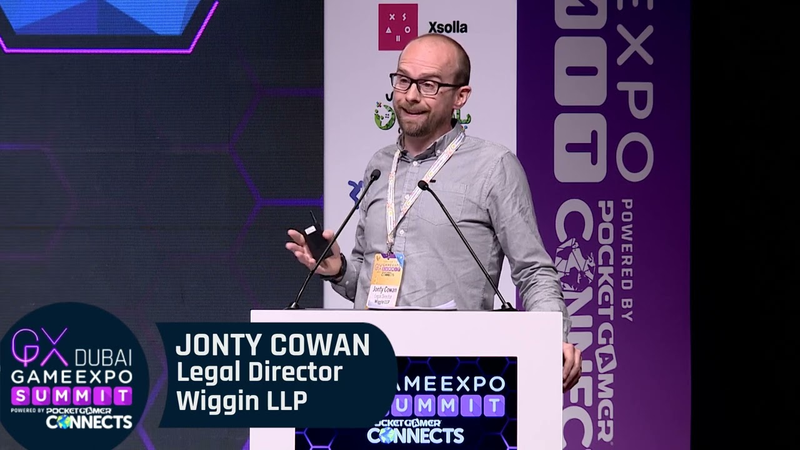
Generative AI: Maximising Deployment Whilst Minimising Legal Risks - Jonty Cowan, Wiggin LLP
Key insights
6 takeaways- 01Legal frameworks for AI-generated content are currently fragmented and vary significantly between jurisdictions like the United Kingdom and the United States, necessitating a risk-aware deployment strategy.
- 02Risk management should be context-specific, distinguishing between the use of AI for internal concept work versus public-facing assets to protect intellectual property integrity.
- 03AI tool providers often include terms of service that grant the provider broad rights to user-generated outputs, which can compromise a studio's exclusive ownership of its own assets.
- 04Inputting proprietary source code or confidential data into AI models creates significant risks regarding the loss of trade secrets and potential data breaches.
- 05Studios face severe legal consequences for AI misuse, including costly litigation, injunctions, forced product destruction, and the potential termination of publishing agreements.
- 06To mitigate liability, studios must implement internal policies that require thorough due diligence on AI tools, detailed record-keeping of AI-assisted content, and rigorous human oversight of all outputs.
Ask AI about this video
Transcript
I would like to welcome to the stage uh to talk about generative Ai and maximizing deployment while minimizing legal risks there may be questions about this too I'd like to welcome jonty Cohen from Wigan well done hi everybody uh thank you very much for coming along uh it's great to be here um there we go um so my name's John T I'm a lawyer in the video games industry I've been in the industry for about 15 years 13 of which was spent at EA doing lots and lots of different things there um I'm now at wigging a law firm in London working with lots of different games companies of all different shapes and sizes um so AI
um I noticed that I have lost some people in the room it's probably a normal reaction to when a lawyer steps up on stage but I promise this will be better than most lawyers talks um so AI we all know that there's been a big buzz about AI um games industry has been using AI for many many years um when I was at EA they had a special division that was investigating future Tech and they started to uh work on AI about 10 years ago and it was deployed in lots of different areas but it's generative Ai and the new tools that are publicly available that have really created this buzz and it means that now ai is not the reserve of the big companies anybody can use that so all of a sudden all the development Community is incredibly happy about Ai and interested in the opportunities unfortunately though you do have some lawyers who are sitting there scratching their heads and thinking well what does this mean so they're looking at
you know there I mean there are tons of Articles loads of seminars that you can go to where they will bore you senseless about does the current law fit AI how's you know how is it going to work do we need more regulation etc etc um and what we're seeing is a bit of a legal arms race across different countries as each country is looking at this question it's a very piecemeal approach lots of different territories are looking at it very differently but rather than bore you today with the ins and outs of what each country is saying I want to give you more practical guidance on actually how can you deploy AI within your business you you know harness that opportunity but mitigate some of the potential legal risks that might come out of it so the legal risks IP ownership and Licensing this is probably the biggest one and the the risk that has received the most uh the most coverage so far so what I'm talking about here is
um who is going to own what's being input or outputted from the tool so if we look at training inputs first of all so this is the content being used to train the tool you need to be sure that that content has been properly licensed for use within the tool we've already seen litigation where Getty Images are suing a stability AI because they have alleged that they're using lots of the get images without properly licensing those so what could this mean for you well if you if you create an image using uh stable diffusion and it includes an unlicensed piece of content does that mean that you could end up in court as well even though it's stable diffusion that's provided the tool potentially you could prompts when you are instructing the tool as to what you want to create you need to be very careful about what you're asking it to do
if you ask the tool to I don't know uh draw me a picture of Mario video game character it's very likely that you are going to be seen to be instructing the tool to infringe the IP of Super Mario if however you said draw me an image of an Italian plumber it's a lot harder for them to argue that you have instructed the tool to infringe their rights it doesn't mean you won't receive a claim but it will improve your position so you need to be very careful with your prompts and then the output who owns what's been created um this is one position this is one point where there's been different positions in different territories in the UK the law recognizes the fact that actually you can have copyright in a computer-generated work whereas in the US it's looking like that may not be the position and it's been suggested that maybe no one will own it but then also even if you do own all the
content that's being there we go mic drop I'm not going yet I'm afraid um even if you do own it then often within the terms of use for these for the tools then actually you are you grant a license back to the owner of the AI tool for them to use that content and the way that those terms of use have been drafted so far they're incredibly broad terms of use so if you create a character that's going to go in your game you're centering your game around this character you're building the narrative in the storyline around that it's possible that you know could they then allow somebody else to use that same character in their game and you could potentially have no recourse against that company so you want to be really crisp and clear as to the IP rights you know how that who owns it are you able to use them are you granting licenses to other people inadvertently through things like the terms of use whilst we're talking about the terms of use
there are other issues as well that you need to look out for in those um I know that they're not fun documents to read I don't particularly enjoy reading them even though I'm a lawyer and I've read Lots in recent weeks um but the owners of the tools will give you I can pretty much guarantee you they will give you no guarantees as we call them in the industry warranties or indemnities you'll get no guarantees about the use of the tool and the content it's creating so if you do receive a claim it's very unlikely you would be able to have any recourse against the company that's provided the AI tool personal data um privacy laws as I'm sure that many of you will know are quite difficult and challenging you need to make sure that you've got the correct rights when you're collecting personal data what you shouldn't be doing though is inputting personal data into the tool because it's incredibly unlikely that the regulations would allow you to input that data unless you have the proper consumption from consumers and I would
put 100 bucks on the fact that nobody within their privacy processes and flows have got that consent up until now to be able to use personal data in that way an equally confidential information don't put your confidential information in there because you you know you're allowing the AI tool to use it don't put your source code in there again because you'll essentially be licensing it to them and then offensive content so you you need to be very careful as to what content is being produced by the tool um right now when you produce content obviously as a human being you can tell whether or not it's appropriate an AI tool may not be capable of recognizing that and I suspect at the moment they're not maybe one day they will be but it but also you need to consider will you know is an AI tool smart enough a piece of content may be appropriate in one culture but not another so for example if you have an image of somebody
drinking alcohol that might be okay in the UK but in Saudi Arabia is that appropriate and this is these are the kind of issues that you need to look out for potential consequences so if the worst happens and it does go wrong what could you be facing well the first one it court cases if you end up in court for a copyright claim let's say or other IP infringement what kind of issues are you going to have well firstly before the court case has actually heard your game could be could face an injunction and that would prevent you from commercializing your game and obviously that could be disastrous for the studio secondly if you lose the case you'll probably face a damages claim again that can be very costly it would likely be um at a minimum the cost that you would have had to license the content but if uh you know it's very likely that
actually it could be a lot more than that particularly if you've been reckless in how you've used their IP um again if you lose the case you'd likely be ordered to destroy all copies of your game you'd be prevented from commercializing that any further if it still contains the infringing IP and you'll have legal fees litigation isn't Fun it costs a lot it takes up a lot of your time so I'll always advise clients to avoid it if they can data breach fines the data protection authorities have got a lot more uh teeth in the last few years and we started to see them take action a lot more for data breaches um if you face a fine I mean we've seen it it could well be very high we've seen fine in the millions of dollars in recent years um so you don't want to be on the wrong end of that the impacts on your other agreements if you have a publishing deal or a distribution deal even the terms that
allow you to distribute content via the App Store you need to give warranties and guarantees to those uh you know to their Publishers the platform providers that you own all the content in your game and that you're able to license it to them if you're in breach of those warranties your publishing deal could be terminated because of it would be such a fundamental issue to that deal it could jeopardize that then insurance coverage if you have insurance for your business normally it would potentially cover you for copyright infringement claims having spoken to a couple of insurance brokers the insurance industry they're very aware of AI and what's happening with it they haven't figured out how to deal with it but what they have said is that they would treat it like any other copyright infringement claim and if you haven't exercised reasonable care to avoid any issues it's very possible that they wouldn't actually pay out against an insurance claim so then the insurance that you've paid a
lot for is essentially worthless and the last thing which isn't on the slide is reputation as an industry we've built on IP it's maybe after your employees it's the most valuable asset that you have within your studio if somebody was to infringe your IP I'm sure you'd get upset and you want to take action you know and you expect people to respect what you have created so I think as an industry we should actually show other people the same respects and be cautious of how we're using their content too so so far I'm afraid it's been a bit Doom and Gloom but these things can actually be very easily avoided with a few easy uh tips that I have and I'm not saying you have to use every single one of these but I think you should take these into account if you're looking to use generative AI so the first one understand the AI tool do your due diligence what content has
it been trained on does it have an offline learning mode where essentially you are the one that's going to input the data and the content that it will be trained on at least then you have more comfort as to the rights that you have in that data to teach that tool and as I say there return review the terms of use as I said earlier they're not fun but it's a necessary evil I'm afraid or if you don't want to do it speak to a friendly local lawyer and see if they can help you think about how you're using the content the context of use will impact on your risk assessment from this if you were just creating concept art it's only going to be used internally you can be sure and you can put appropriate safeguards in place to know that it will never be seen publicly then actually if you did create a piece of content that's infringing will anybody find out about it arguably not and so it would make the risk much
lower however On The Other Extreme if you're going to create characters if you're going to put them in your game it's going to be public you can have a lot of marketing around it the likelihood is that you will you know you may well receive a claim if it's infringing and then are you going to have to take your game off the shelf as I said earlier so again the risk profile there is a lot higher so think about the context in which you you you know you're prepared to use that generative AI um what are the inputs I've gone over this already but do you have the right to use that um data that's been inputted be very careful with your prompts make sure you're not including personal data conference information or any source code and then human review again as as I said earlier well I'm somebody I know that there's a lot of press and talk about are we going
to be made redundant by AI I don't think so I'm not worried about being done out of the job quite yet um but I think human review is so important um at least at the moment until the AI tools can be a hell of a lot smarter keep records this is actually quite an important one um the way that some of the legislators are looking at things I think it's in the EU they're suggesting that actually one of the requirements that they may have under the new AI act which is going through part through the European Union um is that they'll require you to disclose content that has been created using generative AI much in the way that influencers need to disclose uh content that's been funded by advertisers now that's not going to come to force for a couple of years so actually you need but you need to start taking records now if you create some content now that's used in a couple of years you'll still need to know that information if you need to make that
disclosure equally if the worst happened you did receive a claim if you have records then it will help your position in court if you can show you know what you've done and you can back that up with these records and the last thing educate your staff I would suggest if you do want to deploy generative AI put a put a policy in place now I know a lot of policies I know everyone hates policies me too and a lot of lawyers will have a very negative attitude towards policy don't do this don't do that I would actually suggest flip that make it a permissive policy talk about how you want to embrace AI but we just need to be careful around these areas and I think then you can open up conversations within your business if you know otherwise you may have somebody that's trying to sneak off and use AI you know without anybody knowing and that would be the worst thing that could happen if you're more open you'll encourage transparency I would like to think that maybe
actually there you know you could then there'll be a lot more shared learnings across the business and actually you could really learn a lot from the use of AI you know in an open policy around it and the last thing is I would suggest given the speed at which things are evolving um AI in particular law not quite so quickly but it will catch up eventually keep it flexible you know don't be afraid to change your policy to update it from your learnings and what's going on in the industry that's it from me um if you've got any questions um I don't know if you've got any time now but we're a little over but I think we can take one question maybe two we've got I think we've got all our panelistics you're up next Jackie so maybe we'll take a question from the audience if someone has one you got a question over here yeah okay I often use AI to summarize articles how risky is it to get it to summarize the
license terms to summarize the license term is with it well what are you going to use it for I guess that's what I would question if you if you're going to summarize it and then try and sell it to other people that's potentially problematic well that is interesting because that actually leads on to what I was going to say one of the services that we do for some of our clients is we summarize articles that I've written about their competitors and stuff like that that's purely from our own Minds yeah could we not use AI to summarize those summarize those articles from an opinion perspective potentially you'd be all right with that um because you are as long as you're not copying verbatim and you just as you say summarizing it it's it's your own create is your own creation yeah yeah so I I think you'd be okay with that from a policy perspective because I was at um games Forum I hope you don't mind me mentioning but it was really
surprising um they put the there was a lawyer there who a professor of Law and he asked the entire room did your company have a policy about AI usage and one person in a room of about 100 people put their hands up yeah do you think that this is something that people should be putting into place just as much as they would put a policy in about social media usage uh yes I do and I'm working actively with clients right now um I think we've done we've got at least two clients who have already put them in place um one whilst I've been here I've been emailing them about you know the challenge for the in-house lawyers there is convincing the CEO that they should have a policy so again I've been giving them exactly this advice and I've said you know think about a positive permissive policy and it was a real switch moment for the lawyers there and I think that actually they've had success from the follow-up and the AI terms I've unfortunately had to review for them in the last couple of days um it looks like you know they are going to go down that line and they're quite a
big publisher website cool thank you thanks for your questions I think we should probably leave it there and move on we've got one more session before lunch but thank you very much that John C that was great close
Summary
The integration of generative AI into the video game industry presents significant opportunities for development, yet it introduces complex legal risks that require proactive management. The primary challenges center on intellectual property ownership, licensing, data privacy, and the potential for copyright infringement. Because legal frameworks regarding AI-generated content remain fragmented and vary significantly by jurisdiction—with notable differences between the United Kingdom and the United States—studios must adopt a cautious, risk-aware approach to deployment.
Key legal vulnerabilities include the provenance of training data, the risk of infringing existing IP through specific prompts, and the restrictive terms of service often imposed by AI tool providers. These terms frequently grant the tool owner broad rights to user-generated outputs, potentially compromising a studio’s exclusive control over its own assets. Furthermore, the input of personal, confidential, or proprietary source code into AI models poses severe risks, including potential data breaches and the loss of trade secrets. Consequences for failing to mitigate these risks are substantial, ranging from costly litigation, injunctions, and the forced destruction of infringing products to the invalidation of insurance coverage and the termination of publishing agreements.
To maximize the benefits of AI while minimizing exposure, studios should implement a structured, permissive internal policy that encourages transparency rather than clandestine usage. Essential risk-mitigation strategies include conducting thorough due diligence on AI tools, maintaining detailed records of AI-assisted content for future regulatory compliance, and ensuring rigorous human oversight of all outputs. By tailoring the use of AI to the specific context—distinguishing between internal concept work and public-facing assets—and avoiding the input of sensitive data, companies can better protect their intellectual property and maintain the integrity of their commercial operations.


















Comments