Game Development reports and market data
Documents

Why Google Stadia Will DOMINATE Consoles (Game Dev's Prediction)
The gaming industry is entering a transformative decade defined by the emergence of cloud-based platforms like Google Stadia, which challenge the traditional console-centric business model.
- Cloud-based gaming platforms are expected to eventually render traditional console hardware obsolete for the majority of consumers as smart-TV integration and digital distribution become the industry standard.
- Console manufacturers will increasingly rely on aggressive exclusivity deals to lock content within their specific ecosystems as a defensive measure against the accessibility of cloud streaming.
- Sony and Microsoft are projected to pivot toward specialized, device-specific hardware, such as unique controllers or motion-capture peripherals, to differentiate their platforms from standardized cloud experiences.
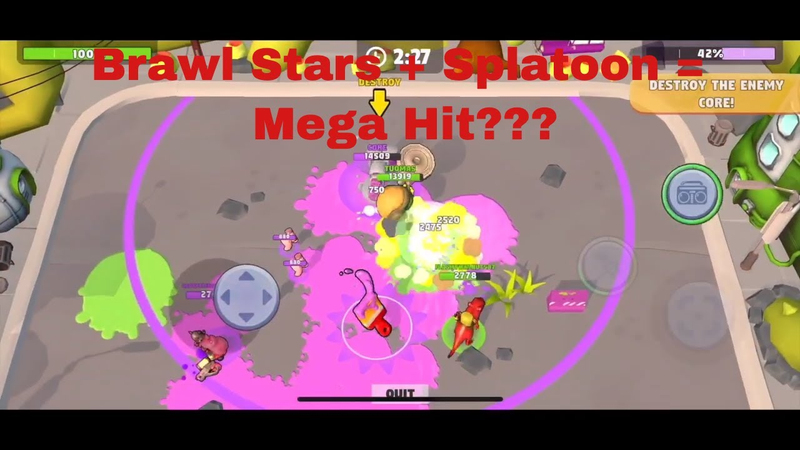
AskGM #3: Can Splatoon + Brawl Stars = Mega Hit? | Action.Reaction Studio Indie Game Development
The development of a 3v3 mobile multiplayer title blending Brawl Stars-style combat with Splatoon-inspired territory control mechanics represents a high-stakes entry into the competitive PvP market.
- A four-person studio achieved a 40% Day-1 retention rate in beta testing across Finland, the UK, and Canada by blending Brawl Stars-style combat with Splatoon-inspired territory control.
- Independent teams should prioritize a single North Star metric, such as Day-7 retention, to guide feature development and prevent scope creep.
- The ICE (Impact, Confidence, and Ease) framework is essential for evaluating feature additions against limited development resources to ensure high-value outcomes.

5 Game Design Mistakes You Should Avoid
Effective game design requires a disciplined approach to player experience and development methodology. A primary pitfall is failing to reward player curiosity and skill.
- Prioritize the refinement of one or two core mechanics over the inclusion of numerous underdeveloped features to ensure a high-quality, engaging player experience.
- Implement consistent playtesting throughout the entire development cycle, prioritizing direct observation and critique from trusted advisors over large-scale, impersonal data collection.
- Maintain a rhythmic balance between high-stress combat encounters and safe relief zones to provide necessary pacing and allow players to recover.

AskGM #2: How to Compete Against Clash of Clans? | Sand Forge Games with CEO Khaled Alroumi
The mobile strategy market remains dominated by established titans, necessitating a strategic shift for new entrants like Sand Forge Games.
- New entrants in the mobile strategy market cannot displace established leaders like Clash of Clans through incremental mechanical refinements alone; they require a distinct market identity driven by unique narrative depth or innovative meta-systems.
- Simplifying core loops, such as removing troop training overhead and adopting energy-based systems, is a baseline requirement that can help achieve a 35% Day 1 retention rate.
- Sand Forge Games is utilizing a data-driven framework for their title Warfronts, focusing on telemetry to monitor D7 retention, monetization efficiency, and install-per-impression rates.
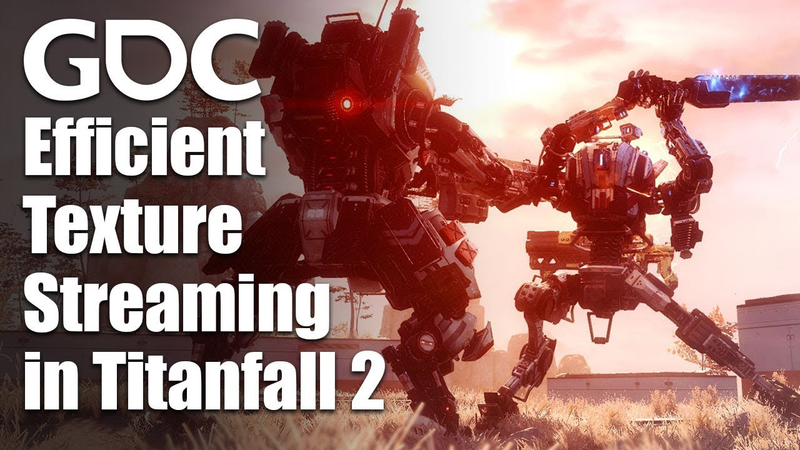
Efficient Texture Streaming in Titanfall 2
Optimizing texture streaming in Titanfall 2 centers on a sophisticated prioritization system that moves beyond simple distance-based metrics to ensure high-fidelity visuals within strict hardware constraints.
- Titanfall 2 optimizes texture streaming by using a cost-benefit metric that divides pixel coverage by texel count, allowing for dynamic mip level management beyond simple distance-based metrics.
- The engine utilizes a dynamic memory buffer that achieves a 9:1 compression ratio to manage high-fidelity assets within strict console hardware memory constraints.
- Runtime performance is maintained through asynchronous I/O and a dedicated texture creation thread, which effectively minimizes driver-related hitches.

Game Dev: 8 Tips on Vision Keeping! - (and Game Update)
Maintaining a coherent development vision is essential for creating a distinct, marketable, and successful indie game. A lack of clear direction often leads to fragmented design and development inefficiencies.
- Establish a core vision early in development using visual and gameplay prototypes to align team expectations and prevent fragmented design.
- Evaluate every design decision, including difficulty and character aesthetics, against the central identity of the game to ensure all features serve the primary vision.
- Identify and prioritize the specific unique mechanics or narrative hooks that define the game's marketability, relegating or removing features that do not support these core elements.
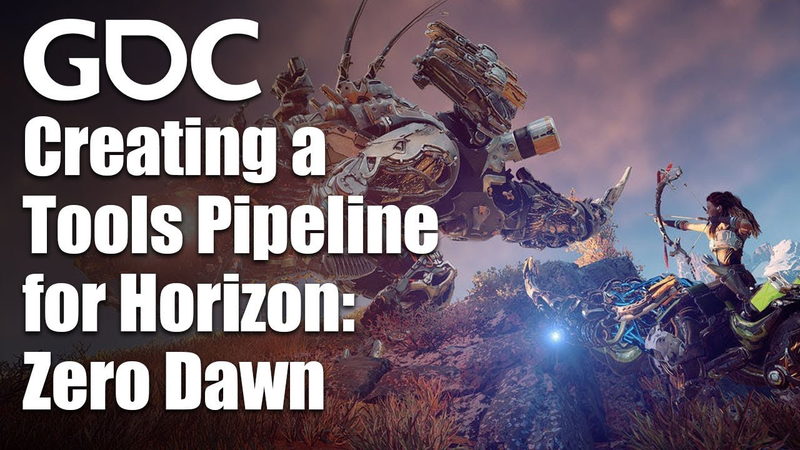
Creating a Tools Pipeline for Horizon: Zero Dawn
The development of Horizon: Zero Dawn necessitated a fundamental overhaul of legacy, fragmented toolsets to address critical inefficiencies and poor user satisfaction.
- The development of Horizon: Zero Dawn replaced fragmented legacy tools with Decima, a unified, engine-integrated environment that ensures the editor experience matches the final game output.
- The architecture maintains system stability by running the editor and game as distinct processes that communicate via a transaction-based system.
- A diffing utility automatically generates undo and redo commands, removing the need for manual command-pattern implementations while ensuring data reliability.
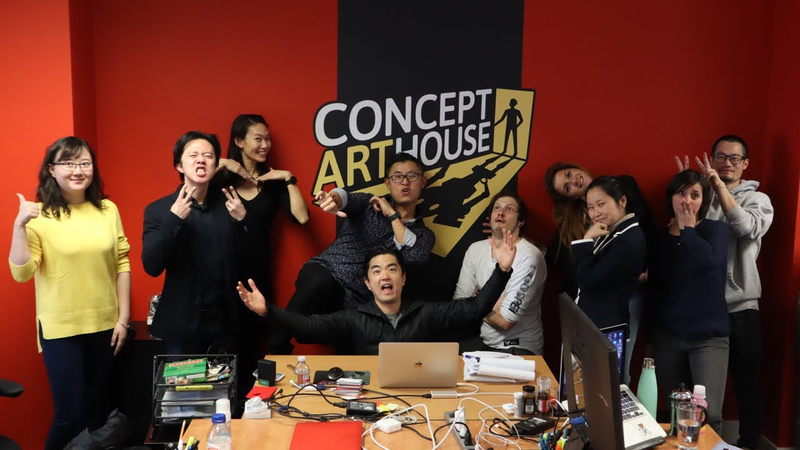
From Artist to CEO | Concept Art House Origin Story and Inside Tour
Concept Art House is a high-end art service provider for the gaming industry, specializing in concept art, illustration, 3D modeling, and marketing assets.
- Concept Art House, founded in 2006, has scaled from a six-person team to over 70 staff members, providing art services for major clients including Blizzard, EA, Sony, and Wizards of the Coast.
- The mobile gaming sector drives 70% of the company's output, with production budgets for individual mobile titles now reaching as high as $40 million.
- The studio operates a distributed business model with a San Francisco headquarters and significant production facilities in Shanghai, utilizing Jira, Shotgun, and Basecamp to manage international workflows.
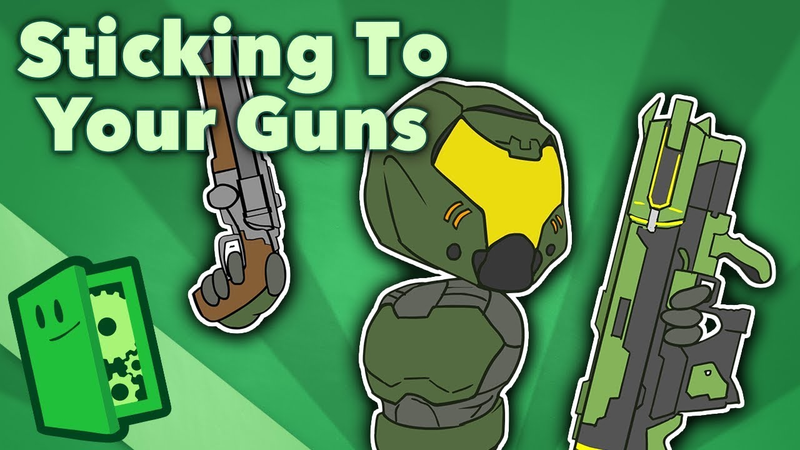
Sticking to Your Guns - How the Doom and Dragon Quest Franchises Modernized - Extra Credits
Successful franchise modernization relies on a disciplined commitment to core mechanics rather than the indiscriminate adoption of industry trends.
- Successful franchise modernization requires a disciplined commitment to core mechanics rather than the indiscriminate adoption of industry trends.
- The 2016 Doom reboot and 2017 Dragon Quest XI succeeded by refining their original identities—visceral combat and accessible turn-based narratives—for contemporary audiences.
- Developers should avoid forcing popular features like cover-based systems or action-heavy combat into established franchises, as these additions often dilute the unique value proposition of the series.
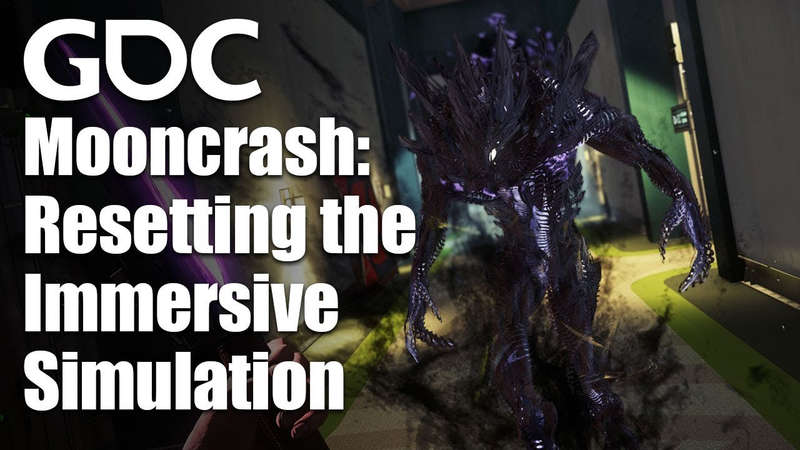
Mooncrash: Resetting the Immersive Simulation
The development of the Prey: Mooncrash expansion serves as a strategic pivot for the immersive sim genre, successfully integrating roguelike mechanics to foster creative innovation within Arkane Studios.
- To avoid the 'chopped salad' effect where randomized levels feel identical, developers should cluster random elements by theme (e.g., fire or radiation) rather than distributing them evenly, ensuring each area provides a distinct, palpable experience.
- Immersive sims often suffer from inefficient content consumption, where players miss significant portions of non-linear, high-cost assets; moving toward a roguelike structure allows for higher replayability and more efficient utilization of existing development assets.
- The 'Rogue Legacy' model of persistent progression—where players retain experience points and currency across failed runs—serves as an effective negative feedback system that encourages continued engagement despite repeated deaths.

AskGM #1: We Kick Off Ask GameMakers!
The Ask GameMakers initiative establishes a public consulting platform designed to assist independent developers and studios in navigating market challenges and improving game performance.
- The Ask GameMakers initiative provides a public consulting platform to help independent studios improve game performance and commercial viability.
- The project was launched in response to significant industry demand, triggered by over 30 unsolicited requests for consulting services following an outreach campaign.
- Consultations are conducted in a transparent, educational format to create a public repository of shared knowledge for the broader development community.
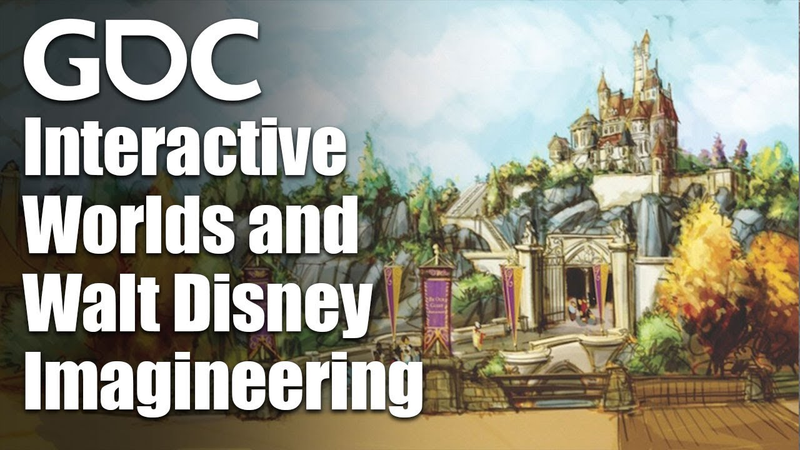
Playing with Magic: Interactive Worlds and Walt Disney Imagineering
The evolution of theme park design centers on transitioning guests from passive observers to active protagonists within immersive, narrative-driven environments.
- Theme park design is shifting from passive observation to active participation, where guests function as protagonists who influence the narrative through purposeful interactions.
- The 'magic circle' framework is utilized to define physical and narrative boundaries, granting guests the agency to shape their environment and drive the story forward.
- Designers integrate game mechanics, responsive environments, and bespoke hardware to transform attractions into interactive interfaces that react to guest actions.
Writers
Games and companies
Games