1 free read left. Create a free account for unlimited reading + AI research.
Create free account
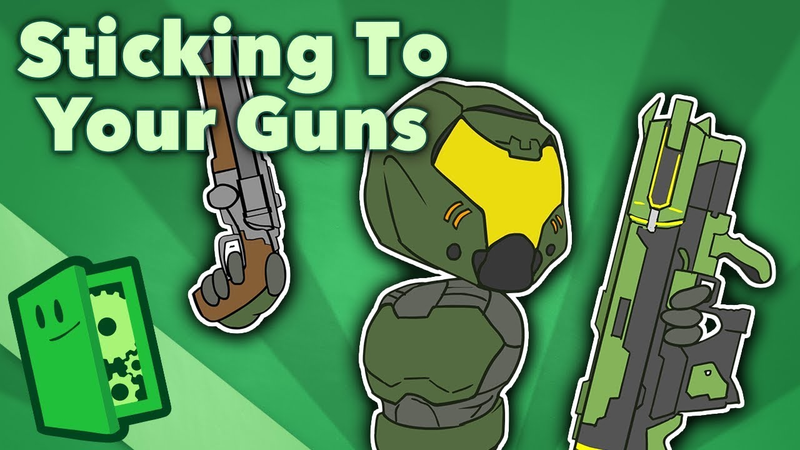
Sticking to Your Guns - How the Doom and Dragon Quest Franchises Modernized - Extra Credits
Key insights
6 takeaways- 01The 2016 Doom reboot and 2017 Dragon Quest XI succeeded by refining their original identities—visceral combat and accessible turn-based narratives—for contemporary audiences.
- 02Modernization should focus on subtle enhancements that incentivize existing playstyles, such as the light RPG progression elements introduced in the 2016 Doom reboot.
- 03Developers must critically evaluate whether new mechanics complement the established fantasy and expectations of the core fanbase before implementation.
- 04Successful franchise modernization requires a disciplined commitment to core mechanics rather than the indiscriminate adoption of industry trends.
- 05Developers should avoid forcing popular features like cover-based systems or action-heavy combat into established franchises, as these additions often dilute the unique value proposition of the series.
- 06Innovation must be driven by a desire to deepen engagement with a series' foundational strengths rather than reactive attempts to chase market fads.
Ask AI about this video
Transcript
hey everyone gather round ye olde internet machine I got a question for you what do Dragon Quest 11 the turn-based JRPG and doom the 2016 demon slang first-person shooter have in common I mean they're almost diametric opposites in the way they engage their audiences but both games are kindred spirits in another way they both do something exceptionally well that many other games with bigger teams and bigger budgets seem to have lost sight of this episode is sponsored by World of Tanks download the game for free at the link below and use the code extra tanks 1 for a free starter pack so let's take a look at these 2 titles Dragon Quest was the first major JRPG and the series as a whole pretty much wrote the book on the genre as we know it not to mention had a pretty sweet Nintendo Power magazine tie-in from when I was a kid while the original tomb popularized the FPS genre in pretty much the same way
Dragon Quest 1 was released in 1986 while Doom 1 was released in 1993 and Dragon Quest 11 and the new doom released in 2017 and 2016 over 30 and 20 years later respectively but both of these games look feel and to play very much like their original releases and that is a good thing why because both games know exactly what their audience is looking for from them and they focus on delivering that specific experience in their own way rather than pivoting to follow industry trends if you look at any critical review of any Dragon Quest game one of the most common complaints you'll read is the games don't change much but ask a Dragon Quest fan what it is they like about the series and one of the most common positives they'll cite is the games don't change much the series has resisted the urge many other franchises feel JRPGs in particular to constantly change up their mechanics in an attempt to attract a larger audience these
changes are usually things like adding more action and eye-popping visuals rather than enhancing the narrative and fantasy that made the genre so popular in the first place doom on the other hand engages players in a completely different way than dry quest because doom is about intense awesome firefights and gory spectacle but the series was bogged down for years by focusing on elements that weren't really core to that experience next gen lighting effects piling on plot and hit or miss attempts at survival horror but when it committed to delivering a new game that hearkened back to the original doom from 1993 it allowed the series to once again focus on what doom does best giving you a shotgun and pointing you towards oh excuse me these two games stayed their course without tacking on all of the things that many other franchises have tried to cram in for fear of being left behind they both have many modernizations of course which are essential to allow an audience 7 gaming
generations later to enjoy the core experience these games introduced so many many years ago but at a fundamental level they remain committed to what made the games that launched these series so compelling for the perfect foil for Dragon Quest you need look no further than its distaff counterpart Final Fantasy both series became popular due to the strengths of their narrative but Final Fantasy has suffered when the teams behind it maybe started to focus on the wrong things Gaming is a tough industry that's always been hit driven and it's easy especially when building a big-budget game to look at what's been selling well recently and think if you don't give players of that experience then no one will buy your game as the ever-growing pile of battle royale shooters can attest to I mean seriously so we can't swing a dead person without hitting a new one of those things of course sometimes change is for the better mixing up genres or liven up old ideas with new twists has led to many advances in the medium but it's important to evaluate if those new ideas complement the existing game mechanics people love
and expect from a franchise or are they just thrown in because other games are doing them dooms use of light RPG progression for example supplements the main action by giving the players incentives to experiment with different weapon types it forces the running and shooting game to be more varied and interesting throwing in a modern cover system on the other hand would have slammed the brakes hard on the fast-paced gameplay that makes doom feel like doom and likewise skill heavy real-time combat in Dragon Quest 11 would've a huge shift away from the chill vibes and accessibility that Dragon Quest games are famous for unfortunately though unlike Dragon Quest 11 and doom all too often games from established franchises do get rebuilt around new trends and end up disregarding the original elements that fans loved about the series innovation is vital in our industry and you've heard us champion it here again and again we need to experiment to find new kinds of games and new ways to play but it's important that it's actual innovation based out of a desire to create new experiences and
push boundaries of what we can do in the medium and not simply tacking on mechanics from the latest hits unto beloved franchises because we think having battle royal as a bullet point will add to sales remember why people loved your series in the first place build on that you might find out the best way to do that is by expanding the gameplay with all sorts of new elements or you might find that the best way to go is just to stick to your guns and deliver more of the same not the doom guns specifically mind you I meant retaining the game's original spirit which in dooms case those specific guns they're sticking to our in fact the guns they are sticking to but boy I think I just inception my example here so we spin the top for me I'm gonna go lie down but before I do that I'd like to once again thank World of Tanks for sponsoring this episode they've been sticking with their guns both literally and figuratively with their game for over eight years now and thankfully they are showing no signs of slowing down
so if you'd like to get in on some of that action download the game for free at the link below and use the invite code extra tanks one to claim your free starter pack
Summary
Successful franchise modernization relies on a disciplined commitment to core mechanics rather than the indiscriminate adoption of industry trends. By analyzing the 2016 reboot of Doom and the 2017 release of Dragon Quest XI, it becomes clear that long-standing series achieve the greatest success when they refine their original identity for contemporary audiences. While both franchises have existed for decades—with origins dating back to 1986 and 1993—their recent iterations thrived by prioritizing the specific experiences that defined their initial popularity, such as the fast-paced, visceral combat of Doom or the accessible, turn-based narrative structure of Dragon Quest.
The industry often pressures developers to incorporate popular features, such as survival horror elements or complex real-time combat, into established series to broaden their appeal. However, such additions frequently dilute the unique value proposition of the franchise. For instance, implementing a cover-based system in Doom would have fundamentally undermined its high-speed gameplay, just as shifting Dragon Quest toward action-heavy combat would have alienated its core audience. Instead, effective modernization involves subtle enhancements—such as Doom’s light RPG progression—that incentivize existing playstyles without compromising the established spirit of the game.
Ultimately, innovation should be driven by a desire to deepen the player's engagement with a series' foundational strengths rather than a reactive attempt to chase market fads. While experimentation is vital for the medium's growth, developers must critically evaluate whether new mechanics complement the existing fantasy and mechanics that fans expect. By resisting the urge to force irrelevant trends into beloved titles, developers can successfully bridge the gap between legacy appeal and modern expectations, ensuring that a franchise remains relevant without losing its essential character.
















Comments