Game Development reports and market data
Documents
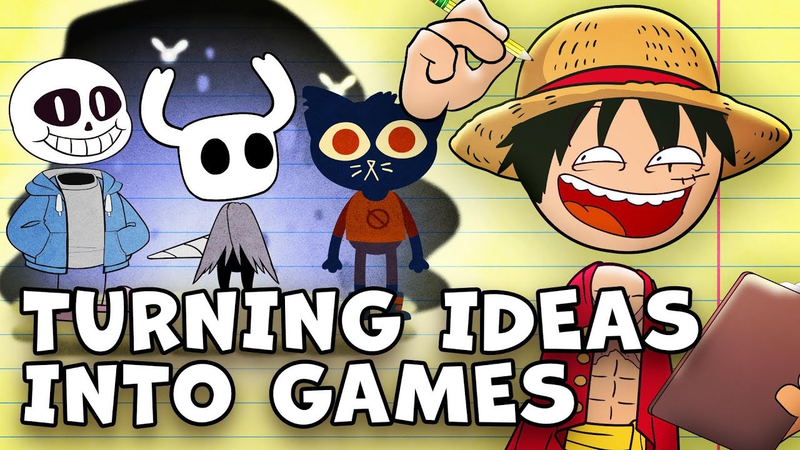
Practical Advice for Creative Projects - Extra Credits Gaming
The process of developing a successful video game relies less on the inherent quality of an initial concept and more on the feasibility of its execution.
- Success in game development is determined by the feasibility of execution rather than the inherent quality of the initial concept.
- To generate original ideas, creators should exhaust conventional tropes through large-batch brainstorming before exploring unconventional or 'weird' concepts.
- A viable game concept must feature a unique selling point and a compelling visual hook to distinguish it from existing market offerings.
Massive Layoffs | Roundtable News | 334
The global gaming industry is currently navigating a period of severe contraction, characterized by widespread layoffs and a pivot toward conservative fiscal management.
- The gaming industry is experiencing a widespread trend of layoffs, with companies aggressively cutting HR and recruitment departments, signaling a significant reduction in hiring plans for at least the next six months.
- Epic Games is facing internal instability and reputational challenges, evidenced by the dismantling of its Enterprise team and the failure of its metaverse-related initiatives to gain traction despite the acquisition of assets like Rocket League and Fall Guys.
- User-Generated Content (UGC) platforms like UEFN (Unreal Editor for Fortnite) are being criticized for their complexity and perceived lack of innovation, with some industry observers comparing the push for these tools to the speculative nature of the NFT and blockchain booms.
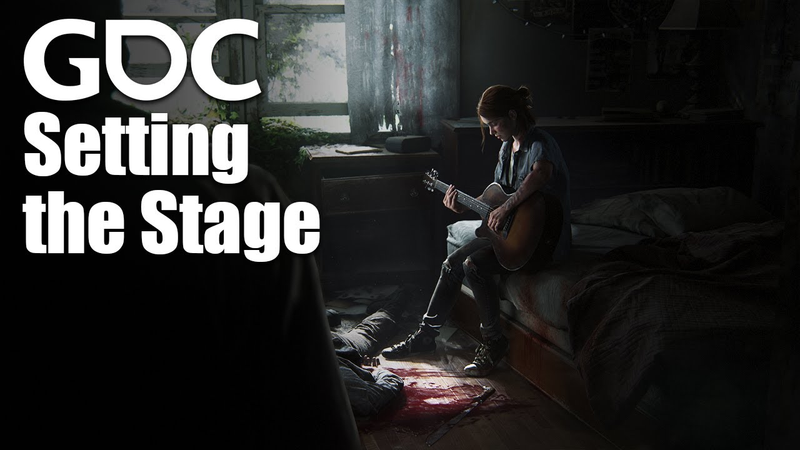
Player as Performer: Setting the Stage for Your Audience
The design framework of the player as a performer shifts the developer’s role from a controller to a director, prioritizing the cultivation of a dramatic persona over rigid narrative branching.
- Designers should treat players as performers by providing space to discover how to feel, rather than just dictating movement and objectives.
- Effective level design requires balancing 'facts' (obstacles and environment) with 'motivation' (the emotional reason for the player to act), a concept adapted from Judith Weston’s directing techniques.
- Game mechanics should function as a rehearsal process, where low-stakes areas allow players to experiment with their character's toolkit before high-pressure encounters.
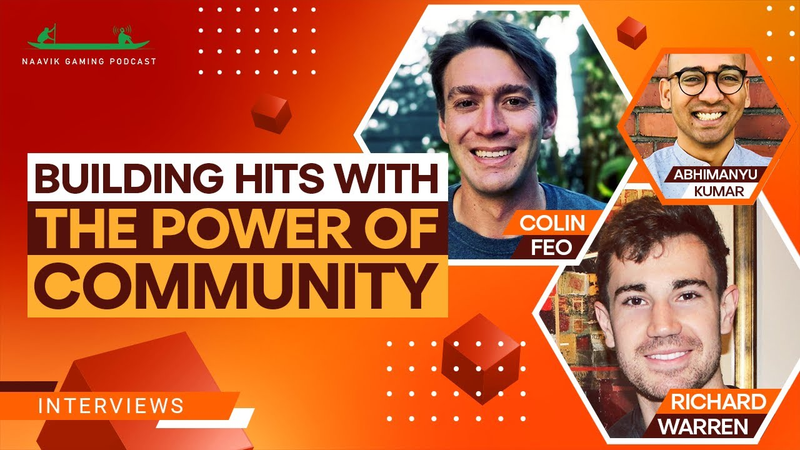
Building Hits with the Power of Community
Modern game development faces significant hurdles regarding discoverability and escalating marketing costs, necessitating a shift toward community-first growth strategies.
- Community management must transition from a support role to a core product development pillar, directly influencing product-market fit and the iterative feedback loop.
- Gamifying user engagement, such as offering playtest access in exchange for social sharing, serves as a high-efficiency growth strategy that can scale titles to hundreds of thousands of downloads with minimal ad spend.
- Studios should prioritize high-quality, active engagement over raw audience size, utilizing platforms like Discord and Twitter to foster dedicated fan bases rather than broad, passive reach.
AI Will Make Better Games Than Me One Day
The rapid evolution of artificial intelligence is fundamentally reshaping the video game industry, transitioning from simple productivity assistance to the development of autonomous agents capable of designing, coding, and refining entire software projects.
- AI development is shifting from a tool-based model to autonomous agents capable of planning, executing tasks, and self-correcting through recursive feedback loops to create full video games without human intervention.
- Current AI models are already capable of performing complex game development tasks, such as navigating game engines to rebake navigation meshes or providing functional playtesting feedback to improve game design.
- The integration of AI will fundamentally change professional roles in game development, transitioning 3D modelers and developers from creators of raw assets to editors and refiners of AI-generated content.
Catching up with the Game Industry with Brian Canary | 333
The modern gaming industry is currently navigating a complex transition defined by a tension between traditional creative values and the aggressive demands of digital content production.
- Major corporations are increasingly training proprietary AI models on internal intellectual property to meet production quotas, creating a structural threat to human creative labor.
- High-quality, single-player experiences remain commercially robust, challenging the industry's long-standing reliance on live-service models and microtransactions.
- Subscription platforms are enabling mid-tier gaming titles to thrive, providing a viable alternative to the traditional volume-driven production models favored by media conglomerates.
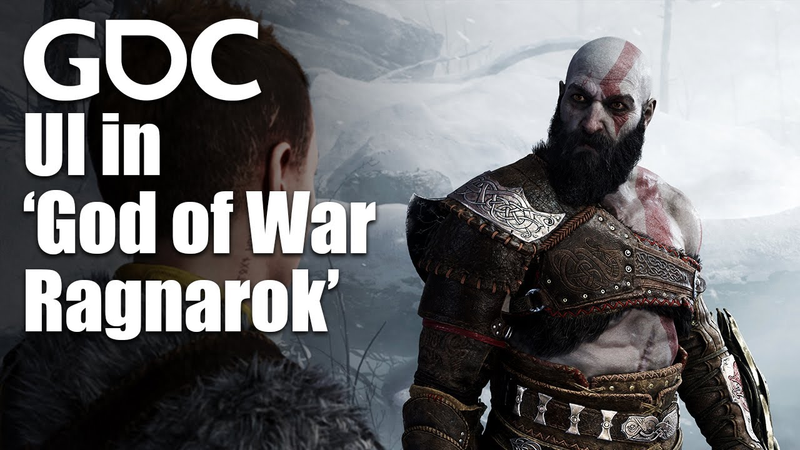
'God of War Ragnarök': Building the UI for a AAA Sequel
The development of the user interface for God of War Ragnarök centered on balancing high-fidelity aesthetic goals with the rigorous technical constraints of a AAA sequel.
- To ensure accessibility and readability, the UI team established a minimum body font size of 24 points and implemented comprehensive text scaling options, which were highly utilized by players.
- The UI team utilized a dynamic layout system from the start of production to prevent localization issues, ensuring that text elements could adapt to different languages without requiring manual fixes or overlapping.
- When faced with memory constraints regarding 4K video streaming, the team used a 720p video asset stretched to fill the screen, leveraging a 'campfire' visual aesthetic to mask the lower resolution.
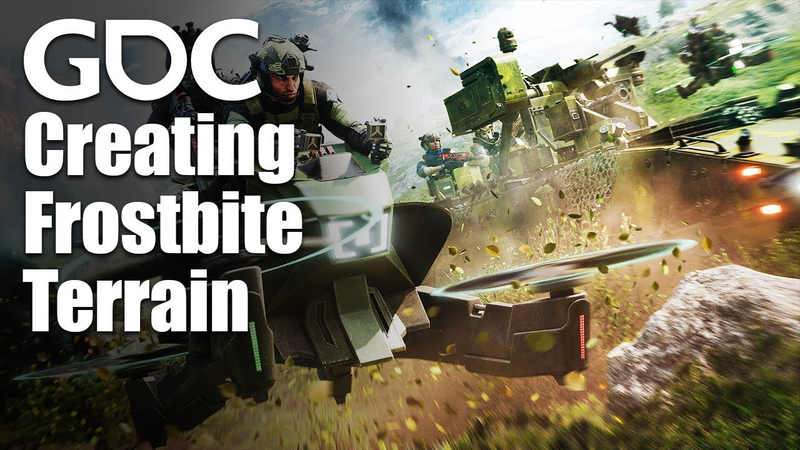
From Battlegrounds to Fairways: Terrain Procedural Tools in Frostbite
The Frostbite terrain procedural framework represents a paradigm shift in environmental design, moving away from manual painting toward a non-destructive, GPU-accelerated workflow.
- The Frostbite terrain framework transitioned from manual painting to a non-destructive, GPU-accelerated, node-based dependency graph, allowing for real-time manipulation of height fields and material masks.
- Adoption of this procedural system reduced manual environmental touch-up requirements from 15% to 1% within production teams.
- The engine utilizes a quad-tree layout and service-based architecture to manage GPU memory through just-in-time generation of procedural overlays, enabling immediate visual feedback.
'The Looker': The Art of Parody Against the Menace of Goofiness
Successful game parody functions as a sophisticated form of creative engagement that transcends superficial humor by grounding itself in structural design and mechanical integrity.
- The core appeal of parody is not the endorsement or critique of source material, but providing players with validation that their own observations and criticisms of the original work are shared by others.
- Effective parody must maintain internal consistency and structural integrity; if a game relies solely on a sequence of jokes, it risks becoming predictable and losing its comedic impact, similar to the diminishing returns of relentless tickling.
- Successful parody requires a balance between high-fidelity elements and low-effort subversions; in 'The Looker', high-quality world design was used to ground the player, preventing the 'crude' puzzle design from making the experience feel stale.

Building a Roblox Studio
Tiny Comet operates as a specialized studio within the Roblox ecosystem, dedicated to modernizing humanities education through immersive, history-based role-playing games.
- Tiny Comet integrates history-based educational content into popular Roblox genres like Tycoon and Tower Defense to engage players aged 10 to 17.
- The studio prioritizes 'learning-by-doing' and entertainment over didactic instruction to avoid the negative perception of overt academic branding.
- Operational development relies on a high-velocity cycle and a workforce of platform-native creators recruited via Discord and the Roblox Talent Hub.
Indie Starter Kit: The Basics of Founding a Successful Games Company
Establishing a successful games company requires a foundational commitment to a clear, compelling vision that transcends short-term industry trends or purely financial motivations.
- A compelling, large-scale vision is essential for attracting top-tier talent, investors, and partners, as it serves as a long-term motivator that transcends short-term industry trends like AI, NFTs, or VR.
- Maximize the internal value of your company before seeking external investment to retain greater control and leverage during negotiations.
- In the early stages, hire only self-motivated individuals who are more skilled than yourself, as the quality of your team defines the limits of what your studio can create.
Celebrating 10 Years of Pocket Gamer Connects: The Story Behind the Brand
Pocket Gamer Connects emerged in 2014 as a strategic response to the lack of dedicated, mobile-focused business-to-business events within the gaming sector.
- Founded in 2014 by Steel Media, Pocket Gamer Connects was established to fill a market gap for dedicated, mobile-focused B2B gaming events.
- The inaugural London event attracted 500 attendees, serving as the foundation for a rapid international expansion that eventually spanned markets including Helsinki, Bangalore, San Francisco, and Hong Kong.
- The brand has successfully evolved from its original mobile-only scope to include broader industry segments such as PC, console, virtual reality, and Web3.
Writers
Games and companies
Games