1 free read left. Create a free account for unlimited reading + AI research.
Create free account
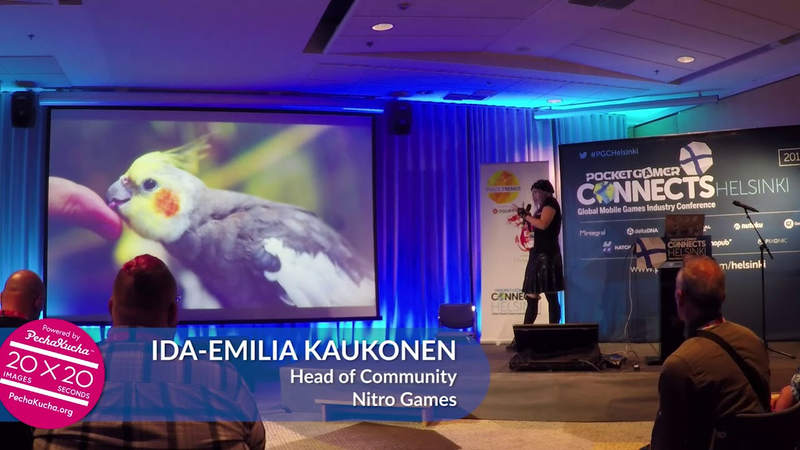
PGC Helsinki 2018 Pecha Kucha sessions: Nitro Games' Ida-Emilia Kaukonen
Key insights
6 takeaways- 01Prioritizing the retention of an existing community is significantly more cost-effective than the high expense of user acquisition.
- 02Establishing clear, consistent boundaries is essential to managing toxic behavior and preventing the confusion that leads to aggression within gaming communities.
- 03Silence from a community is a more dangerous indicator of decline than vocal frustration, as anger suggests active engagement while silence signals apathy.
- 04Community managers must act as a protective buffer to shield development teams from user grievances, ensuring that actionable feedback is prioritized over superficial aesthetic updates.
- 05Proactive crisis prevention requires developers to identify early warning signs of dissatisfaction to mitigate conflicts before they escalate and impact the development team.
- 06Treating community members with empathy and providing consistent support fosters a sustainable ecosystem that maximizes the long-term value of the existing player base.
Ask AI about this video
Transcript
[Music] yes so EDA from natural game set of community basically I deal with players forward I have parrots a couple well actually 25 if I counted right today and I have learned so much about parrots and community management and how they are actually quite similar and you can actually think about the beginning community kind of like a baby birch you try to tell everybody how awesome it is but it's actually pretty ugly and it still demands to be fed and baby birds they also die pretty easily and so do adult birds so how can you actually prevent your community or your bird from dying well first of all you probably want to learn to predict when something is about to go wrong or it has already gone wrong and how do you do that you can start practicing by reading bird
poop and how do you do that I tend to sometimes compare community management that when she hits the fan I'm the walls who protect the team from the cheetah so yeah can be quite scary and so can be the crisis which symbolizes like the bird poo here symbolizes the crisis if you didn't get that already and the like how you take the crisis how scary it is it depends on your level of experience for example beginning bird harpies they're like oh my god it's just a good dump but then there are the advanced bird hobbyist who are like just take the pipe paper and then they wipe it off with patience but then there is the master level and the master level people they already they kind of get the vibes and the bird is you know wagging its tail you know and then they know that that is the moment when they have to throw the paper and the poo hits a paper and no crisis because you just prevented
it so yeah this is this is ombres he's a bit confused why I took this picture so yeah if you haven't learned to predict when the poo is about to fall then your team will take a hit and let's be honest nobody likes to cover like like put your work covered in and this is my limitation for the S word I promise to use it only a couple times so ya know this is Kira she doesn't look too happy so yeah but it's not only about preventing to crisis it's also about making your parrot happy or your community happy in this case we community managers often get asked what's the return of investment of things that we do of our actions like basically it all comes down to the question where's the return of investment of being human with our customers well I don't know what's the return of investment of actually like treating your bird well and giving it food you probably want the chicken to stay alive and healthy and not bite you just because you took away their favorite dish without offering any
compensation in return so yeah basically you just have to know that you need to cherries your existing bird because you know parrot acquisition is pretty damn expensive you know hyacinth macaw might have like 20k CPI and that is that is expensive it's it's much cheaper to actually you know keep your existing bird alive then you try to buy a new one that's that's expensive and absolutely makes no sense and parrots like you can also compare them to players because of their nature they are kind of like the neurotic type like this scary hyacinth macaw oh they're but they're also explorers socializers and yes even killers but most of all I think that parrots are trolls look at that face look at that face that bird knows that it's about to do something soon and roll me mm-hmm and because your community will have some trolls you need to set the
boundaries from the beginning if you don't do that it's you know it's so much easier for example for this bird to actually know what the rules are instead of trying to adapt to new rules after they have ones already broken one rule and yeah you have to also scale your bird room if you're gonna get more Birds because otherwise they will be it will be crowded and they will have drama it is you who has to handle all that and you will not have time for that yes then there's of course the same thing with Pirates and players but you know no matter how cute and cuddly your players are never trust them too much because when they are unhappy with something they will bite so yeah take good care of them but don't let them become too close to you ah oh yes support yes indeed support so one thing I could tell about support is that your parrot when it screams it doesn't want
to make you death it usually just shouts and screams because it wants attention or is frustrated and that is why I am not worried if my community is sending me angry emails I start worrying when they are silent too long because that means that the community has stopped caring and that means that the community is basically dying happy so yeah we Community Managers we often also talk about things and challenges in our career and one of the things that I hear quite often is that you know the community isn't really prioritized properly so like some visual improvement drives over some retention driving feature and that pisses us off quite often you know and to be honest I have never really heard a player commenting like hey thank you so much for increasing this emission rate and life time of this VFX oh my god yeah I know but yes so yeah so basically there is
one more thing because usually people tell me that there is a big difference that parrots they only mimic words like hello hello cracker but I can tell you players do that too fix fix huge cheat they are so hacker so yeah treat your birds will treat your community well and what I wish is that we learn to value our existing community because by doing that maybe just maybe your community manager don't have to clean that much poo in the future thank you very much [Applause] [Music]
Summary
Effective community management in the gaming industry requires a proactive approach to crisis prevention, user retention, and boundary setting, mirroring the complexities of caring for exotic pets like parrots. By viewing community members as social, exploratory, and occasionally volatile entities, developers can better anticipate behavioral shifts and mitigate potential conflicts before they escalate. This perspective emphasizes that maintaining an existing community is significantly more cost-effective than the high expense of user acquisition, which is often compared to the prohibitive costs of acquiring rare, high-maintenance birds.
A central tenet of this strategy is the ability to predict and neutralize crises. Experienced community managers must develop the intuition to identify early warning signs of dissatisfaction, allowing them to intervene before negative sentiment impacts the development team. Silence from a community is identified as a more dangerous indicator than vocal frustration; while angry feedback suggests active engagement, a lack of communication often signals that a community has ceased to care and is in decline. Consequently, community managers must act as a protective buffer, shielding the development team from the fallout of user grievances while ensuring that player feedback is prioritized over superficial aesthetic updates that do not drive long-term retention.
Establishing clear boundaries from the outset is essential to managing the inherent "troll" behavior found in gaming communities. Just as animals require consistent rules to avoid confusion and aggression, players need a structured environment to prevent toxic interactions. Ultimately, the return on investment for community management is found in the health and longevity of the player base. By treating users with empathy and providing consistent support, studios can foster a sustainable ecosystem that minimizes the need for constant crisis management and maximizes the value of the existing player population.














Comments