ReportAEVI
Los Esports en España: Situación Actual y Posición de la Industria
202035 pages~33 min full read
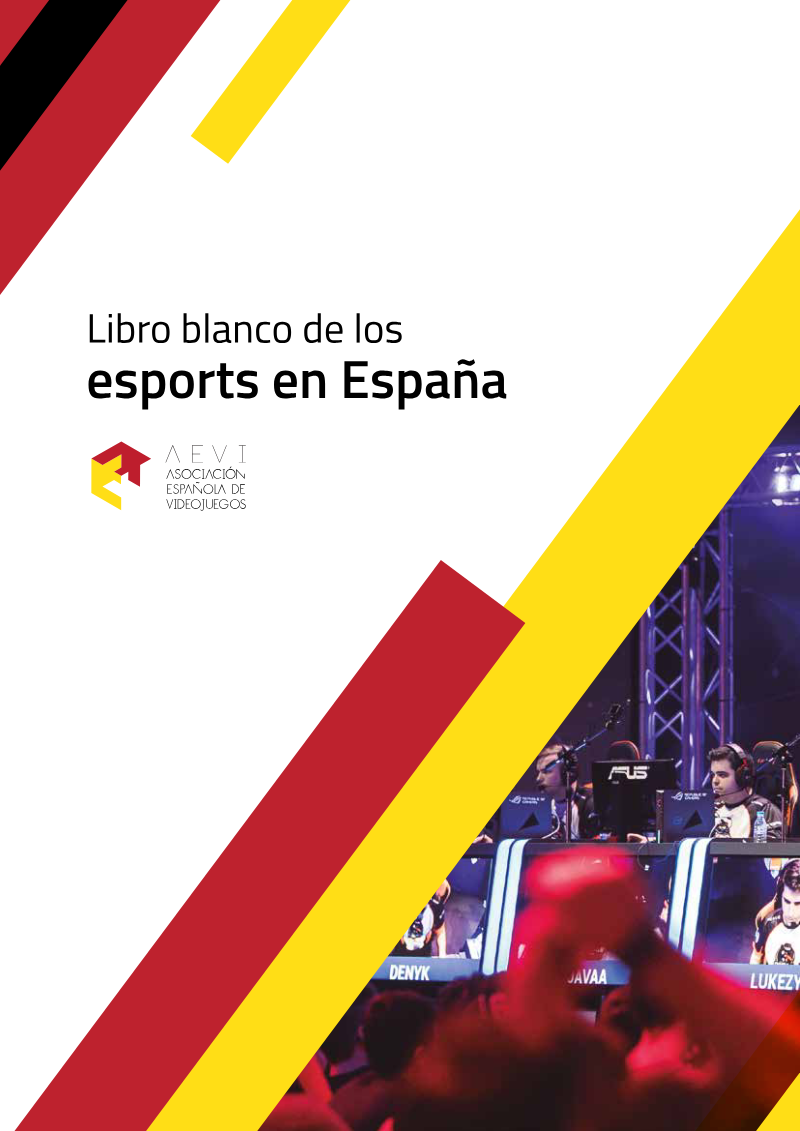
The analysis presents a comprehensive overview of Spain’s esports ecosystem, emphasizing its rapid expansion, market significance, and emerging challenges. Between 2016 and 2019 the sector more than doubled, rising from €14.5 million to €35 million in revenue, which now represents roughly four percent of global esports income. Employment grew to about 600 individuals, including 250 professional players, while advertising expenditure reached €22.5 million in 2019. Viewership figures place Spain twelfth worldwide, with 2.9 million regular spectators—over half of whom are older than 25—and a female audience share of 36 percent, the highest in Europe. Social engagement is strong, generating over 1.5 million positive mentions on Twitter.
Spain has consolidated its position as a European esports hub, attracting high‑level domestic talent, significant foreign participation, and flagship tournaments such as the League of Legends Championship, CS:GO, and Rocket League World Championships. Sponsorship is dominated by the three major telecom operators—Movistar, Orange and Vodafone—providing financial stability and visibility. The sector benefits from the involvement of leading publishers, platforms, and organizers like LVP, ESL and DreamHack.
Despite these advances, the industry faces structural obstacles, notably the need for improved broadband and 5G infrastructure and the absence of dedicated esports legislation, which contrasts with neighboring France. Regulatory uncertainty and the commercial nature of esports, coupled with complex intellectual‑property arrangements of game publishers, are identified as key factors that could influence future growth and investment.
AEVI · 2025

AEVI · 2025
AEVI · 2025
AEVI · 2025
AEVI · 2025

AEVI · 2025

AEVI · 2025
AEVI · 2025

AEVI · 2025

AEVI · 2025

AEVI · 2025

AEVI · 2025

AEVI · 2021
AEVI · 2018
Niko Partners · 2026
Ocean Entertainment Group · 2026
GamesBeat · 2026

SpielFabrique · 2026
Deloitte · 2026
Decision Lab · 2026
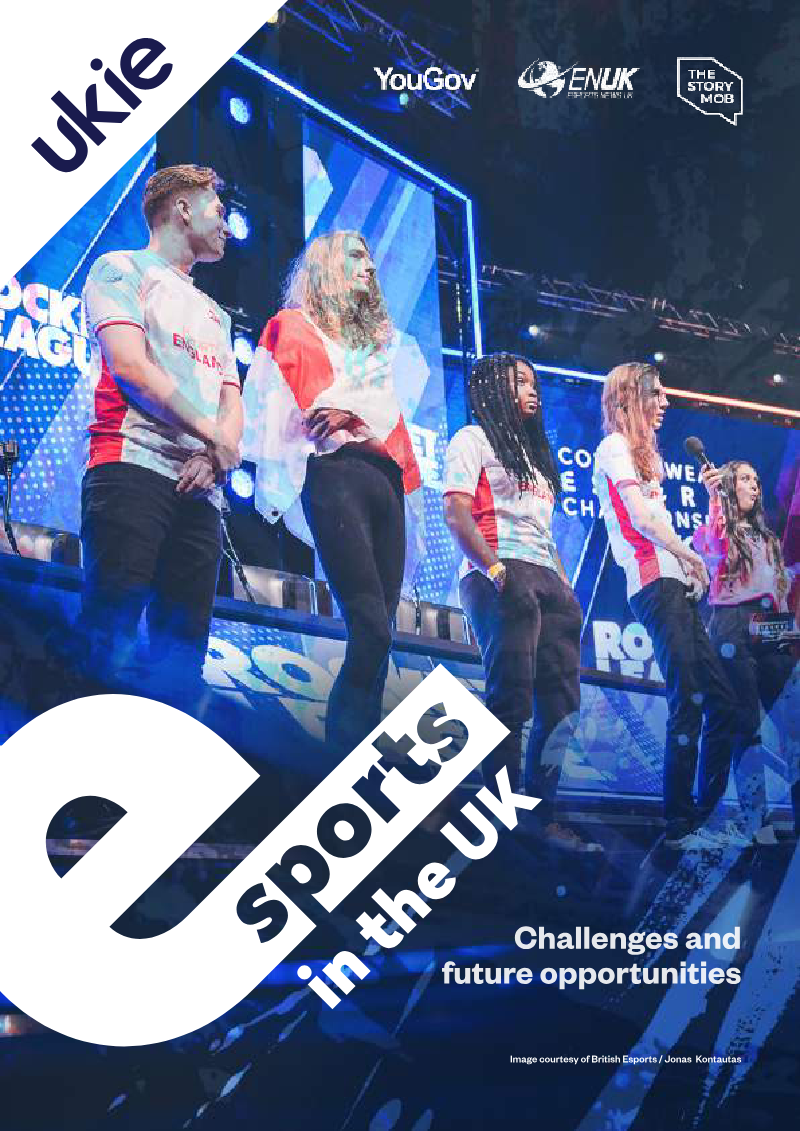
British Esports · 2025
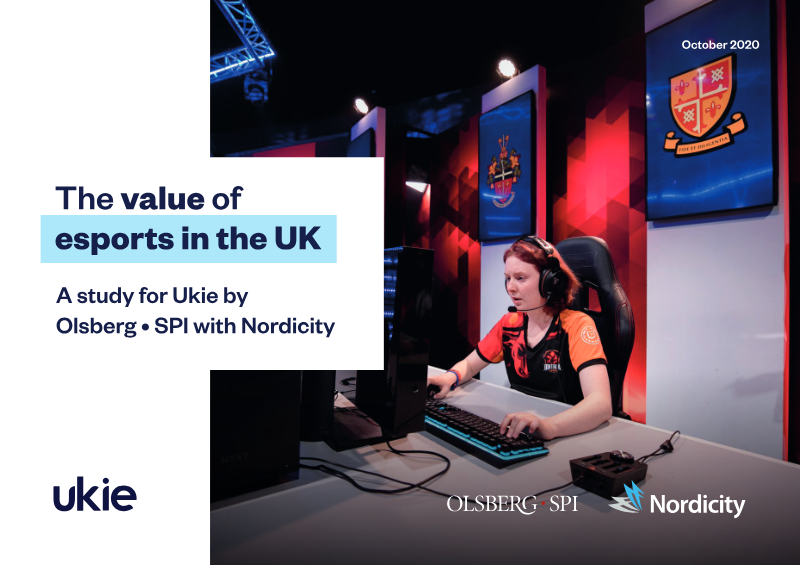
Ukie · 2025

InvestGame · 2025
Direcció General d’Innovació i Cultura Digital · 2025