Employment reports and market data
Documents
5 Steps To Start Making Games
Game development is a viable career path that can be pursued through self-directed learning rather than formal education.
- Independent game development is a viable career path that prioritizes self-directed learning and disciplined, daily study over formal degree programs.
- Aspiring developers should commit to a consistent routine of three hours of daily practice to master the technical and creative aspects of production.
- The launch phase requires a significant marketing investment of 40 hours per week for one month, focusing on trailer production and outreach to journalists and influencers.

DON'T QUIT YOUR JOB FOR INDIE GAMES (5 Reasons)!
Transitioning to a full-time career in indie game development requires significant preparation and specific personal traits to ensure long-term viability.
- Establish a proven track record of completing projects before transitioning to full-time development, as successful game cycles often span several years.
- Maintain a stable day job while building a foundation to mitigate the financial volatility inherent in the indie game sector.
- Diversify revenue streams beyond initial game sales by actively exploring crowdfunding platforms like Kickstarter and Patreon, educational content, and publisher partnerships.
3 Lies About Being An Indie Game Dev
The independent game development industry is often romanticized as a glamorous pursuit, but the reality involves significant professional challenges that contradict common misconceptions.
- Indie developers must allocate 40% to 50% of their total working time to marketing, audience building, and content creation to remain competitive in a saturated market.
- Relying exclusively on the sales of a single game after years of development is a high-risk strategy that frequently results in financial instability.
- Sustainable indie development requires transitioning from a hobbyist mindset to a business model that integrates diverse revenue streams throughout the entire development cycle.
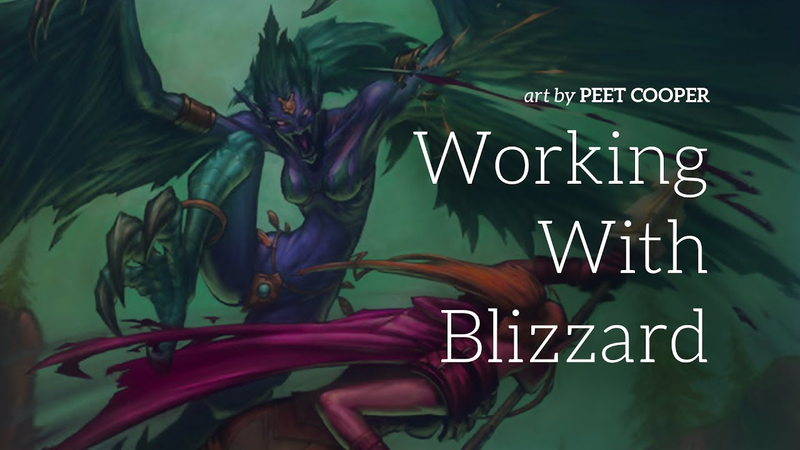
PlayJob Podcast #4: Blizzard Artist Peet Cooper
The game industry demands a unique blend of technical proficiency, continuous self-improvement, and strategic networking to achieve long-term career success.
- Career longevity in the game industry requires a hybrid background, as AAA studios like Blizzard and Riot Games provide deep specialization while independent projects foster the versatility needed for a well-rounded skill set.
- Professional visibility is best achieved by maintaining a portfolio on platforms like ArtStation and engaging in deliberate practice by studying the techniques of established industry masters.
- Effective networking relies on a 'confidently humble' approach, prioritizing personalized, thoughtful outreach over generic communication to secure mentorship and industry integration.
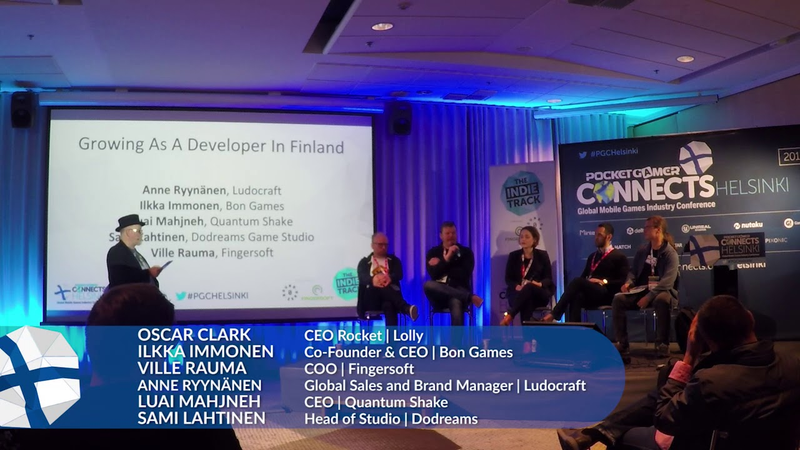
Growing as a developer in Finland
The Finnish game development sector has evolved from a landscape of experimental indie projects into a mature industry defined by strategic discipline and professionalized operations.
- Sustainable growth in the Finnish game industry requires balancing a human-centric organizational culture with a data-driven, pragmatic approach to project viability.
- Successful studios prioritize early market validation and niche targeting over trial-and-error methodologies to maintain competitiveness in a crowded global market.
- Long-term operational success is achieved by institutionalizing post-mortems, treating project failures as essential learning opportunities to foster resilience.
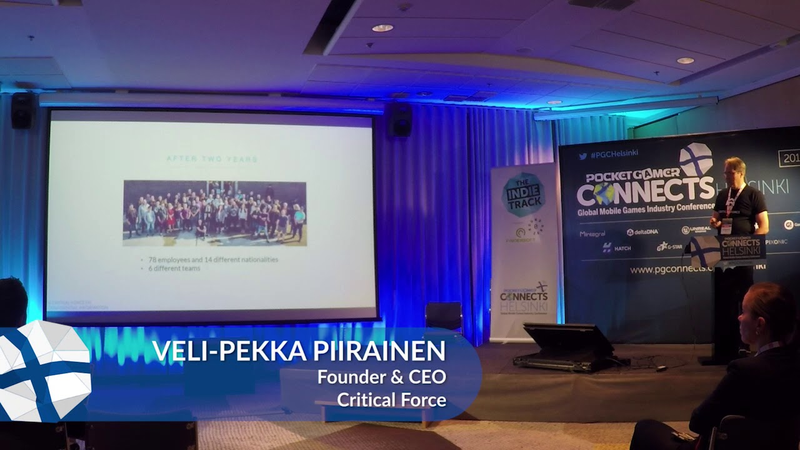
Company culture: Growing too fast, (mis)communication and how to fix it
Rapid organizational growth presents significant operational and cultural challenges for game development studios, often leading to a widening gap between operational complexity and internal management capability.
- Rapid scaling, such as Critical Force’s growth from 18 to 78 employees over two years, necessitates a shift from informal team structures to formalized processes, roles, and strategic alignment.
- Autonomous team models, while effective for small senior-led groups, create inefficiency and uncertainty when applied to larger, less experienced workforces.
- Over-reliance on digital communication tools like Slack can hinder productivity by discouraging face-to-face interaction and fostering disorganized information silos.
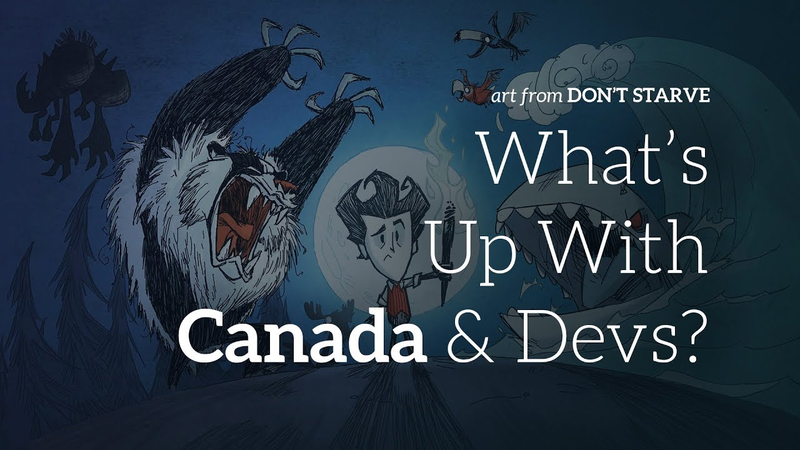
Indie Game Developers and Canada
Canada has emerged as a premier global hub for independent game development, driven by a combination of favorable government policy, a robust professional ecosystem, and high quality of life.
- Canadian provincial governments provide aggressive financial incentives for game studios, including tax credits that can reimburse up to 50 percent of employee salaries.
- Vancouver serves as the primary hub for Canadian independent game development, hosting a high density of mobile developers and indie studios.
- The Canadian ecosystem has successfully fostered high-profile titles such as Celeste and supported the growth of established studios like Klei Entertainment and Hothead Games.
How To Become a Game Developer! - Actionable Roadmap.
This guide provides a structured, actionable roadmap for individuals entering the game development industry, emphasizing that the optimal path depends on whether the developer seeks a hobby, a professional career in a studio, or a path as an independent developer.
- Prioritize completing small, manageable projects to master the full production cycle before attempting complex, large-scale game development.
- Beginners should immediately download accessible engines like Unity, GameMaker, or Godot and complete a tutorial-based project within one day to identify personal areas of interest.
- Professional job seekers must build a strong portfolio through internships, game jams, and documented personal projects, balancing generalist knowledge with a specialized skill set.
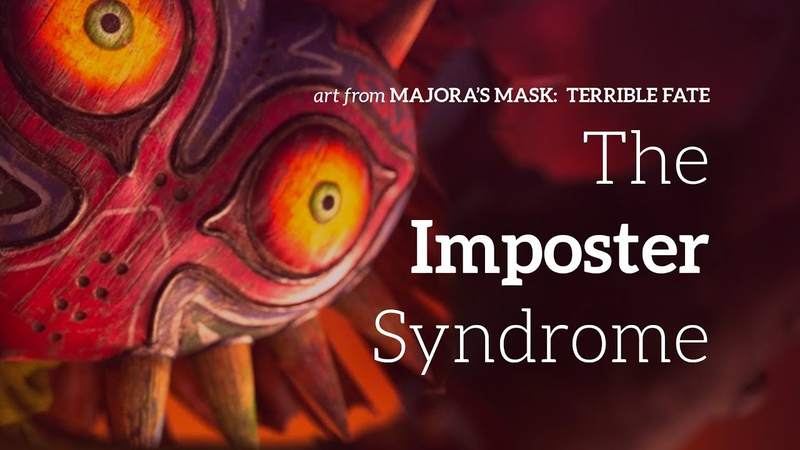
Are You A Fake? (The Imposter Syndrome In The Game Industry)
Imposter syndrome is a pervasive challenge within the independent game development industry, often manifesting as a persistent feeling of inadequacy or a lack of direction despite professional success.
- Projecting confidence is a professional necessity for effective leadership, as maintaining a facade of certainty is required to keep contractors and collaborators committed to a project's vision.
- Public self-deprecation, such as sharing memes about financial failure or lack of expertise, is counterproductive and undermines the perceived authority of a developer.
- Imposter syndrome is often a luxury afforded to those in developed nations who have moved beyond basic survival needs, allowing for a shift in perspective toward gratitude for the privilege of creative work.
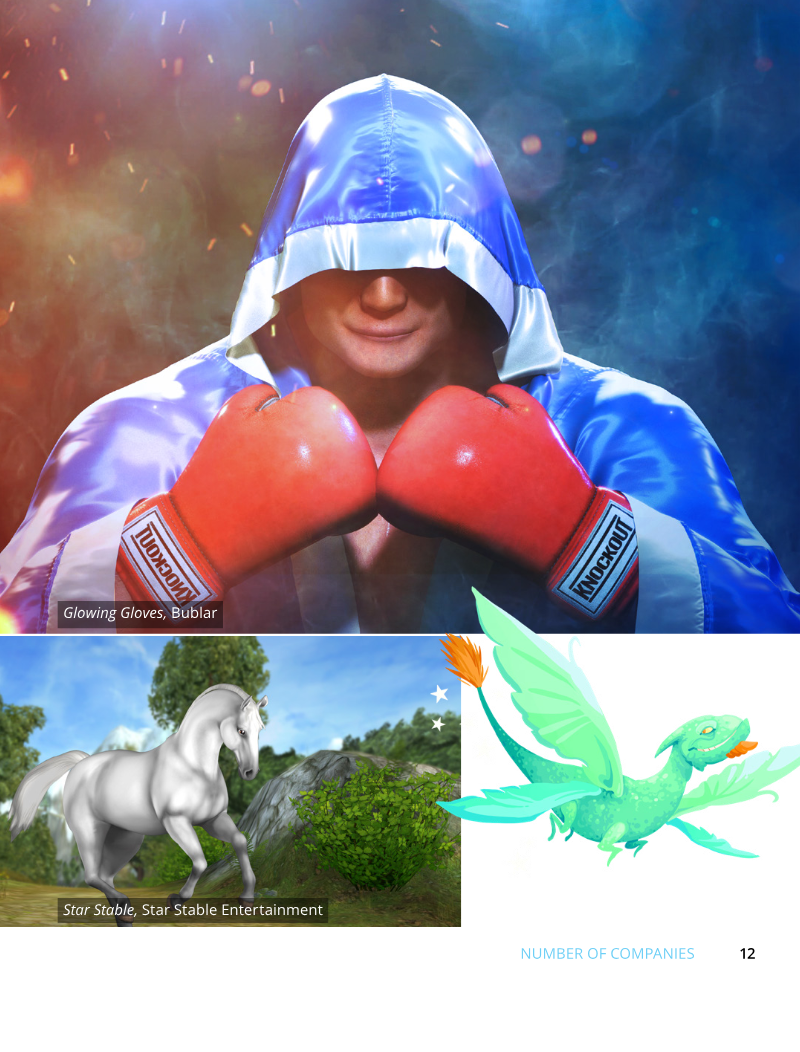
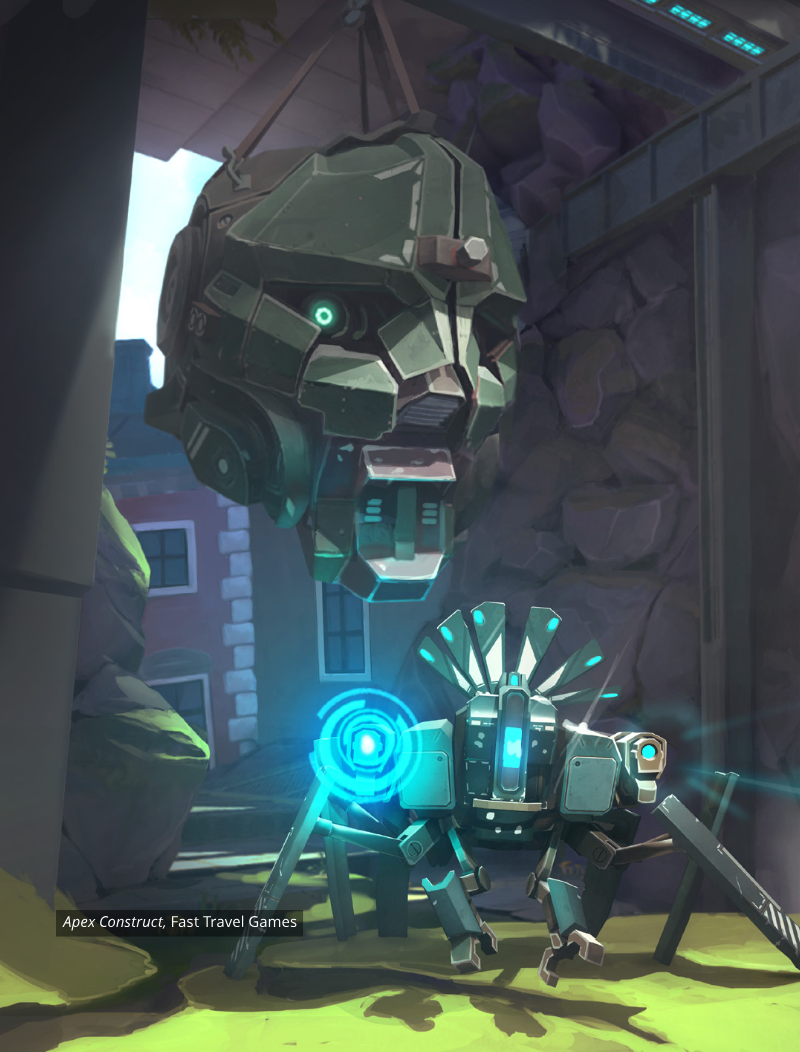
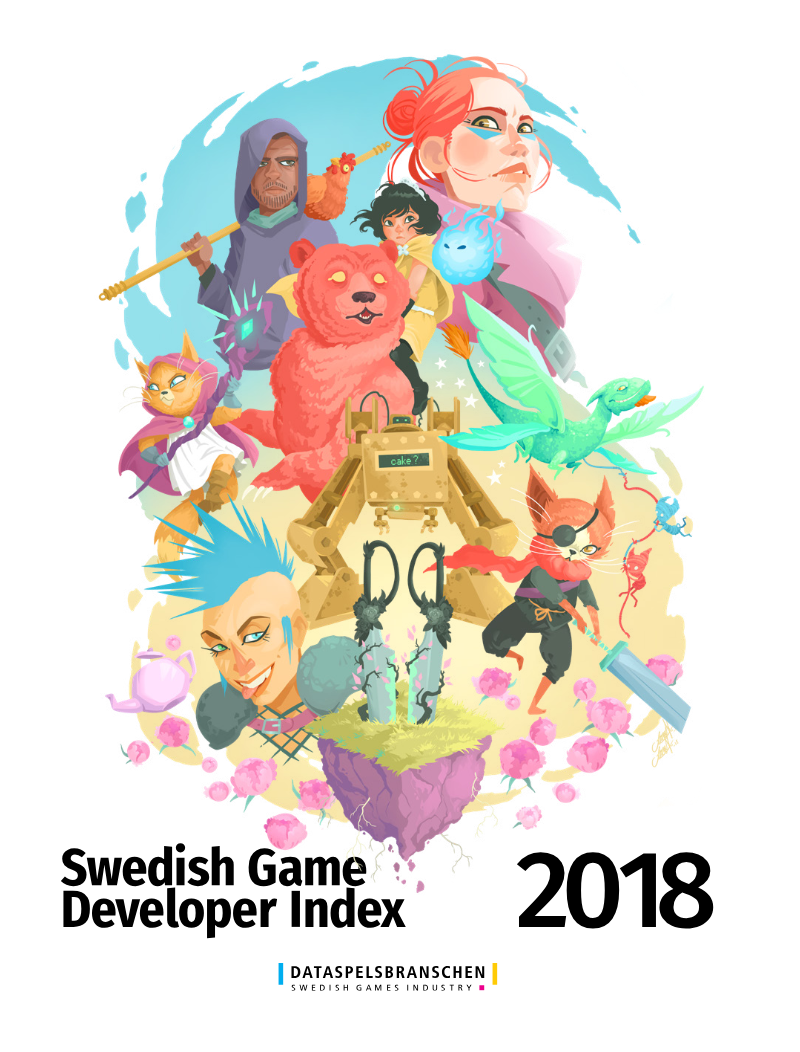
Game Developer Index: Sweden 2018
The Swedish games industry experienced a period of unprecedented expansion throughout 2017 and 2018, solidifying its status as a high-growth, globally competitive sector.
- The Swedish games industry reached €1.53 billion in revenue in 2017, marking a 15% year-over-year increase driven by the professionalization of Games as a Service models.
- Investment and acquisition activity in the sector surged from €200 million to over €340 million during the 2017–2018 period.
- Total industry employment grew by 24% to 5,338 individuals, with the number of women in the workforce increasing five-fold over six years to reach 20% of total staff.
Indie After College: Surviving the Transition
This presentation provides a pragmatic, cautionary guide for students and recent graduates considering a career in independent game development.
- The indie game market is severely saturated, with annual releases on Steam surging from approximately 400 in 2012 to over 7,500 in recent years, causing median sales per game to plummet.
- Success in independent development is frequently driven by survivorship bias, privilege, and luck rather than merit alone, necessitating a strategic approach to risk management.
- Recent graduates should avoid attempting to build an 'ultimate' thesis project immediately, as the lack of professional experience and financial safety nets significantly increases the risk of burnout.

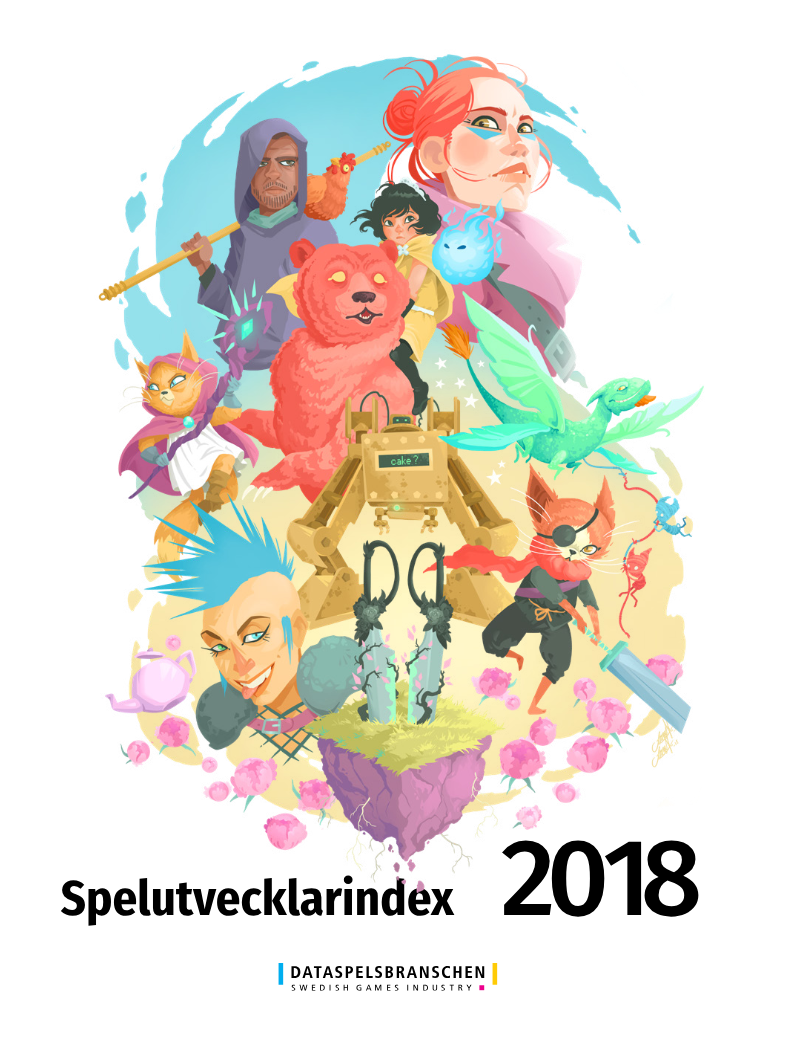
Spelutvecklarindex 2018
The Swedish game industry experienced a period of robust expansion throughout 2017 and 2018, solidifying its position as a globally competitive force.
- The Swedish game industry's revenue reached 14,695 MSEK in 2017, continuing a strong growth trend from 3,715 MSEK in 2012.
- Employment in the Swedish game industry increased by 24% (1,047 full-time positions) in 2017, nearly doubling the 558 new positions from 2016, but companies still face recruitment challenges and a shortage of skilled developers.
- The number of women in the Swedish game industry has quintupled in six years, with women now making up 20% of all employees, and more women are taking leadership roles, such as Ebba Ljungerud becoming CEO of Paradox in August 2018.