Employment reports and market data
Documents
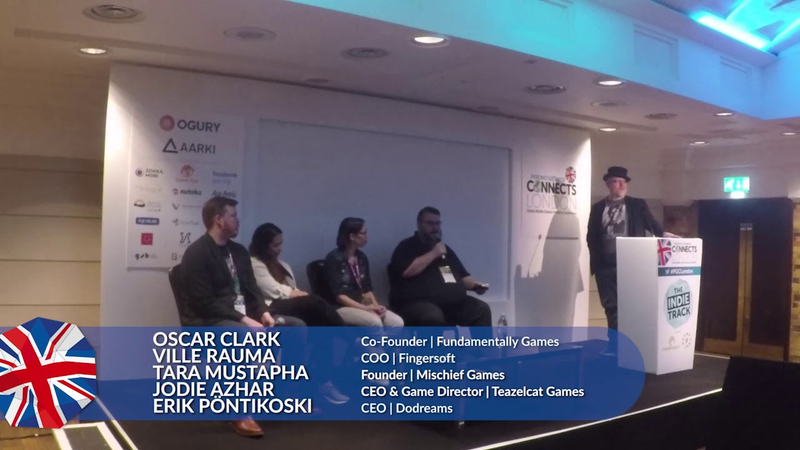
Growing pains – Moving from a handful of entrepreneurs to a company
The transition from an early-stage game startup to a sustainable, long-term enterprise requires a fundamental shift from founder-led, sandbox-style development to a structured, professionalized business model.
- Long-term studio viability requires transitioning from founder-led, reactionary development to a structured business model defined by operational maturity.
- Scaling necessitates that founders delegate critical responsibilities to specialized experts to move beyond the limitations of a singular creative vision.
- Studios must implement data-driven key performance indicators and intentional service design to maintain competitiveness in crowded markets.
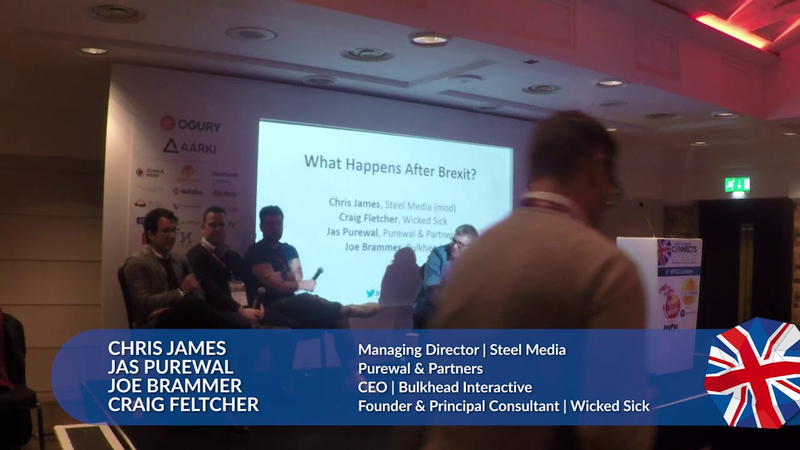
What happens to the UK games industry after Brexit?
The UK games industry faces significant uncertainty regarding the long-term impacts of Brexit, with the primary challenge being a lack of clear policy direction from the government.
- The UK games industry faces significant investment and recruitment volatility due to a lack of clear government policy and ongoing political deadlock.
- Studios are increasingly establishing satellite offices within the European Union to mitigate risks related to data protection compliance and the loss of free movement.
- The industry is experiencing tangible operational friction, including the postponement of initial public offerings and increased difficulty in attracting highly skilled international talent.
3 things that games developers need to know to safeguard their games
Safeguarding intellectual property is a critical concern for independent game developers, particularly when balancing limited resources against the risks of ownership disputes and unauthorized cloning.
- Copyright automatically protects the specific expression of creative work—such as code, character designs, and music—but does not cover underlying game mechanics or general concepts.
- Developers must secure written contracts for all employment and collaborative work to avoid ownership disputes, as publishers require proof of full rights before signing deals.
- Work created during office hours or using employer resources is typically owned by the employer, making clear contractual agreements essential for independent developers.
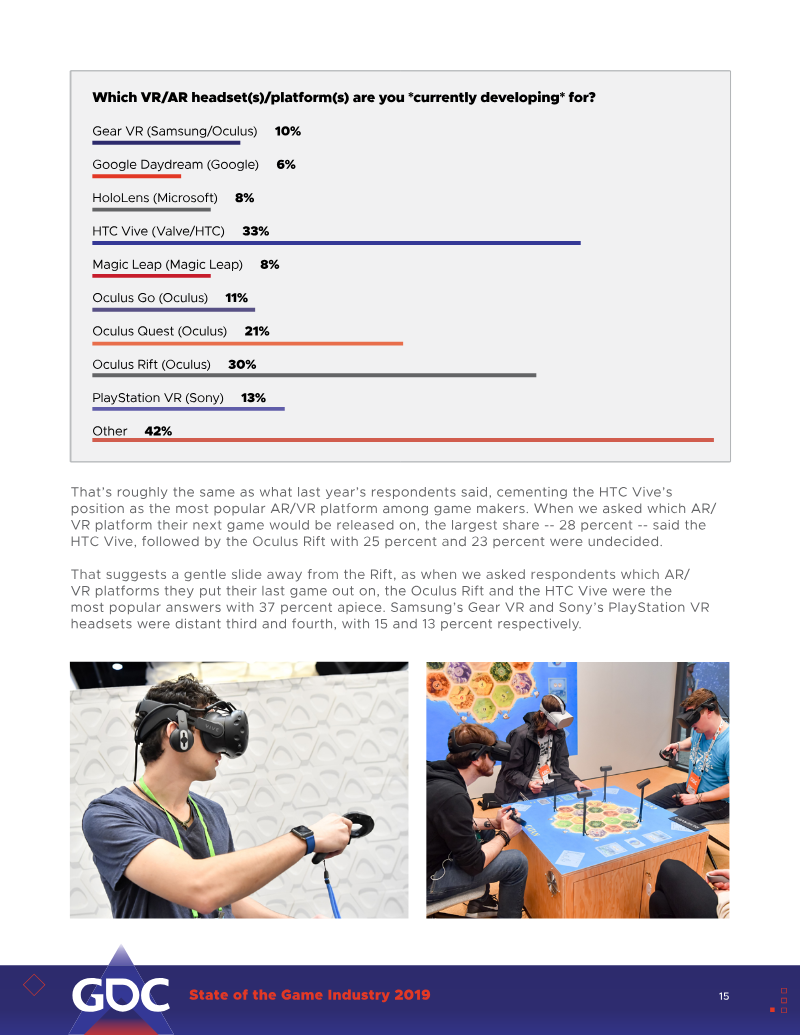
State of the Game Industry 2019
The global game development landscape in 2019 reflects a period of significant structural and cultural transition.
- Developers are increasingly challenging the industry-standard 30 percent revenue share model on Steam, viewing it as an unjustifiable financial burden.
- The industry is shifting toward self-funding and self-publishing models as interest in traditional monetization strategies like loot boxes and crowdfunding declines.
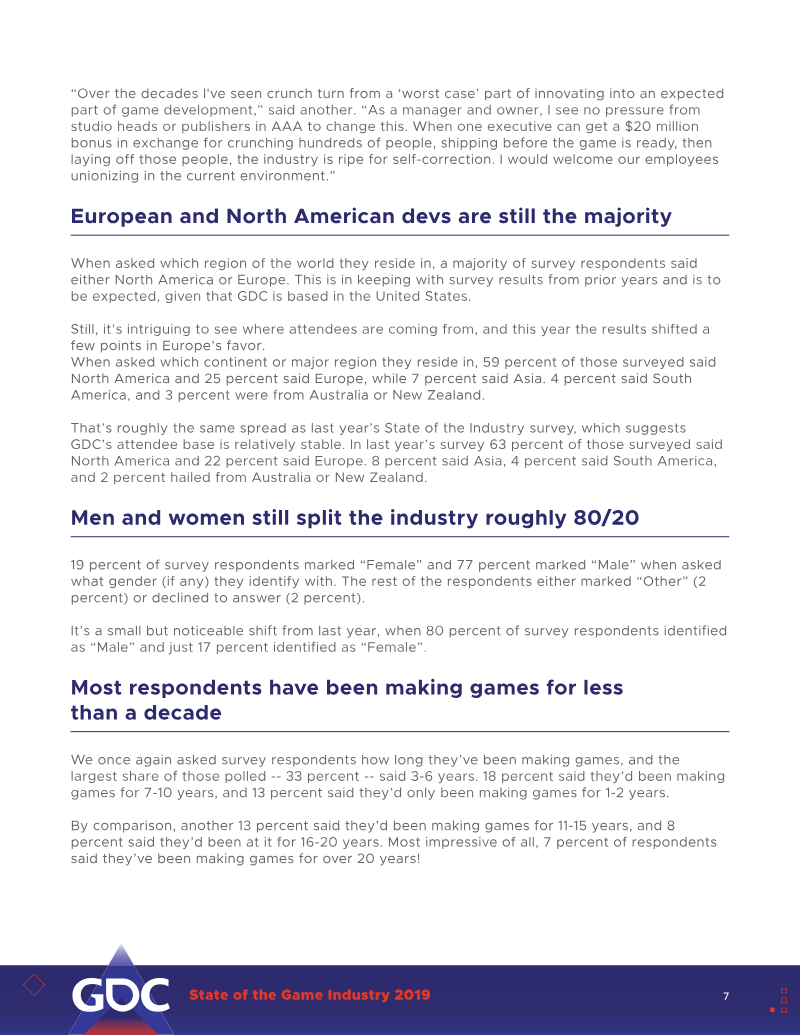
- Labor instability is driving a growing movement toward unionization to address systemic issues, including widespread overtime and a workforce demographic primarily composed of male professionals with under ten years of experience.
Successful Freelancing in Game Audio
Building a sustainable career in game audio requires transitioning from a creative mindset to a disciplined business framework.
- Transition from a creative mindset to a disciplined business framework by implementing systematic, reproducible habits rather than relying on sporadic effort.
- Prioritize face-to-face networking at industry events and game jams, as personal trust is a more effective acquisition tool than a polished portfolio or website.
- Enforce a strict 24-hour follow-up policy after every initial contact to ensure memory retention and build professional rapport.
Game Industry Policy Recommendations for 2019‑2024: Finland
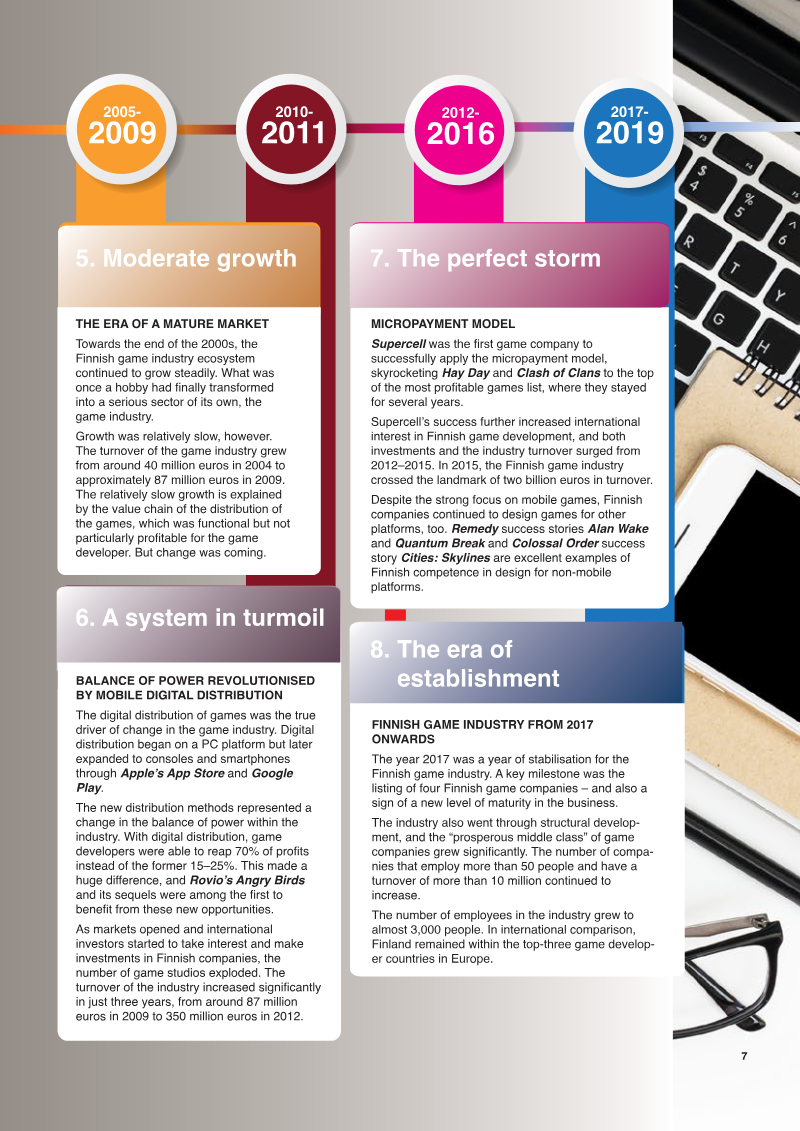
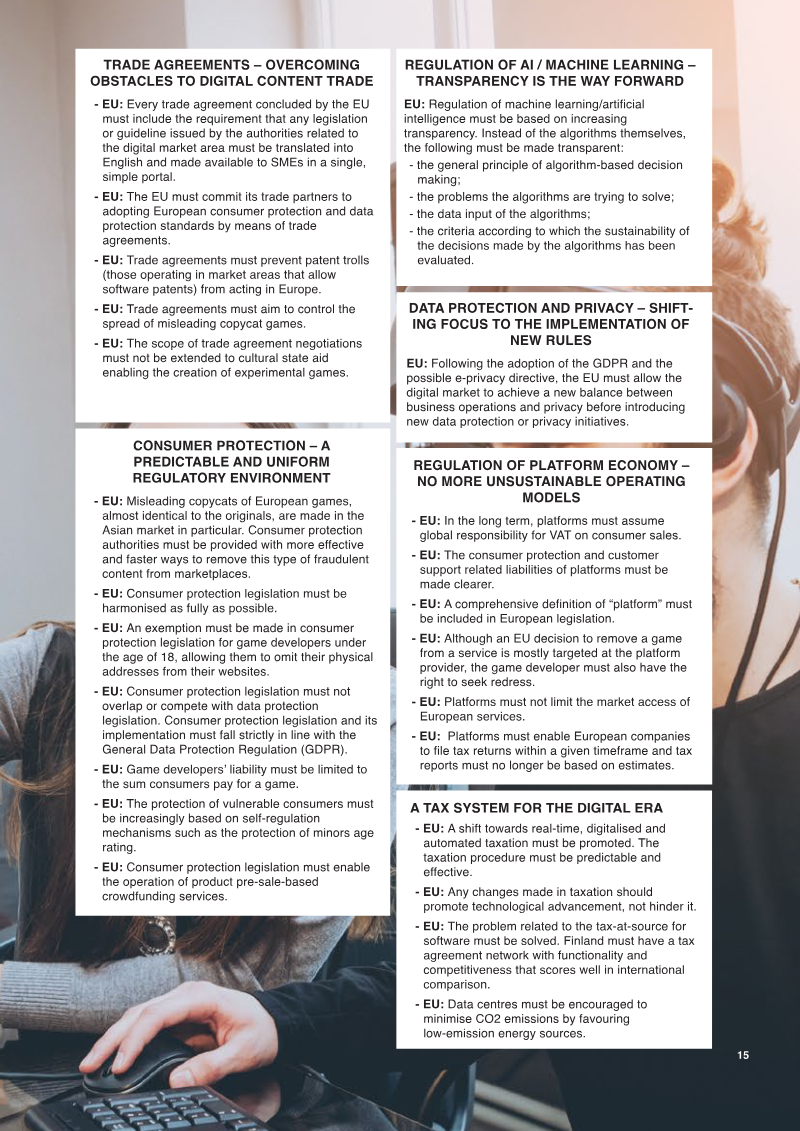
The Finnish game industry stands as a cornerstone of the national economy, generating over 2 billion euros in annual turnover with a remarkable 98 percent export rate.
- The Finnish game industry is a significant success story, with almost 3,000 employees and a growing number of companies employing over 50 people with turnovers exceeding 10 million euros by 2017.
- Finland has a high rate of game players, with over half of Finns and nearly a third of the global population actively playing games. The average age of a Finnish player is 38 years old.
- The shift to digital distribution revolutionized the game industry, allowing developers to retain 70% of profits, a significant increase from the previous 15-25%. Rovio's Angry Birds was an early beneficiary of this change.
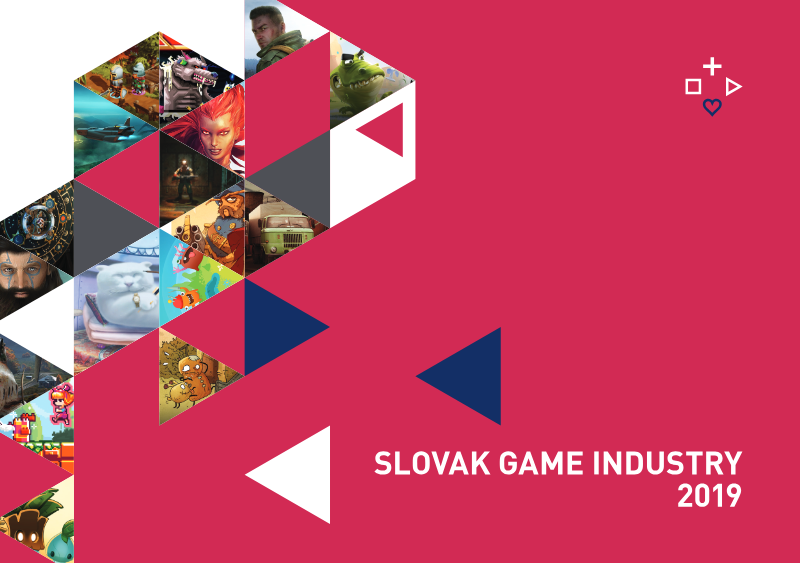
Slovak Game Industry 2019
The Slovak game industry experienced a period of robust expansion in 2019, characterized by a growing professional workforce of 682 individuals and total annual revenues reaching €56.6 million.
- The Slovak game development industry is growing, with increasing numbers of studios, profits, project quality, and employed professionals.
- Self-funding is the primary source of funding for Slovak game companies (81%), followed by public funding (35%) and investors (22%).
- 42% of Slovak game studios self-publish their games, while 42% use a publisher (11% foreign, 8% Slovak) and 16% are publisher holders.
Jahresbericht der deutschen Games-Branche 2019
The German games industry reached a significant milestone in 2018, generating a record 4.4 billion euros in revenue and solidifying its status as the largest market in Europe.
- The German games market grew by 14% to 3.5 billion Euros in 2018, driven by a 97% increase in revenue from online service fees (to 305 million Euros) and a 57% increase in in-game purchases (to 297 million Euros).
- 34.3 million Germans play computer and video games, with 48% being female. The average age of gamers has risen to 36.4 years, with nearly 10 million players over 50 years old, representing 29% of all gamers.
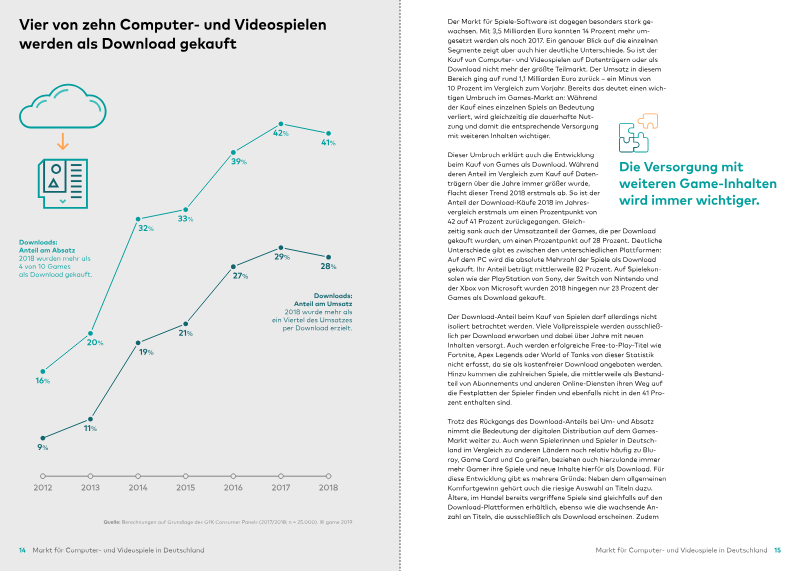
- The purchase of games as downloads or on physical media is no longer the largest market segment, declining by 10% to 1.1 billion Euros. Downloads accounted for 41% of sales and 28% of revenue in 2018, a slight decrease from 2017.
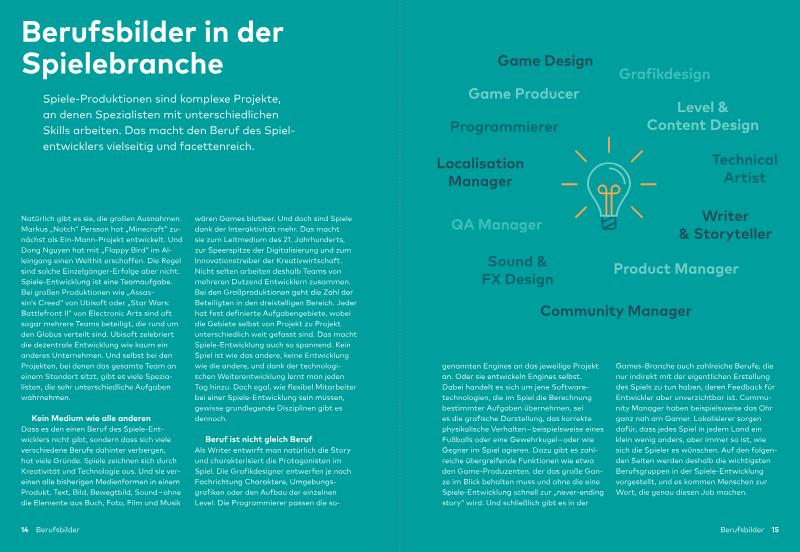
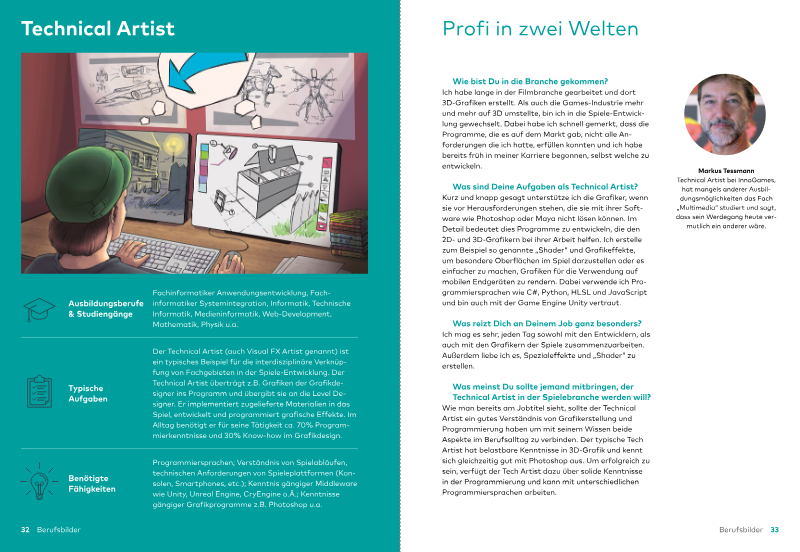
Arbeiten in der Games-Branche: Kreativität trifft Technologie
The German games industry has evolved into a significant economic pillar and a primary driver of technological innovation, transcending its traditional role as a mere entertainment sector.
- The German games market is experiencing significant growth, with revenue increasing by 15% in 2017 compared to the previous year, and projections showing continued growth from 3689 million Euros in 2016 to an estimated 5295 million Euros in 2021.
- Digital sales and microtransactions are booming in the German games market, driven by mobile games and the free-to-play model, while sales of physical media are stagnating or declining.
- The average German gamer is 36.1 years old, with the largest player group being over 50, and women constitute 47% of players, indicating a broad and diverse audience for games.
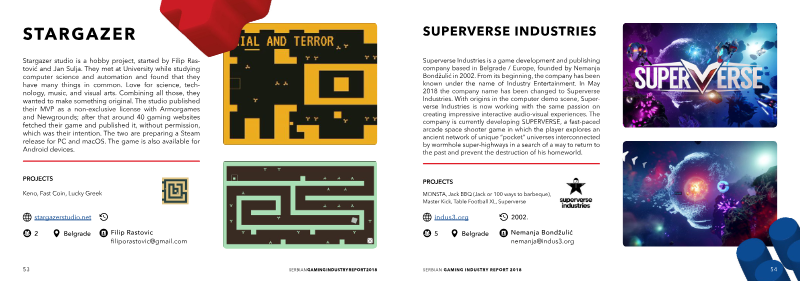
Serbian Gaming Industry Report 2018
The inaugural Serbian Games Association report maps a rapidly expanding national gaming ecosystem that now comprises more than 60 members across indie development, esports, visual-effects houses and internationally linked studios, employing over 1,500 skilled professionals.
- The Serbian gaming industry comprises over 60 member entities and employs more than 1,500 professionals, anchored by major players like Nordeus, Ubisoft Belgrade, and 3Lateral.
- Funding for the sector is diversified, with 40% sourced from angel investors, 30% from crowdfunding, and 20% from venture capital, with the largest single investment reaching €650,000.
- A robust pipeline of technical talent is supported by approximately 30,000 university students in IT-related programs and the integration of programming into primary-school curricula.
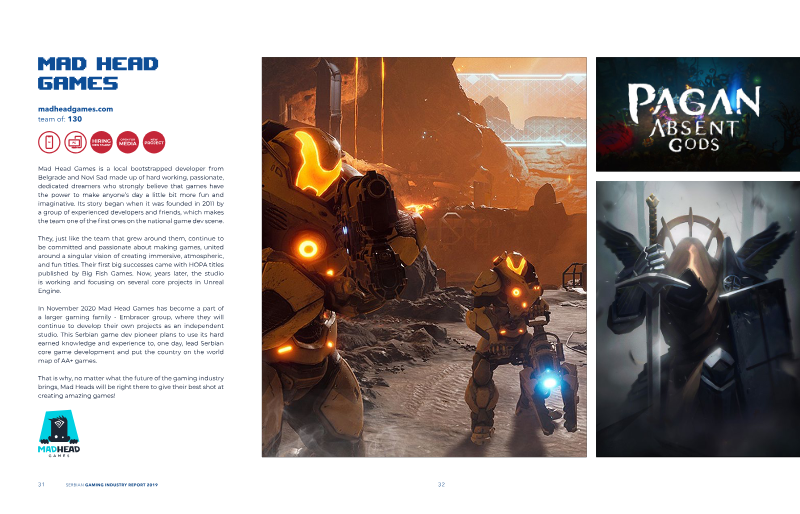

Serbian Gaming Industry Report 2019
The Serbian games sector is emerging as a rapidly expanding, diversified ecosystem that now supports more than 80 companies and roughly 2,000 employees, reflecting a 3.4% year-on-year increase in staff.
- The Serbian gaming sector generated approximately €100 million in revenue in 2019, supported by an ecosystem of over 80 companies and 2,000 employees.
- Flagship mobile titles from companies like Nordeus and Playrix RS have achieved massive scale, amassing over 100 million monthly active users.
- The industry is experiencing steady growth with a 3.4% year-on-year increase in staff and robust recruitment demand across studios ranging from micro-teams to 180-person developers.

Meditation for Devs: Maintaining Your Sanity for Crunch and Beyond
Game development environments characterized by high-pressure crunch periods necessitate proactive mental and physical health strategies to sustain long-term productivity and professional longevity.
- Proactive mental and physical health strategies are essential for mitigating the cognitive and physiological toll of high-pressure crunch periods and preventing long-term burnout.
- Developers can shift from reactive, stress-induced states to resilient mindsets by practicing mindfulness techniques such as body scanning, breathwork, and non-judgmental thought redirection.
- Restorative practices like Yoga Nidra and guided visualizations are effective tools for lowering cortisol levels and clearing the cognitive fatigue associated with demanding production cycles.