1 free read left. Create a free account for unlimited reading + AI research.
Create free account
DON'T QUIT YOUR JOB FOR INDIE GAMES (5 Reasons)!
Key insights
6 takeaways- 01Establish a proven track record of completing projects before transitioning to full-time development, as successful game cycles often span several years.
- 02Maintain a stable day job while building a foundation to mitigate the financial volatility inherent in the indie game sector.
- 03Develop strong interpersonal and communication skills to effectively network, build a brand, and secure necessary funding from supporters or publishers.
- 04Anchor production quality by leveraging a singular core talent—such as coding or art direction—while managing the limitations of other development areas.
- 05Diversify revenue streams beyond initial game sales by actively exploring crowdfunding platforms like Kickstarter and Patreon, educational content, and publisher partnerships.
- 06Maintain professional humility by actively seeking mentorship from industry veterans and remaining open to critical feedback and evolving business strategies.
Ask AI about this video
Transcript
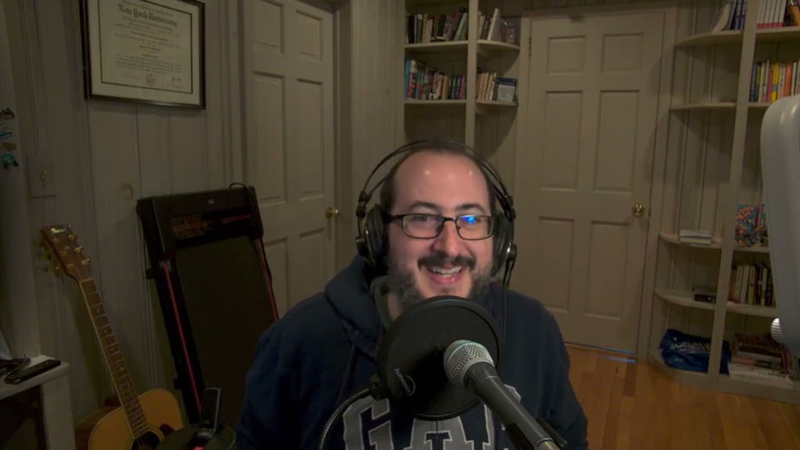
man thank you thank you for joining me on this video it's really amazing to see your beautiful face my name is Thomas brush I'm the creator of a game called pinstripe I'm also working on a game called once upon a coma I quit my job a couple years ago to make video games it's awesome and I want to ask you one simple question are you cut out to be able to quit your job you know most of the time I really want to be encouraging to people so I just say go for it quit your job pursue your dreams you can do it best of luck to you break a leg but really right now I want to be honest with you and say if you don't have these following five traits that we're going to talk about to be an indie game developer and quit your job don't quit your job maybe figure out these traits before you actually quit your job so what are these traits well let's start with the first one the first one is follow through do you have follow-through are you able to actually complete something anything right now sort of sit and think about maybe some things that you've quit can you count them on one hand or do you need like six
hands have you quit school have you quit certain creative endeavors and projects have you quit too many jobs to count have you been unable to follow through with maybe previous indie games that you've made this is a really important question to ask because frankly if you quit your job to make indie games you've got to finish those games you quit your job you can't quit indie games you've got to pursue them and the thing is is that it takes a couple years before things actually work out and I know that might be kind of depressing and a lot to take in right now but really it takes a while to get games off the ground for me it took almost five years to finish my first game so I didn't actually quit my job and then work for five years without making a single penny right I actually had to work a day job for three years and I worked on that game while I worked that day job I wasn't ready to quit until I was almost done with the game and I actually had some funding and revenue from Kickstarter to actually quit my job and pursue full-time that
game so follow-through is crucial if you actually want to make games for a living so don't quit your job if you feel like you've quit other thing so here's a good rule of thumb that's my thumb he's saying don't quit your job on unless what are you saying you're saying don't that what are you saying so here's a good rule of thumb here's my thumb don't quit your job if you've quit other things alright figure out how to actually follow through and finish things before quitting your job but if you feel like you've been disciplined and you actually finished things in your life and you feel like you're pretty good at following through on your projects and go for it quit your job well that is to say if you have these remaining four traits so the second thing is personal skills duh right duh have some personal skills some of you might be watching this video and being like why am i watching this video if this guy's telling me any personal skills this guy doesn't even have personal skills you're right I don't but when I'm actually pitching my ideas to people when I'm sending emails or when I'm doing a
Kickstarter campaign I'm very personable I actually wasn't born with personality I was born with what can you say I wasn't born with personal skills I was kind of a nerdy weird a little too quirky like there's cool weird and then there's like really weird like I don't want to talk to that guy that was me and so I realized if I want to be successful in the indie game industry in just the game industry in general I need to learn how to actually talk to people and actually be professional and also be kind and maybe show a little bit of empathy to people even in a business setting and so what I did was I read a book called Think and Grow Rich and then I also read a book called how to win friends and influence people these books sound like such stupid self-help books but the truth is is they could change your life they changed mine and I learned so much by just reading these books so give it a shot become personable if you feel like
you're not a personable little person right now maybe take a couple months maybe a year to figure out how to be personable if you're going to quit your job and pursue indie game development full-time now because of me being a personable person I was able to secure funding from Kickstarter from publishers from patreon get views on my youtube channel thank you very much ultimately making games is kind of a little bit selling games and making really cool games and then also a little bit being personable all this stuff comes together to actually make a company and a brand where you can sell your games alright the third trait you've got to have before you quit your job is you've got to be talented in every way you have to know how to do everything and if you can't I'm sorry you're a loser no the truth is is that really you just need one talent this might sound kind of cheesy but if you feel like you don't really have a talent you really do you've really just got to find the confidence and really test your
experiences so don't be afraid to actually test out yourself and your capabilities and hopefully that talent that instinct that you have deep down will sort of pop out now for some people they have talent across the board and write music they could develop games they can do artwork they can do design they can code they can do everything but most ami developers actually have one single talent that they're really good at and they figure out how to put that the spotlight of their game on that one talent so if your talent is art direction then use that talent really focus on it because other areas of your game that you might not be able to afford or have time to do or even the skill to do you can actually focus on that one thing that you're good at the fourth trait you need to be able to tell your boss is curiosity the thing about curiosity is it helps you find out ways to make money so when you first quit your job you're actually gonna be confused because you're like okay I'm gonna make a game how do I make
money if I don't have a game made well you got to be curious you've got to sniff around and find money elsewhere while you make your game so let me just give you some examples of ways that you can be curious to find money in other areas other than selling your game kickstart our patreon I actually can't let's see here Kickstarter patreon YouTube IndieGoGo pre-orders publishers funding online classes udemy you name it there's a ton of options out there to make money so be curious about all of these opportunities don't be closed-minded pull yourself out of your little box and look around there's plenty of opportunities to make money elsewhere now this doesn't mean you can't sell copies of your games you can actually do great by selling copies of your games but until you have two or three games made you've got to find ways to bring in residual income into your studio be curious and hopefully that'll
pay off now the fifth trait you need to be able to quit your job and tell your boss that he's a stupid idiot is humility be a humble person tell your boss that he is a a moronic idiot be humble now the thing about humility is it's actually really difficult obviously you can't be proud when you're jumping into an industry that is so confusing always changing and really requires the support of a thousand people around you right you've got to be humble you can't be cocky about your game take advice take criticism well when I started stepping into indie game development when I was 18 years old I had no idea what I was doing ten years later I have no idea what I'm doing okay and that is why it's important to be humble if you take advice from people if you learn from people who are smarter than you or better yet reach out to industry legends people who have done it who have been successful in the indie game industry that is where the money is made finding not only good advice from
people but also being able to sit on their shoulders and having them help you promote your game that is priceless that is the most important part of being able to quit your job be humbled because it is crazy out here in the indie game industry alright guys thanks again for watching this video my name is Thomas brush I make video games I've been making video games for ten years I post videos every day about indie game development I love doing this I love that you're here I love that you watch these videos please hit subscribe hit the like button and the bell button and then and ask me questions and I'd love to answer them I also have a patreon account if you want to head on over to patreon and support me that helps me make videos and make games these are the two things that I love doing in life if you want to support that would mean the world to me thanks again for joining me guys I'll see you later bye
Summary
Transitioning to a full-time career in indie game development requires significant preparation and specific personal traits to ensure long-term viability. Rather than impulsively leaving a stable position, aspiring developers should evaluate their readiness based on five core competencies. The primary thesis is that professional success in the indie sector is not merely a product of creative passion, but a result of disciplined business practices, adaptability, and emotional intelligence.
The first essential trait is follow-through, as the development cycle for a successful game often spans several years. Developers must demonstrate a history of completing projects before committing to full-time independence. Second, interpersonal skills are critical for securing funding and building a brand. Engaging with platforms like Kickstarter, Patreon, or publishers requires the ability to communicate effectively, network, and empathize with potential supporters. Third, while versatility is an asset, developers should identify and leverage a singular core talent—such as art direction or coding—to anchor their game’s quality while managing other production limitations.
Fourth, curiosity is necessary to navigate the financial complexities of the industry. Because game sales alone may not sustain a studio initially, developers must actively explore diverse revenue streams, including crowdfunding, educational content, and publisher partnerships. Finally, humility is vital for professional growth. The industry is volatile and requires constant learning; therefore, developers must be willing to accept criticism, seek mentorship from industry veterans, and remain open to evolving strategies. By cultivating these traits while maintaining a day job, developers can build a sustainable foundation before transitioning to full-time game creation.