1 free read left. Create a free account for unlimited reading + AI research.
Create free account
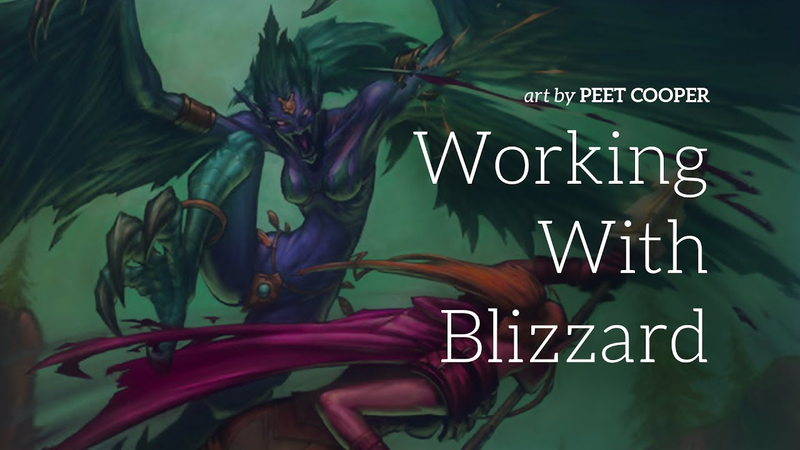
PlayJob Podcast #4: Blizzard Artist Peet Cooper
Key insights
5 takeaways- 01Career longevity in the game industry requires a hybrid background, as AAA studios like Blizzard and Riot Games provide deep specialization while independent projects foster the versatility needed for a well-rounded skill set.
- 02Passion and drive remain the primary catalysts for industry entry, outweighing the sole reliance on formal education for long-term career advancement.
- 03Professional visibility is best achieved by maintaining a portfolio on platforms like ArtStation and engaging in deliberate practice by studying the techniques of established industry masters.
- 04Effective networking relies on a 'confidently humble' approach, prioritizing personalized, thoughtful outreach over generic communication to secure mentorship and industry integration.
- 05Strategic partnerships with charitable organizations, such as Gamers for Good, offer indie developers a distinct marketing advantage by increasing brand visibility and fostering deeper community engagement.
Ask AI about this video
Transcript
I can't underestimate the value of networking and talking to people and getting face to face and if you go and do it online that's still fine but people I see so many students and so many people who are trying to break in the industry that spend 1 percent of their time on network [Music] hey guys my name is Thomas brush I'm the creator of a game called pinstripe I'm also working on a game called once upon a coma I have an amazing guest today he is Pete Cooper and he has just an incredible career in the games industry and has learned a ton and I think I just want to leave it to you Pete to sort of introduce yourself and give it everybody an idea of what you've been through in this whole really longer career than I've had in the game industry so far okay cool so I've been in the game industry for a
little over 15 years now mostly in the triple-a space I've worked on franchises like double-oh-seven Call of Duty I worked at Blizzard on World of Warcraft in Diablo 3 and most recently I was an art director at Riot Games working on League of Legends and multiple other games and 9 months ago I decided to focus on my nonprofit organization full time so I run a company called gamers for good with my wife and we create games and other opportunities for gamers to give back wow that's so impressive and it's it's almost like you went from triple-a and decided to sort of go a little bit more I don't know a smaller scale and almost like an ain't going with an indie approach to things yeah very indie right
now yeah exactly and I've noticed a lot of people in triple-a tend to do that they kind of move out of it and into it's a smaller scale sort of thing so I'm just curious why I guess why you chose to sort of it sounds like you escaped it or something you mind clarifying well I mean well I mean there there is a little bit of the the escape there I've done I've done it for quite a while now and one of the things I loved it the whole time by the way one of the things that that was challenging is working on these huge giant projects with hundreds of people at a time it does wear on you it can for some people and for me I really I wanted to I wanted to I've always loved
indie games I love all games I have a massive game collection and I've been into games my whole life but I've I basically wanted to try going a much more indie route yeah and I also really wanted to focus on doing charity work because when I look at the the impact that I have had in the triple-a space it's great but at the same time I don't feel like there's been enough opportunity to do good things yeah from from like a giving back and a charity standpoint yeah exactly I probably I feel that way as well even even in the game like indie game industry side of things I often wonder what's I mean what's the point like part of me thinks video games are terrible like I just had a daughter and I don't really want her to be obsessed with video games as a child you know and so you wonder like are you having a positive impact or a negative impact on kids and just people who play video games so looking back like when you were
working at let's say Blizzard did you mention the games and the various sort of I guess specifics of working on those games what did you do specifically there well I spent the majority of my time at Blizzard working on Diablo 3 I was on that team specifically and I was a senior environment artist so I did the entire world pipeline from the initial ideation to the concept art to the modeling texturing kind of the whole that whole pipeline okay with a really great team that was an amazing learning process then I got to help out on World of Warcraft Mists of Pandaria and I got to do some early concept for over watch which was project Titan before it was known as overwatch okay and that's and I was there for five years Wow okay so can you can you say a
little bit about like maybe what the company culture and the work environment is like there yeah I mean the culture is is great you know it's the work environment is hyper casual a little too casual and laughing and it had times where yeah the just from from a pace standpoint it can be pretty pretty slow and and pretty well that makes sense if you if you like giddy if you like getting stuff done quickly it can be frustrating so in a way it's kind of like the reason they their deadlines always shift it's not because they're like making incredible games even though they are it's just because they take things really casually well it's I wouldn't say they can't it isn't quite because they're taking things casually I'd say it's more so the fact that they're they're iterating a lot you know it is they they're not they're not rigid
in regards to okay we have to get this thing done so you know here's the date and here it is I'm sure there is more of that now because that was that was six years ago that I worked there right but back then it was very much like okay let's try this version of this okay that could be cool but here's what here's a ton of feedback let's try a different version okay that could be cool but we can try something better okay let's try that let's try that there's a few things that we worked on that were that version two or three were fine and we went through ten versions of and I mean that's that's I think that's a lot of the triple a space is you know it's it's pushing for that that quality bar yeah sometimes it's great and sometimes it's not well I can imagine it's kind of scary especially for like senior sort of senior positions where they have to keep a budget in mind or they have to keep you know who the team is and how many
people they got working on this thing how much they're investing in this kind of polish well and I just wondered yeah I mean ask you did that stress you out of the time no that's not really a stress because I mean at Blizzard and riot the return is so massive that yeah you know we we try to be efficient you know I tried to make sure where we're staying on top of stuff and yeah and not and prioritizing how this actually fits into the game versus it just being a cool art piece or something like ways of reusing things and like there there is a lot of efficiency happening but there's there's very rarely a budgetary concern at either of those studios just because you know they make an absurd amount of money that's crazy like the opposite because like when you're an indie game developer and and you've probably felt this you assume it's gonna be this really sort of
chill exciting doing whatever you want feeling but I know for me like I think about the budget and the time and how much effort I'm putting into something way more than I thought I would yeah it's because you know for sure you know yeah exactly yeah but I mean yeah Blizzard right and triple-a studios have giant marketing teams that is just their job to make sure it gets in the hands of millions of people like immediately so so the the sales the sales on on Blizzard content is you know all but guaranteed well something that is that they have such a massive following and I mean the quality level is phenomenal incredible it's and I wish that I had that down with bravery and you know sometimes I have like with when I was working on pinstripe I really really focused on polish and I made it a priority to polish the game but I know that I was always sort of nervous and a little bit anxious about going taking it too far and never releasing the thing
you know so I think that that's a really cool thing that Blizzard does it almost takes it even though you know maybe they know they're gonna make a ton of money I'm sure it takes some balls on their end to actually you know spend a lot of time and risk maybe you know how Blizzard is always getting bad press about or like when they're about it release a game they might get bad press about how they're taking forever to finish it and so they are risking something you know yeah it's at this point it's just the expectation though of the company is it's done when it's done it's done when it's ready it's it's done one went when we feel like it is the best product it can be well um so to contrast you as an indie developer as or somebody who's working more in that indie space I know that you also did like you did an undertale art book or at least you helped manage that which I know a ton of the people a ton of my listeners are probably huge undertale fans can you elaborate a little bit on that project
yeah yeah that was that was a that was a cool project so we we reached out to Toby Fox the creator and told them about our charity and told them about that the previous art book that we made and we say we just want to make a fan art book that goes to supporting some mental health awareness companies nonprofit organizations and we just kind of put out a call to action to deviant art and art station and a bunch of our artist friends and just asking for undertale fan art submissions and we got a massive amounts yeah over thousand submissions from I think I think we have close to 300 artists in the book and it was it was great it was I was kind of blown away by the reception so we were able to
I was gonna say like we we did a Kickstarter Ford's and we were able to raise $60,000 plus something for for the charities so that was that was really great yeah so like compared to your previous career path of working at riot and Blizzard what was doing something like this what did it feel like oh it felt it felt amazing because it felt like and a lot of what we're doing right now with gamers for good is just like it's it's kind of like something that's completely new and different and everything I'm doing now I'm having to learn and challenge myself and the the primary reason I ended up leaving Blizzard is because I felt like I was stagnating yeah I felt like I felt like you know people when I when I was going to leave blitzer to go to riot a
lot of people were like you're you know you're crazy you're leaving Blizzard the best company all this stuff for this kind of like smaller almost startup be feeling company at the time and this was six and a half years ago as League of Legends was kind of like ramping in popularity but it was really like I knew everyone that I wanted to know at Blizzard like I I knew lots of people on the WoW team and and the overwatch team and all the Diablo people and and I just kind of felt like okay cool I've been here for five years you know it's it's kind of time to move on you know I'm not I'm not a person who's gonna stagnate or just kind of stay at the same place working with the same people I want to keep kind of evolving and growing and learning new stuff every day and meeting new people well I think a lot of our I think a lot of our listeners would probably think man if I was at Blizzard like I would I
would stick around for a long time but I'm sure there's there's nothing wrong with that most people it's such a it's a crazy thing to when you're first starting in the industry and you probably remember this feeling of thinking I'll never get there you know I'll never get to be maybe release my own game on xbox or Nintendo switch or I'll never be able to work at Blizzard it's this crazy high dream but it sounds like the way you saw it was you at maybe you knew your potential and you knew what you could do or at least you wanted to challenge yourself yeah for me I've always had a lot of confidence and and drive and work ethic so I knew that anything I want in life I can get if I'm willing to work for it yeah so with that mentality you know like I got my first job I did amazing well at school
and then I got actually got recruited I never actually applied it right at Blizzard Wow they recruited me how was it based in our portfolio yeah it was just based on stuff I was throwing up on on websites devianart different stuff so how important like what's like the number one trait do you think for someone who wants to work maybe at a place like Blizzard or riot like what what I mean obviously it depends on so I talent aside and skill sets aside you mentioned hard work and confidence how important are those things and getting into the game industry I don't think confidence is hyper important because I know a lot of people who are amazing and have major lack of confidence and they have kind of forever yeah and and they just their their passion and drive gets them through yeah so I would say passion is is paramount
like there's it's it's like that's that's something you can't teach you know it's it's it's kind of like yet you have it or you don't and if you don't find it well is it passion for games or is it passion for the specific game that they want to work on you know I mean yeah I mean I think it's passion for games I think it's I think if you're super passionate it's incredibly rare for someone to just on their first job I'm gonna go work at you know my dream job in my dream game yeah so you know if you're if you're like long-term goal is to work on Mass Effect at Bioware or something and that's the one game you're passionate about you know it's gonna be pretty tough for you get jobs other places because well I mean for you though you start didn't you start on like Diablo like that was your first game no no I started a company called end where we're working on weird little prototypes the first game I shipped was
a game called Geist on GameCube I think I remember that yeah and 2003 I think is when I was working on that okay and I I went there I actually had a few different job offers at a school I went there because Shigeru Miyamoto was actually like one of the producers on it or something because it was published by Nintendo so when they were telling me about the game they were telling me that they were constantly getting feedback from him yes and and for me it was like you know as a young person growing up in the Nintendo era you know just even the idea of working on the game that he's even playing is like I was like yeah I want to work on that like I don't I don't really care about anything else that sounds amazing because I knew was gonna also be weird as hell right right exactly for me it's one of the
highlights of just making games and I haven't I haven't come in contact with him but I've had the pleasure of being able to meet a lot of people in the game industry youtubers and also just people who have made like really successful indie games like Meat Boy and stuff like that so my I think a good question is have you ever specifically made an effort to reach out to people who are successful and try and understand them I know you did that with Toby Fox but that was mainly just to get his approval to work on a project but I just want I wonder if you've you seem to just brush shoulders with so many amazing people and I'm just wondering how you pulled that off was it luck or were you very intentional about it no it's it's hyper intentional like I put myself out there all the time I went to I've been to GDC 11 times and GDC is the for anyone who doesn't know that's the Game Developers Conference in San Francisco every year and that is like you know the who's who
although all the major players from all the big companies are there right every year so giving talks and just networking and and like the amount of amazing people I've met through GDC has been fantastic okay like I go to a lot of the round tables there to meet people to meet peers and the same thing I do I've given talks there anyway so yeah G yeah G DC is like if you have an opportunity if you want were gonna game this turn you have an opportunity to go to GDC I highly suggest you do that I wouldn't suggest I wouldn't suggest doing it if you're super introverted because it's expensive and if you're not willing to like stick your neck out and talk to people you probably will waste your money here's what I want to say the first GDC I attended I was 18 years old he was GDC yeah or yeah it was GDC that's right and
there's South by Southwest as well and I attended that one the next year and those were both in Austin Texas but I was super introverted at my first GDC and I was showcasing my game I just somehow I got really lucky enough to showcase this flash game I made and I gotta say like just putting myself out there even though I was terrified it's like you know jumping off of a cliff that sort of feeling but once once you get over that feeling of falling you know and you can sort of stabilize and you can sort of get into this mentality I've okay I got to talk to people it's it's amazing how much you grow so I would just say that like even though a lot of our listeners are probably most I think most of our listeners are probably introverted I've just seen that trend with like game that gamers tend to be introverted I think I could be wrong but I don't know like even though you are introverted this is the way into the industry and so love it or hate it you've got to make that step and you've got to confidently pursue it and so I
know you mentioned that you're a very competent person and I'm a very confident person now but like six or seven years ago actually ten years ago now that I'm looking at it I was not and but the reason I'm confident now is I think because I took that step you know what I mean yeah yeah that's great yeah and one of the things about confidence when I say I'm confident I don't mean I think I know everything like because I why I'm confident is because I'm totally okay with being the dumbest person yeah completely okay with being like I don't have any idea what I'm doing yeah who can help me yeah and I'll say that to strangers I'll say that to anybody yeah so it's almost and it like the more humble you are the more confident you'll become yeah I mean that's that's worked for me because it's it's really just kind of paid off like whenever whenever I'm in a meeting or a group setting or anything and and I feel like there's people who
aren't understanding the speaker or aren't understanding something even if I understand it I'll raise my hand and say hey I don't think this is super clear I see a bunch of confused faces around and I'll I'll go ahead and you know draw the short straw and say hey what the hell are you talking about so it's kind of benefited you even in the triple-a industry because like I've never even stepped foot in a triple-a company I have no idea what it's like but I can imagine if I did I'd be extremely like fish-out-of-water nervous shouldn't speak up just do as I'm told you know and get the work done stay till what 3:00 a.m. 4:00 a.m. get the work done and don't say a word but yourself but you're saying that if you if you're willing to put yourself out there and confidently be humble which sounds like a paradox but confidently be humble then the the workers around you you'll gain their respect because they're probably feeling the exact same way yeah yeah absolutely yeah thank you you've nailed it right there yeah Wow it's it's also I
just understanding that everyone around rather whether you're in a big studio a small studio everyone has the same goal we're all trying to deliver a cool thing to players so you know it's it's it's actually rare that you have you know the people who are like out to get you or have weird motivations most most the time it's just like we're all we're all just trying to make a great thing so so something something I've been I gotta be honest P like I've I've often steered people away from triple-a even though I don't really have any right to do so because I've never I just know how fun it is to be an indie developer would you recommend to our listeners to pursue that route at some point in their career and see what it's like absolutely I mean I think I think everyone should try doing triple-a everyone should try doing Indy everyone should try just doing a wide range of things because you know it's it's all
about learning like the difference between I don't have a ton of experience with Indy other than my I've studied indie games and I'm doing indie games now yeah the the major difference is in triple-a you're going to meet and work with people who are unbelievably phenomenal at the one thing they do just because when you're when you're working on a team of 50 people there you're gonna be working with one person who is unbelievably good at sculpting tanks it might be the best tank sculptor right that's their job title tech sculptor basically whatever yeah whatever it is whatever it is they do and the larger the team the more specialized people are and the better they are at individual things so if you want like if you want to learn about animation you know go to a triple a studio and they'll be like there could be someone who is
specifically a creature animator and that's all they do is animate dragons and and wolves and and quadrupeds and they're gonna know more about the anatomy and the way things move and the muscle structure and the weight of things they're gonna have unbelievable amounts of knowledge on the one specific thing that they do so that's hyper hyper valuable and on the other end you know the indie spectrum it's like you're gonna meet these amazing Jack's of all trades you know like yourself who have a incredible understanding of all the things which and how how they and in many cases you know they're not going to any people are going to be the best at any one thing but they're gonna have an amazing understanding of how each of the pieces are interconnecting and how and the relationship that they have with each other so I think it's go hyper I
was gonna say so I think it's hyper valuable to do both things yeah I would highly suggest starting if you can in the triple a space over the Indy space yeah because you'll just be less overwhelmed well I'm thinking like for me I like it again I've never stepped in a triple-a and I'm wondering okay for some reason at Mo's games my studio tanked and I had to go find a job what would someone like me do you know because like and I'm sure a lot of my listeners feel the same way who are working they decided to drop out of college or something and just work on indie games what do you do what do you well for you like is it more of a generalist so like art direction or do it do you just swallow you know swallow your pride and focus on foliage you know like what do you do yeah it depends on it depends on what you wanna do it depends on what you're passionate about it depends on your strengths and weaknesses yes and it depends on your
life goals you know if it's like I just need to get into the industry I need to get a job I need to pay my student loans it's it's focus on what you're best at okay you know there's a lot of people there's a lot of people that I see they're like you know I want to be I want to be a character concept artist and looks like well that is like the most sought-after job that has more competition and maybe one in a thousand students will get an entry-level job being a character concept art you've got to be like so yeah it's it's like just don't even do that like if you if if you are amazing at making simple in-game 3d props if you if you can get good at that if you can get good at following a concept and executing on it well you can get a job and the foot on the door is is
the hardest step you know it's once you're in the industry you know networking becomes much easier trying to transition to something else becomes easier because once you ship titles you know once you have actual proof that I can make and ship content then then life becomes easier for sure it's just that foot-in-the-door that's so hard to get right so that kind of leads me to my next question which is like when you're talking about getting your foot in the door I know I know you mentioned GDC and like various trade shows and stuff a lot of people especially students they can't afford a damn thing you know it's especially like tickets to fly out to a city and then also you know pay for hotels like the hotel rates are crazy when you're attending these events how do they how do they afford this or do they I mean do
they go in debt to do this do they you put it on their credit card like how do they make it happen you know I know that might be might be a weird question but well I mean it's it's anyway you can yeah I mean that's really what it comes down to so is it worth for how bad you want it yeah is it worth like really like limiting your budget as a student and just saying you know I'm not gonna spend this much on eating out or I'm not gonna spend this much on travel or gas money and just start saving to go to these events I mean are they that important to go to yes networking who you know is I would say 50 percent of the industry it's 50 percent how good you are your skills waitwhat you you know just your ability yeah and then the other 50% is who you know because every every job that I know that's filled the first thing that happens is someone asks the office hey we need a new X who do you know
so it's who do you know who have you talked to a did you meet like I go to GDC every year I do a lot of like student mentoring and portfolio reviews and all that stuff and you know the recruiters will come to me and say hey who did you meet at GDC did you see any any great students did you see any potential prospects so that's that's always you know getting out there getting face time with people networking is is just huge it's it's so valuable well let's just uh and if you can't afford shows I mean from if you're an artist you know get your stuff on on art station on deviantART do the contests you know I just I just judged an art station contest a month ago I was a Wild West contest and the amount of people who have visibility on these contests it's like all the major studio artists art directors lead artists and everybody
is looking at these contests right so yeah just do them yeah so what I noticed is um I didn't really have any intention to go to GDC South by Southwest Pax III any of those things I never had the intention to do that I just wanted to make games but what I found was the more you submit your content to various portals and stuff like that you'll get potentially people to reach out to you and say hey do you want to be a part of this like sometimes PACs will reach out and say hey do you want to have a booth or whatever and then you can like pay a couple grand to get a booth but all I'm saying is putting your like kind of like what you're saying is putting your content out there just putting it online will probably lead you to go to these events even if you don't want to you know because this is this is sort of where I guess the rubber meets the road when you if your content is of quality then you'll end up at these events I know that for me I was lucky enough to have one one person reached out to me on
Newgrounds comm I released my game on Newgrounds in 2008 or 2009 and one guy from a publisher reached out to me said hey we'd love to publish your game and we'd like to fly you out to GDC and for me that was the start that started everything you know and it was all because I just put my stuff online yeah that's great yeah but but on the other side it's you have a talent level that is far beyond the vast 99% of of humans don't believe that but thank you well I've met I've met thousands of people in this industry and there's not a lot of people who can do all the things in the games as well as you can yeah well it's becoming more necessary but at the same time that you know I should have been able to part of the reason why I've been sort of being a jack-of-all-trades is because I was too
afraid to find people of common interest and work with them I I was a little timid about trusting people with my work for so many years and I think that's partly because I didn't really involve myself in a in a gaming community I ignored the fact that there were gaming communities all around me and I just didn't want to be a part because I was pretty shy and that's part partly has to do with my next question which is related to being part of a community especially maybe a student community do you have any opinions about gaming school and if that's valuable in getting into the industry yeah yeah yeah communities are massive that's that's part of networking if you're at a school one of the things I tell all students if you were at a school it's very easy to tell who the best students are well right like you turn a few projects and you know oh okay Steve over there is by far the best
animator in this class okay if you get to know Steve guess what Steve is gonna have a job like probably immediately so if if you get to know and you hang out with the best people in your school you're going to have a network of people who are going to have jobs so you're saying cozy up to the most talented students absolutely okay sure also you'll also get you'll also get better yourself right I mean if you're if you if you go out and play basketball or anything you do and you play with people who are worse than you sure you're gonna feel good because you're dominating but if you get if you go out and play with people who are better than you anything you do you're going to get better because their skills gonna rub off on you so here's kind of a blunt question is I don't know forty thousand dollars worth of student loans you know worth it to go to school to become a game designer oh that's that's always a really really
tough question yeah that's what all these students are thinking is it was it worth the loans to get or can I get in the industry without it you know you can absolutely get an industry without it is that more than most industries I know that's kind of I think I think it depends I think it depends on your your skillset and what you already know and what's your what's your and also how good you are at learning like there's different people who are who are great at learning in video tutorial form yes and then there's other people who need face to face mentoring yeah so it's there's a lot of there's a lot of nuance in that question and it's also like the the introverted thing you know the more shy you are in school the more challenging it'll be for you to to network well and to get all the value out of school because if it's if if
you're asking me is it worth 40k to do an online school I would say never because you're not getting visit work connection or the networking probably yeah if if you're able to be in a class with a hundred students and you have that networking potential and you have that feedback loop and you have that you know you have those team projects where you're learning to work collaboratively with people on game stuff you know then then the potential value it goes up dramatically but it's it's it's if it's literally I just need to learn how to technically make a game like I know I need to learn how to use Maya or Photoshop or any of the tools YouTube that's not worth yeah exactly right like today today I would say hell no that's not worth it at all I mean you could you can you know pay hundred bucks on udemy and and get you
know enough tutorials to to cover anything you're gonna learn that in a college for for game development well you know something that I feel may be confused about after just sort of talking with you is I'm wondering if I've been so lucky in in the way like I'll reach instead of like networking on at like events or networking at schools all my network has my networking has always consisted of sending my portfolio to just random people I respect and then asking them to mentor me and I'm just wondering if perhaps that's not necessarily going to work for every single person like if you have a really great portfolio and like for the last four years my portfolio has been pretty good because I would always send Pinstripe I'd send a trailer of pinstripe and tell them the work that I did on it and I think that they really liked the project but I'm wondering like if someone reaches out to you for example and wants to be mentored by you do you have the kind of time to give
effort to somebody who maybe might not have a great portfolio yet do you know what I'm trying to ask I yeah yeah totally it's a hundred percent get and I think I think what you're hitting on is insanely valuable like I think that's something everybody should be doing okay even if their portfolio kind of sucks now that the thing is where people fail here is when they spam in cold call style where where you're just kind of okay here's here's a hundred and fifty people that I think have cool art I'm just gonna spam them with my portfolio right that is you're not gonna get it's very unlikely you're gonna get any reply to that okay but if you actually so the thing about artists and just a lot of developers they have egos and they like to have their ego stroked so that's that's just a reality yeah you know we all we all like to have someone
acknowledge our stuff so if you reach out to someone make sure it's someone specific and you know their work so if someone reaches out to me and says hey you know I hear you give amazing advice I really suck at this thing that I know you're really good at yeah because I saw it on these three images like I have specific things that I know about the person I'm reaching out to I know their work and I know they're good at the thing I'm asking for advice on then you're about a million percent more likely to get a reply yeah you know what that range P is like when someone emails me and strokes my ego I know exactly what they're doing I totally like I know they're stroking my emo but you're right like it doesn't matter like you just wanna it feels good and you want to help somebody who's stroking your ego and that's just me being completely transparent completely honest totally it and also it's just proof that they know who you are exactly exactly and I always feel guilty when I
send someone email and I'm like you know this sentence is maybe a little bit manipulative or a little bit stroking their ego but what I've learned is it's kind of okay to do that because frankly everyone enjoys that for the month absolutely especially especially artists right I've hired so many artists right yeah yeah I mean just just to be an artist you kind of have to have a bit of that ego issue cuz you're doing a solo thing by yourself you know just drawing or modeling or whatever it is that you're doing yeah another thing is artists have artists have a lot of a lot of concerns with their work like yeah we never love what we're doing when we're doing it it's always like we need other people to tell us constantly that no this is really good this is great because when you when you work on something for 10 hours or 12
hours or whatever it is you're like I don't even know if this looks good at all like I just kind of lost track of it yeah so so artists are constantly beating themselves up and when they get an email and someone's just telling them oh I love this thing that you did yeah and it's like oh thank god well you know I've been looking at I've been looking at your artwork and and I can't disclose the project at all but you helped me work on something related to pinstripe earlier last year and by the way thank you so much like so strange that you decided to do that essentially for free even though you know we're gonna work out maybe me doing some music for you but you were just very generous with your time and you seem to have such this level of confidence about your work that I think a lot of artists need to learn they need to learn how to be confident in their work because you maybe when you were like when you were younger did you feel like your work wasn't good enough and wanted maybe oh yeah yeah I mean yeah I feel like and I don't feel like I do that for free by the way I feel like I
got the better end of the deal you're such an amazing musician well you still have to cash in on that deal and I'm wondering I do I do and I'm holding off I know I know what's got something coming down the pike but yeah I mean I still feel like that today like I look at my work every day and I'm just like I need someone else to look at it and tell me whether it's good or bad right I'm very good at I'm very good at assessing what someone else needs to do to improve their work so I'm actually pretty terrible at doing that to myself because as I work on it as I work on it I kind of just lose the initial sketch I always love the initial idea I always love before I get into it and then as I work on it I kind of mold it in different directions and then I'm just like I don't even know if the if the original essence is even here anymore yeah and there's plenty of things I'm terrible at like I know a lot of people who are great at the things I'm bad at and there's things that I'm really good at and and they asked me for advice on
that and that's like that's where networking and maybe perhaps extraversion or maybe pretending to be an extrovert is really valuable because if you lack something in the game industry that you're not very good at it's very important to be able to know people who can fulfill that for you especially if you're running an indie studio absolutely yeah anytime I would say especially just any anytime like we all need feedback constantly like I've been a professional artist for over 20 years and I still need feedback on basically everything I do yeah so that brings me to my question I've been wanting to ask you since I met you which is you know your style is very Blizzard at least when you were working at Blizzard the artwork I looked at was very Blizzard to ask and I want to know like I don't know how old you are there anything but I'm 28 years old and I remember when I was like 10 11 years old I would just pour over the artwork in the starcraft manuals and just look at
all of the amazing artwork and I'm wondering did you do that when you were younger oh yeah yeah absolutely same wise I think it's Samwise yeah yeah incredible Derek and I would try and copy it and I'm just wondering did you do that yes yes I actually I got some advice I got some amazing advice at Comic Con when I was 13 or 14 and it was take a I feel bad cuz I don't even remember the who the artist was but I was just looking at their stuff at their booth and he told me just take a comic that you really like and draw the entire thing just just as you see it yeah and then and then do that in another comic that's a completely different style Wow and I did that and I literally I had an issue of iron man and I started on the
first panel on the first page and I went through and read rude the entire comic from front to back yeah and then I I did that again with a with a spider-man issue one of the old todd mcfarlane books and in that time i probably improved 500% you know a lot of artists feel really like guilty about that cuz they're copying they're straight up copying somebody you know I know that I would always avoid that I always avoided copying people and then I just was like it's not like I'm actually putting this online I just need I'm just want to see if I can do it you know yeah yeah totally and and the thing is we have this keep hearing people about reference I don't use reference or I don't you like I don't I don't copy other people I do all that but I mean all the great masters you know they all did studies all the great artists I know today they
do studies they take screenshots of movies they take images of other artists and they try to replicate what they're doing I mean they and they even post it online they say hey I'm doing this study of this awesome artist because I want to get better I want to I want to not pigeonhole myself into my own personal style I want to have enough visual vocabulary to where I can you know get get break out of that mold yeah and do you think referent go ahead no no go ahead do you think that you can extend that mentality to any sort of branch of the gaming industry so like music or are modeling or programming basically looking at things that inspire you and seeing if you can do identically like copying yeah right what what it is you're you appreciate absolutely I think I think you could do that for no matter what it is that you're doing I think I think replicating people who you look up
to or just replicating something that looks challenging that you would never consider doing yourself one of the things I learned there doing like just copying stuff is you know we all have very specific ways we like doing things so getting out of your comfort zone and doing things like I pose --is like I would never do a pose and it's like okay I learned something from this because you know I'm not I would never naturally default to this angle like I know a lot of people who who don't do that who don't use a lot of reference who don't do studies who don't do life drawing and you can tell because they have because they they have a tendency to end up with a very rigid style and a very rigid thematic design sense yeah you know where it's like these are the only color schemes I use these the only shapes I use these are the only this is the only
type of content I make yeah and that's perfectly fine for like yourself I would say you have kind of a rigid space about you but you're well established incredibly skilled and you can make your own stuff without having to worry about it but for someone who's trying to break into the industry you know the more rigid you are the more limited you are in in your job opportunities right yeah I remember when we were working on some pinstripe artwork with each other I just I sent you a photo of like like a train in Harry Potter or something and we can we could cut this from the podcast if you want but you just said I'll just I'll just draw over that so you just sort of drew over the the perspective and used something that was inspiring to me as reference for this other image and yeah how come it was in the industry that's something incredibly common yeah incredibly common like there's if
you can find the camera angle that you like and you can find like I mean so much a concept art now is just photo bashing Wow which is basically you take existing photos and reference and kind of take pieces of it shove it together and then paint over it to get the mood and the theme and everything and silhouettes that you want so yeah I mean that's like everything I make if I'm if I'm doing some kind of unique angle I start with a model I know a lot of artists concept artists who are like oh I don't want I don't want to learn any 3d because you know I want to be able to do perspective perfectly on my own or I want or and that to me is really odd and silly yeah because like if you can use basic any basic 3d program you never have to get good at perspective it takes it takes years and years to get good at perspective you can literally just make a bunch of cubes turn the camera to wherever you want and then draw over
that so what you have your perspective in five minutes what's your honor what angle you want no matter what basic shapes you wants it's it's it's another tool right I mean it's like it's like saying I don't want to use a pencil I'd rather you know like it's just a tool 3d is a tool yeah use it yeah so whatever tools you got what what are those tools like what's the workflow for you oh it depends on what I'm doing and the work workflow today is ask everybody else what they do and try to find try to find what works right now the common theme with this podcast I'm hearing is like humility is huge if you're gonna work in the game industry just be willing to always ask be willing to always just admit to yourself you don't know a damn thing so just think go ask people what they do I love that yeah yeah absolutely and even if you do know something there's someone who knows it better than
you know like I guarantee it no matter what it is you're doing someone is better than you and you can ask them you know worst case scenario they don't answer but you know they do most people want to hear questions like I love it when someone asked me a question because behind the layer of the question is like if you peel back the layers of it it's I respect you right yeah and that's what people want to hear absolutely yeah 100% agree yeah well cool I think I think we're almost at an hour Pete okay I think I want to let's see here I want to quick before we close out and go on to the bonus section which is on patreon I want to know about gamers for good and like specifically like because I've always wondered like how does it work and is it your full-time job now are you full-time managing this thing there's just a ton of questions I have about it do you want to just sort of
rant about it for a bit oh sure I can try because it's uh yeah so gamers for good is a it's a nonprofit organization and our mission is creating opportunities for gamers to give back so we're currently making indie games art books and just we do a lot of community service events we just did one in Austin we had one in new you a couple weeks ago we do them in LA every month in Portland and we're trying to expand by just finding gamers who want to kind of open chapters in their area and we'll help them find community service opportunities so we're we're just trying to get gamers to be more aware of charity in general and and ways of giving back yeah so like right now we're doing indie games and we're trying
to create examples of charity based indie games and how people can insert charity into their games easily and it's it's just a massive learning opportunity because we don't have a lot of examples of this we're just we're just we're just figuring it out as we go so it's such an interesting thing so it kind of is related to maybe running into indie game studio like do you do you have like a big studio that you're working at with with employees are you kind of working with people all over the world remotely yeah I'm just right now it's just me and my wife here she runs all the logistics of it and then we work with different people right now we're right now we're just working on a pro bono style where like we're working on a project right now that's gonna be on Steam and I think
two weeks actually less than two weeks a new game called food drive it's going to be early access on September 28th on Steam sweet now with games like food drive is it this is a really bad like I feel awful asking this question but it's I guess it's relevant to more more companies that are you know interested in profit but is it do you think it's profitable for a regular indie studio to include charity in just a regular game that they're making so let's absolutely I think it's I think it's highly beneficial I think it broadens your your spectrum I think it broadens your appeal I think if I think if every indie if every indie game added a little $0.99 DLC thing like even if it's just like a
gamers for good t-shirt or some charity that you appreciate like if you make a game that is about you know like like your game for instance you know your your coma game yeah if you had you know any kind of little DLC thing that could easily just benefit Children's Hospital or something like that I think it opens opportunities for different press to pick up your product for people who don't even know about your game to learn about it because they're looking for charity stuff yeah you know the sad thing is like I'm completely willing to admit my selfishness here and just say that makes me want to do it right like it and I'm just wondering have you had to use that kind of convincing with other developers like hey if you do this it'll actually increase your sales oh absolutely yeah and it's it's it's not I don't think
it's selfish I think it's just I think it's just humanity you know like I think I think people are willing to help but they need they need to be handed the shovel and they'll help you dig you know what I mean like I think yeah I think people I think the expecting people to use their own time and energy and effort to to figure out ways of doing things that are beneficial to other people is just it's a lot of work and it's a lot of effort so that's kind of what we're trying to do we're trying to be that effort be that effort for other people so it so it's easy for them to execute on something so is how does gamers for good this is kind of a weird question about how do you guys perhaps keep the lights on if someone like me offers a DLC and says I'll give XML to some charity would would would it would it be that I'll give X amount of
dollars to gamers for good is that something that I could do yeah yeah yeah absolutely games for good is a charity yeah okay we're a non-profit or a nonprofit organization and any donations to us are 100% tax deductible so yeah we're the same as any other sweet nonprofit charity org you know I I'm thinking about indie developers who are listening to this and who are probably gonna release a game I just wonder if it'd be smart for them to just just from a profitability standpoint and also it helps the world right it's like twofold it's good for your game yeah both world to consider doing something like that because the truth is is that every single indie is fighting for their lives for the spotlight right and if you want to get the spotlight may be a good option is to say hey we're gonna give X amount of dollars to gamers for good and gamers for good will in turn provide x y&z to their community I think that's a great way and honestly it's almost like
a light bulb is going off in my head right now about ways that Indies can start you know sticking sticking out in the crowd because when you launch on Steam when you launch an indie game on Steam you are probably gonna drown in that ocean you're not gonna be able to get the spotlight you thought you would like in 2015 maybe you probably do great in 2015 but not anymore it's really tough out there so I think it's super tough it's super tough yeah so I mean in I mean we we actually did a test for this so we put our first game cat-burglar came out we put it out on Steam with zero marketing none like we didn't we had no press on anything nobody talking about the game so we put it out and it's a free game it's it's on Steam and we have about 65,000 players
Wow in in the first couple months it's been out for almost three months and a lot of it is just we have there's there's you know 200 some YouTube videos of people just playing it and talking about oh there's this great charity thing and we have people in it there it's a it's a game that has a pet charity campaign built into it yeah and there's just people who are just about charity stuff that pick it up and find it somehow I don't even know how they're finding it and you know it's it's and we just we still have people playing we have hundreds of new players every day Wow and it's it's it's it's weird yeah and that's that's the thing is people are looking for this type of content so it is it is beneficial to to
look into if you want a way to separate from the crowd well you know I've said this already but like I do feel like this sense of guilt that suddenly I'm excited now you know that you shouldn't you shouldn't feel guilty listeners is like don't feel bad if you do feel this way because you know you're you there's that one question that haunts a lot of indie developers at night and that is how do I get exposure and if you can help the world and get exposure at the same time there's there's nothing there's nothing wrong with it I mean if if I'm feeling guilty about something is is probably a good thing you know cuz we I think we should all feel a little guilty about you know how how the world is right now people yes people are people are you know the percentage of people who who are doing things to help other people is surprisingly small right now yeah so like if if if guilt helps
push you to make that little bit of effort to show other people that this is the thing I think it's it's probably a good thing man this has been a great conversation dude like especially this ending I love hearing about what you're doing and gamers for good as we wrap this up is there I'll put a link in the description of this video but and also the podcast but is there a place that people can reach out like if you want maybe indie developers or are you looking for a certain kind of indie developer or indie game or or something for people to help out I'm looking for someone to help build some some tools I need a programmer right now build a couple tools for me okay are you looking for any sort of games or anything like that or no I mean we have we have a lot of different things we're gonna be doing we're meeting new people looking to collaborate with people so yeah just it's we're easy to reach we have a
website Gamescom org a mr. good org they both go to the same place we have a twitch channel we stream a few times a week on the gamers for good twitch channel okay and yeah I mean we're we're easy to get a hold of if you want to if you want to find us sweet well Pete dude thanks for your time the remaining part of this video is on patreon so we're gonna do three I mean you brought did you bring three tips with you or three yes okay so we're gonna do three tips regarding the indie game industry that you can listen to if you become a patron so my patron link is in the description but dude thank you so much for your time this has been really cool I'm honestly like there's so much that was covered in this video and I think it's gonna be really helpful so thank you so much cool thank you I really appreciate the help shirt hey man thanks guys feel free to subscribe or comment and I'll try and answer as many questions as I can thanks [Music]
you [Music]
Summary
The game industry demands a unique blend of technical proficiency, continuous self-improvement, and strategic networking to achieve long-term career success. Professionals who have navigated the transition from high-budget AAA environments, such as Blizzard or Riot Games, to the independent and nonprofit sectors emphasize that passion and drive remain the primary catalysts for entry. While large studios provide the luxury of extreme iteration and deep specialization, smaller or independent projects foster the versatility required to become a well-rounded developer. Consequently, gaining experience across both landscapes is highly recommended for those seeking to master the creative and technical demands of modern game development.
Career advancement relies heavily on visibility and the cultivation of genuine professional relationships. Rather than relying solely on formal education, aspiring developers should leverage online platforms like ArtStation to showcase their work and engage in deliberate practice, such as studying the techniques of established masters. Networking is most effective when approached with a "confidently humble" mindset, where individuals prioritize personalized, thoughtful outreach over generic communication. This approach not only facilitates mentorship but also helps bridge the gap between technical skill and industry integration.
Beyond individual career growth, the industry is increasingly finding value in integrating social impact with commercial development. Charitable initiatives, such as partnering with organizations like Gamers for Good, offer indie developers a distinct marketing advantage by aligning their products with meaningful causes. This strategy increases brand visibility while fostering community engagement. As the industry evolves, the intersection of technical innovation, collaborative networking, and social responsibility continues to define the path for both established veterans and emerging talent looking to make a lasting impact within the gaming ecosystem.






Comments