Employment reports and market data
Documents
Hiring for Hopeless Perfectionists
Building a world-class game studio requires a hiring philosophy centered on the concept of the hopeless perfectionist, an approach that prioritizes product quality and creative cohesion over rapid corporate expansion.
- The hiring strategy prioritizes 'hopeless perfectionists' who demonstrate an uncompromising commitment to artistic excellence over rapid corporate expansion.
- Recruitment processes replace traditional metrics like resumes and cover letters with portfolio-based evaluations and practical tests to assess technical and creative alignment.
- The studio utilizes an all-day group interview format to ensure long-term cultural compatibility and mutual fit between the candidate and the existing team.
Design Tests and What to Expect from Them
Design tests have become a standard, high-stakes component of the modern recruitment process for major game development studios.
- Design tests are now a standard, high-stakes filter used by major studios to manage high applicant volumes and standardize candidate evaluation.
- Candidates must balance the need for professional, comprehensive documentation with the risk of overwhelming reviewers by providing excessive length.
- Successful test navigation requires a strategic approach, including reading the entire prompt first and tailoring the format to be both thorough and easily digestible.

Don't Just Hire Your Fans - Creating a Good Design Team - Extra Credits
Hiring practices that prioritize existing fans of a game franchise often lead to unintended negative consequences for long-term game development.
- Hiring exclusively from a game's fan base often leads to design stagnation, as these developers struggle to identify fundamental flaws or counterintuitive mechanics due to their deep familiarity with existing systems.
- Fan-designers frequently suffer from a loss of objective perspective, making them ill-equipped to design effective onboarding experiences for new players.
- Over-reliance on super-fans as designers tends to prioritize the needs of the top one percent of the player base, which can alienate broader demographics and limit market growth.
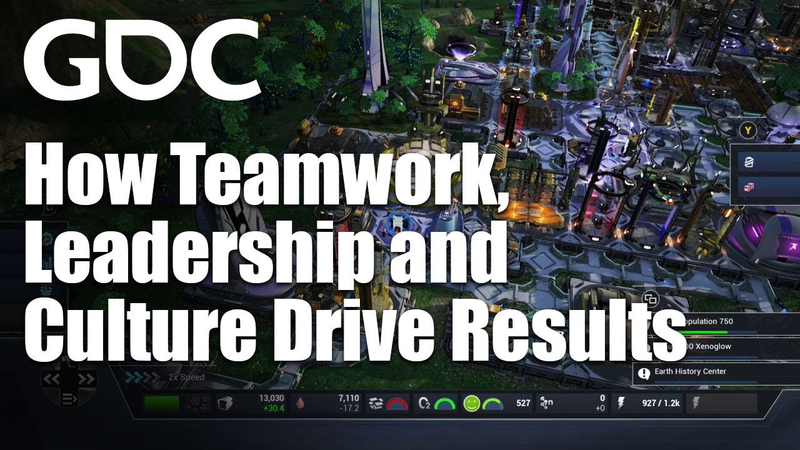
The Game Outcomes Project: How Teamwork, Leadership and Culture Drive Results
The Game Outcomes Project establishes a statistical framework for understanding the drivers of success in game development by analyzing 273 projects across the global industry.
- Internal team dynamics, leadership quality, and intentional culture design account for over 85% of the variance between high-performing and low-performing game projects.
- Traditional production methodologies, such as Agile or Waterfall, and standard financial incentives show no statistically significant correlation with project success.
- Mandatory overtime, or crunch, is not a driver of quality and is strongly associated with poor project results, often acting as a reactive symptom of failure.
How I Destroyed My Anxiety For Good
The primary thesis of this account is that consistent, high-intensity physical exercise—specifically weightlifting—serves as a highly effective, non-pharmaceutical intervention for managing and eliminating chronic anxiety.
- High-intensity weightlifting serves as a primary, non-pharmaceutical intervention for managing chronic anxiety in sedentary, high-pressure creative professions.
- Physical exertion triggers the release of endorphins, providing mental clarity and a sense of power that the author finds superior to the dulling effects of traditional anxiety medication.
- Developing physical fitness provides a stable sense of control and self-worth that acts as an emotional anchor during periods of professional or personal instability.

How to Build a Remote Team for Better Happiness
Building a high-performing remote organization requires a fundamental shift from monitoring employee hours to prioritizing measurable output and individual impact.
- Shift management focus from monitoring employee hours to prioritizing measurable output and individual impact to drive high performance.
- Implement a rigorous recruitment process that includes a mandatory two-day trial project to evaluate both technical proficiency and the self-discipline required for autonomous work.
- Adopt a 'default-public' communication strategy where all information is searchable and accessible to the entire organization to prevent information silos.

How to Rig a Human: Joint Health and Mobility for Developers
Software development is characterized by a sedentary lifestyle that frequently results in chronic physical degradation, with 80 percent of developers reporting back pain and nearly half suffering from persistent neck discomfort.
- Chronic physical degradation is widespread in software development, with 80 percent of developers reporting back pain and nearly 50 percent suffering from persistent neck discomfort.
- The human body functions as a tensegrity structure where bones rely on muscle and fascia tension; prolonged sitting causes these tissues to lose elasticity, leading to compensatory movement patterns and injury.
- Developers should implement a 14-point physical inspection and maintain tall neutral alignment to identify and address movement restrictions before they develop into chronic pain.
PlayJob Podcast #2: Zhenghua Yang
The modern independent game development landscape is undergoing a fundamental transformation, moving away from traditional definitions of scale toward a model defined by team culture, funding autonomy, and creative intent.
- Serenity Forge maintains creative autonomy and a horizontal, trust-based organizational structure by eschewing external investors in favor of a hybrid business model that balances client work with independent projects.
- The modern independent game industry is shifting away from the 'starving artist' model toward professional, high-quality operational standards that allow small teams to compete with larger entities in a crowded market.
- Developers are increasingly viewing games as vehicles for social responsibility and emotional communication, prioritizing the creation of meaningful content that shapes the values of future generations.

College E-Sports - Road to Glory? - Extra Credits
The emergence of collegiate esports scholarships represents a significant shift in the gaming landscape, offering potential benefits alongside substantial structural risks.
- Collegiate esports programs often demand over 40 hours of training per week, creating a significant risk that competitive commitments will compromise academic performance and educational outcomes.
- Many institutions are utilizing esports programs primarily as marketing tools to drive enrollment, frequently diverting funding from core academic departments like computer science and game design.
- The rapid obsolescence of specific game titles creates a structural risk where a student's four-year training regimen may become irrelevant if the game loses its competitive status before graduation.
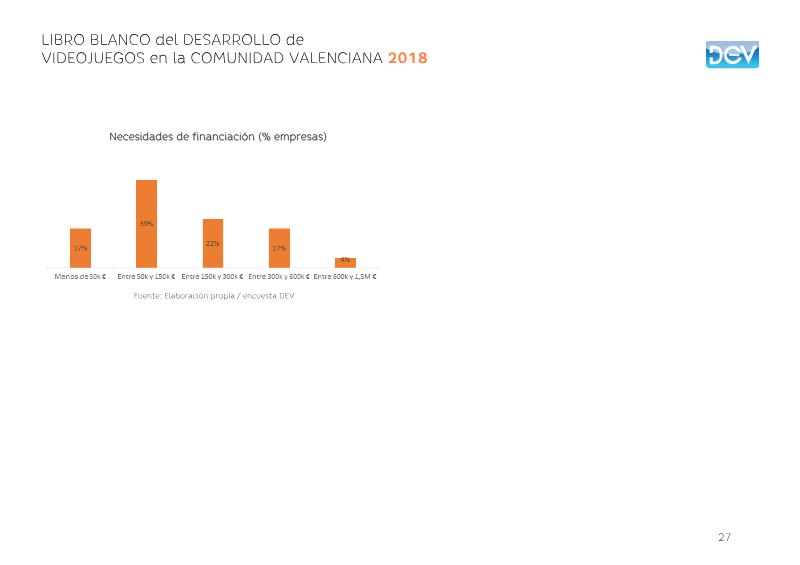


Libro Blanco del Desarrollo de Videojuegos en la Comunidad Valenciana 2018
The video game industry in the Valencian Community represents a burgeoning, highly internationalized sector characterized by a young, creative ecosystem.
- As of 2017, the Valencian video game industry comprised 90 studios—60 established and 30 emerging—generating 10.1 million euros in revenue and employing 466 professionals.
- The sector is in a transition phase, aiming to double its annual revenue to 20 million euros by 2020 by scaling from experimental micro-enterprises into a globally competitive market.
- Structural growth is hindered by a reliance on self-financing and founder capital, necessitating a shift toward professional business management and increased access to private investment.
You're Not Broken: Finding Your Creative Way Through Difficult Times
Severe personal trauma, including illness and significant life loss, fundamentally alters cognitive function, often inducing a state of trauma brain that mimics the impairments associated with medical conditions like chemo brain.
- Severe trauma induces a physiological 'trauma brain' state that mimics medical cognitive impairments, leading to decision paralysis and an inability to perform creative work.
- Creative capacity is not permanently lost during periods of high stress but is temporarily obstructed by the brain’s survival-focused response.
- Restoring creative function requires prioritizing physiological foundations, specifically sleep, social connection, and environmental stability.

Killer Portfolio or Portfolio Killer 2018: Advice from Industry Artists
The primary objective for aspiring game artists is to curate a portfolio that prioritizes exceptional quality over volume.
- Prioritize exceptional quality over volume by showcasing original work that highlights a specific specialization rather than mimicking industry trends.
- Demonstrate technical proficiency directly within game engines to prove an ability to function within a production pipeline, prioritizing mastery of core concepts like physically based rendering and real-time shaders over specific software packages.
- Tailor portfolios to specific roles, as recruiters prioritize candidates who demonstrate a distinct artistic voice and the ability to solve complex technical problems.