1 free read left. Create a free account for unlimited reading + AI research.
Create free account
3 Lies About Being An Indie Game Dev
Key insights
6 takeaways- 01Indie developers must allocate 40% to 50% of their total working time to marketing, audience building, and content creation to remain competitive in a saturated market.
- 02Because marketing budgets are typically limited, developers must leverage their personal presence and time to gain visibility in an overcrowded digital marketplace.
- 03Relying exclusively on the sales of a single game after years of development is a high-risk strategy that frequently results in financial instability.
- 04Sustainable indie development requires transitioning from a hobbyist mindset to a business model that integrates diverse revenue streams throughout the entire development cycle.
- 05Developers should monetize the development process itself using platforms like Patreon, YouTube, and Kickstarter rather than waiting for a final product launch to generate income.
- 06Long-term viability in the industry depends on balancing technical game design and programming with proactive creative business management.
Ask AI about this video
Transcript
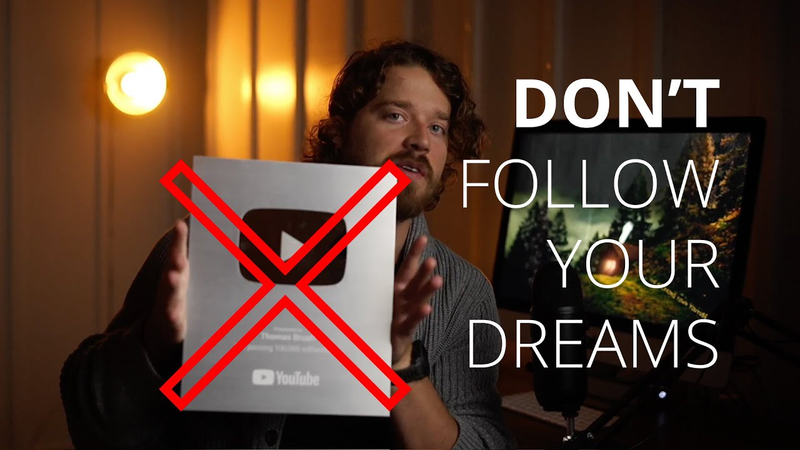
so I am pretty worn out today I don't know why I think I'm just the I feel a little bit sick and I'm tired and I kind of wanted to talk to you about maybe some some lies about the game career it seems really cool and really glamorous I saw this Barbie someone sent me a image of a Barbie it was called like the game deaf Barbie and she looks so trendy and so cool but the truth is is a it can be kind of like a normal job a lot of times so let's talk about three lies about the game development industry [Music] so my name is Thomas brush and I'm working from this creepy almost pitch-black basement and I'm sorry that it's almost pitch black I've been recording videos trying to get a good take and I keep screwing it up so I'm just gonna go for it here and the Sun is setting so sorry that it's dark and that
kind of ties in and why my first lie about game development the first lie is that like all you do is make games right that's actually not true especially in the indie game industry I spend maybe 40% or 50% of my time marketing building an online presence building an audience I mean this is kind of building an audience right here so things take time to actually get your game out in front of people things are really really competitive in the game industry especially the indie game industry because I don't really have a huge budget for marketing all I have is some time and so I'm gonna use that time as best as I can to try and compete with other indie games and unfortunately that's just the nature of the market right now it's incredibly flooded so you got to be creative with how you're marketing yourself and marketing your game and hopefully one day selling your game so that's really the first slide right you don't just spend time having
fun making games you spend time sitting in front of a camera trying to get your vlog to be perfect and in reality this is my thirtieth take and I just don't care anymore so the second lie with indie game development and specifically indie game development is that you can get rich and I know obviously there's plenty of indie game developers who are getting rich but for the most part most any developers are are kind of scraping by I know for me we're doing well like me and my wife are doing well and and we're happy and I can pay the bills and I can I have a daughter and we had a mortgage we sold our house but we're gonna about to have another mortgage in a couple of months so we have bills to pay and it's working for us but I am not living on a yacht and I'm not a millionaire this might sound really ignorant but when I was 18 years old when I saw I think I was 18 or 19 years old when I saw that indie documentary in the game documentary I think deep down I I
kind of believed that I could make millions so indie game devs need to realize that they're not gonna make a million bucks but here's another lie and this is the third lie indie game devs do not have to be poor okay so a lot of indie game devs try and I mean you kind of see this in a lot of memes that come out about indie game development they try to justify being poor and not necessarily selling a lot of a lot of copies of their games but I think the truth is is we need to be sure to remember that if you want to be successful in this industry you can't just sell copies of your games especially if you're spent spending three to four years making a game and then hoping to god praying to the heavens that you're gonna make a million bucks or even thirty thousand bucks or forty thousand bucks you've really got to somehow find residual income while producing your games so there's a lot of different ways to do it and I've actually made a video about this and some other vloggers
including Tim Russ wick have made videos about how to make money as an indie developer it's not just selling games and I think that's really what the lie is it's not just about selling games maybe in 2005 to 2010 that was true sell your games make millions or just make 30,000 bucks to pay for the next game right but I think right now the what how competitive the indie game industry is I think we got to find other ways to make money there's so many games to compete with so we got to figure out creative ways to make money and that's actually really fun that's actually my favorite part of any game development and that is coming up with ideas to ensure excuse me coming up with ideas to ensure that we can make games and get residual income to make those games so there's plenty of opportunities out there and you guys know I promote my patreon there's patreon there's YouTube there's Kickstarter there's a whole plethora of options out there to actually sell sell
your game in pieces in in maybe every week try and bring in some residual income to ensure that you can build your game and sell it so don't lie to yourself and tell you that you have to make no money for three years while you're working on your game and then sell it and hope you make money so again my name is Thomas brush I do daily vlogs about game development they're not usually this creepy and this dark but the Sun setting and I got to get out of the office it's almost five o'clock here and I'm gonna head home pay the bills take care of my daughter and hang out my wife thanks again guys see you later bye
Summary
The independent game development industry is often romanticized as a glamorous pursuit, but the reality involves significant professional challenges that contradict common misconceptions. The primary objective of an indie developer is to transition from a hobbyist mindset to a sustainable business model. This requires navigating a highly saturated market where success is rarely guaranteed by game sales alone.
A major misconception is that the profession consists primarily of game design and programming. In practice, developers must dedicate approximately 40% to 50% of their time to marketing, audience building, and content creation to remain competitive. Because marketing budgets are typically limited, developers must leverage their time and personal presence to gain visibility in an overcrowded digital marketplace.
Financial stability is another area where expectations often clash with reality. While the potential for high earnings exists, most independent developers do not achieve overnight wealth. Relying solely on the release of a single game after years of development is a high-risk strategy that frequently leads to financial instability. To mitigate this, developers must move beyond the traditional model of selling individual game copies.
Sustainable success requires the integration of diverse revenue streams to provide residual income throughout the development cycle. Platforms such as Patreon, YouTube, and Kickstarter offer opportunities to monetize the development process itself, rather than waiting for a final product launch. By diversifying income, developers can avoid the trap of prolonged periods of poverty, ensuring they can continue to fund their projects while maintaining a viable career. Ultimately, the industry demands a shift toward creative business management alongside technical development to ensure long-term viability.















Comments