1 free read left. Create a free account for unlimited reading + AI research.
Create free account
Boosting Your On-stream and In-game Engagement and Retention
Key insights
6 takeaways- 01Watch time serves as a strong proxy for play time, with data showing a correlation between the two ranging from 40% to 90% depending on the implementation of interactive elements.
- 02The industry is shifting away from generic, one-size-fits-all daily tasks toward dynamic, community-driven ecosystems that allow users to define their own challenges.
- 03A case study of Ubisoft’s Rainbow Six: Siege (2018–2019) demonstrated that this methodology increased concurrent viewership for smaller streamers and improved key performance indicators without requiring core code modifications.
- 04Integrating real-time game data with streaming platforms can increase player retention by transforming passive viewers into active participants through interactive overlays.
- 05Deploying overlays that track in-game events—such as kills or objective completions—to issue challenges and rewards directly to viewers significantly increases session lengths.
- 06Personalizing incentives based on player psychology is essential for overcoming engagement fatigue in traditional, static live-ops models.
Ask AI about this video
Transcript
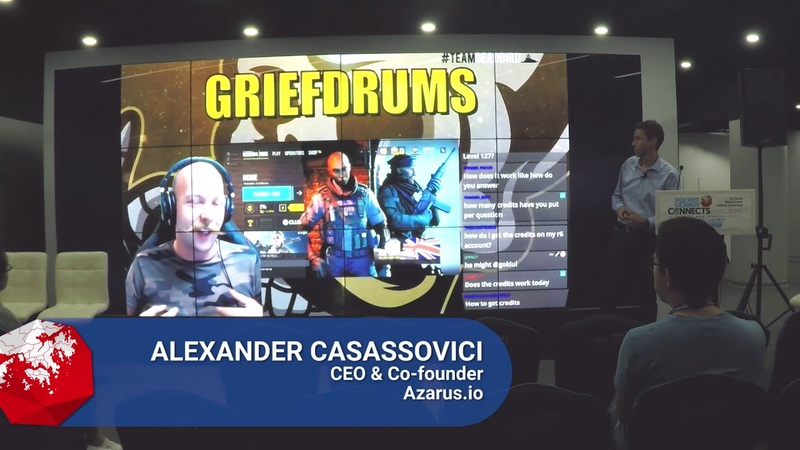
[Music] okay so this is probably dia then that was a little okay that was fast this is the longest title I've ever put on a slide I'll try to still keep the the talk short sweet and funny who in the audience is playing Rainbow six siege why not you have to come back we have some pretty cool stuff so who doesn't know about Rainbow six siege at all I'll give you a quick intro so Rainbow six siege is the top game from Ubisoft it's one of the biggest title it's an eSports title they do pro leagues competition all over the place and it's called a tactical FPS so it's basically
two teams of five completing the assault team or the defense team and defending is a bomb or biohazard container on the hostage that's not my favorite because I keep kidding the hostage which is not a good thing and people hate you so we started the company in 2017 and we were lucky to land Ubisoft and Rainbow six siege as our test subject and we were able to apply Ortiz's to that crazy game and crazy community of players so cheese is basically is that you know about acquisition there is tons of way to acquire people get them to come to you game networks are everywhere you can buy basically people in studying the game playing the game
that that's super well tooled you know everything else is not so Oscar I heard you talked about the live ups live ups is one way how do you get that player to keep playing to come back to go from and to engage and to go from casual to meet code to hardcore laughs have changed the way we make games because it's not static anymore it's alive and changes and evolves we would live ups doesn't agree well it doesn't connect with each individual player and to his own needs and if you look at that it's actually turn a very different reason why people play games some wants to create connections and keep playing with the same person's some wants to just finish all the tasks that you give them because that's how they are some wants just like to snack on content and to snack on gameplay so
there's a ton of different way to play the games and live ups what Jesus was about is live ups is awesome three one track it's like we're doing one thing so everybody it's really hard to go and be creative and really relate to that diversity of profiles the other thing that was really exciting for us is how twitch and streaming has changed games if you look at Rainbow six siege it's an eSports title but it's also one of the top game on twitch because it's really awesome suspend liked it's an awesome show if you watch a Rainbow six game online so good like there's a lot going on matches are really short three five minutes it goes on and on and on and and you know one thing that's really changed over the past few years that not just you beasts of everybody in the industry whose the way like looking at
that phenomenon now consider watch time as play time so it's not just like I have eyeballs watching the game know this counts as just the same as if you were starting a game client playing full night for watching full night same thing playing Rainbow six siege watching Rainbow six siege same thing there's a study that's a little blurry here Alfred if that shows basically the correlation between watch time and play time and you're basically range between somewhere like low 40s to up eighty percent that correlates if you watch you will play and so it's the same thing any interaction with gameplay whether you hold the controller look at some watch someone do it for you that's play time engagement and retention as I said he's a key a key component it's very cool to get users through the dough a player through the door it doesn't matter if he
doesn't stick around playing on a regular basis create those connections and engage with the community Oscar said it really well earlier there's a fatigue when you come to challenges if you look at challenges and company does it EA does it everyone has changes in their games that change on a weekly basis those changes are awesome but a very linear they would say why do I care about today making a shot with that operator who knows someone decided that somewhere doesn't really relate to what I need to do on my person position in that funnel of engagement it's just like this is the daily change okay do I care about it Yes No maybe content it's obviously awesome treat new content like if you played rainbow they made rainbows magic the basic risk in the
whole area and made life a week this draws people in for sure but super expensive so we're looking at different ways art of making happen and what we built basically is on top of existing games where we use the data from the game so we actually know when you make the skills when you win a game lose the game make a hot shot or the data we use the data to operate a layer of challenges where you can decide the rules the stakes and the rewards and what's very interesting here is that we make it super personal it's done it's not something for the same thing for everybody you can make it as granular and as targeted as you want and even better you can make P players define their own challenges and figure out how they want to play the games that they love to read about a little beady-eyed er the question upside down a
creating another layer that does not require any change in the game and the way that you interact with that we have multiple ways but here the first one is the extension on Twitch that connects to the game that's being streamed that explains that asks question but what's happening in that game we also have PvP challenges that allow player to just define how they want to play with one another this is me player like I didn't remember I lost that one actually like painfully but the gadget destroy and that the worst one was many kills for that anyways so PvP challenges you set up you look at a few metrics and decide what winning or losing means and become many fashions let me show you first how it's all started on Rainbow six siege and that was in September last year when we started working with three small streamers who had selected by Ubisoft and we're streaming Rainbow six siege on a regular basis in the UK
and after each match you will get the opportunity to answer a question based on that last match how many times did I die how many I don't know how many cameras did I destroy so once that question pops up you will then get a choice of four answers if you get that answer correct the number of tokens that I have set on my end within if this trip you did between all of the winners of that they've run the credit right once you accrue five points in total you will be able to go to the Azeris website you'll be able to unlock a code for 600 Rainbow six credits that is how it works so what's very interesting here is like six hundred rebels six credits that's five bucks people were watching actively over 20 hours of streaming to get those credits and when I say activity that means that they were actually paying
attention because some of the questions where heart is like how many rounds were fired so if you know the gun the speed of the atom on the key like you can try to figure out the branch it's actually really you have to pay a ton of attention and supposed to drop so you just have to string camp here you actually have the audience watching paying attention for 20 hours to get 5 bucks of rewards and they loved it they were so excited to get this credit since we that simple idea of an incentive loop giving an objective gamifying it and giving a reward extremely powerful that guy was doing 20 concurrent viewers when he started streaming with others on Rainbow six siege a week later he was the biggest stream on Twitch and Rainbow six siege was over 10,000 concurrent viewers they were just flooded his dream and the level of engagement like pretty much every KPI he had went up double
triple digits and now he's a partner at which which very good for him like awesome guy great potential didn't have the numbers but creating that engagement layer really helped out and so since that day we've increased how we use others to basically work on community building engagement and resurrection of players influencer management how do we had those guys basically grow in the streaming of Rainbow six siege and online video to game which is very interesting like how do you get viewers who are watching the game how to push them back into the game into been playing and all those things were achieved using the same platform with others without changing a single line of code to the game and that's something pretty unique we were able to basically give a tool to the marketing team at ubisoft to put them in charge and create tus campaign and do that
market was marketing campaigns in a fully automated way without the support of the production and if you look at big habits that Cuba's are this is huge because production they have like nine months of backlog and you can ask them something it may not happen probably will not happen so really quickly few numbers that I was able to put together without putting too many like proper information in it which are you be so may not be happy with but just showing a little bit the level of engagement and retention on the streams ninety percent of the users who are watching another stream would return within the next 10 days but crazy engagement on stream usually people's we snack and especially if you look at the other type of streams that we were targeting with small influence small creators they don't have that level of
an audience but using that people who just learned that do streams let me play and interact with the streamer this is awesome a few weeks later we actually allowed the viewers to set an objective to the streamer containing hey if you do ten head shot on the next match I'll send you back some credits and that was awesome like the number of discussion on the streams and the fact that as a viewer not just a passive couch potato watching a game now much involved in what's going on in that stream so I created a crazy interaction the other thing that was really is we were able to compare the time on stream on the pro-league so this is the French Pro League of Rainbow six siege through a life of your a fuse like the end of the previous season the current season this is and remove the scale intentionally sorry about that this is the time spent on stream for
users who cannot see the others extension whether your Xbox a fire TV - you limitation and do that the one who can see it Cinci people are just massively staying and those trims last for four hours so on average what that means my people would say preview for match or a bit of match but with the others extension and question of the stream question about who is going to win the next game who won the previous one who we make first blood which weapon was used to keep angle on the previous game those kind of questions just create interest intensity and just much with people to stay longer on the stream the other thing we were able to measure is that correlation between watch time and plate and so if you recall the industry standard is something and something between 40 and 80 percent we are almost a 90 percent correlation here that means that we get people to spend more time
watching getting so engaged that they go even more than the best of the industry back into the game playing the other thing that we were able to do is to force a little bit that conversion and that's a really cool idea that we implemented and that worked out is that during the game we would ask players hey you've been watching that stream for an hour you know what go play the game three days in a row four days in a row five two zero six days in a row and we'll give you some credits for that and what's phenomenal is that we increased cannot tell you about how much we increased by node of max engine the number of days played in a week like that simple mechanic so basically from a stream leveraging on that investment that UV surf is doing on Rainbow six siege on making eSports and making a broadcast that turns into play time if you all know how game works great time
that's a TV direct correlation more hours played more money in the bank so that's pretty that's has been a very impressive result and in case you're wondering it's not just people showing up once playing a game just to tick that box it they're meaningfully playing and that's the number of games they play per week you can see that this is not just one session these full day's play days that are being delivered on the platform because we were funding those users and the user liked the game because they're watching broadcasts it's it's pretty makes a ton of sense being able to create those incentives on stream that he was played at a time rush was going on the evolution hi a few things that are really important everything here that I've shown it works because we create incentive loops and those incentive loops only work with proper incentives shocker so we tried a few and what we
found is that as we were designing these experiences and three experiences like how do I get people to spend more time on stream what are the right questions what are the right population how do i target it's also important to understand what are the right incentives for the right population on some streams getting super hardcore players they want booster packs booster packs actually something that you use to increase your leveling up they expire and something that those guys loved the most in other case rainbow six credits were actually better match so it's really trading to watch that even on the redemption and the incentive side you have to be highly personalized you have to understand what is a best motivator for you player that achieve the goals of increasing engagement and retention do streams like yes five minutes okay I'm fine what was that finally the last
bit that we're going to be releasing that we started releasing already in that we explaining is allowing players to shape their own their own challenges just because for tonight has decided that winning means being the the making of physical royale doesn't mean that for me and Oscar win for that can be just about like me making more hot shots and you are building the biggest tower or not dying so if you the first one who dies loses I can can so it's really like empowering players to define their own rules and the idea behind that is pretty simple if you look at League of Legends it started at the 5v5 on three lines and just people ended up deciding hey I have 45 minutes or now ahead of me let's make it shorter trivia tree on one line would be the best and they just would agree to that kind of gameplay and if you look at the whole industry the last 20 years of live games world of warcraft and such
people have agreed on how they want to play the game constantly over and over and basically what the platform does is scaling that like you have a twitch fine just write down the rules and make sure that there is no sore-loser everything no one wants to lose even on words that you agreed on like oh let's redo it wasn't like fair you know like so I didn't see that the match started what not that doesn't work another it's like you've set the rules we have the data we click at the contract you win or lose but that's how it's gonna be and there's no no discussion so what my takeaway for you guys here is it's you all have techniques to acquire users there's ton of them out there when you look at engagement and retention it's great to have live ups that's the first step but you really have to think about how do i micro target those audiences whether they come from influences whether they
are topology of psychology of players how do I create a framework that allows me to incentivize to behave behaviors that change the behavior of those audiences in a scalable and automated way that's what we built whether user is or something that's something that you need to talk and think about not each user is the same you have to think about how do you personalize that experience and avoid that change fatigue that Oscar mentioned earlier because I'm definitely taking quite a few games I do not care about the challenges anymore unless I set them I think blows away please so I think your apps it when one thing's for me about this whole process is the more dates we've got the more analysis we've got the more we can look at each cohort with each individual even and try
to make sure we get the best possible experience for them and tools like this just make that a lot easier to do so you know I don't see that being any kind of issue at all but for me I think it's amazing that we can do this kind of stuff nowadays you know ten years ago you just couldn't [Music]
Summary
The presentation explores strategies for enhancing player engagement and retention in live-service games by leveraging streaming platforms and data-driven incentive loops. The core thesis posits that traditional, static live-ops models often fail to address the diverse motivations of individual players, leading to engagement fatigue. By integrating real-time game data with streaming platforms like Twitch, developers can create personalized, automated, and interactive experiences that bridge the gap between watching and playing, ultimately driving higher retention and deeper community involvement.
Key findings indicate that watch time is a strong proxy for play time, with data showing a correlation between the two ranging from 40% to 90% depending on the implementation of interactive elements. By deploying an overlay that tracks in-game events—such as kills, objective completions, or specific tactical maneuvers—developers can issue challenges and rewards directly to viewers. This approach transforms passive spectators into active participants, significantly increasing session lengths and encouraging viewers to return to the game client. In a case study involving Ubisoft’s Rainbow Six: Siege, this methodology successfully increased concurrent viewership for smaller streamers and drove measurable growth in key performance indicators without requiring modifications to the game’s core code.
The scope of this analysis covers the tactical first-person shooter segment within the broader eSports and live-service industry, specifically focusing on the period around 2018 and 2019. The methodology relies on observational data from live streaming campaigns, comparing engagement metrics between users interacting with incentive-based overlays and those who do not. The analysis concludes that the future of player retention lies in empowering users to define their own challenges and personalizing incentives based on player psychology, thereby moving away from generic, one-size-fits-all daily tasks toward a more dynamic and community-driven ecosystem.















Comments