1 free read left. Create a free account for unlimited reading + AI research.
Create free account
Putting players first in Live Ops
Key insights
7 takeaways- 01Player engagement is driven by psychological factors including competence, social capital, and the fear of missing out, which must be leveraged through targeted, data-backed content delivery.
- 02Developers should implement a predictable cadence of daily, weekly, and monthly content updates to maintain game freshness while carefully managing player fatigue.
- 03Server-side configuration is essential for operational agility, allowing teams to adjust game parameters, events, and promotions in real-time without requiring constant code deployments.
- 04Data-driven player segmentation by life stage and attribution is necessary to ensure promotional offers are effective and do not cannibalize long-term revenue.
- 05LiveOps transforms games into service-oriented models that replace the traditional post-launch revenue decline with a virtuous cycle of continuous engagement and gradual growth.
- 06Successful LiveOps pipelines require a balanced resource allocation strategy divided into three core areas: new feature development, retention-focused improvements, and the systematic reduction of technical debt.
- 07LiveOps flexibility must be architected from the project's inception, integrating community management as a critical bridge between development teams and the player base.
Ask AI about this video
Transcript
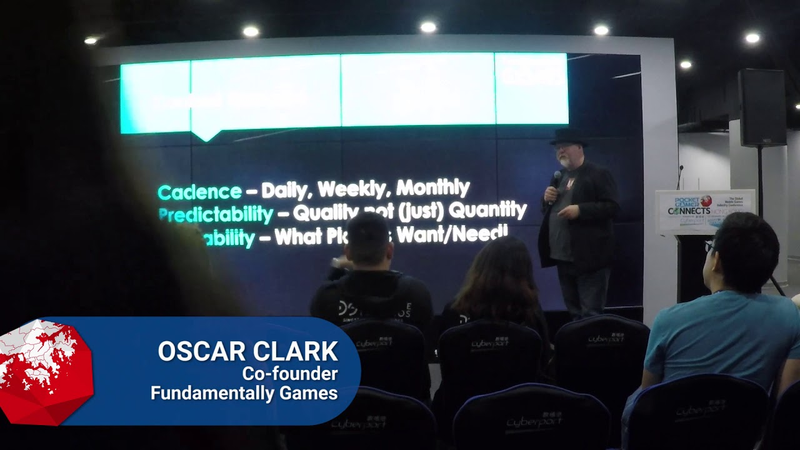
[Music] so I'm gonna try and talk to you a little bit about the practicalities of what life actually means from the point of view of someone who owns the product I've been involved with running games for about 21 years many people in the world have been doing online gaming for 21 years but I'm one of them so I run a lot of online gaming services and backends and hopefully my slides will appear so so Boulton an online gaming service called wire play which was back in the days of dial-up modems I was involved with running an online gaming service for mobiles couple three I believe you have three here in Hong Kong so Hutchison Whampoa owned a number of
companies round the world I was the global leader games first my own power at the time I designed the games backend in the era of Java mobile games and then I later work with Playstation on PlayStation Home a virtual world which is the first free-to-play console experience back in 2008 before we had free to play on most mobiles which is interesting so I've been doing this a long time I've been balded consulting on lots of different projects and I'm gonna try and share what I've learned throughout that period so you may have seen this earlier if you hear earlier why do we play competence completion control and skate and social capital these things are the cover reasons the motivators and why we pay is down to the same mindset fear of missing our anticipation I sometimes call this opportunity cost but fear of missing out is quite a nice one abnegation of so putting things aside so understanding what motivates people to actually spend money why they spend time with you is the first part because of lack of time I'm going to drive straight through he says let's look at product versus service now these are not real numbers I've just
made these up but they're not untypical of what I've seen historically so particular if you look here a product typically will have quite a high peak because it's got high value but because it doesn't have retained elements no ongoing live operations it Falls of a cliff and then you get this love low longtail kind of level of revenue but if you have a service you tend to start with a minimum bar so that's why doesn't tend to get quite so high on the first type it drops sometimes it drops quite low nearly as low a game that is a product if you've got it right you'll see an ongoing gradual growth that follows from that point why live operations so another reason why that's interesting sort of get your head round is to look at the Gartner hype curve those of you were with us earlier and so we talked about monetization would have seen this graphic already essentially we
look at the height the curve how people have to have a certain of anticipation to engage with any game whether it's a barrier to purchase or if it's just having enough hard disk space on your phone there's always a reason why you're gonna have to make a choice so why would they choose your game but once you've got that and dissipating over that point the first experience we have with the game is always the worst because we don't know the controls we don't have it's in our daily routine with 70 other games out there it's gonna be a terrible experience unless we're really really careful with our onboarding so we have this process of discovery where people get excited a process of learning where people decide whether it fits with them or not process of engaging where they start to actually realize this is the right game for them and then hopefully we can super engage them and get them spend lots of money but also engage more in bring more players into the experience and then re-engage them before they churn and then finally they leave a normal cycle did you notice how close it was to the design of the chart we see a data that's
what I realized that games the service is about player experience so that's literally the data I saw when I was running services I think is a funnel but imagine tip the funnel over you know what funnel analysis I'm assuming so I like funnels you think about discovery generally we're talking about lots lots of people discovery gets less than learning and then less of engaging eventually we get the super engaging guys but what's interesting so she does have you've done growth hacking full understand when you have somebody activated we move them from discovery to engagement that's an active process that you can influence when you take engage people and convert them to spending now spending doesn't if they have to be cash it can also be what watching ads but obviously there's a kind of cycle between get me to spend money to spend time to watch ads the all these are a process but what's also interesting if you have a great game if
you activate your members to get more members and the super engaging guys activate the community the engaged community they provide aspirational reasons to play and if you're not connecting what makes a super fan really cool in your game to how you promote them through the engagement audience you have missed something massive in your experience and also if you haven't thought about how the engaging people get new play quick players in I know the whole Facebook variety is dead but but it's not at the same time it's actually incredibly important word-of-mouth remains the single most important reason for people to come to any game where does word-of-mouth come from engaged happy players so what's all that about I think about live operations as a cycle it's not just about the server's all those servers are important it's about a circle knowing how user acquisition
turns into player engagement our player engagement is supported and fed by content and feature updates now that is in turn fed by events and promotions and community builds and grows out of that gets to taking that information taking those updates and that gives you more things to share in your campaign development which you can then lead into your user acquisition we get it right it's a virtuous circle and grows like a snowball falling down a mountain so let's try and break that down a bit what do we mean by player engagement well if you have more players that's great but if you have more players doing more things and more players doing more things more often and more people doing more things more often for longer that's what scale is really about it's not just about spending more money getting more people it's keeping them doing more things more often so how do we do that well this thing about contour Elise is I think practically what does that mean content by which I mean not
the things that are functional about the gameplay but the things that char maybe cosmetics in some cases maybe about gameplay in the sense of flavor and not necessarily new features but maybe a new episode maybe a new story not necessarily a new way to play now how often does that happen but some games are going to want to do things daily some are going to want to do things weekly something had can't and they'll end up doing things monthly I'll give you a little lesson though what I found by running a mobile Java game service is if I updated it every week guess how often people came back every week when I change it so they like I updated every day against often they came back every day and when I made it so I updated the site every four hours kids how often I came back every four hours
now think about what that means right now you're not going to be eight no one no one can actually update their game every four hours be crazy we have service we can schedule things we can work out what the right cadence is for our audience how frequently we want to do update but also we can add different kinds of updates some of them will be daily challenges no rule changes no gameplay changes just a different score or play this level who gets a high school table this day with these rules that's configuration that's an event but that's also something we can do every day something we could do every four hours but then we might want to have here is an object we're going to give you availability we'll give you a increased amount of drop of of loot crate's or drop of energy crystals or whatever it might be okay that's
something we can do show George that can be weekly maybe we can actually release new images new assets new variations but we could maybe package them on a monthly basis so understanding not just how often you do things but what you can do them but the key thing here is actually its reliability quality of the experience is great quantity is okay but reliability isn't so important but also desirability there is no point having daily challenges that no one cares about because they don't go back if they don't come back guess what we don't do them we do something else that they do come back for but that idea of being able to think about things as systems and pipe planning things as well as part of that and the same thing happens with feature it releases actually understanding how we can create features now when I look at feature pipelines I'm
not gonna have unnecessary it maybe take me three months to release the feature about coding needed but I might try to break down what I've released the feature when I actually make it available I may not make a new feature available when it's finished I'm a stager elements of it so I can create events around that all content releases around that that support the experience so the key thing about when I get the development team to work I'm thinking first of one third of the of the code we get to work on in that period is anticipation items we just called intent Power laces because the tentpole holds everything else up so we used to have something we could communicate in every release we had retention features particularly folks around the user experience so about another third of the of the process and the last third was always code debt always make sure that some part of your feature releases fixes problems because
you're losing users when you've got code debt so always make sure that when you're planning you have a pipeline of ongoing content releases and typically we were using a three month fee some people do quicker than that I think three month is quite good because you can do good big features whereas I think content needs to be released weekly generally but it's also just were thinking about how you split it up to make sure you've got something to release what's communicated or every month events now it is the bread and butter of live operations this is the core of it again we're back to scheduled we were predictability I am gonna say predictability probably every slide because it's the most profound thing about what makes LiveOps work if you know that you're going to get something cool happening next week guess what you hang around till next week because if you don't tell people there's stuff coming and you're not trustworthy that
you deliver that stuff waiting for that stuff is going to take too long guess what we do something else instead understand now how much of your scheduling can you do on the server seriously I mean how much of your like can your live team change if you've got a setting like the guys are talking about earlier whether it's you know extra life or chilly connect or play fab or game sports whatever I've used to these things all of these things can have configurations to your games that if you expose elements of that to your live ops team if you can plan and schedule if you can have a process that allows your live Ops guys to propose what the next week feature is going to be have that signed off and if there are any code changes or or any configuration changes needy or if there's any assets like a gift just to promote it or a message within the game that cannot be scheduled and processed systemically and
scheduled in a dance you take away all the pain it becomes manageable and scalable but also you've got to think about when you do an event - people care how does it contribute to your retention and it's interesting how if you think about events a lot of them are focused in love games are focused on getting people to use their consumable goods that they've earned through Play it's get sink to sink away you know value actually that can be very fatiguing for players especially if it's just the same thing every time so be very careful about creating too much fatigue by having too much activity that's just boring and the same thing there's got to be interesting it's got to be desirable it's got to keep people feeling in the game is fresh promotions kind of where we make money out of those
activities that we're trying to do because we give people offers we give people the opportunity to decide yes I don't want to miss out on this great deal there's a bundle there's a special thing there's a new item that's never gonna be available over again and one of my favorite examples of this was the way subway surfers take you around cities as part of their events but the items the promotional part that is the assets that are only available in that city during the month that they're in that city then makes them feel rare valuable and it gives you a history of how long you've been playing the game because you're gonna look back at all the assets you've got and you can show off to other people who weren't there in Rome when we will be doing subway surfer in 94 whatever you know it's like it's really powerful stuff you've got to think about desirability but the desirability will be different for each life state so however you break up analysis your data of your players
think about their life stage as well as their source on attribution all these other facets and realize that he'll have different needs so your promotions have to be carefully measured to appeal not just to a broad audience but to specific targeted audiences as well to really think there's got to be texture and interest and desirability and measure what is the contribution of the Fe put in creating those events and promotions to the return on investment because if you're putting a lot of time and effort and work and you're not getting an increase in revenue what are you doing my favorite thing in what favorite lesson was also the worst lesson I learned I did a sale for mobile games back in 2004 where I did a buy everything as 1/3 off and we had three times the revenue in the month we had the third off sale and
then for the next three months we got nothing we basically ended up net after three months lifetime for our audience the sale delivered a zero return on investment because although people bought excitedly at the point where the sale was on they didn't buy for the next two months completely negating the value of it so by targeting the sales later I ended up with basically product lifestyle pricing so we had games specific games that would be reduced over time and that reliability that predictability gave me the value so return on investment measure it understand it understand why it works but also interestingly back to events events can be syncs that encourage people to then go and spend on the promotion so if I've got an energy crystal and the particular event I've got gives me a need to spend that energy
crystal but as a special offer for that but there's a cycle there that can be really powerful so you also have to be careful you don't screw up the other way where they're getting lots of payouts the other thing that they should be buying you've kind of got something wrong there anyway so thing about promotions really powerful community authentic your community has to be authentic as the crux of it they are the living embodiment of your audience and you have to trust that you have to embrace that they should also be champions for the team amongst their audience as much as they are for the players in your team and closer and more integrated they are with the wider team the better now I think that social media folks and community folks should be not necessarily the same but at least deeply connected sat next to each other ideally but ideally you know that the point for me is community allow us to communicate the events and promotions that coming up in a way that's authentic and valuable
but as long as they have a voice where they are putting the players interest first because if we're not putting the players interest first as the game experience the players won't care we won't get the revenue we get from putting promotions out we won't get engaged we want from events because we're not authentic so keep your community close and embrace them and trust them problem management now I suppose this is a bit where the network actually matters if you don't think about this this is going to cause you issues put management for me is a two-fold some of it is about moderation so anyone heard of the phrase TTP it's basically when people start drawing naughty things on screens you can imagine what the acronym stands for but we literally it's a phrase we used in every big company I've worked with because it is the first people draw penises immediately they can they will
find the most amazing things that you would not think possible and make you know rude pictures out of them so you don't know how you deal with that it's going to happen you need to deal with that risk proper management you also got to know that someone's gonna try and bring your server down someone is gonna try and hack you communication system someone's gonna try and break your networks I'm going to put a man in the middle attack how are you gonna do it who's gonna get called at 3:00 a.m. when the service goes down you don't have to do that yourself there are companies out there for you they have algorithms that mount make sure that your game will stay up or they will find the problem within 15 minutes that's a powerful stuff and it's a cost to you if you don't do it think how much money is being lost in your game if the server's been down for an hour a day I left Sony before it happened but they had their servers attacked and they went down for like a month Sony I mean back one operations are
important so key thing in here is triaging so when you're looking at your network triage put the player experience first learn think about continuous protests improvement and that is really actually the single most important thing to take away from this always look at what happened try to work out why it happened improve continuous improvement is vital to managing successful games and it's doubly vital for live ops so this is kind of a picture of how I look at it you know you've got this flow this linear flow from release to user acquisition oops just flow here but then you've got this a cloud of activity that has to communicate to and from and to and from each other those enough space to put all the arrows I wanted to put in but you kind of get the idea they all have to work together otherwise you don't have a
lot of operations last kind of thing really it's like practical steps for you to think about to take away when you are making your game think at the start not the end the start how your server design it's going to work what things can you put on the server that the team the live ops team can affect because that's the limit of what you're going to be able to do to correct vents if you think about it the more you can give the live ops team the ability to configure the more ability you have to maximize your live ops pipeline how can you make new content new features systematically and separate the release of your of your content on your features from the point where the players first access them we want to have machines of just constantly churning churning new outfits new content new goods new treasures new weapons new things junked atom move move
move move move and we want to make sure that when they are available the live ops team you know okay we're gonna that's that thing there we've just finished we're gonna put that in but I think we finished three weeks ago we doesn't hold off till now because this event is the best time to put it out let the live ops decide when the players access the experience because they can then make the most of it and framework you know think about how you can be creative within a set of tools because you don't have to build everything at once no joy about live ops is you never have to surrender a feature because it can always be introduced later but think creatively within what you can deliver your Minimum Viable Product and grow and use the data to inform your pipeline of new content and new features because you've got information about what players actually want and if you're bled
by your community then you'll be led by what players want and that is where you'll get satisfaction for players [Applause] going to moderate myself now and see how much time I've got left he says not so I probably only got out two minutes we're running ten minutes late by the way so does anyone have any questions I can literally be asked on any subject I probably have an opinion on everything to a game development but it looks like I'm frightening you with my hat don't be fried it's a friendly hat in that case if no one's going to ask me anything it was either a terrible talk or I just gave you too much to think about I'm going to assume the latter [Music]
Summary
Live operations (LiveOps) in the gaming industry function as a service-oriented model designed to prioritize the player experience through continuous engagement and content delivery. Unlike traditional product-based games that experience a sharp decline in revenue after launch, a service-based approach utilizes ongoing updates to foster gradual growth. The core thesis is that LiveOps should be viewed as a virtuous cycle where user acquisition, player engagement, and content updates reinforce one another to create a sustainable, scalable ecosystem.
Key findings emphasize that player motivation is driven by factors such as competence, social capital, and the fear of missing out. To maintain engagement, developers must establish a predictable cadence of content and feature releases. Reliability and desirability are paramount; daily, weekly, and monthly updates should be configured to keep the game feeling fresh without causing player fatigue. A successful pipeline typically allocates resources into three categories: new features, retention-focused improvements, and the systematic reduction of technical debt.
Methodologically, the approach relies on server-side configuration, which allows LiveOps teams to adjust game parameters, events, and promotions without requiring constant code deployments. Data analysis is essential for segmenting players by life stage and attribution, ensuring that promotional offers are targeted and do not cannibalize future revenue. Furthermore, community management is identified as a critical, authentic bridge between the development team and the player base. The document concludes that LiveOps is a process of continuous improvement, where server design and feature pipelines are planned from the project's inception to ensure the flexibility needed to respond to player behavior and maintain long-term retention.













Comments