1 free read left. Create a free account for unlimited reading + AI research.
Create free account
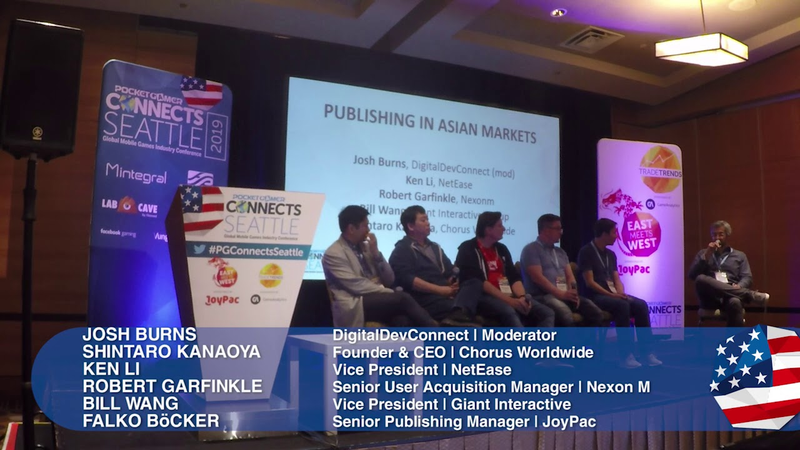
Publishing in Asian Markets
Key insights
7 takeaways- 01Successful entry into the Chinese market requires high-quality production, and for mobile developers, leveraging established IP is a critical strategy to secure free traffic.
- 02Bringing Asian titles to Western markets requires extensive due diligence, with a localization and user experience vetting process that can take six months to a year to complete.
- 03Hyper-casual games are gaining significant traction in China, though developers must adapt art styles to local preferences, as Western-style minimalist or abstract designs often underperform compared to character-based content.
- 04Cultural differences in art style can lead to visceral negative reactions in Asian markets, necessitating costly adjustments to character design and voice acting to ensure commercial viability.
- 05The Chinese gaming market is undergoing significant regulatory restructuring, resulting in a reduced number of official game approvals and increased scrutiny from an ethics committee focused on social value, violence, and blood content.
- 06Monetization strategies in China are shifting toward greater transparency, as regulators and consumers demand clearer value propositions for random loot-box mechanics.
- 07The global gaming market is trending toward a multi-platform, multi-device ecosystem where players expect seamless experiences across mobile, PC, and console, prompting major publishers to diversify their portfolios.
Ask AI about this video
Transcript
cool so welcome to the panel we have an extensive crew here so we'll with introductions let's start Shin I'm the same guy I was five minutes ago there might be new people there's probably mostly the same people okay okay fair enough I'm the same guy trying to be new I came from that yes I'm the new guy her file confirms OPEC I'm Robert from Nexon M in the Bay Area hi I'm Bill WA from giant Jan is a publisher developer of PC console mobile games so many people may not have heard company before so I see a few more so gent the company starting to them for as a motivator and publisher coming when I wake up in public at an IC back to 2007
and then even in private in 2015 and now it's a public company in China with about six billion dollar mark HAP yeah over two thousand developers in Shanghai we just started a West Indies office in the Bay Area awesome so my name is Josh work on my own with different companies mostly working with Western developers mobile gaming space helping them better understand the Asian markets and help forge partnerships there so worked a lot of focus there over the last four or five years and obviously a lot has changed over that time so I think we know one of the topics that you know might have been touched already is regulations so obviously this is very focused on Chinese market but very top of mind for folks can I think I'll start with you you know putting aside the specific regulations however how have these regulations impacted the market in terms
of both your company as well as the overall market in China the biggest impact is there are lots of uncertainty right now since the government has some kind of restructure reorganization since last year to be honest it's not 100% finished or settled on yet so let's do something that we are not totally sure and we need to wait and see how things were developed but the actual impact that we can see in the market I will highlight two things one is that the number of games that is getting the approval and official launch energy is definitely much reduced and a lot of medium to smaller size of game company developers or publisher have a lot more
difficult time to struggle with but the a little bit and another aspect of the problem is that to be honest it's not necessary a hundred percent bad things to see because one of the price I of the problem is that there are a lot of games that I would say crappy games or not very serious developers or publisher they are no longer in the industry and some of them to be honest I personally think they shouldn't be there from the beginning so so for people who are still working or making games pouring game service in the industry in the market right now they are very more passionate and more
serious business than before ok excellent and and and obviously there's still a huge opportunity though in China despite the regulation Falco you guys are focused on a specific sort of genre or gameplay experience can you talk about why you guys focus on the area you are and what opportunity do you see sure so one of the reasons why we are dealing mostly with hyper casual casual games in China's that is a segment that you don't see a lot being developed with in the market itself so there and Jin mentioned that earlier it's not really a good idea to think you know that market better than the local developers and start making content for it and we see there a lot of very strong developers and publishers in China that focus on the core market but we feel that there's a gap for a at monetized games over in a purchased monetized games and these hyper casual experiences of which there are plenty in the West
but there are still new when you introduce them to players in China got it and Bill you giant you've been mostly known for focus on like PC console or PC game MMORPG type mobile games but you actually have a huge hit sort of casual game now can you talk about kind of where you see opportunity in the market in terms of the type of games game genres sure well for giant we have how called games like Oh mm RPGs was a huge hit called the potato balls that's transition from Chinese is a casual I all-star game and make close to a couple hundred million dollars a year so we're successful title in China we see in the market the sort of things you need to do to succeed there one quality in every I call the game second if you are mobile developer IP could be impotent you know you can get a lot of free traffic if you have like a Harry
Potter IP or Mario IP so the devil out in the brutal hence market and also if you have a partner that we have a lot there are a lot of publisher looking for Talos but pick the red ones for you for your titles McNally's have had many titles general person titles so in funded the right partner for you and also timing to get market first will be very important I remembered when Korea launched in China three years ago on the same day that another casual hub Kim dong-soo a local developer so panda market very important if you have a good title try to talk to tens publishers as as possible and Trudeau Kim into q4 Garmin Apollo because normally take around six months to nine months to Cal
commerce pool got it and Robert so you guys are you know obviously very global which is fairly unique with presence in in Asia and in the West can you talk about some sort of learnings that you've had from bringing games over from from Korean market or from Asia to the West is that see that is a big opportunity yeah it's a pretty large opportunity but it is something to be very careful about a lot of Asian games are really built for the domestic market be it Korea Japan or China and when you're bringing them over you really have to go through a lot of due diligence and vetting to see if it's going to have real commercial potential we do fairly extended soft launches which is not something that a lot of Asian companies really do we do rather extensive user experience localization as well as a lot of changes in the builds and usually that whole process can take six months to a year just to give it a game to get
it ready for the Western market and then always it's it's kind of hit and miss I would say that in big picture it is very worth it to be as an Asian company to be bringing games over to the west and and being experiencing that but we just released our financials and even with pixel very Studios which is a choices we in the US only accounted for four percent of overall revenue for Nexon as a global entity with the bulk of it being made out of China and dungeon and fighter a PC title got it and shin obviously you know you guys arts you know let's be honest a smaller smaller player and the market in terms of publishing the net sees yeah a little bit but you've finished to find success I mean I know you touched on this a little bit in your previous discussion but can you talk about where you see the opportunity for Western games based on sort of your vision in a market that's very much dominated by you know local locally developed content I think the
answer I've always given is just be realistic about your expectations and you know there if you're trying to reach top 20 even top 50 top grossing then that might be out of reach view that doesn't mean it's not a profitable territory if you do it right so I think it's about saying a lot of people won't want to do it because they either they're not partnered with the biggest people or they just think that okay we're we're huge over here but we're not getting any traction in oh we might not get enough traction in Japan but it might still be a viable business it might still be a viable game so I would say you know just just recalibrate your expectations as you go into each market and then like I was saying earlier treat each market in in Asia quote-unquote differently and what kind of how do you sort of identify content that you think has potential even if it's not that top grossing I mean do you just you just look for a sort of unique experiences or what's kind of the filters or lens that you look through to
identify stuff that you want to bring over into Japan well the it's like him saying audio that what the game that's been most successful for us is the room and the room - and then Nettie's I think you did the room three and old sins I think you did so I think that that kind of game like that which is you know British developed game of incredibly high quality doesn't hurt that Apple and Google love that game and have kind of continued to support the game and re featured it that's ideal for us obviously you know but the other one might be some player and a title that Monument Valley we'd love to have done but it you know the games like that are obviously few and far between but in terms of what we look for like I was saying for us we we try to differentiate by delivering different experiences to consumers out there so if there's a game that's that would otherwise look very similar in that marketplace we won't touch it because there's just no there's
not much point for us got it so talking a little about working with partners I think you know and you guys are obviously identifying games that you think will be successful and these specific markets I mean can I'll start with you I mean what do you look for when you're looking for potential games to to you know bring over to China you know how are you filtering down to the stuff that's interesting to identify to try and partner with to bring it into the market what's interesting to you and Nettie's there has been a lot of saying that Chinese consumer to have worried you need preference and taste but I also think that the nature of human is actually not that different so as a game players prayer the game gaming elements that people would enjoy is actually not much difference no matter is a Chinese game players or European cambria Japanese game player
there are certain key elements in the entertainment or enjoyment of video game they actually the same but as a publisher in China and because of the business model and Raman regulation exception some attributes we would wait more like we would prefer a long term game service what are they one of our smaller size of single player games that would be one of the key attribute will move and okay and bill what kind of games are you most interested in for for bringing overseas sure well we have over 1,000 UI perch in Shanghai so we have we have been developing games for West market from action trading card games a
RPG to even suppose eSports titles so that's only the beginning for our Western publishing business we're also looking for content from local developers so we are open to work with developers for premium or free play a single player or Mata appear titles so the the Western market is is an important focus for giant can you talked about talk about why that is obviously they're very successful you know in in the domestic market what by the focus on the West sure like well let me tell you shadows were special to me because back 2008 when everyone profile words global investment a boutique in I ambassadors developer in Seattle called unique Palin they have only thirty thirteen guys without anything but I invest in the people so later the studio does use a 1 million dollar investment and launch torture 1
and torture two two games have so verse five meeting hobbies and theater I've also invest in salt evaporates in Seattle area from Taobao damage the developer of ripple colossi to Motyka the developer alpha gigantic so we do have some success by working with mass and developers in my view that's crutch to culture gap between east and west and gap it's relatively cold bridge so bring cans from China to the west you can hit a ceiling right away so there is a to growth to be a really strong publisher in the West but to work with local developers that's reason why were here got it and Robert I mean like you mentioned you know Nexon is making you know huge amounts of money in Asia can you talk about kind of what your thoughts are around the you know reason to focus on the West and you try and make further inroads well you know each product kind of has its own fit in in a
certain market and it's not necessarily always the case that you can brick just bring any game in any direction we view the entertainment space and games as being in an area that you want to find the right product for the right market in almost all circumstances we invest also they in in local developers we have a studio that we acquired a couple years ago in in Baltimore big huge games and we continuously invest in the development side of the business mostly because outside of Asia there is a huge market opportunity for any Asian game company yeah aw I caught it in Falco for you guys I mean it when you're looking for content you know how are you are you identifying four different markets looking for different types of gameplay or are you just more about testing to see what works in different Asian markets or how do you kind of identify what to publish and release so we do
test a lot but just like Ken said previously the the taste for the fun experience of a game there there's a lot of overlap between different countries and the hyper casual is so distilled down to the core fun of an idea that a lot of the things that are already successful in the West translate pretty well to China in that space there are some limitations Allyson mention it earlier that things that are fuel purely just like spheres and blocks and those kind of things work a little bit worse than the engine China that they do in the West but otherwise games that have a little bit of character to it and fluffy fall from what games is a good example is something that translates very well where we see very similar numbers so sometimes we can base it off of the numbers we were seeing in the West already but for most of the games we do a small user acquisition test in China see the retention of a couple thousand players and then decide on like how how big we're going with that game got it so is that seems to be one benefit of that genre is that it is more potentially
Universal that he doesn't require significant changes to release yeah we do very minimal changes of course we localize the game but then hyper casual games often have under 100 words we we do introduce some specific elements to the for the Chinese version that also make the games more marketable so for fluffy fall we had a couple characters that released around the Chinese New Year with like lantern visuals and stuff like that and that helped a lot giving us a boost in the user acquisition in China got it so yeah I think you'll be good to talk a little bit about you know customizing games for these markets you know a lot of folks are maybe going to work on their own or with partners so Shin for the stuff that you bringing over are you I mean you're obviously focused on very unique experiences do you do a lot of changes to the game experience or is it more just the localization and customization or is there and is there any stuff that you'd reckon and people really focus on specifically to the Japanese market to adopt it
obviously localization and quality that we've done stuff where we have with character based games where there's faces basically we've had games where we've shown people in Japan and they go there they just hated the art style so in situations like that we want to get from - okay yeah we will it would be nice if we got like a high profile artists to make something amazing but we just want to get from that initial this I mean we got comments like this feels grotesque it was just perfectly fine arts I'm not going to say which game it is but perfectly fine art style in the West but just people in Japan just had a real kind of visceral reaction to it well we probably don't want that so we we did go and do stuff like that but then I think it just comes down to but what was it ultimately worth it because stuff like that you do starting adding cost and then do we want to do full voice and that kind of stuff and like I
said you know from our side of the business as much kind of the lower margin the smaller side of the business so those things come into consideration and so when you're finding out those things that don't appeal is that through like online user testing or just showing it to people you know or like we had this so when we had a booth the Tokyo Game Show we would we had our main game and then we'd say do you mind quickly taking a look at this other game and that was when we got the earth this is grotesque i hate the nose is like okay well okay i guess you don't like the look at the game but they like the game so it was the kind the kind of game was well-received they just really could not get past the look of it and given that that was a large part of the game we just had to fix that so you know where we see stuff like that we were absolutely you go and do it because we just don't want to have that initial negative reaction got it and robert for I think dominations you guys marketed that very much globally right yeah very much for for like Korean
market is there any sort of insights that you can share around maybe things that people should look into changing or stuff that you changed getting to make it work better with with dominations in particular it's a historically focused 4x strategy game which is just full of lots of little sensitivities so localization for that title was extremely challenging we had an issue in the Turkish market where we were indelicate in translating something that was used in a press conference related to the curfew in 2016 and it's just these are the kind of things that that come up when you're focused on history and politics and real world events the game was very popular in in Korea when it first launched and my understanding is that it was heavily localized but I wasn't personally involved I think that it probably took a small army well and then for China you
know Bill can you talk a little bit about some of the sort of regulatory requirements and changes that those require to your game you know like you can't have blood now in the games any other sort of key things developers should know that they need to you know change for Chinese market either based on cultural appeal or just regulations from the high level of beginning from last year the government has set up an ethics committee to review content so the committee will evaluate content whether the content about by social value in China and to government want to cram down on violent freedom how poverty mobile was the one most popular mobile game in China before but concerned the publisher of pubsey mobile cannot secure cameras proulx so - - the user base they have to
replace poverty mobile with again dividing house how the world was named the Kim Kimal game apiece so Kim Mao piece instead of fighting it her kill each other you don't kill other anymore so we could show somebody he will wave to you and disappear there's no blood no shot so this can now become very popular in China they said it's making like 14 knowing like 10 million dollars in the first week or so probably I think maybe one right it's hilarious so but you see you know in China you know the to go through an approval process and to do a lot of things to meet the government's approval requirements and make um the high pay and can any other sort of thoughts there obviously the processes takes a long time and you could only go through the process if I'm not mistaken if you're a local company - so a foreign developer can't even secure approval is that is
that correct according to the regulation now foreign company is not allowed to do campuses in China so you have to go through a Chinese puppet anyway but the censorship regulation now actually the same so if if but is not allowed in Chinese local games then same rules also apply to Western or Japanese games in the same way and I one point I want to add is that it sounds crazy that it's getting more difficult to get approval and thus inertia passed just like what Bill mentioned that you've intention is to do some crazy modification to a game like pop G but the not a word bad style
of the story is that actually the rules and regulation order guidance is essentially quite clear at the moment so what is allowed what is not allowed at least from a Chinese publisher or Chinese developers perspective people in the industry in China quite clear and well aware of where the boundary is got it and so in terms of platforms meaning this word for at Pocket Gamer but you know we have PC games as well you know Shin do you guys have originally where I believe exclusively focused on mobile games but I have diversified can you talk a little bit about what what the reasoning is behind that as it relates to the mobile gaming market we were just finding it tougher and tougher on mobile because hey we weren't really doing a lot of free-to-play stuff
we will focus more on the premium games a lot of reasons just the free-to-play stuff takes a lot of resources and manpower to do that right and that's just not what we would get up to do so we will focus on premium games and I think those just started to struggle more than more than ever so we're we're we had a few successes those really were the outliers in our portfolio by 25-30 games now and so we started on console and immediately we saw that the the ROI was just way higher this so this just to purely the amount of time the amount of effort we put in was paying back way more in the you know from my point of view the thing I hate to do is is work with the developer and then basically not make enough money to pay any rev-share because that's just a well it's a waste of your time has been a waste of my time sorry you know it just sucks so and we we had that a few times on mobile we've never had that on console and so I think
that for us it's just you know if we cut it's not like console isn't a red ocean it's still pretty red it's just not like that deep blood red that Mobile is right now it's just all blood and no ocean so at least with console there is there is still some water there to swim around in so that's for us as a small publisher that's that's helped out a lot and also there is you know not everyone with a copy of unity who can get on to switch you have to be approved by Nintendo to be a developer that does hold back a lot of people and it means that again there's a certain quality bar there and there's a certain as a publisher it means that it's we're not competing with just you know a thousand titles every week got it and so yeah touching on sort of try looking into the future I mean Falco what do you see is the opportunity for you know hyper casual or your casual game focus across Asia I mean it seems like it's maybe underserve opportunity
but how do you you see getting more competitive or what how do you see the future for this genre in Asia it's it's definitely getting more competitive I think there's a bit more room to grow still compared to the Western market but you see bigger Chinese publishers revamping some of their teams rephrasing their offerings to include hyper casual games in that as well and they're seeing the charts and they see how in the most downloaded games specifically you see more and more hyper casual games ruling those so there is is growing interest from the local publishers and yeah one of our challenges is like how can we like what makes a special vs. like these other publishers write to find your niche in the market there either through content or the service you offer to developers or some other ways and eventually we also expect the local developers there to pick up on that trend and start making more content specifically aimed at that audience have you seen a lot of local like Chinese
studios making hyper casual game where they still seem focused on you know more like a traditional popular genres like MMORPGs things they seem very focused on the more traditional genres for us a lot of the content content also comes from Japan and there's a little bit more cultural overlap there between Japan and China but that type of game specifically quirkier puzzle games and stuff that fall somewhat into the same niche work very well when bringing them over from Japan to China and Robert Fort Knox on I mean obviously they've strived to be super global I mean how do you see the future for you know the content that you're seeing coming over from Korea that is being signed over there is it sort of similar sort of Rosanna as we've seen in the past in the Korean market in particular that it's very heavily dominated by RPGs and especially compelling social experiences with a leaderboard that really let people explore that competitive side those
games have been more and more of an audience in the West as time goes on especially in markets which have not had consoles so not not so much the US although the u.s. is growing that Russia and Turkey and India and particular have been growing a lot for this specific genre Korean RPGs also have a reputation for being optimized for Android and so any market that's Android first has kind of a reputational bonus for that we basically view the entire market is eventually converging into a multi-platform multi device sort of world in which it's not so much that you're choosing to play on a console or a mobile device you're just going to be playing games either you know directly in front of you on the go or at home and it's all going to be seamless so we're making strategic investment to try to
capitalize on that worldwide gets there but in terms of genres it's still the trend still seem to be holding at least in the domestic markets yeah that the genre trends are very I would say that they're steady at least in Korea the it's very very heavily dominated by a bunch of studios that basically treat it like a movie market like Hollywood everything you wrap the subways and you have all the buses and you do all the billboards and then you have a game that lasts for a few months and then it's then on to the next thing the next blockbuster interesting yeah that's what I recall when I was there I was amazed how there's so many ads for like a new release it was like everywhere so you know looking bill looking to China into the next 6 to 12 months or something I mean anything anything significant you see changing do you see you know more complications to the regulations or how
do you see the market changing at all over the next you know 60 you know say 1 to 2 years or is it kind of continue to continue the same as it is right now China will be continued a challenging market for all the developers but still her big you know my priests company prefer word launched by mom RPG through Tencent and make one hundred million dollars in the first months of the release so still huge market it's more like heat-driven market land about the market so similar the Korean sooner Korean yeah I'm a mall predominant the market so and you think that's the continued to be the case where you have the keep large games from the big publishers will sort of dominate yeah I think so I think the top grossing chart the top titles take my total revenue so if you tongue that come below the 20 or 30 you can hardly make money but for infer thing about Western developers on
mobile where do you know where is the opportunity there is it just to come with more innovative game experiences to be successful or where do you see there being opportunity you know in the future for the Western developers on mobile it's tough to succeed and succeed in the West first make sure you like pop G or for night because while the culture phenomenon then if we can so what about from your side I mean how do you see the sort of evolution of the Chinese market anything interesting you think is gonna change the near future or everything is kind of just stabilizing again after the regulatory freeze or is there gonna be any sort of new developments yeah I must've missed it after it became most stabilize the markets do there is one of the basic need that a lot of people hundreds of millions of people in China need video gaming as one of the basic
entertainment so I must miss it to this but some notes to the game developers that I foresee two type of business model or game design the one is the Battle Royale type of game which is prohibited by the government so this is no way you can launch a battle royale type of game in China but the good news is the definition is very clear there's only two clear elements that the government would regard as a battle while type of game one is a his drinking circle in a game pray the other one is Last Man Standing so there's that's actually explicitly not allowed and again with these two very special particular template is AI
is regarded as better well type of game and this no no and the other thing that we foresee it will getting more tight in there will be the random lupus business model so this two area is something that we are pretty sure it is already happening and will be even more tightened in the coming future other than that as long as the game is fun and no particular violation to non-issue then I think the market is still optimistic to me so so you're saying anything with the loot box business model you think will be banned or it's not and it would require more effort to get it through so ultimately the government wants to protect consumer
in the way that people spend money will get what they know they want to avoid the problem that people come praying about the money they spend but they don't get what supposed to be the value of the money so you can still do random loop poses but just there will there will be a do need to pay a lot of extra effort to make it work or make it approved got it do undo you a or do we need to wrap up oh okay all right well thank you guys so much I think they'll be around for question thank you
Summary
The Asian gaming landscape represents a high-stakes environment defined by intense competition, rigorous regulatory frameworks, and a shift toward premium, high-fidelity experiences. While markets like China and South Korea remain exceptionally lucrative, they are increasingly dominated by blockbuster-style releases that leave limited space for smaller titles. Regulatory scrutiny regarding monetization practices, such as loot boxes and battle royale mechanics, is forcing developers to adopt more transparent, consumer-friendly business models. Consequently, the industry is trending toward a seamless, multi-platform ecosystem where mobile-optimized experiences are designed to achieve global reach.
Success in these regions requires a sophisticated strategic approach that balances cultural localization with strict compliance. Navigating the complexities of government ethics standards and approval processes often necessitates strong local partnerships, as these entities are essential for managing the nuances of regional censorship and cultural expectations. While hyper-casual games may require minimal adjustments, more complex titles frequently demand significant modifications to art, narrative, and mechanics to ensure commercial viability and avoid negative reception. As mobile markets reach saturation, many publishers are pivoting toward console platforms, where higher quality barriers and reduced competition offer more sustainable long-term returns.
Entering these markets demands realistic expectations, significant lead times for regulatory compliance, and a commitment to high-quality content. The current regulatory environment in China, while restrictive, has effectively filtered out lower-quality titles, fostering a more professional and passionate industry. Simultaneously, the reverse process of bringing Asian titles to Western markets remains a viable but complex endeavor that requires extensive due diligence and a willingness to adapt user experiences for different audiences. Ultimately, long-term success in the global gaming industry depends on a publisher’s ability to navigate these diverse regulatory landscapes while maintaining a consistent, high-quality standard across all platforms.