1 free read left. Create a free account for unlimited reading + AI research.
Create free account
Different Live Ops Priorities for Different Game Genres
Key insights
6 takeaways- 01Long-term retention is driven by a combination of quantitative financial metrics, such as 90-day lifetime value and ROI, and qualitative factors like social interaction and community identity.
- 02Operational efficiency relies on integrating flexible, server-side tools during the alpha and beta stages to create reusable frameworks for event management.
- 03Sustainable Live Ops environments are built through continuous, iterative experimentation that refines simple, repeatable processes based on data-driven insights.
- 04Leveraging third-party platforms for infrastructure allows teams to avoid internal development bottlenecks and focus resources on core gameplay and social features.
- 05Studios should adopt a minimum desirable product mindset to automate event management and reduce the need for manual developer intervention.
- 06Sunsetting a game requires transparent communication and the provision of cross-game rewards to preserve player trust and facilitate migration to new titles.
Ask AI about this video
Transcript
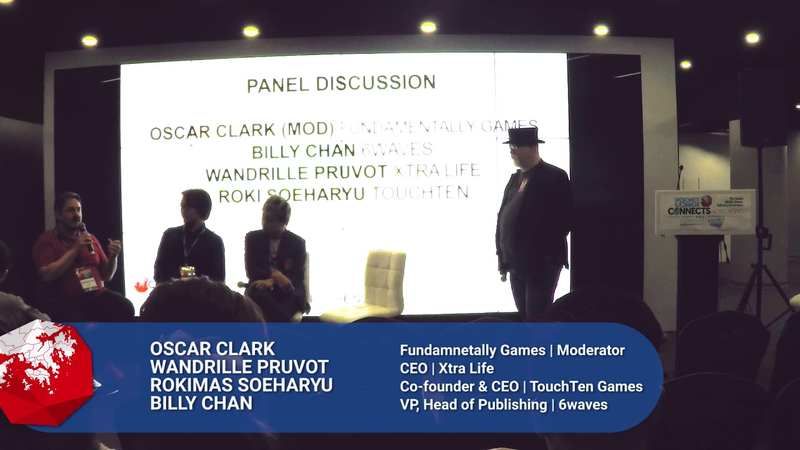
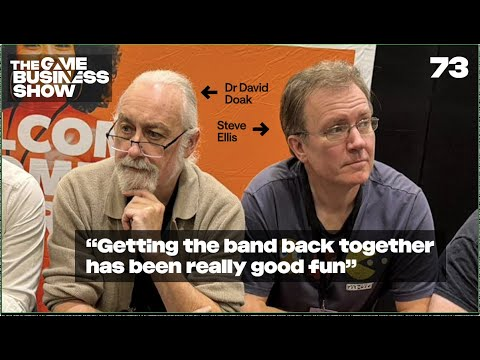
[Music] as you probably guessed already from the fact that was talking earlier you know who I am I'm a consultant spends a lot of time talking about live ops and helping managing games and have been doing it for far too long Billy John explain who you are and and and a little bit about six ways but particular I'm interested in helping the audience understand what you do with LiveOps PDF I'm sorry so I'm game publisher so many focus in Japan market and also our Western market like any good speaking so practically for life Forbes I'm also in charging on the POTUS I so machine sure that are off the game UN money in the game I actually up to the standard so we do measurement regularly to make sure that so for those live
operation that we are one in matching the target that we want to set nice to meet you it's really an honor to be here thank you for being here to be in this panel it is a huge honor for me I really appreciate it my name is rocky I'm from touch ten games we make games primarily for women audiences most of our games we made our puzzle games that are for Tier one market my role in live ups the world of live Ops is that first of all I'm a student of live ups and then I'm a practitioner so I would would love to learn from the panel and from everyone and also share what we have done I'm Andrew I'm from the company extra life so we do provide a lot of live up stools so a lot of tools that you need to to build good live ups and to manage them
and to measure and measure them so so I had one thing I didn't say before so I literally wrote the book games a service so I I spend an awful lot of time thinking about this stuff so I mean no games of big thing live operations it's all intrinsically connected but every different game every different genre every different audience and slightly different priorities I kind of like to explore that a little bit so penny from your point of view I mean you talk about Japanese games in particular is there something specific about the Japanese audience that affects the way you look at live operations so this audience and also it depends on different games drama so for this wavy mini focusing on a strategy game map ad hoc khoa style game so and then let me look at the live operation so we kind of look at it and gave munch a lot so we have to make sure that the user really engaged at the game first and then we think about monetization so and also we have to plan about so we are not talking about like single life of un and everyone single day so we might have
multiple event in from one single day so we have to make sure that different UN is talking in different segments of user so for example we should we should have we should have some montage in un so to drive revenue for the player and also we might have like starter package for those newbies so convert them from non payer to payer so different of the event can be happening on one single day or for hacker style game so explore it a little bit more so I think I picked out that I think's fascinating is segmentation of us is key we know this but you seem to be talking about the segmentation by the lifestyle of the player I think the life cycle I should say so going from when they started which is kind of what the model I'd tend to refer so are they new are they evolving are they fully engaging are they super engaging I kind of like that model do you use other models as well for example a lot people using attribution so where did that player
come from and therefore targeting there what we show them based on what other people who've come from that source tend to like is which of those would you prefer all using arm I seldom do do it in terms of there are different channel I would say because when when they go into the game I actually look at how the in-game performance will be so I salmon based on their income performance like how engaged they are and also or if they are the pair or if they are the whales I seldom look at the where they come from yeah I think that idea of looking at that buying behavior and realizing there's value in players who don't pay and it's not just the ad revenue it's also the momentum that is created by their existence in fact the social value of their an audience you can show all the great stuff that they haven't unlocked yet when you start talking about casual audiences are you seeing similar experiences or is it different from the
kind of hardcore people yeah I can say from from my experience I address mainly a casual audience I like your approach Oscar of keeping the players first so we're building experiences for the player I think in general for us we look at it we have three main pillars for operating live ups and the first one is to make sure there's ROI that's one ROI in terms of yes getting players LTV higher but also are there things that we can later on automate and and make a duplicate of the same event with less cost with less time that's that's one less the first pillar is ry the second one is the keep players happy introducing new content introducing seasonal you know celebrating together with the players and things like that keeping them happy it is we're building the live ups for the player and lastly
is about you know building a community and this could be like inside the game or outside so I think those pillars can apply across all all spectrum of players I think o telegraphing it's absolutely kind of nothing endemic in every game I want to see this return investment bit a little bit more LTV is a really difficult thing to decide on and there are I've seen whole talks out you know half day almost sessions talking about how to calculate it yeah but LTV I personally go for ninety day LTV just because it's simpler but I know a lot of people don't know like that because it takes out the longer tail and yeah but I think it's quite a useful one the other should I look at is the average revenue over a fixed period let's say a year but only looking at the people who played for eight days or more I know that's not necessary great mechanism do you have a preferred method to decide how you work
out what ROI is in that context I also use the day 90 LTV I'm still you know like figuring out what's the best but I think definitely LTV has to be taken into account both advertising and in approaches revenues and I think tracking both revenues you know if you're only tracking one you're losing half of the equation in my opinion in some ways the biggest challenge of running live ops is working out what's valuable because as you said earlier reducing costs is it's a key part of that and designing processes I think is actually doing you know the thing that can save a game earliest and the assuming you've got those processes in place that's not a lot of consulting now is actually getting people to work out how to run those games in operation I mean it gets we're coming into systems and platforms well that's where I can jump in is that definitely if you can get into your game
early enough the the fuse system and they they don't have to be complicated they just have to be may be very generate and say oh I'm only doing one event every Sunday which I'm going to give away one character and that's or I have bonus x two three four on anything that can be done very easy easily and that keeps people and players happy and especially the the one that you that you mentioned is I call them the social wails is they would probably never spend a dime in your game but if one of these guys bring five six ten other people to play and keep playing because he's is involved in the community is involved in what the game is then that's a very valuable player for you even he is if it's hell TV might be zero but definitely having this kind of having this kind of social mechanism is
very important yeah yeah absolutely I mean anything particularly if you think about you know what work was talking about with the idea of ROI ROA is necessarily directly attributable again why it's so complicated to work out the best way to do it and I think you're right you're right about that virality that engagement factor that that some of these yeah I mean the thing I always like half cry inside is when somebody turns around and says yeah you're leaving money on the table think okay you've heard someone say there haven't you you don't actually know what you're talking about weird I cry at that it's because understanding what it is you're leaving on the table is not just about the money and understanding the passion the engagement the authenticity all have directly a credible value to your success but they're not necessarily numbers on the spreadsheet and so how do we I mean can we get that through data I
mean can we look at behavior and start analyzing that is that where the crux I don't know answer the question for you but you know going I mean I think the most important thing is to be very conscious that it's important you can always I mean it's very dependent from one game to another so let's get back to the topic of the way you engage in the game is very different from one to another so someone that plays ten sessions a day or get to level whatever 60 or whatever a number of friends can be a very good very good way of what's the average number of friends this person has in the game how many how many clans you have in a game because you can have one million players but if you have 50 clans that are only active that's very different than if you have 10,000 players but all of them are extremely active so but that depends obviously depends on the kind of games you have but definitely these are data points which are very valuable to the
usage and the social aspect of of the game and I always tend to say I mean there's probably 20,000 games that are released every month give or take worldwide and well maybe 10 whatever the point is to perform in how many times the week is the last number the point is that I always think that the game is like a bar you don't go to this bar at that bar because the beer is better or because because the actual actually it's the same beer you go to that bar because you like the setup because your friends are there because it's nice to be seen in that bar because the girl you'd like to meet is in that bar and that's all part of a social experience and that's very important you have your players have to feel happy to be part of playing your game and that's the social pride around that that doesn't translate to LTV at all I mean a whole social identity theory that I belong I mean that's
that's so critical and actually part of that theory and part what makes me feel like I belong is that others don't and so how do you find a way to you know feel like you're special because you belong interestingly the others don't need to know there are others there's a whole word psychology bit in there anyway let's sort of it so far what we've described it's quite complicated and quite big and messy does it have to be I mean can can games any game run and live operations process I mean how can you get started do you have to go big or go home or do you can you start small buddy what do you think so at the beginning I would say you have to try all different things first of course you have the thing about the objective so for example like you talked about the engagement so you have you have to think about what kind of activity for your games is suitable for producing engagement so talking about engagement if you want to look at the data that's about session above session and also if
there's any social interaction in the game as well so you have the finger of the element in the game and then think about an activity to cover this area so I don't think we have to think in the really complicated very first and just imagine that you are game as well so what kind of entertainment you would want to experience in the game so this is very important definitely agree with Billy you don't you don't have to build something complicated you can start off with a social media post on your on your on your page and it doesn't even have to necessarily be built into your game in the code right so I think of live ups as a opportunity to experiment what kind of things resonate well with your players and and it's it's a it's a lot gonna be about trial and error hits and misses but we always keep that in mind like
it's okay if we fail an experiment at least we know something and we we move forward and yeah it's just key to find something that resonates with a player it takes time I think that phrase it's an experiment it really matters I mean increasingly I'm using the phrase design as a hypothesis think about that is that I kind of take issue to the kind of we have week after sub just try everything because we now have a lot of information about what works and what doesn't and we can glean that information by just you know come to events like this and hearing from people who've done it but also just from looking at players and looking at data in our early testing process and so for me the more we can build into our early stage planning particularly as we start doing our alpha beta and an open beta and softlock yeah we've got lots of testing cycles to go through nowadays for good reason because we know it works and we can use those as testing for how we keep people active the same tools that can encourage people
to try a particular system because we're going to be running the beta and we're going to test that thing today are the very tools we can use to run live operations later so why not build them so they're flexible and that why not build them so that they're in the server so that the live ops team can turn them on I mean it's that's that's completely fair so it's always good to have some kind of ideas of where you want to go and what you want to what you what you believe will be the path of the user but this social path and the interaction of what will will be with the events and the new stuff and how hum how often these guys would be playing and what is the interaction with their friend is and the other players is very important and I think that's where a lot of game companies struggle these days it's not the gameplay is not an issue I mean building a game is a lot of people know how to build games but what exactly
do you do with your friends inside the game what what social gain actually makes it matter exactly what what why does it matter why having your clan number one on the chart does matter why do you keep on playing and playing over again because you give cards to your friends so because your clan becomes number one or whatever I mean why does it matter I think that's really an interesting one particularly because you you kept using the example of your clan being number one only one clan can never be number one so that means that 99.9% of your players can't be number one but they can be every week it could be yeah this week's one well it could be the regional one they could be the one in this league and that scale I was gonna use it as an opportunity to talk about scale because I think actually what that hints at is that actually realizing the community that your players are communicating to is a scale opportunity
I think golf clashes are an amazing job of this boat but obviously goldfish is one example this idea of being able to have tournaments and leagues and sections so what we could separate out into groups of a hundred people so it becomes something that human beings can actually comprehend but anyone heard of the Dunbar number before so don't want number is about 100 to 150 to 200 people and it's the number of people you can hold in your head anything more than that you can't remember because we would we evolved as creatures that could only exist in villages and we've now got all these tools that help us yeah I have nine and a half thousand connections on LinkedIn so there's no way my brain can cope with that but talking about this is because I think this is an interesting thing about what the considerations we have to take into mind when we start thinking about our game scaling so we've talked about any game can do something what's the biggest challenge when you start growing from a small number to a significant number what's so we have just half a
small number then we don't have the concern too much about the social interaction among the player but I'm a big row vector so we have to we think about our life of strategy to see if we can entertain all users so because when we have a lot of user that means we have different segments of user so for for example the top King so we cannot have any laughs of his reign just for that particular King so we should have some UN that are for all of the users so we cannot just think that okay those videos are important so we'll be we have some UN particular for them so we cannot do that yeah you can't target just one group of people in that way without you you lose on all of that scale but I think it's more than that I think it's also that you know you go from the point where one person can do the community and the social media because that's all you've got to suddenly you've got to have somebody who's going to be there on holidays
somebody's going to be available in different time zones and it gets to a large number of people pretty quickly unless you're very smart about how you manage your schedule has this been an issue for you guys or ever you managed or is it not being in it you know can you have you cope it's it's definitely it's definitely a happy problem to have but one that gives a huge technical headaches right and so like having you know 10k ad are you to become 100 kDa you definitely you cannot expect the same level of service when you when you have the same back-end setup so thankfully you know like you mentioned also like there are services that are men for helping you with this so we the way we approach this is definitely like let's team up and figure this out rather than like okay let's figure it out all by ourselves I mean that's a tragedy I
think that happens too often is that it's the not invented here syndrome as I like to call it you know there's so many teams that don't want to introduce things just because they didn't build it I mean obviously you know this inside out so you know how do we kind of I mean if people can build their own system but how would you say is that what's the advantage of working with a third party I mean is there is there benefits for the learnings that you get from multiple customers for example obviously we get a few insight from from many different games of what what you can do what you cannot do or what works with with what kind of players what's very important as I mentioned in the presentation earlier is that I believe we we as a software provider give the right to games to fail because we all know that many games that you're going to launch will fail and that's part of the process and anybody that that doesn't know that doesn't but not part of the game industry and and and the whole thing is if you spend a
lot of time building stuff that are ready then you're losing focus on what you need to do bill is that the game and the social intention of the game right so and this is exactly what what we come up with it's it's ready down it's ready there go use it and if you're successful it's going to scale no problem and if you fail it doesn't cost you anything or much and that's the that's the that's the main thing I think a separation is it I think - sorry to interrupt you but in live operation I think a lot of people are focusing on live whereas I think the important part is operation because it saves you money and it's processes one thing I noticed is I'm lucky enough that I've always been the kind of concept crater today I mean mostly the you guys for the ideas guy all the way to the managing the alive service which rare to have that opportunity a lot of
development teams is start I'm completely not suited for the day-to-day routine and and LiveOps needs to be about routine needs to be about simplicity I think I mean do you do you have how do you address this problem of transition is you have different teams running different bits or do you take the same team along so because our be a publisher so we really we have the in-house part a team to help working on the life operation so I would say for development team they might not really strong in terms of our vision because I have a vision as you said it's really more day-to-day operation looking at the date here and then think about what type of event you suitable for the game so it's really more of a lot of time and resources in order to think about the strategy so I would say we have it that we should have that okay team to work on that I'm sorry yeah well for us we are a tight-knit team of 30 people and so and
we're working on and we're focusing on just one game and so for us we are transitioning into a dedicated live ops team but at this moment in time we're still having our game designer running the live ups for us because I know a lot of times like I say it's the sort of point where some some games fail not because the game is bad or the operations teams about it but the team just fall out because they they can't mentally shift has that been intention for you or is that just being okay because there were you had the right people at the right time we definitely want to have a dedicated live ops team and one that is empowered you know able to affect change without having to rely too much under the product team and so it's for us it's been you know it is work in progress definitely we do want to have a dedicated live ops team because I believe that you know that's might be the the more effective way of
running live ups I mean I think it's also arguably there's a lot the operational teams are generally cheaper I mean I don't mean that in a bad way I mean it's just different types personality well I'd rather keep my coda my genius kind of like designer types making new stuff and then let the new the boring stuff being looked after by somebody else or by an online system I mean how much I mean how much could can you offset him realistically the workload you know so you could get less happiness skill that experienced people or differently skilled people to to run a game and so I would say from from what we've seen the games we were running on the platform if you have quite simple events as I mentioned earlier that the same even kind of a procedure every week it's it's actually like a 15 minutes job to set up the event you just like oh set
up this image that that sword that tool from that day to that date press a button and you and you leave it running yeah and that's it so if you have fairly simple stuff it can be extremely easy it's when you decide to go like the way contra work like we've seen earlier with a with Monty when you have different and what you're mentioning different events different prices at different and everything let that's where it becomes real operations but you're you're already when you already have a kind of a large game so so there's there's definitely different steps you can take and actually rock here is working on that it's okay let's start with these small things that are easy and then you add more you add more and then there's the process as long as your king makes money you can add more stuff it sounds dangerously like Minimum Viable Product
again I'm a big fan of the lean you know startup model in general and I think actually this is really key to she's like if you think early and you plan early what you build the least thing that is viable so not not just the least thing that's the mistake I think a lot of people do with Minimum Viable as they make the smallest thing and again there's still gonna be good enough it's gonna be good it's gonna be appealing tractive desirable if you do that minimum desirable thing and have built in enough variables so that you're an actually this is where a talented live ops team can be amazingly creative I say no where they can play they can make relatively complex events and promotions etc they can tinker they can shoot in fact they can framework so that all they need to do is define a set of framework events and then configure them and ship to them and so that's why I think again it comes back to planning
early building your mindset in day one and you save not just costs but a lot of pain and free the team that it's gonna do live operations to be amazing and creative and wonderful in their own way okay so last time a question before we close I wanna do a summary at the end but the penultimate version is not all games don't last forever game sunset what is this anything particular about the end of a game when it's going to go any kind of particular advice you have on how you deal with turning a game off so we do have a nice viewing on in terms of sunset in a game so basically we have two in Japan I would say because of course focus in Japan so we have to make sure that they use up their currency otherwise we have to pay them back the currency that they pay the view money to get so this is very important so we
actually want some sales um right before we want to terminate a game so make sure that the user consumed the reference the in-game currency so I mean this kind of important to bear you might yeah I mean I think if you're gonna get somebody on the money back and you've just closed the game dad that's bad yeah and I know we're working with Sunday Japan with PlayStation Home I was the home architect playstation home when that closed down that was quite problematic because a lot of people were very disappointed because they'd spend lots of money on assets you can't use your essay if there's no game for us we as much as possible continue to provide the best level of service we can to our customer customer service and you know technical quality and still needs to be there and then for us as well we work with people like someone like six waves and Billy to a publisher who can care about about the
gamers as much as as we do to sunset the game in a in a beautiful way yeah I think that idea of being able to realize that communication is key and transparency is key in everything we do even how we monetize how we engage how will you find audiences if we're not transparent it becomes a problem when we sunset games so telling people early telling why treating them worse respects giving the time to use and enjoy the experience in this last way to make magic moments in PlayStation home people gathered in gold suits with animation it was the most expensive item that you could buy on PlayStation oum had an animation of money coming out the pocket so people would congregate in islands to dance and that was how they said goodbye to each other it was like crazy anyway so you know amazing stuff out there and somewhat well I believe that if you have
made a lot of efforts to build a game and to build a community that the best you can do as well is trying to get them to play another one of your games one way or another and I am a strong believer in in in cross gaming gratification so say if you reach level 70 in that game it's because you've played a lot that game and that will that should give you VIP treatment in the next game whether a specific sword or specific whatever I mean that is very good at that I mean if you play some kind of events in one of their game you can have specific characters on one of the other games and everybody knows that you can only get that in that so I'm very I think it's very important for the players to say oh even though we are going to shut down the game you still have a lot of respect
and and you still worth a lot for us in all the games come play along with us again if you if you really love your players well show it I think hopefully what we've done in this session is showing you the different priorities whether it's to do with the the types of players that cohorts that life stages that are in the kinds of games that they play and even this life stage of the game itself so I'm gonna ask a panelist to give a quick sort of one sentence summary what's the one thing you'd like the audience to take away from the session in terms of you know what's important for running LiveOps please keep trying arrow so observation you shouldn't have a any of any fail so because we have to keep trying to test how the user are behaving in the game so with no testing that we don't know how to use a thing thank you I'm gonna borrow your talking point us
Kurt to keep the players first and really think about it I mean we're all players here as well and you know design live ops with you know try to put yourself in the shoes of the player and think okay what kind of cool things would I expect from from a live ops event and on our anyway technology provider and the best technology is where you don't see it so oh so you don't have any logging problem and everything so the best is to make it smooth and clean so rocky stolen my one I'm gonna throw everyone out I'm gonna go back to transparency on authenticity at the end of the day if we're making a game for players we're gonna live it and we if we expect players to give us money and we don't live it ourselves when we're really missing out so transparency and authenticity are absolute Yuki and you know
I should just one last thing predictability I think it's tied in if we are not predictable people won't trust us and they won't keep coming back and if we want the game to last coming back matters thank you [Applause] [Music]
Summary
Effective Live Ops strategies prioritize a balance between quantitative performance metrics and qualitative community building. While data points such as 90-day lifetime value and return on investment remain essential for measuring financial health, long-term retention is increasingly driven by social interaction, player lifecycle management, and the cultivation of a distinct community identity. Success in this domain requires a player-centric approach that emphasizes consistent predictability and trust, ensuring that engagement efforts resonate with the specific needs of the audience.
Operational efficiency is best achieved by integrating flexible, server-side tools during the early alpha and beta stages of development. By adopting a minimum desirable product mindset, studios can build reusable frameworks that facilitate complex event management without necessitating constant manual intervention from developers. Transitioning from initial game creation to ongoing operations often requires a dedicated team structure, and leveraging third-party platforms can help studios scale infrastructure effectively while avoiding the pitfalls of internal development bottlenecks. This allows teams to focus their resources on core gameplay and social features rather than technical maintenance.
The lifecycle of a game also demands a thoughtful approach to sunsetting, where transparency and clear communication are paramount to preserving player respect. By allowing communities to celebrate the game’s history and offering cross-game rewards for veteran players, developers can successfully transition their user base to new titles. Ultimately, the most effective Live Ops strategies are built upon a foundation of continuous testing and iterative experimentation. By starting with simple, repeatable processes and gradually refining them through data-driven insights, developers can foster vibrant, sustainable gaming environments that maintain player loyalty over the long term.












Comments