1 free read left. Create a free account for unlimited reading + AI research.
Create free account
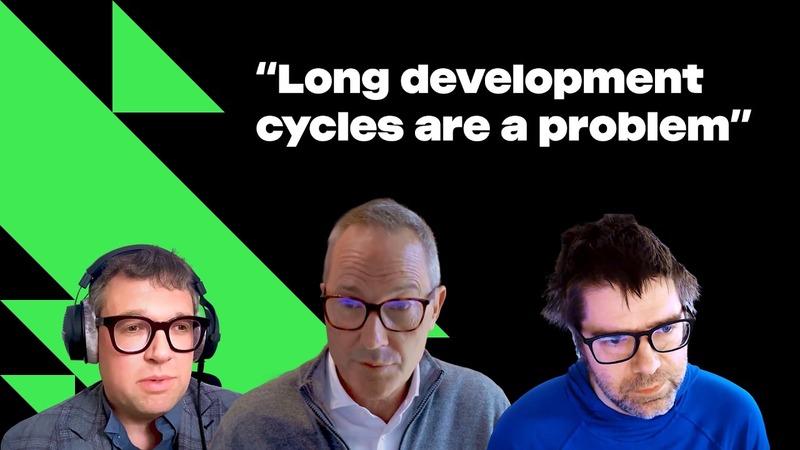
Investment Panel from Pocket Gamer Connects Hong Kong
Key insights
6 takeaways- 01Blockchain and token economy projects must provide genuine value to the user experience to attract capital, as investors are increasingly wary of trend-driven gimmicks.
- 02Founders are evaluated on their resilience, energy, and capacity to pivot quickly, as these traits are critical for navigating the high failure rates and volatility inherent in the free-to-play and blockchain sectors.
- 03Investors prioritize startups that demonstrate a clear alignment between their funding search and the firm’s specific investment thesis, rather than using indiscriminate pitching strategies.
- 04Founders should conduct rigorous due diligence on potential investors, including reference checks and an analysis of firm behavior during market downturns, to ensure long-term alignment.
- 05Success in securing investment depends on a developer’s ability to articulate a clear grasp of their target market and demonstrate how their specific technology or art style creates a unique strategic fit.
- 06Investors prioritize long-term growth and sustainable studio building over the pursuit of inflated initial valuations.
Ask AI about this video
Transcript
[Music] okay everybody thanks for coming and we were asked to do a panel here on investments with an east-west perspective so we'll do our best here okay so uh I'm Tony I'm from vector Ventures we're a private investment company here in Hong Kong with you know global mandate with technology focus games games technology being one of those now let's get some introductions going from from our panelists hi guys my name is Kay I'm from Kowloon Knights we often get mistaken for a nightclub or a bar because the name is a little bit exotic but we're actually a project financing fund that invests in PC premium and console titles and so this is a very interesting thesis because it represents something quite different or contrast to
many of my fellow panelists over here and to many of the investors out there but we have invested in 19 games thus far it's a global fund was probably overcommitted over 25 million in capital to PC and console titles we're probably most famous for most well-known for funding Fumito away designs next title he's the creator of the Shadow of the Colossus the Last Guardian and those are some of the best games ever created and we're very happy to be working with them at the same time we also work with smaller developers so our smallest team is actually a two-man team based in Gothenburg Sweden and so no matter you know whether or not you're an established staff coming from triple-a background or small student team working on your first game we seek to support across the board thank you for having me here my name is Mabel Mabel Chang from Nirvana capital um so we are a very global fund crypto fund um we focus a lot investing in both the layer one and layer two I'm starting off in 2016 in
San Francisco and in Beijing we operate but since last year we started to you know focus more on mass adoption over the whole year we've been you know working with a lot of that the you know decentralize applications developers as well as some of the you know ecosystem players like the exchanges wallets as well as the games have some interesting observation in terms of you know the integration of watching and what Boston could do and could not do and in terms of the gaming than n of T's and other interesting asset perspective so we were we are very happy to be here you know discuss with you know the traditional gaming investors to really learn well you know how people invest here because like really gaming in terms of the investment it's really that's something that have a lot of interesting point but also you need to be have your own thesis to be outstanding and just be successful right
my name is Calvin from pluto's ventures so pluto's is 200 million u.s. fund investing in a broad range of things from TMT to FinTech and also blockchain I think we are more famous for our investment in the poker gaming industry we are investors in poker king which is one of the largest poker company in Macao hello everybody thank you for coming my name is Elia and founder of plasma Alliance company we developed a new generation blockchain called plasma especially for financial services and game developers now we target in the self game developers and the games from other blockchain and we have a pool of
investors around our blockchain to support them to support the infrastructure that development and marketing so if you have your depth or you you're gonna create some someone on your game please have a look at the plasma DLC blockchain and look what what you get from it thank you okay great so you know a lot of times you know startups are looking for funding and they generally don't know who to go to or why to go to maybe you guys could talk us about you know your specific mandates of what you what you look into what you don't look into so then they know maybe you're a fit you're not a fit all right so again like where a project financing PC premium and console fun so it's a very specific very specific so we cannot invest in free-to-play we cannot invest in mobile first we don't invest in blockchain we don't invest in a RvR
so it represents quite a you know different thesis from you know a lot of different people out there so I would say that if you guys are working on a premium and console title you guys familiar sort of indie titles you know solaris titles on Steam or consoles will generally be happy to take a look at that so that's our very specific mandate that we have I think for ourselves like we do focus a lot and gaming however my thing well you know for the games that are fun to play rather than you know just to race ones I think that's like a key because like a lot of the time back in the days like when there's like ICO heat like people always want to issue some sort of token but really for a game you really don't need that much of an on chain so I think for for the ones that are you know interesting and having some you know traditional component components for example like one of our portfolio called Gotham chains actually at the moderate companies called few games that's like a trading card game for on Bob watching
and a lot of the things there's actually operating off chain because like you can't really have the gameplay with you know blocking in such a slow rhythm so with that being said you know we are also interested in a lot of you know scalability solution that really supports the washing operation in terms of the gaming as well as you know um we we were interested in some of the media that are you know spitting out really truly interesting insights about you know how blocking the NF TS and you know crypto assets in general are really you know combining together and furthermore it's I about you know how in the future we believe that you know there are the need for the universal virtual ID for people you know to be around rather it's like you know you you are playing around with the decentralized applications or you're in you know operating in the game where it's it's almost like you know the ready player one and in the future that you probably only need one thing to operate in both
the virtual world and the physical world so like we are interested in those kind of concept as well okay because my fun actually looks at a broad space so I'll just call it rate on games so what do we look in games we are looking for the next generation we think that you know mobile games have come a long way the App Store Google Google store and so on it's time that something would disrupt this whole entire market and everybody in games today knows that making money in games is very hot right just like what Korea just presented every day there's 700 games launched and only 12 made it to the top 100 and so on so we are looking for the next disruption in the games industry can it be blockchain
games maybe but we think that blockchain games is still five years away okay I was on the both side I was in the enterpreneur in Star leper and I was on the site of investors and the funds to evaluate the different products and now I can just to suggest and what kind of like items or things you can focus on like like a startup first of all the funds looking at how good you understand the market where you go in and you're a user user base and user experience and how you meet their needs and then you never know go to the hype of the technology market like for example blockchain if you get game can be well done on the scoff yet market so maybe it's not necessary for you to go to the blockchain just just because of the hype
but if you get the real positive positive effect of using the blockchain technology for your user experience for your games for your token economy so it's it's mean to you you have to try to build some some blockchain but you should be very good informed and I understand how this market works and what the problem you you will meet on this way and I'd like at this third the third thing you should very well understand your investor because it's very important what the portfolio you and Esther have on their side and how you can feed to this part foliar and can you speak on one on one language with this font of is this angel investor let me just add one thing but the whole blockchain games is slow today but things may just change next year because of Facebook Libra plasma or plasma okay
great thanks guys say we're gonna we're gonna put Shawn on the hot seat here and let him do an introduction hey guys sorry for being late I had 320 on my counter I don't know why I'm Shawn Lee from wargaming I'm the chief corporate development officer I manage all of our strategic initiatives investments acquisitions etc and coming to Hong Kong that's what I'm responsible for okay maybe when it gives you an insight on maybe kind of your fund mandate or what type of investment structure you guys have well we're giving is a developer primarily we're developer publishers so our core focuses are on products so unlike many VCS who are whose primary focus is financial returns our focus is primarily on strategic synergies so we invest behind Studios technologies publishing partnerships etc that primarily aim to
support our existing core business of making and publishing games okay great so I mean as a lot of you guys are looking you're looking for funds and you know some of these guys like Calvin's got he's got a large fund right so maybe you guys can talk to us a little bit what stage you look at and then what your general ticket sizes are right we write checks sizes anywhere from 100k all the way up to six million dollars so that's quite a lot range you can think that's pretty small because we are on the project side so we don't have serious a source II you know we don't do equity so it represents for us is more of the scope of the project right and the stage of the project so when we always get pictures coming in typically they can come in from a paper pitch anywhere to something like a more fleshed out demo so it really depends on the stage of the development that the game is in right we have done games where they're I would say maybe 70% 80% done you know they're close to launch some are close to early access and we have signed games that paper pitch so our range is quite in terms of the cycle
but also in terms of the cheque size quite a wide variety of titles right so for us it's really for the most important part when we're looking at these types of titles is that you know will they generate a piece in return yes but also you know is the game doing something new and then later on are they doing something specific do they have a distinctive art style you know are they really gonna bring something new to that specific genre that's like probably 70% of our investment but we also do some of the serious say if it's strategic so for us I think you know - in terms of investing in games like mostly its equity but we do care about you know what's the strategic value that the game would bring to some of our other portfolios for example some of them layer 2 solutions or the layer 1 public hangs but in terms of you know in general other gaming related investment but non-gaming we would care about
whether you know would become liquid turnover I'm Brickton who some of the ones that are you know with tokens like that's something you know better for equity cuz I you know for equity it's harder for you to exit at some point but you know for the token it there's always interesting dynamics between the private investors as well as the team and it's always you know flexible as well so I think that's really like the strategic value was probably the core thing that we consider for all the investment just like we do want to have like some of the gaming companies that we invest it or the studio that we invested in would be able to add value in the future for the infrastructure layer right so for my fund we do anything from 500,000 u.s. to 3 million u.s. this would be our size but we have done 115 million us-ally this year okay from the my side it's
more like blockchain plus fund so we are most looking for the companies on a very early stage that can provide us with MVP on or proof of concept and we actually can find them around 50 to 100k for first stage to go to market so we help them go into market we help them acquire the payments globally and others their apps or their games on mobile or desktop applications once again we're strategic so we'll do whatever in any any format any structure something as small as hundred K to double-digit millions as are the deal sizes we've done in the past but as I said key thing is is there a core fit with our core business of making and selling games and if there's a fit we'll find a way to do it so you can we keep hearing a theme here you know company like what do you guys look
for in a company like some specifics that these people can maybe resonate on because we looked at you know premium PC and console games it's really very highly personal you know a lot of these games are pet projects or life work you know they're very personal it's really I would even say as a matter of taste you know it's like particular types of games and so for us we look at really two core things one is the creative vision or in a creative direction and also the will to an ability to execute so creative vision it can come in a variety of forms right in come in you know certain creators have a particular view on a genre they could have a particular view of something as simple as a game mechanic or it can be going to say a particular art style saying pixel art for example so it really depends on say that personally creators sort of personal vision for that title and then when it comes to ability and will to execute I think that's pretty much more straight for it whether or not they have the right team behind them whether or not they have the right composition of say
either being remote whether they're remote working or whether they're working in a studio you have to write composition and team members to get that over the finish line so for us it's really these two core aspects doesn't really form as it is you know when you are started versus like you know two years later so I think you know having a truly first of all entrepreneurial and also I have a very good track record founders stuffily the key for us but at the same time like you know if someone does have a very good no leader kind of vision as well as capability but they don't have the past experience but they have the resource to bring other resources on board that works too and for us I think another thing it's about being upfront and transparent because like in the industry because I actually I don't believe in certain things like blockchain games or I would only see
this as an investment cuz like watching game is really not because I you know it's it's almost like you know when you're using Amazon Cloud you wouldn't sale you're using Amazon Cloud to power your company you so like for this I would just say gaming I think in general is like when you find something doesn't work but you already raised your fund and then you can be upfront with your investors as well as your retail customers and that you were you cannot make the deadline because XY and Z and then you can you know have a modified plan for that rather than you know because like we always understand that for the for the early angel round or the seed round there's a lot of changes and we are fine with that it's really a value know how you really flex sets and we do care about them you know the I would say integrity and that way and transparency with with the project I think to to get money from VCS is a full-time job and very very hot we look at first thing
actually be sees look at 360 degree of the whole entire investment and then we will look again 360 degree to make sure that we make no mistake because we if we make mistake we don't have the second fun hey so we have to make money for our LPS so instead of just we look at everything from the business concept the product the founding team and his team and you have to visit their office you're gonna see who are the founders background what have they done before wherever they're from do they have the know-how and all this and if you look into blockchain why do they need tokens is the tokens really needed in that ecosystem or the product that they are building or simply that we see that in 99% of all blockchain companies the
tokens is simply to raise money right so this is a fact and well is it's not wrong that the token is there but if you want to raise money today using tokens you have to change your whole entire tokenization formula and this formula have to be like to entice the the VCS you have to give equity and you tell them that here's another bunch of tokens that in the event anything happens you get back half your at minimum right okay for early-stage companies all about the founders so you're like an investor you look at the background of this founder of its traction as and the founder should show how they can solve the problems or challenges they met on the under their product or maybe previous product they they built and as you see
for blockchain space a lot of people and founders they were in you for this technology and technologies were new so we not see a lot of traction on this side and everybody just do some some tries to build something and show show this product to the mass market and see what how they get the the market share with their product so it's a lot of experiments now on this market and from like the investor side mostly look how fast can the company moved from one strategy to another trying to find their market a product fit and this happens is very fast like two three weeks like in all accelerators try to bootstrap their product using this technology and try to find the right model and right users understanding their needs and they like to make better
they use and cost of getting these users so we're looking most on them as I said on the attraction on the background and their soft skills like a leader of the startup I don't like boring panels so I'm gonna say some stupid even better I I get really pissed off and VC's go around and they're like oh we look at this we look at that we have a half joking funny philosophy of wargaming because we do free-to-play games are our philosophy is my definition all free-to-play games will fail and if you look at stats that's basically true almost all free-to-play games like that come out that CD is attempt all of them fail only a select few are breakout hits so how we how we translate this back into how we evaluate opportunities is I
think the best we can do is do our best do our best should not waste money down fairly obvious potential failures and even this loose angle is pretty hard because it's so easy to overlook a studio that looks so obviously stupid they could be the next fortnight you just don't know so so coming back like we we we make know we are under no illusion that we can use like the collective brainpower a bunch of smart people with a lot of experience to try to handpick some future success I just don't think it's possible it's just we we do our best not to waste money down the drain and then just pray to God that one of them is gonna be successful so I know it's not an ideal answer to your question but that's actually genuinely how we approach things get money from wool gaming so we've heard founder a
couple times in the conversation now what traits does a founder have that may you make you feel that if there's gonna be more chance of success I mean this is an obviously very hard one but for us I mean we look a lot at transparency as well I mean at Kowloon we give our developers or our creators a large amount of autonomy we let them make all the creative decisions we'd let them make all the business decisions and we basically don't even have in our contract those contractual rights so we don't even have the legal high ground so we give them a lot of autonomy and we expect that same level of sort of mutual understanding neutral transparency and just let us know when things go self right I think that's for us it's very important when you're working on a game many things can go self you know you can suddenly get a fight into your sound guy you know oh I don't like the specific sound effect you know you can get a fight with your programmer that a lot of fights that happen right and I think for us we try to become more of a mediator you know it's like okay if something goes south how can we best rectify that can we get
you a new song can we get you a new programmer can we make sure that you're not stuck in this creative rut can we take you out for a good time those kind of things why I might sound silly but that's actually very important in terms of game development so we're trying to make it as easy as possible for these creators to sort of do their own thing right I think you always care about not just like the CEO or something that's actually more like a check and balance across the whole team so for example if you have someone who's and we do think like you know being well informed in an industry is very important it's like if you have someone who is we're very well informed always know everything about you know things happening in this industry and at the same time you would need someone who could be very down-to-earth and Gustav's and to make sure everything get delivered but another thing is that you know for these kind of teams like you know whether those they had a prior operational you know experience to make sure certain things happen like they know how to fix and if they don't like
they know where to go to what's the go-to resource to really get those folks like that's also important another thing about you know I guess there's like no quoting Pro formula for investing with early-stage companies in general but we would we would believe that you know the ones that knows how to communicate like whether or not being like what I mentioned about being transparent as well as you know communicate with their customers as well as like their their community managers like that's very important I know this sounds cliche but it's really hard to even for any projects nowadays to deliver their monthly updates or whatsoever to their investors so like that's the kind of you know quality that we would you know really care about and also we believe that that would deliver the true success in the future so we we look we look at it this way there's two types of founders that we invest in the
first type is the easy type those that we have invested before and we have made money with them before so that's the easy thing so we know them well they start a new venture and we put money in so the second type of founders if they pass all the things is that we actually it is very early stage we will continue to meet the founder and sometimes it takes like six months how long have you known each other for years yeah a year and maybe I'll invest in him this man yeah I met him in the US and so on so we've been talking and this is one way that we evaluate we want to see survival instinct in the founder many of the founders that after you met them three months later you bump into them in another conference hey you have a new
company on attack what happened to the last one oh I didn't get funded so I changed a new company right you don't want the kind of founders right but some of my VC's friends prefer such founders they kill the product fast and they move on so there's no yes no no each species have a different kind of mentality of what they want to look for so for us I think it's very important from founders to have an and energy energy is very important when you build a product when you try to achieve huge results and like solve some challenges and you should see this energy in the eyes of this founder and then you understand that you can give them a small amount of money and he just try to spend it very smart but
mostly build the project on top of their energy and can lead their team behind them to the targets for the for their company so I think this the energy on early stage is very important because you you you do so many cold calls and cold meetings with the people you just shouldn't stop and when you see like investor that this guy never so you think that he can build a product and he can take the market share with this product so she's just building on what you said it goes back to our core philosophy free-to-play games by definition all fail well that means is the team or the founder they kind of have this attitude of energy but also the ability to not not quit it's kind of what you said like it ain't gonna work and these people are jumping into an activity that by therefore they are definition is not gonna work which means
you got to be kind of half crazy and keep driving at it until you find out success and if you look at many of the the most successful free-to-play titles out there whether it's PC or console or mobile these are guys who've been at it for years game after game have failed after failed we've heard these stories of the 47th game that was Angry Birds and classic Lance's whatever game after failures war game II had a series of failures or barely sustaining gains until we hit some successful world tanks and coming back it's that energy it's that ability to power through when you know odds are stacked against you I got a question for our panel though like it's easy to talk about oh this is what's important and a founder how do you evaluate that how do you actually I mean yeah you said like looking at the eye you must have an amazing ability I want to see you on a date but like how how do you actually evaluate this I
think sometimes you just can't like I think they're like two types or a few more but I think there are like two typical types like one is that you try to put some checks in each of the projects and make sure like one of them outruns and the other one is like you know sorry what's her name yeah what Calvin said is that you really spend some time trying to get to know with them and after say a year or something you you put a big check size in it like otherwise it's it's there's no way that you would know someone like you know even after a few cause or something and even like sometimes like you might be interested in incubating something so you would want to send one of your like your fund manager or two to the portfolio company and then what he sees is really different from like what you see of the from the numbers and stuff so I don't think there's any any way to really get to know someone like instantly not to mention a company so don't get upset and don't get too happy when a VCS never say no to you because
we seized never say no they will always mmm let's keep in touch and we will call you just five second impressions like all we when we meet each other we just understand who is these people in front of us this is just like happened between investor and the startups 5-second and you almost like the question really invest in these people are not so working on this first impression for any people not only for investor and you will be successful I think for us is really easy because we come from content investments so we make investments in the content so like I said as a matter of taste so when I built rapport with sort of my developers you know do they play the same games ask me you know do we have the same taste in games and it might be a little bit superficial but you know I don't want it to be a drag every time I have to meet my developers you know I want to talk about the things that I like and I hope that they like the same things so for us it's a little bit easier you know we don't have to drag off doing you know
equity we have to figure out oh if this thesis works we just have to figure out if we like the game so I think for us is a little bit easier so one thing I want to iterate here is that remember it's a two-way street as a start-up you need to evaluate the investor also so I'd like to just spin off Sean saying is you know how do these founders tell you know who's who's the good investor who has the integrity and who's gonna follow through you don't need to tell who writes you the check that's the boss especially for early startups you know unless you are in be round you already have power and so on and you can decide which money whose money you want to take but if you are a startup you're racing your seat round your angel round whoever writes you the check kiss him uh-huh I'll take a quick stab at that question it's a great question by the way
especially if you're in a position where sometimes you may not even be in a position where you can pick and choose but let's say you are then you need to do as much homework on the potential investors the same way we do a lot of homework checking on you and you know one surefire thing is reference checks just go ask around ask around about the particular guys you're interested in taking money from and if you do your homework it's not that difficult if you do that homework you're gonna start getting a shape and color and picture of who these people are and oftentimes it's going to be worse than you thought it was so just and what I mean by that is frankly speaking a little bit a little bit more towards the strategic investors the strategic investors have a particular motivation and wanted to invest in your studio so do your homework carefully the VCS end of the day I mean I don't want to denigrate VCS but VCS edited they are writing a check and they want a financial return from
you it's a fairly simple straightforward relationship whereas strategics especially if they're offering you a lot they'll promise you oh all these users and all this marketing effort will help you design your game will help you with there are it will help you with their free-to-play monetization monetization design just confessing I'm on my next 10 cent guy just across the street from your and oftentimes it doesn't materialize even with the wargaming we've had conversations where we tell studios this is what we're gonna do for you and oftentimes it doesn't materialize away even we would like it to so just ask around I think wargaming have the power because you guys knows the market and you guys have to use this and you know whatever means to place that works and what doesn't so you can evaluate the studio's whether they know the weather how to market a game or not right I think we sit in a unique position because we're not quite a publisher but we're not quite you know a VC either so we sit in
quite a unique position so when I say that a lot of developers come to us and ask you know which offer I did I take if they had the choice I would say to them you know look at your publisher or look at your investor slate or capacity you know because we are a small team you know and if we invest in 19 projects that means one of us has to be appointment for each particular project so under me maybe I had a couple developers that I'm working with and under certain publishers they have a slate for that year you know they're gonna release X amount of games that particular year so find out where you stand or where your game stands in that slate you know are you gonna be a priority title for that publisher are you gonna be a priority title for that investor so really figure out where you stand in that particular slate is my advice to a lot of developers out there right to follow on the topic about like let's say you have a physician to like pick and choose I think you know on top of you know choosing from the investors I could bring you really their strategic values or you know say like when you are now you're at seat but then like you envision yourself raising your be like in three years or so like who could help
like those are probably the cliche but I think another very crucial thing that all you have probably kind of ignore is that you know things always operate in cycles so like one of the key to the religions from I think for the projects is that check out how those investors behave in the damn cycle like what are they would you really truly believe in you you guys you know continue to put the money in or like what are they gonna squeeze you you know try to get back you know like now when it's like upcycle its equity and then when it sounds like oh it's that you know those are probably not the kind of investor that you want this often be ignored you know and an upcycled but I think that's observing you know from even just the crypto beer market you know from last year to now I think it's very interesting to see you know how the dynamics keep changing and people like start evaluate those and I think those are actually very very important achieve this one more question is like do you take one check or ten checks from ten
investors right so those are what the game studios the founders needs to decide but it's a single check or you have ten investors that need to do PR with every month or every quarter we're getting close on on running out of time here so what I'd like is there is there any like advice you guys could give the audience here on specifically you know relating to investment you know finding out who to talk to how to talk to them you know in anything from from your experiences my advice is very simple funding is there's two ways either you are very good and you have a super product and you are a super intrapreneur you are okay or find a professional to help you raise funding is all about
packaging and marketing to the investors yeah my advice will be doing very good homework about where you're going to look in these phones who can be potential investor what they this invest investor has in its portfolio and the the target not the whole market target just ten twenty potential investors in your agent in your market and just work close with them meet them on conference make some conference call with their team just do a lot of conversation with each of the investors and show that your product is good that you're good understand in the market that the marketing package of your product is good and then mostly from these twenty investors with one of them you can be succeed
just go to youtube and watch my talk how to get investors to eat out of your hand I'm just kidding that would that one knows a horrible talk please don't go watch it actually a little bit like what you but these guys I said but goes back to what I said about doing your homework I hate people who come to me and say like oh don't you guys who are you aren't you guys who did that like pink pony game and they say like I don't know we're doing this soccer football game and I think it's gonna be good fit for you guys and you see that too many people spray and pray that never works pick laser sharp guide your pitches to specific investors that you've done homework on that you know you have good amount of confidence that is validated by people who know them tell you that I think there's a good fit and then start from there that way you don't waste your time spraying and
praying and that's how you get the immediate attention of the potential investors if you for example do your homework and say and and and find out that color nice likes these kinds of things then you go for them and spend your quality time with them not spraying and praying to like every VC and best around the block that's that's my quick advice I mean I would even take that one step further right if you can figure out who on the team has signed which projects or who on the team has an affiliation or half of those preference for a certain genre or a certain project I mean go target that contact person right like at Kowloon you know some of us place or in types of games some of us don't right so really getting down and figuring out oh which games in our portfolio my game sort of fits in there or you know my game is this particular Tron rah you know therefore it'll be a fit with this publisher you know really go laser hone in there and figure out who signed which titles and if you can target that particular person that's your best fit right to wrap up I would say find your you know quality versus value much like perfectly I think that's
actually there's like one kind of misunderstanding at least from my perspective is that a lot of the project things the belly their valuation even at the seed rounds very important but my experience that it really doesn't matter that much like you always wanted to start and then you want to make sure that the valuation you said delivers or even a little bit you know undervalue so that there are like interesting people people who are really truly understand your value would invest and cuz like for us at least like the thesis is that if there's like something like triple a quality but it's like highly chase on the market we might not invest and inside go for a trip like double-a but then slightly undervalue because like at the end well that's really it depends on how your investment thesis is but at least like for us we believe that you know finding something that has like you know alpha potential large alpha in it it's actually more crucial for like seed investors so I think for the projects don't care too
much about the valuation I think that's a slice okay excellent I want to thank everybody for sharing today and you know everyone else yeah enjoy the rest of the show thanks for coming [Music]
Summary
The gaming investment landscape is defined by a diverse array of mandates, ranging from project-specific financing for PC and console titles to strategic capital allocations focused on blockchain infrastructure and corporate synergy. Investors prioritize startups that demonstrate a clear alignment between their funding search and the firm’s specific thesis. While blockchain and token economies present novel opportunities, they must provide genuine value to the user experience rather than serving as trend-driven gimmicks. Success in securing capital depends on a developer’s ability to articulate a clear grasp of their target market and demonstrate how their technology, art style, or infrastructure creates a unique strategic fit.
Early-stage investment decisions hinge on a founder’s creative vision, execution capability, and transparency regarding project challenges. Beyond technical expertise and past track records, investors place significant weight on a founder’s resilience, energy, and capacity to pivot quickly to achieve product-market fit. Given the high failure rates inherent in the free-to-play and blockchain sectors, venture capital firms focus on mitigating risk by backing teams that exhibit a strong survival instinct and the ability to navigate the volatility of the development lifecycle.
Building a sustainable game studio requires persistence through repeated failure, and investors evaluate potential partners based on long-term rapport and shared creative taste. Founders are encouraged to conduct rigorous due diligence on potential investors, including reference checks and an analysis of how firms behave during market downturns, to ensure long-term alignment. By avoiding indiscriminate pitching strategies and prioritizing investors who offer genuine strategic value within a specific niche, startups can better position themselves for success, focusing on long-term growth rather than the pursuit of inflated initial valuations.













Comments