Asia reports and market data
Documents

Composing for Chinese Instruments
This presentation provides a practical guide for composers looking to integrate traditional Chinese instruments into Western symphonic arrangements.
- Authentic integration of Chinese instruments requires hiring specialized performers rather than relying on standard orchestral musicians to capture nuanced, idiomatic articulations.
- Chinese instruments function differently than Western counterparts, necessitating specific orchestration strategies rather than treating them as direct substitutes for standard string or woodwind sections.
- Composers should transcribe scores into jianpu, a numerical notation system, when working with traditional musicians to ensure accuracy and facilitate the inclusion of authentic ornaments.
Fireside Chat: Creating Games & Monetizing in Asia as an American Publisher
This discussion explores the strategic considerations for American game publishers entering the Asia-Pacific (APAC) market, focusing on cultural nuances, monetization, and user acquisition.
- Asian markets exhibit distinct stylistic preferences, with a strong cultural affinity for anime-style art, whereas Western markets historically favor a 'Toy Story' or Disney-esque aesthetic.
- Localization for Asian markets requires more than translation; for example, word games in Japan face significant challenges because the language structure relies on complex character recognition rather than word-for-word reading.
- Working with local influencers, particularly via TikTok, is a primary strategy for navigating cultural nuances and gaining market traction in Asia.
Seizing the Trends in Asia: Three Top Trends Game Publishers Should Prepare for in 2022
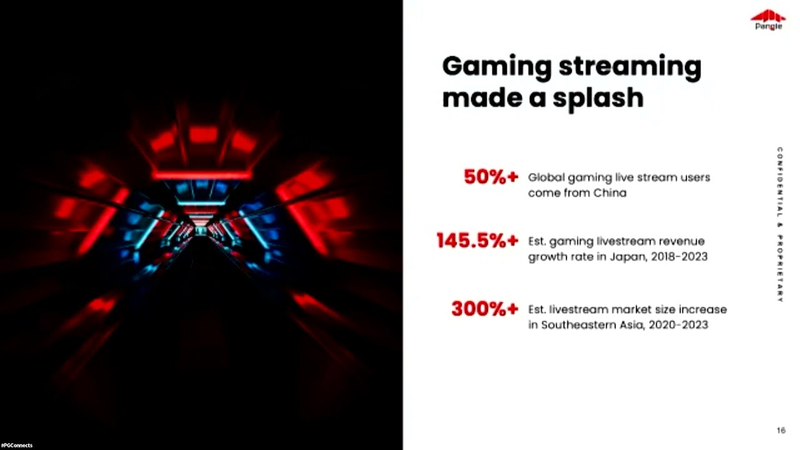
The Asian gaming market represents a significant opportunity for global publishers, accounting for 50% of the global gaming industry with approximately 1.5 billion players.
- The Asian gaming market accounts for 50% of the global industry, representing approximately 1.5 billion players and offering higher ROI potential for publishers who move beyond simple localization.
- RPGs dominate revenue in the Asian market, requiring publishers to implement complex, event-driven gameplay and frequent live operations to maintain player engagement.
- In-game revenue correlates strongly with regional e-commerce shopping events, such as the 11.11 Singles Day, which publishers should leverage to boost in-game spending and eCPM.
Mobile Game Genre Report: Puzzle Games
This analysis examines the mobile puzzle game market, contrasting dynamics between Western and Eastern regions with a focus on the United States, United Kingdom, Japan, and South Korea.
- The global mobile puzzle game market generated $6.9 billion in 2020, with the United States leading at $2.0 billion, followed by Japan at $1.2 billion and China at $0.9 billion.
- Puzzle games account for 8% of total mobile game revenue and represent the most popular genre across the United States, United Kingdom, Japan, and South Korea.
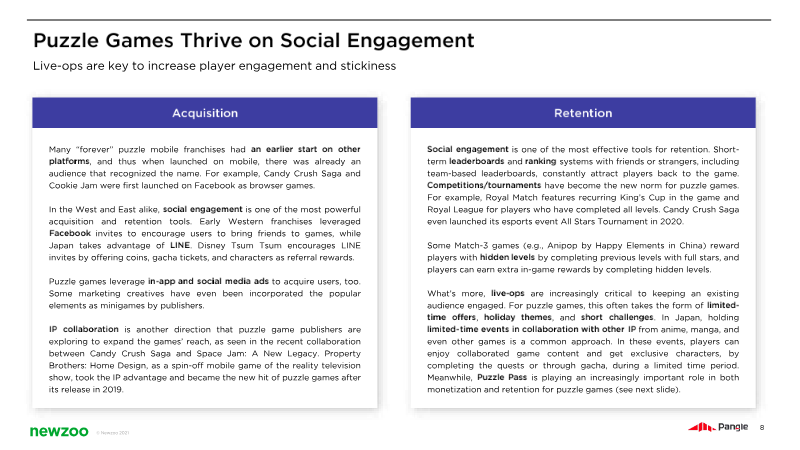
- Western markets favor casual experiences and in-app advertising (IAA), whereas Eastern markets demonstrate a higher propensity for in-app purchases (IAP) and complex mechanics like gacha systems.

Superstar Session: Seize the Moment-Seasonal Changes in the Asian Market -The Best Times to Monetise
The Asian mobile gaming market operates on a distinct seasonal rhythm, where revenue and user acquisition are heavily influenced by cultural festivals, regional shopping events, and academic calendars.
- Align live-ops and advertising spend with peak regional windows, specifically Chinese New Year, Japan’s Golden Week, Korea’s monthly pay cycles, Ramadan, and Songkran.
- Avoid launching new titles during intensive academic periods, as these times consistently correlate with reduced player engagement.
- During high-traffic e-commerce periods when advertising inventory costs spike, shift focus from user acquisition bidding wars to retention and in-game content to capture spillover traffic.
Superstar Session: Hypercasual in 2021: West & East
The hypercasual gaming sector is undergoing a structural transformation as it moves away from simple, rapid-fire releases toward a model defined by higher production values and long-term engagement strategies.
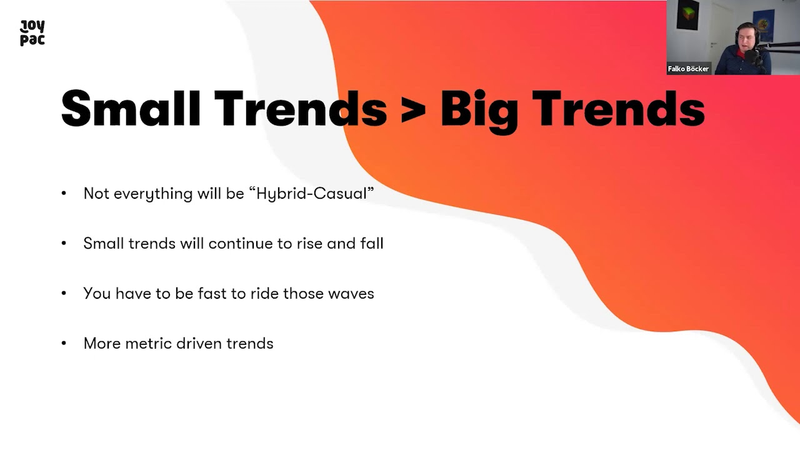
- Hypercasual gaming is shifting from simple, rapid-fire releases to a model emphasizing high-fidelity 3D visuals and meta-game elements to combat market saturation and improve long-term retention.
- Rising user acquisition costs and Apple’s IDFA privacy changes are forcing publishers to pivot toward creative-led targeting and tournament structures to maximize player lifetime value.
- The industry is undergoing consolidation, with publishers prioritizing long-term partnerships and the acquisition of superstar studios to secure a consistent content pipeline.
The State of Mobile Gaming 2021: U.S., Europe, and Asia
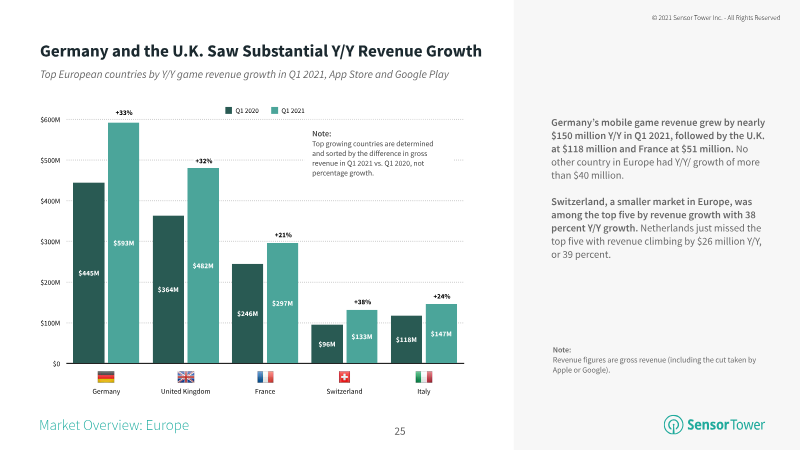
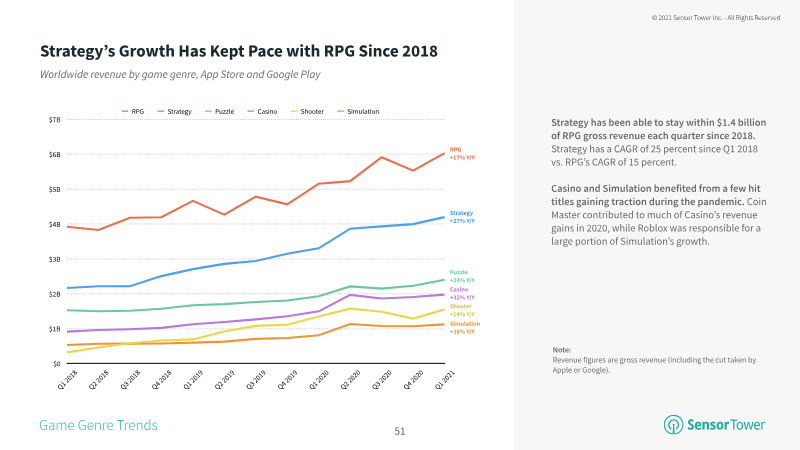
The global mobile gaming market experienced an unprecedented surge during the 2020–2021 period, fueled by pandemic-related shifts in consumer behavior that accelerated both spending and engagement.
- The global mobile gaming market reached $22 billion in quarterly consumer spending by early 2021, marking a 25% year-over-year increase.
- The industry is projected to reach $117 billion in consumer spending and 67.2 billion annual downloads by 2023.
- Monetization is highly concentrated, with the top five global markets accounting for 77% of total spending and the freemium model generating 99% of App Store revenue.


The State of Mobile Gaming: An Analysis of Mobile Gaming Market Trends and Top Titles in the U.S., Europe, and Asia
The analysis demonstrates that the mobile-gaming market expanded dramatically during the COVID-19 pandemic, with global quarterly revenue reaching $33 billion in Q2 2020 and downloads climbing 39% to 16 billion.
- The mobile gaming market is bifurcated between mature markets like the U.S., Japan, and China, which generate the bulk of global revenue, and emerging regions like India and Brazil, which drive the majority of download volume.
- Hyper-casual games are the fastest-growing segment, surging from 757 million installs in Q1 2018 to over 3.4 billion in Q1 2021, representing more than 30% of all mobile downloads.
- Freemium models are the industry standard, accounting for 99% of App Store revenue, while subscription models remain a minority, utilized by only 29% of top U.S. games.

Mobile Game Genre Report: Role-Playing Games 2021
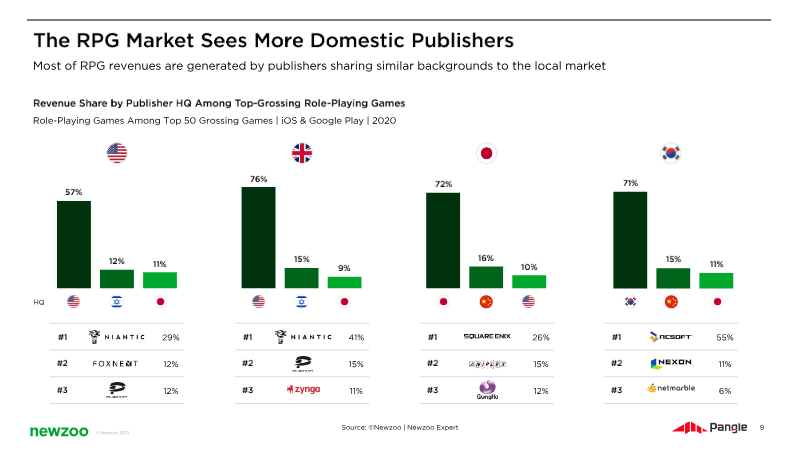
Role-playing games represent the most lucrative segment of the global mobile gaming market, generating $18.5 billion in 2020 and accounting for nearly a quarter of all mobile gaming revenue.
- Mobile RPGs generated $18.5 billion in 2020, representing nearly 25% of total mobile gaming revenue.
- The market is heavily concentrated in East Asia, with China, Japan, and South Korea accounting for over 70% of global RPG earnings.
- Approximately 50% of top-performing RPG titles rely on established intellectual properties, such as the Marvel franchise, to drive player acquisition and revenue.
Mobile App Trends 2021: A Focus on APAC
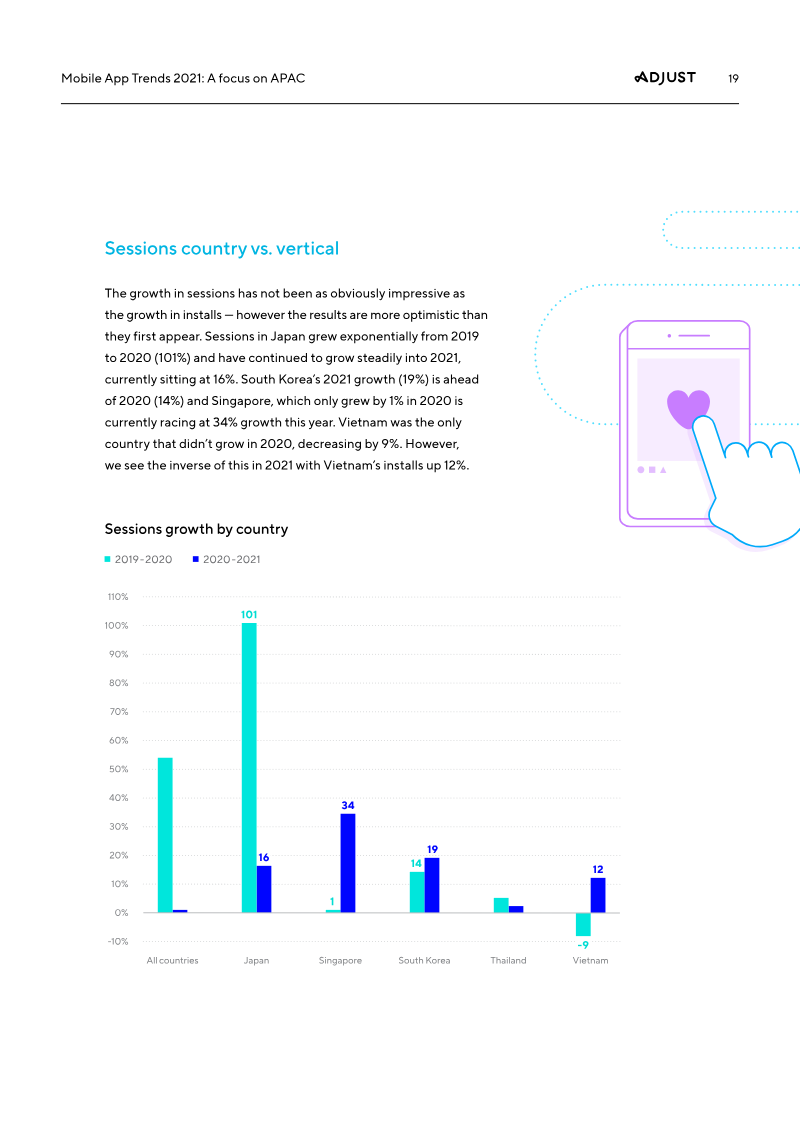
This analysis examines mobile app performance across the Asia-Pacific (APAC) region, focusing on the period from January 2019 through May 2021.
- APAC dominates the global mobile market, accounting for 64% of total app downloads and 60% of global mobile gaming revenue.
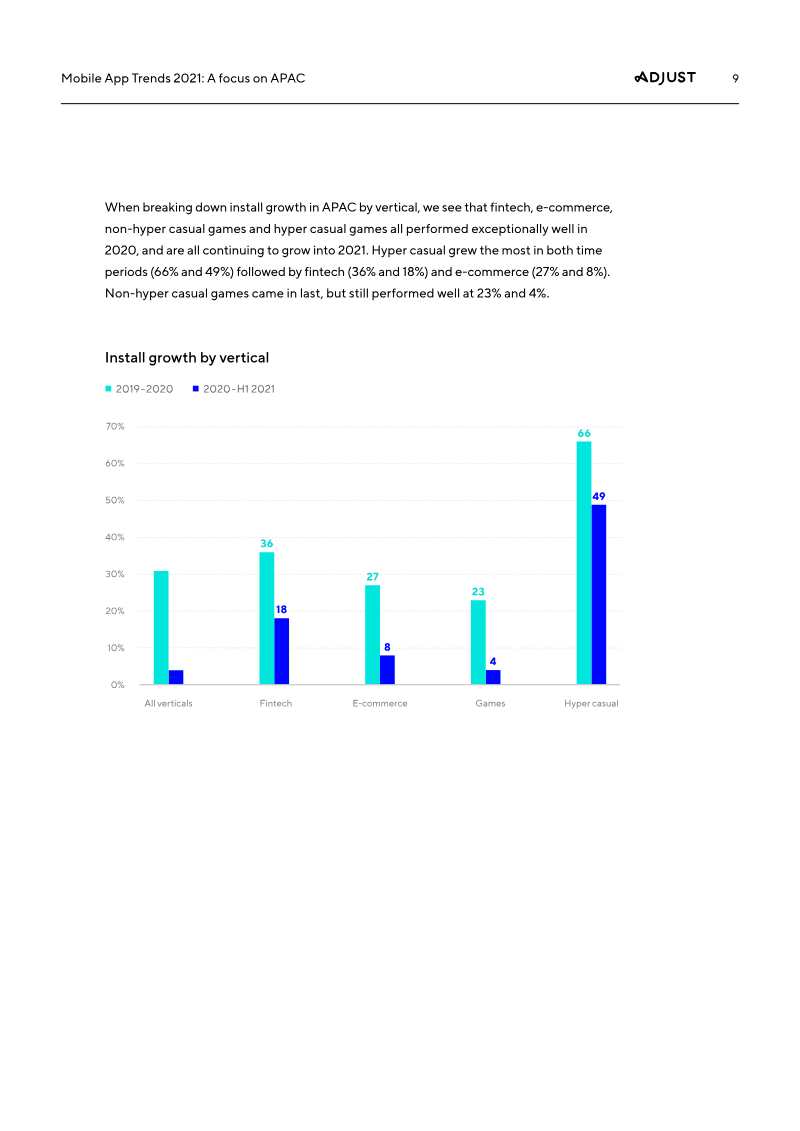
- Mobile adoption surged during 2020 lockdowns, driving a 31% increase in regional installs and a 54% rise in sessions year-over-year.
- Hyper-casual gaming experienced explosive growth with a 66% increase in installs during 2020, while fintech installs grew by 36% in the same period.

Mobile Game Genre Report: Comparing & Contrasting Eastern and Western Markets
Role-playing games emerged as the dominant force in the mobile gaming industry in 2020, generating $18.5 billion in revenue and capturing over 21% of the global market share.
- Role-playing games (RPGs) dominated the 2020 mobile market with $18.5 billion in revenue, representing over 21% of the global market share.
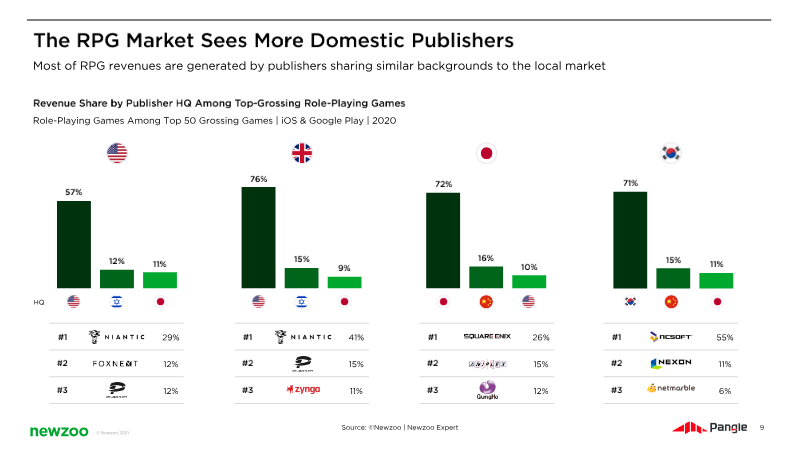
- East Asian markets (China, Japan, and South Korea) drive RPG financial performance, accounting for 72% of the genre's total global earnings.
- Successful RPG monetization is shifting toward hybrid models, as 83% of players are receptive to opt-in rewarded video ads alongside traditional gacha mechanics and battle passes.
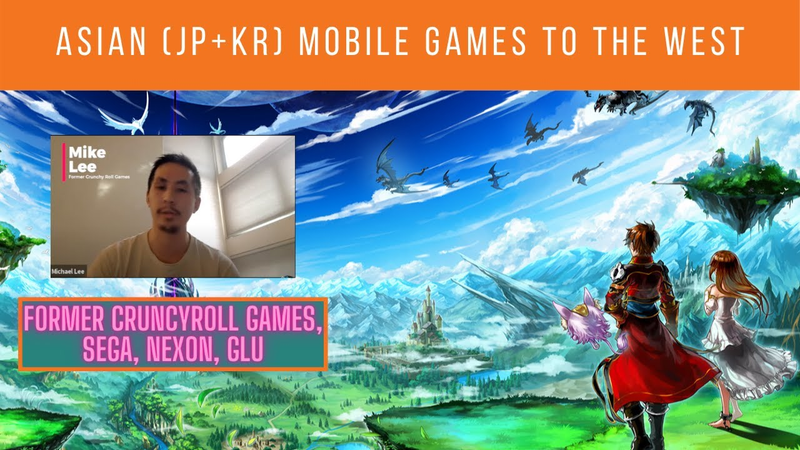
How Do Asian Game Pubs (JP + KR) Bring Games to the West? | Mike Lee (Crunchyroll, SEGA, Nexon, Glu)
Japanese and Korean game publishers face distinct strategic hurdles when expanding into Western markets, often characterized by a tension between domestic design philosophies and global consumer expectations.
- Japanese and Korean publishers often treat the West as a secondary market for incremental revenue, leaving them vulnerable to Chinese developers who prioritize aggressive, global-first strategies.
- Successful Western market entry for Asian studios frequently relies on combining high-fidelity RPG mechanics with established anime or Western intellectual properties, as demonstrated by companies like Netmarble.
- Asian publishers face significant financial risk due to high licensing costs and the difficulty of adapting games designed for isolated domestic markets to Western consumer expectations.