Asia reports and market data
Documents
Mobile Game Trends White Paper: Simulation Games in Asia Pacific
The mobile simulation game market in the Asia-Pacific region demonstrates significant growth and untapped potential, particularly within the strategy and simulation (SLG) genre.
- The Asia-Pacific SLG market reached 106.97 million players by Q1 2023, with over 40% of the total player base actively spending to enhance their experience.
- Thailand and Hong Kong are the region's top monetization markets, with more than 50% of SLG players contributing revenue.
- Indonesia remains a commercially viable market with 18 million paying players, despite experiencing a slight year-over-year decline in the number of paying users.
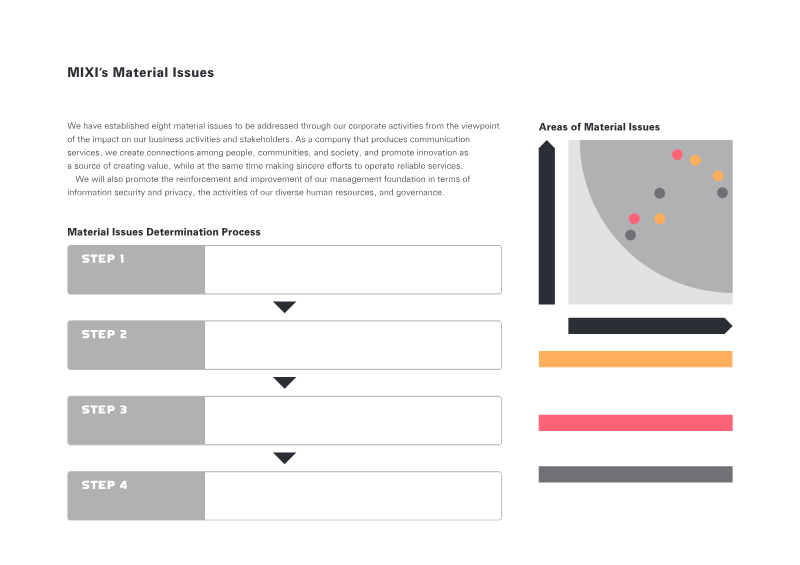
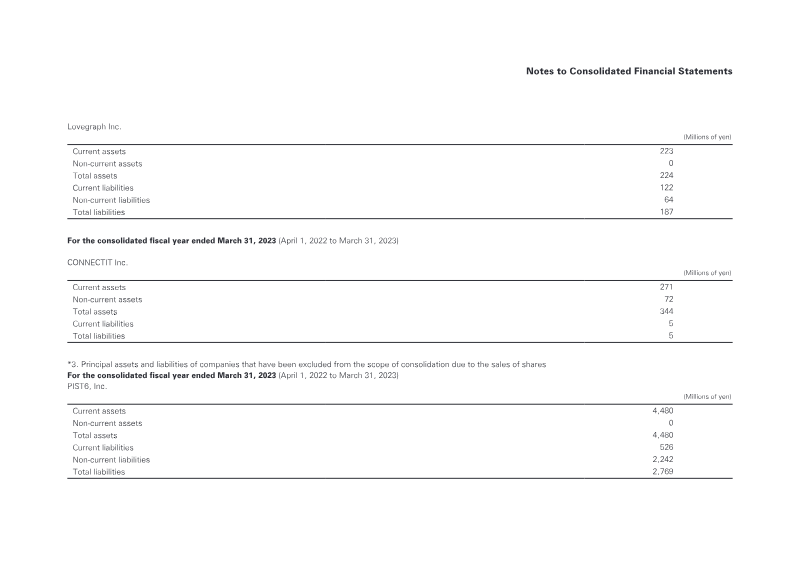
MIXI Group Integrated Report 2023
MIXI, Inc. operates as a diversified digital entertainment, sports, and lifestyle conglomerate committed to fostering deep human connections through its "User surprise first" philosophy.
- MIXI, Inc. rebranded from mixi, Inc. in October 2022 to unify its corporate identity and increase its global profile.
- The company is prioritizing the monetization of its 'FamilyAlbum' service in FY2024 by shifting focus toward high-margin digital products rather than relying solely on printed photo services.
- MIXI is seeking to expand its sports betting business, specifically the TIPSTAR platform, by developing social features that make bicycle and auto racing more accessible to casual users.
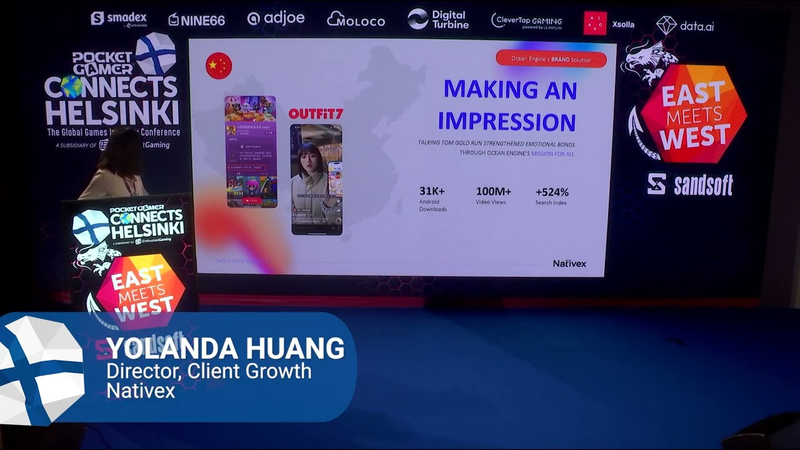
Exploring APAC: How to Market in a Flourishing Region - Yolanda Huang, Nativex
The Asia-Pacific (APAC) region represents 46 percent of global gaming revenue, yet it remains a complex landscape requiring highly localized marketing strategies.
- The APAC region accounts for 46 percent of global gaming revenue, necessitating highly localized strategies rather than standardized global approaches.
- Market entry in Japan is most effective when leveraging the country's anime and manga culture through offline-to-online marketing, such as physical events featuring influencers and cosplayers.
- Success in China requires utilizing the Ocean Engine ecosystem and implementing high-frequency creative testing, where thousands of assets are iterated to optimize performance.
Female Gamers in Asia
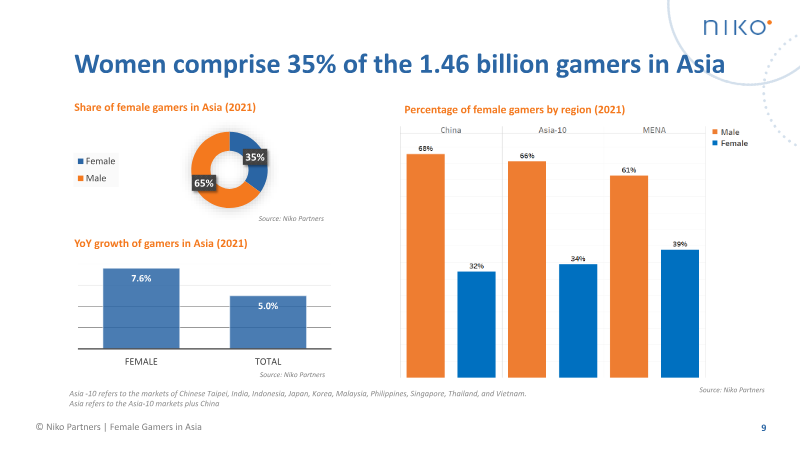
The Asian gaming landscape is experiencing a significant shift driven by the increasing influence of female players, who now represent 35% of the region’s 1.42 billion gamers.
- Female gamers represent 35% of Asia’s 1.42 billion players and are a primary growth driver, with their population increasing by 7.6% year-over-year compared to the 5.0% total market growth rate.
- The female demographic shows high commercial potential, with 84% of players willing to make in-game purchases, specifically favoring items and gacha mechanics.
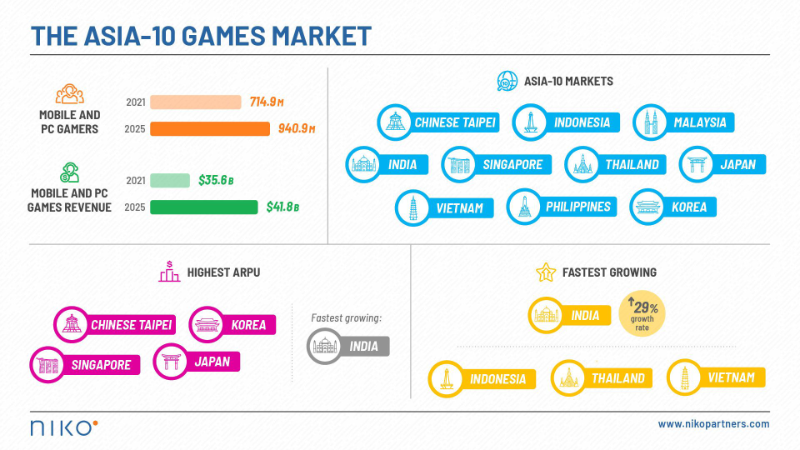
- Mobile gaming is the dominant platform for female players across China and the Asia-10 markets, which include Japan, Korea, India, and several Southeast Asian nations.

Gametech: How Video Games are Seriously Changing the World
The video game industry has evolved into a foundational architect of modern technological infrastructure, serving as a primary engine for innovation that transcends traditional entertainment.
- The video game industry has transitioned into a foundational architect of global technological infrastructure, with its R&D in AI, cloud gaming, 5G, and game engines driving innovation across healthcare, manufacturing, education, and film.
- Cloud gaming is projected to reach over 500 million users in Asia by 2025, highlighting the region's role as a primary hub for the rapid scaling of gaming-derived technologies.
- Gaming-derived tools such as digital twins, virtual reality simulations, and advanced networked communication are now essential components in industrial supercomputing, space exploration, and public service delivery.
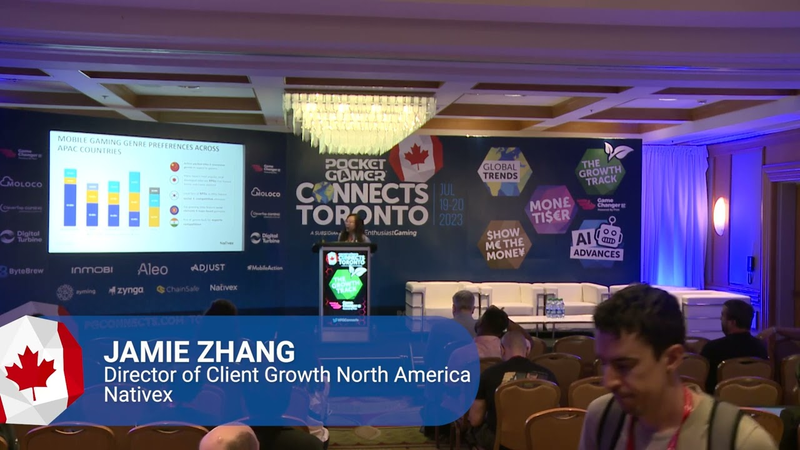
East Meets West: How to Grow Your Game in APAC - Jamie Zhang, Nativex
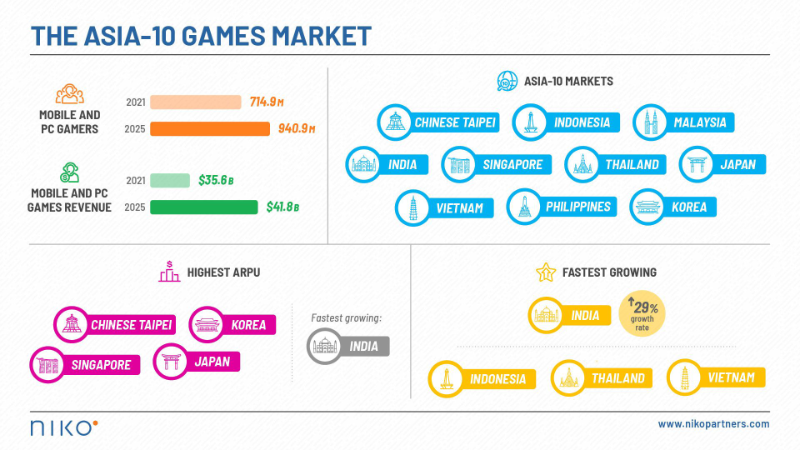
The Asia-Pacific (APAC) region represents the world’s largest gaming market, home to 1.5 billion gamers and generating approximately $88 billion in annual revenue, which accounts for nearly half of the global total.
- The APAC region is the world's largest gaming market, housing 1.5 billion gamers and generating $88 billion in annual revenue, which accounts for nearly 50% of the global total.
- Market entry is highly complex due to regional fragmentation, requiring developers to navigate distinct regulatory environments, such as China’s ISBN approval and real-name verification requirements.
- Genre preferences are culturally specific: Chinese players favor immersive RPGs and strategy games, Japanese audiences prefer anime-inspired RPGs, and South Korean and Southeast Asian markets prioritize competitive, social, and esports titles.
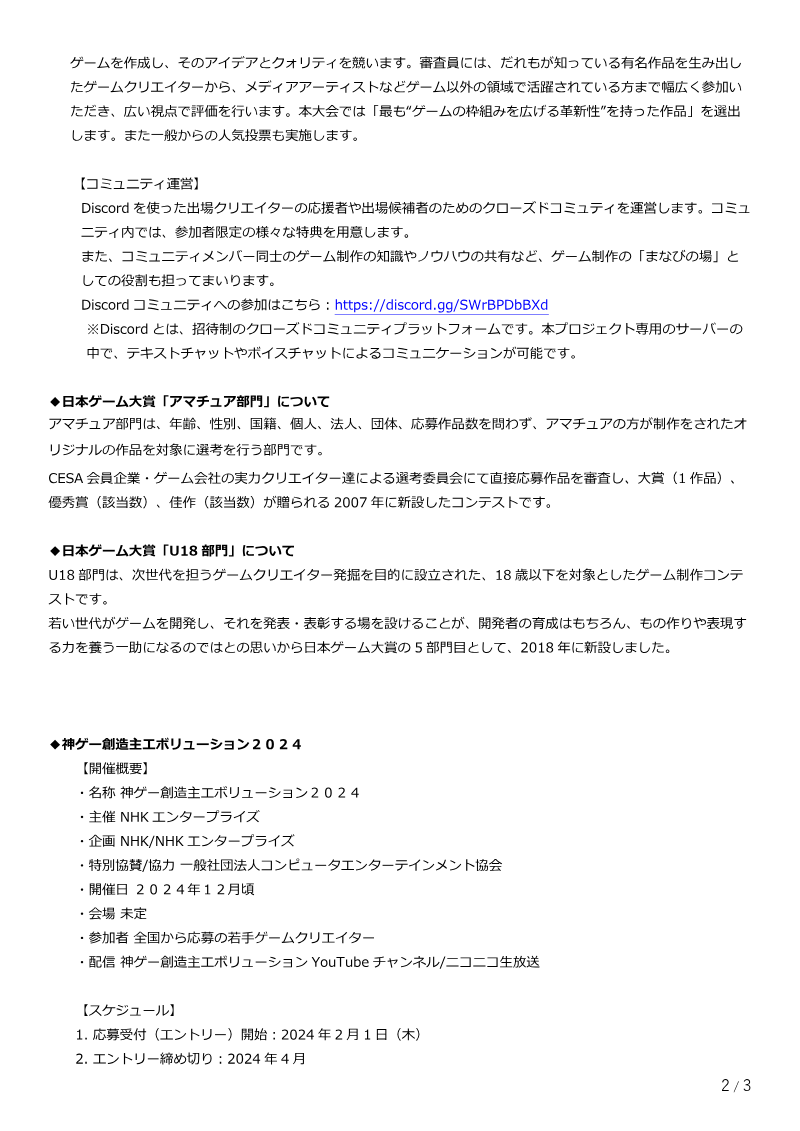
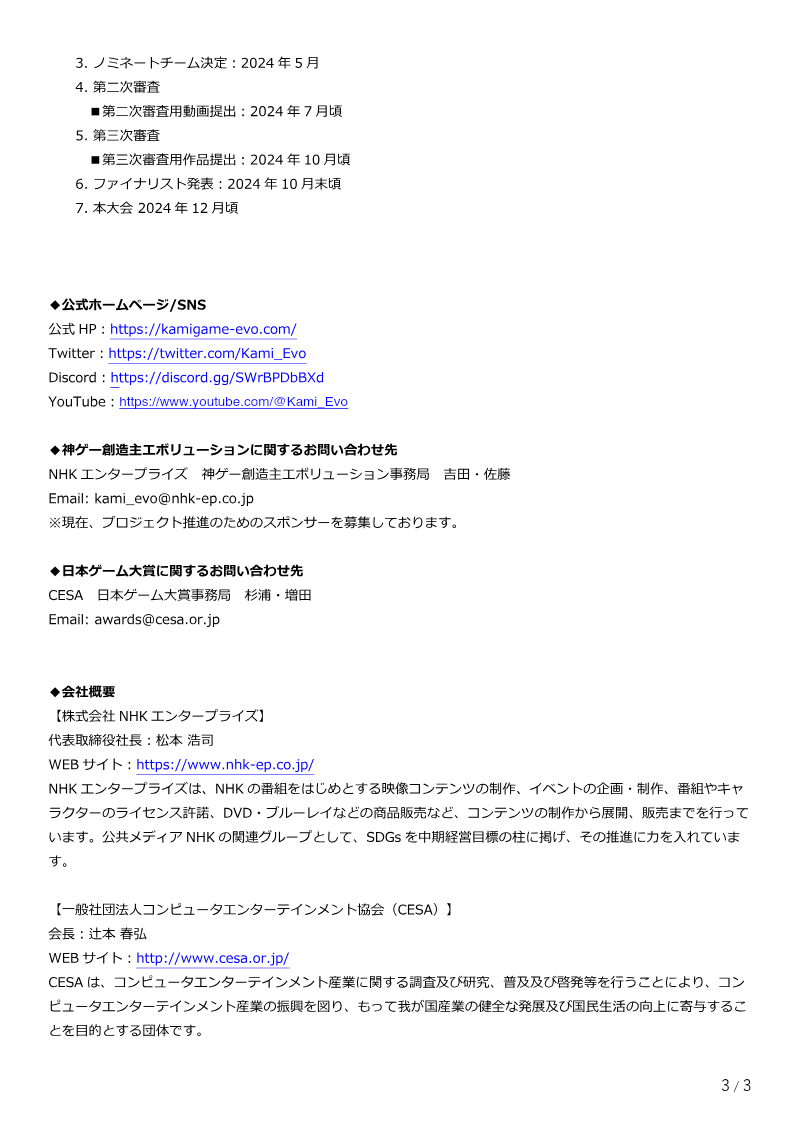
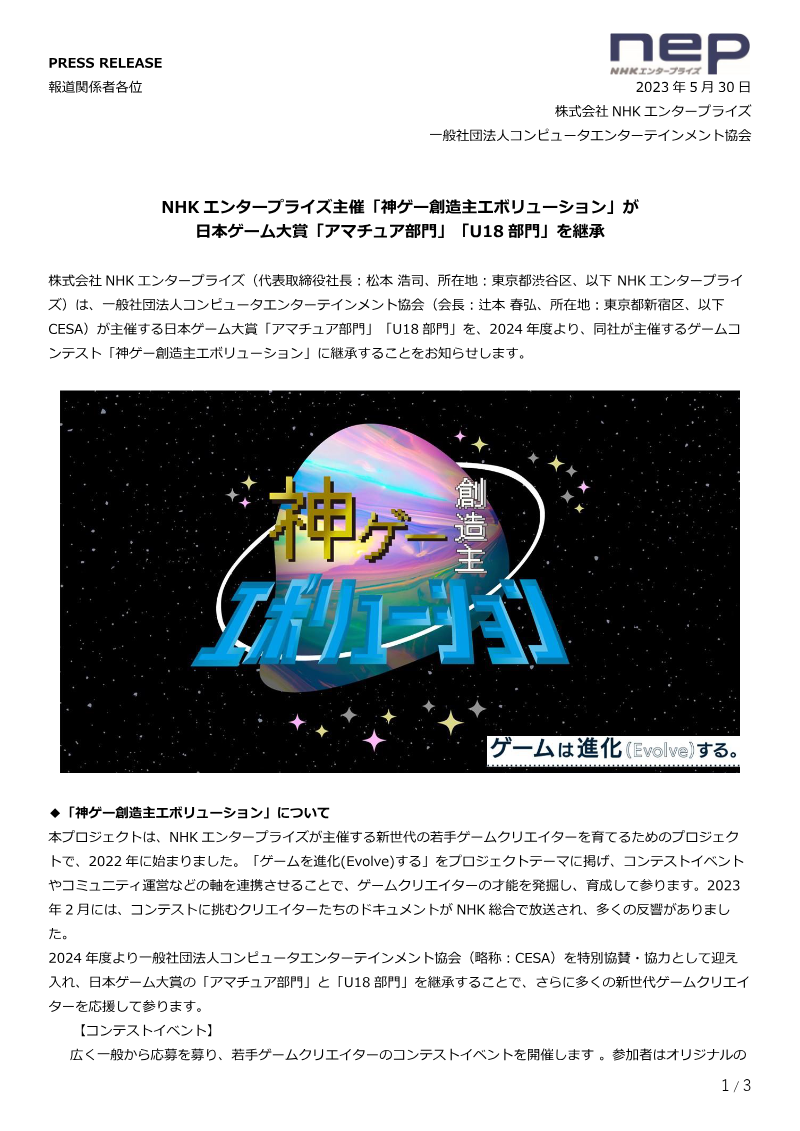
NHK Enterprise's 'Kami-Ge Creator Evolution' Succeeds Japan Game Awards 'Amateur' and 'U18' Divisions
NHK Enterprise is launching the “Kami-Ge Creator Evolution” contest as a dedicated platform for nurturing the next generation of Japanese game developers, and from 2024 it will incorporate the Japan Game Awards’ Amateur and U18 divisions.
- NHK Enterprise has integrated the Japan Game Awards’ Amateur and U18 divisions into its 'Kami-Ge Creator Evolution' contest, effective from 2024.
- The 2024 competition timeline spans from February 1 to a final event in December, featuring a multi-stage evaluation process including video submissions in July and game submissions in October.
- The contest is open to all applicants regardless of age, nationality, or organizational status, with specific categories for general amateur creators and those aged 18 or younger.


Five Key Mobile Game Genres in Asia and MENA
The bulletin delivers a data-driven assessment of the five most influential mobile game genres in Asia and MENA for 2022, combining a 9,000-respondent survey from Niko Partners with AppMagic’s analytics of Apple and Google Play stores.
- RPG titles are the dominant market force, generating 50% more revenue than the other four top genres combined and achieving the highest monetization score of 7.7.
- Puzzle games command the largest download volume and highest engagement score of 6.0, though they suffer from low monetization and minimal esports relevance.
- Battle Royale games lead the market in esports influence with a score of 9.5, despite generating the lowest total revenue among the five genres.
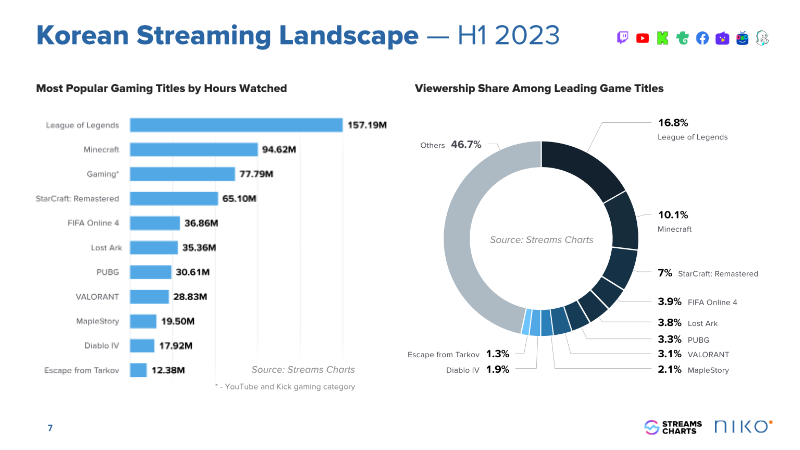

Peak Play: Trends in East Asian Videogame Streaming H1 2023
The East Asian videogame livestreaming market is a mature and culturally distinct ecosystem where competitive esports serve as the primary engine for audience engagement.
- Competitive esports, specifically MOBA and Battle Royale titles, drive over 50% of total viewership in the East Asian streaming market.
- Honor of Kings remains the dominant force in China with 5.67 billion views, while VALORANT and Apex Legends lead in Japan and Korea with over 100 million hours watched each.
- Key Opinion Leaders and VTubers are significant market drivers, contributing up to 15% of total viewership for major titles and successfully revitalizing older games.

Seizing the Trends in Emerging Markets
Emerging markets in the gaming industry, specifically across the Asia-Pacific (APAC), Middle East and North Africa (MENA), and Latin America (LATAM) regions, represent significant growth opportunities for publishers.
- Emerging markets in APAC, MENA, and LATAM now represent 58% of global gaming revenue, showing significant growth in both traffic and ROI compared to declining markets in North America and Europe.
- Gaming live stream revenue in Southeast Asia is projected to grow by 300% between 2020 and 2023, while China currently accounts for 50% of global live stream users.
- In Southeast Asia, gaming publishers should align user acquisition and ad spend with e-commerce mega-sale dates (9/9, 10/10, 11/11, and 12/12) to capitalize on increased ad request volume.
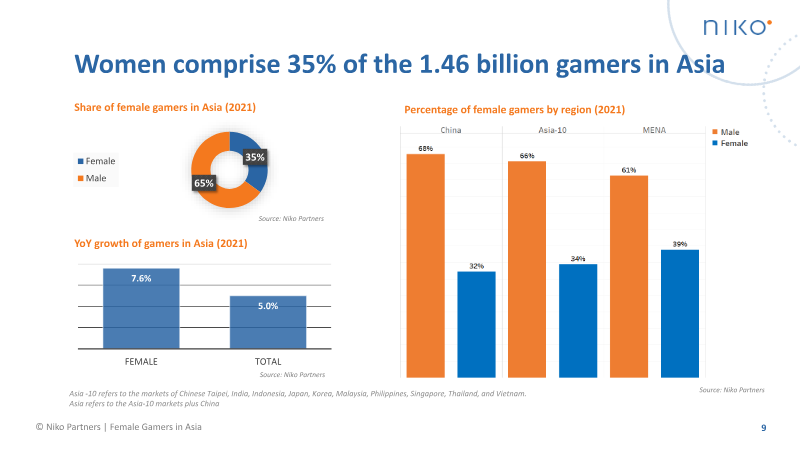
Female Gamers in Asia: Version for Women in Games Asia Panel
Female gamers represent a primary engine of growth within the Asian interactive entertainment market, accounting for 35% of the region's 1.46 billion total gamers as of 2021.
- Female gamers in Asia represent 35% of the region's 1.46 billion total gamers, with a year-over-year growth rate of 7.6% that outpaces the 5.0% growth of the general gaming population.
- In 2021, female gamer spending on mobile titles reached $13.07 billion in China and $5.52 billion across the Asia-10, while PC spending reached $9.70 billion and $3.93 billion respectively.
- Mobile is the primary platform for this demographic, with 95% of female gamers playing on mobile devices, compared to 60% on PC and 17% on consoles.

Hair Art in Games: Aesthetics Difference between Eastern and Western
The evolution of hair art in video games reflects a sophisticated intersection of hardware capability and cultural philosophy.
- Western game design prioritizes anatomical accuracy, physical realism, and lighting fidelity to ground characters in tangible environments.
- Eastern game design emphasizes artistic silhouettes, rhythmic line quality, and emotional expression, often drawing inspiration from traditional ink painting rather than strict physics.
- Hairstyles function as critical narrative tools that signal historical setting, character temperament, and identity through specific cultural markers.