Vector
Game
Documents about Vector

MDM Podcast, Season 7, Episode 11: Understanding Unity's Vector (with Felix The)
Unity’s Vector platform represents a strategic evolution in mobile user acquisition by leveraging the company’s dual role as a game engine provider and an advertising network.
- Unity's 'Vector' advertising product leverages engine-level runtime data to improve user acquisition performance by providing high-fidelity, sequential event signals that are superior to traditional, often fragmented, software development kit (SDK) data.
- Unity is shifting from fragmented machine learning approaches to 'massive unified models' that allow for better autocorrelation, covariance, and causal understanding of user behavior across the advertising ecosystem.
- The company is prioritizing generative AI tools that focus on improving Return on Ad Spend (ROAS) rather than just increasing creative volume, ensuring that advertisers do not simply shift costs from production to marketing without performance gains.

Podcast: Understanding Unity’s Vector
The discussion centers on the strategic evolution of Unity’s advertising infrastructure, specifically the implementation of Vector, an AI-powered growth and user acquisition platform.
- Unity’s Vector platform achieved a 72 percent year-over-year revenue increase as of January 2026 by utilizing engine-level gameplay data for user acquisition.
- Vector improves predictive modeling by replacing fragmented SDK signals with high-fidelity, sequential runtime data to better identify causal relationships in player behavior.
- The platform shifts mobile advertising from manual, fragmented approaches to a unified machine learning architecture capable of continuous learning across gameplay and monetization signals.
Unity Form 10-K: Fiscal Year 2025
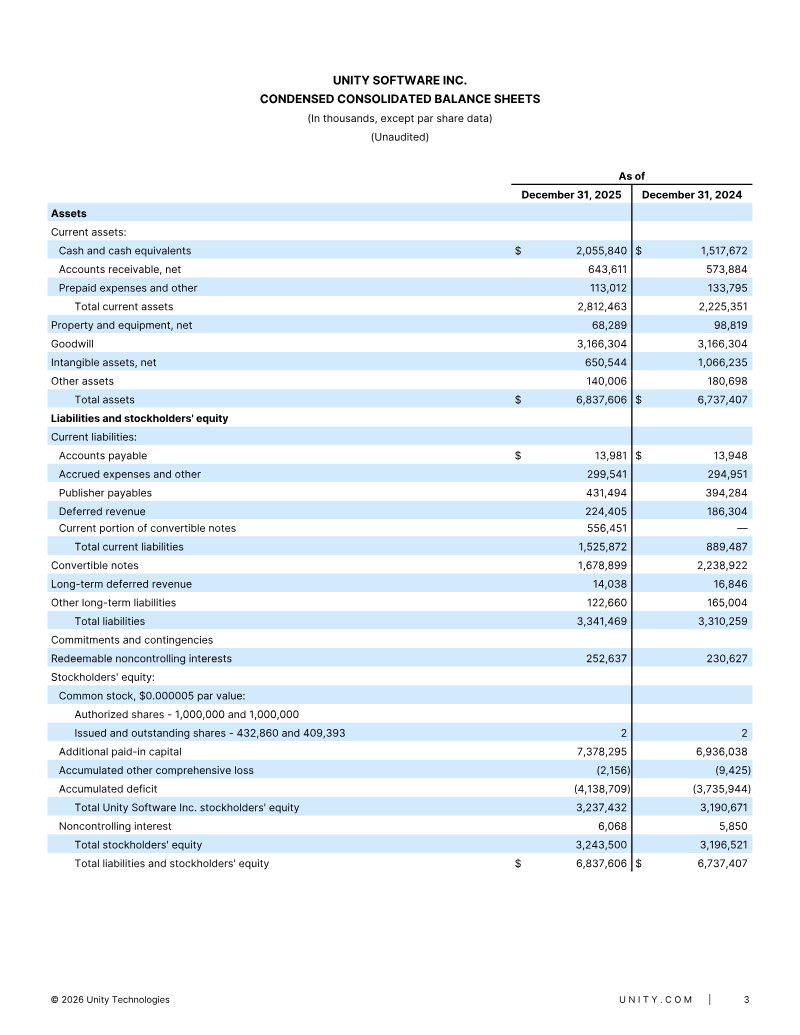
Unity Software Inc.’s 2025 fiscal year performance reflects a strategic pivot toward operational efficiency and AI-driven growth within the real-time 3D development sector.
- Unity reported a net loss of $402.8 million for fiscal year 2025, representing a significant improvement from the $664.1 million loss in 2024 and $822.0 million loss in 2023.
- Annual revenue reached $1.85 billion in 2025, a modest increase from $1.81 billion in 2024, though still below the $2.19 billion generated in 2023.
- Operating expenses were successfully reduced to $1.85 billion in 2025, down from $2.09 billion in 2024 and $2.29 billion in 2023, driven largely by cuts in sales, marketing, and general administrative costs.
Unity Fourth Quarter and Fiscal Year 2025 Financial Results
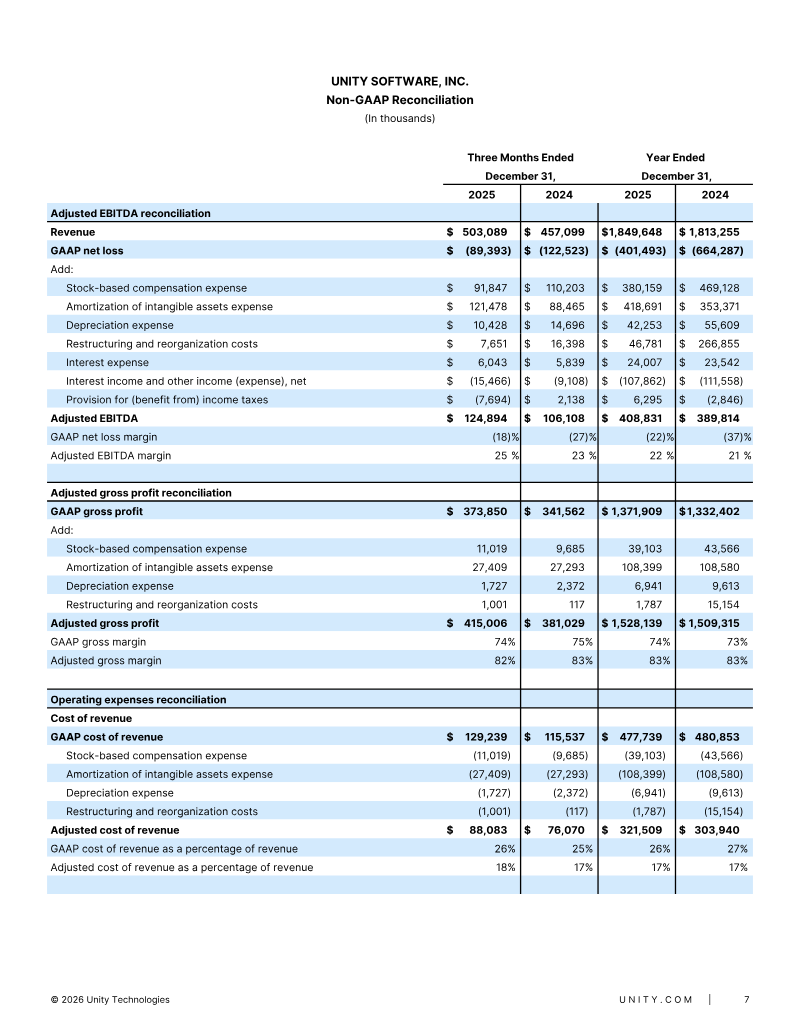
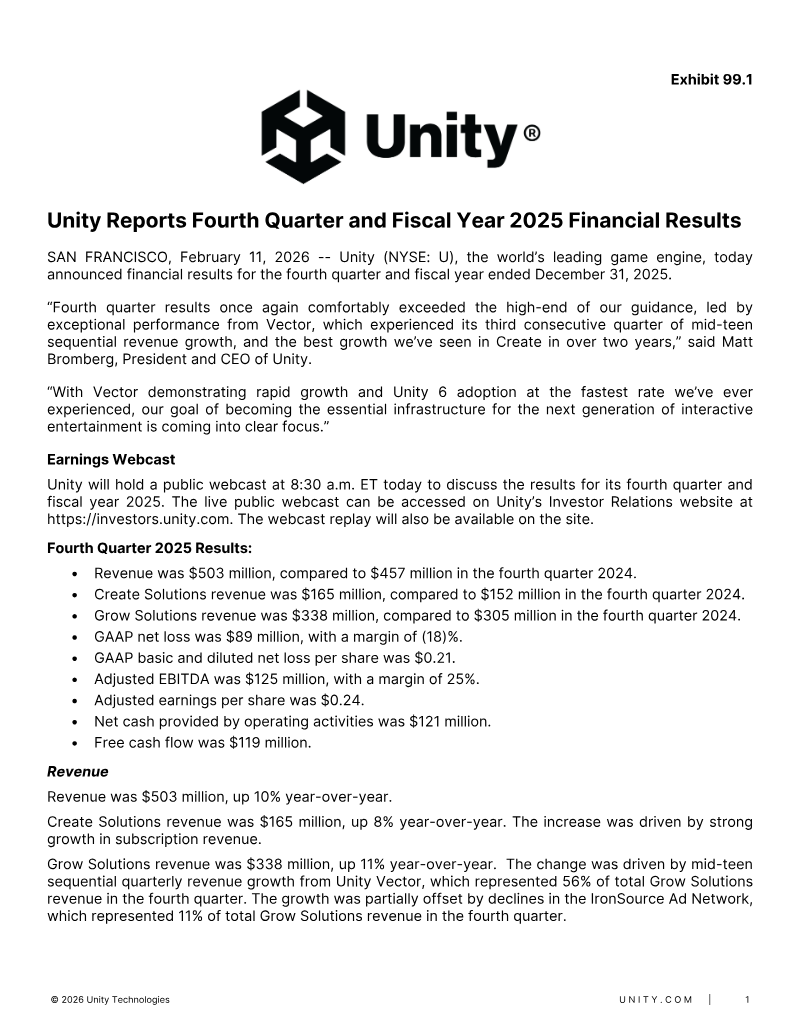
Unity reported fourth-quarter and full-year 2025 financial results that surpassed guidance, driven largely by growth in its Vector platform and the Create segment.
- Unity exceeded financial guidance for Q4 2025, achieving $503 million in revenue, a 10% year-over-year increase.
- Profitability improved as GAAP net loss narrowed to $89 million (–18% margin) and adjusted EBITDA grew to $125 million, representing a 25% margin.
- Revenue growth was driven by the Create segment (up 8% to $165 million) and the Grow segment (up 11% to $338 million), with the Vector platform contributing 56% of Grow revenue.

🚨📢 BREAKING NEWS: JamCity in trouble, Unity Vector fun & Playable Ads = $124B Market?!
The mobile gaming industry is currently defined by a mix of high-profile global launches, evolving ad-tech strategies, and increasing regulatory scrutiny regarding data privacy.
- Global in-game advertising revenue is projected to reach $124.5 billion by 2025 as advertisers shift budgets toward interactive playable ads.
- JamCity settled for $1.4 million with the California Attorney General for violating the California Consumer Privacy Act regarding unauthorized data handling of teenage users and lack of opt-out mechanisms.
- Unity launched the 'Vector' platform to centralize development and monetization workflows, aiming to compete with ad-tech incumbents like Meta and AppLovin by improving player engagement targeting.
Unity Reports Third Quarter 2025 Financial Results
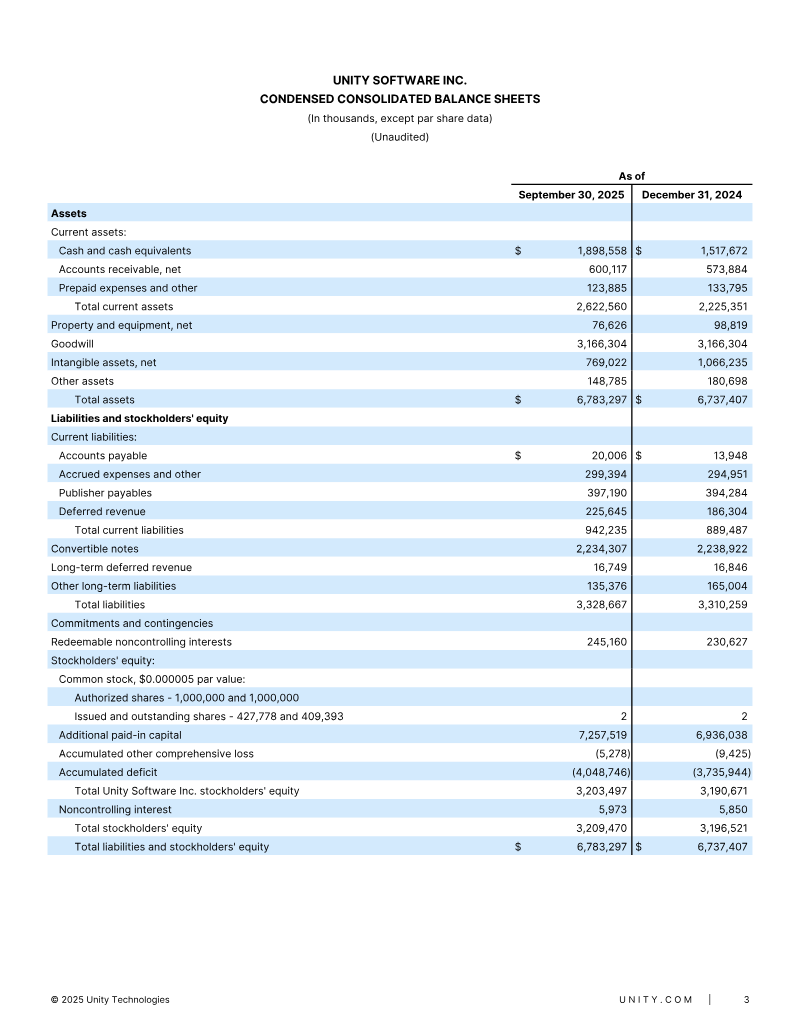
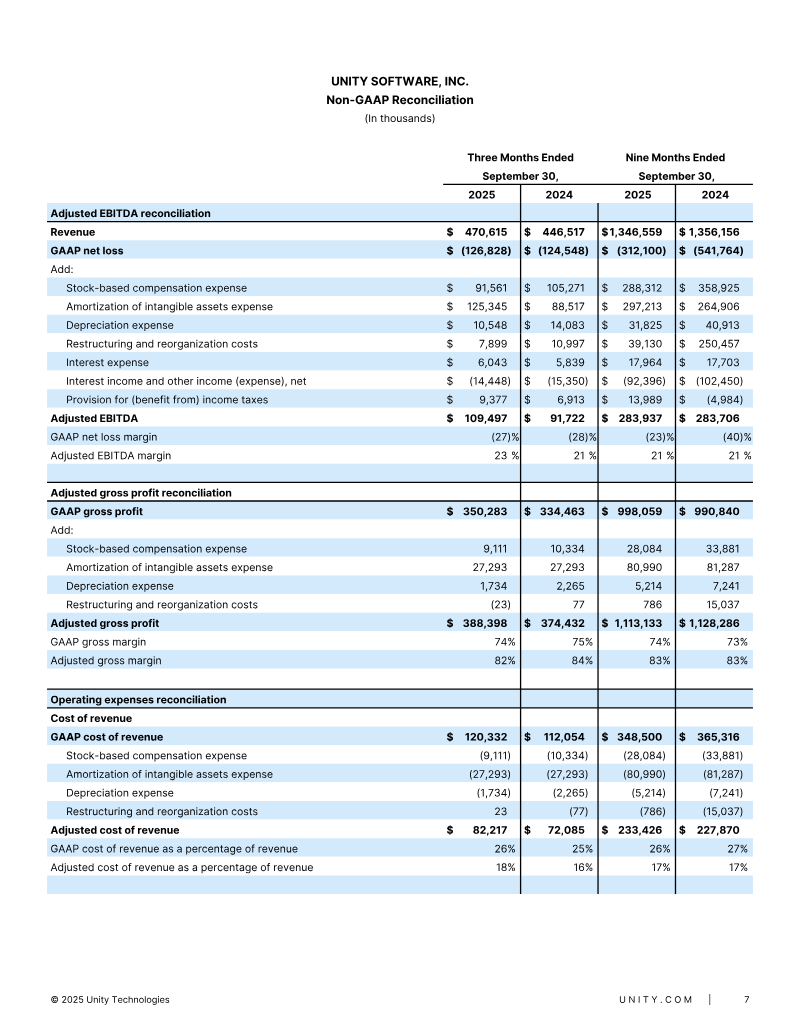
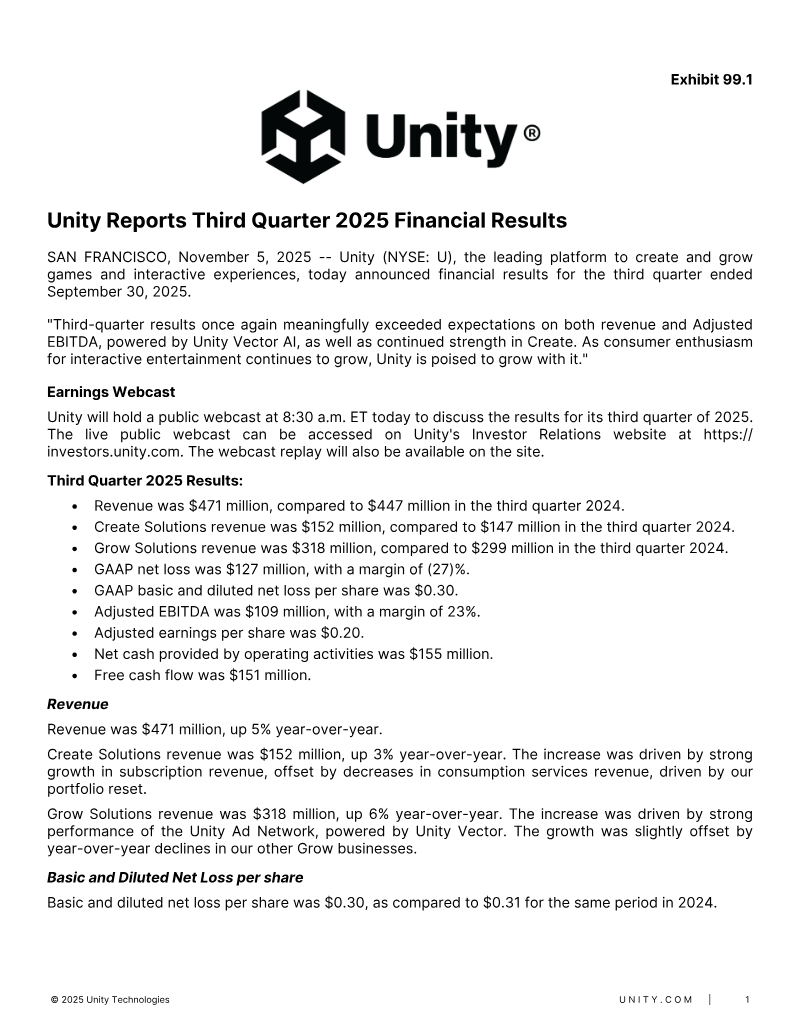
Unity reported its financial results for the third quarter ending September 30, 2025, demonstrating year-over-year revenue growth and improved operational efficiency.
- Unity reported Q3 2025 total revenue of $471 million, a 5% year-over-year increase driven by growth in both Create ($152 million) and Grow ($318 million) segments.
- The company achieved an Adjusted EBITDA of $109 million with a 23% margin, an improvement over the $92 million reported in Q3 2024 due to disciplined cost management.
- Despite revenue growth, Unity recorded a GAAP net loss of $127 million, representing a 27% net loss margin for the quarter ending September 30, 2025.

Week in Mobile Games E63 - The Esports World Cup unpacked and lightning strikes twice for Supercell
The global mobile gaming landscape is currently defined by a strategic shift toward long-term player retention and the professionalization of esports.
- AppLovin maintains a dominant market position in mobile monetization, reporting a 77% year-over-year revenue increase as it competes with Unity’s new Vector AI ad platform.
- The Saudi Arabian gaming market is projected to reach $6.8 billion in consumption by 2030, driven by government-backed initiatives and the professionalization of mobile esports.
- Supercell’s Clash Royale achieved its most lucrative month in nearly eight years, highlighting the continued revenue potential of revitalizing established intellectual property.

Is User Acquisition Really Broken in 2025?
User acquisition in 2025 remains a robust and essential growth engine for the mobile gaming industry, despite widespread perceptions that the sector is in decline.
- AppLovin currently dominates the user acquisition ecosystem by leveraging its MAX mediation platform integrated with the Axon 2 machine learning engine to create a superior data flywheel.
- Modern user acquisition has shifted from aggressive growth hacking to a model defined by incremental profitability, product quality, and sophisticated value optimization.
- Unity is attempting to challenge AppLovin’s market position with its Vector engine, which seeks to utilize in-app purchase data, though it currently faces significant technical and operational scaling hurdles.

Unity's $81 BILLION Opportunity: The Mobile Gaming War Nobody's Talking About 🎮
Unity is currently undergoing a strategic pivot to stabilize its financial position by prioritizing operational efficiency and scaling its advertising monetization segment.
- Unity is pivoting its business model to prioritize the 'Grow' division, aiming to transform its core engine business into a strategic loss leader that fuels a high-margin advertising platform.
- Unity is directly challenging AppLovin’s near-monopolistic dominance in mobile ad-tech by leveraging its massive market share and proprietary engine-level data to improve user acquisition and in-app purchase targeting.
- The company is integrating first-party engine data with advanced tools like its Vector technology to provide developers with more effective, data-driven monetization solutions.
On Product Velocity
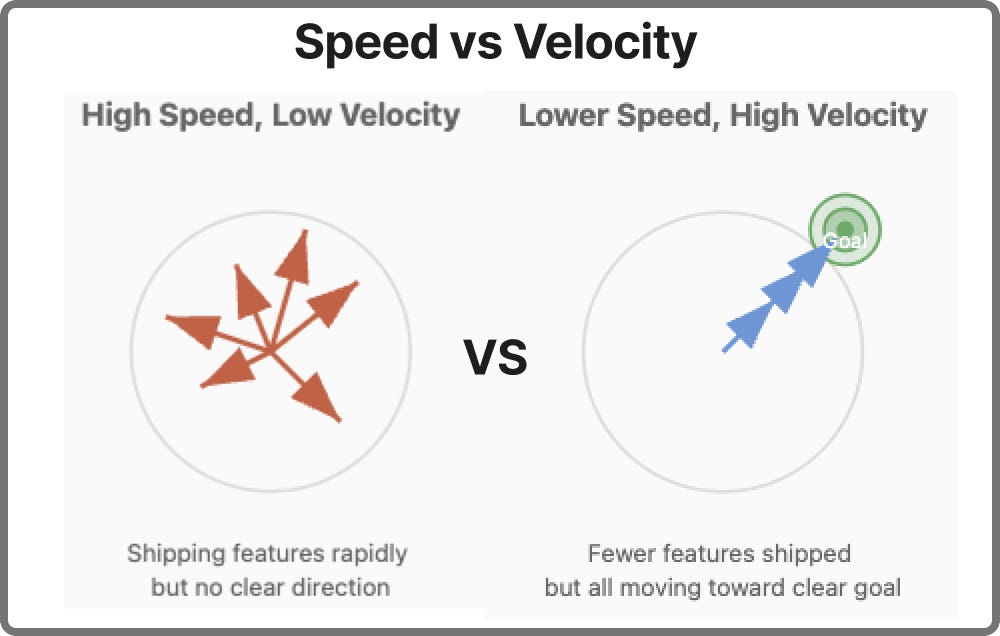
Product velocity in the video game industry is defined as a vector requiring both speed and correct strategic direction.
- Product velocity is defined as a vector requiring both speed (execution) and direction (strategy); teams must optimize both to achieve success.
- Improving development speed requires mapping the iteration cycle to identify bottlenecks, measuring cycle time from start to deployment, and being willing to replace personnel who cause delays.
- The gaming market is shifting from hypercasual to hybridcasual, with in-app purchase revenue in the sector growing by 67% year-over-year.
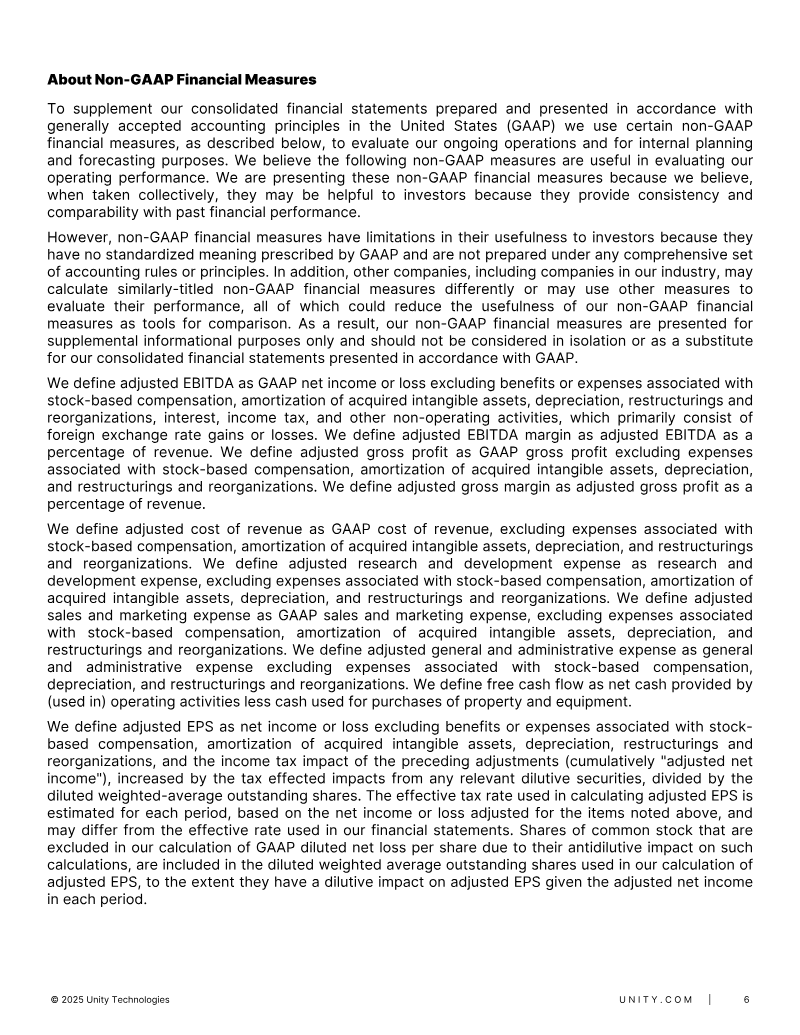
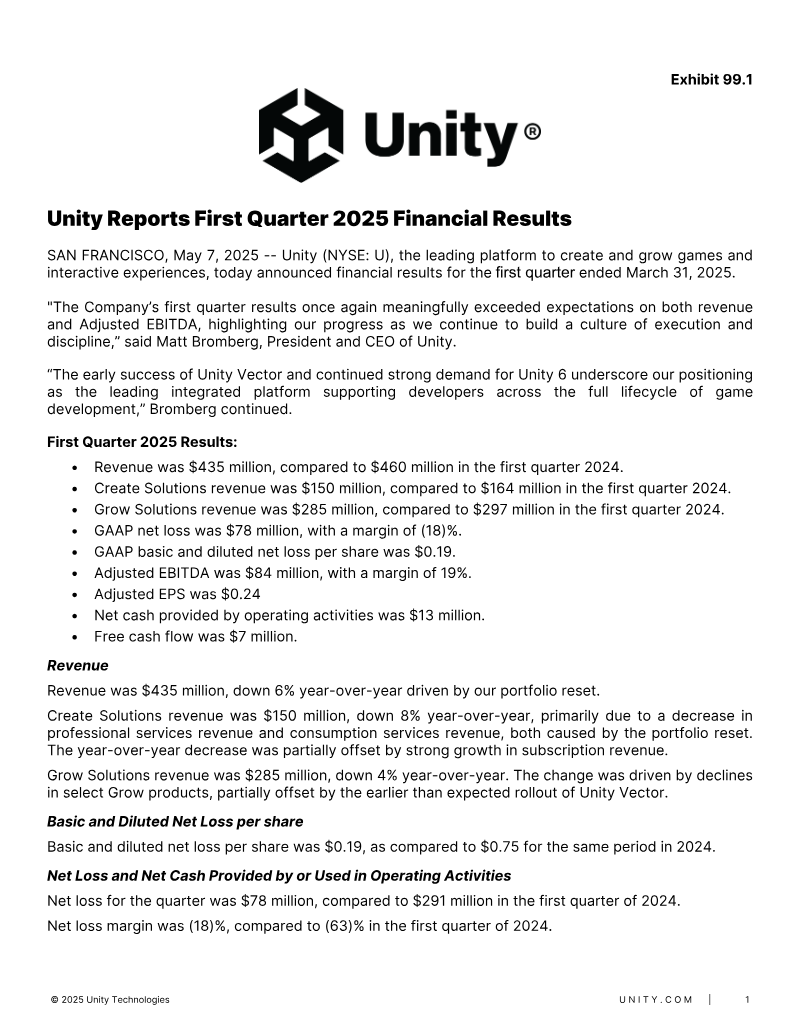
Unity Reports First Quarter 2025 Financial Results
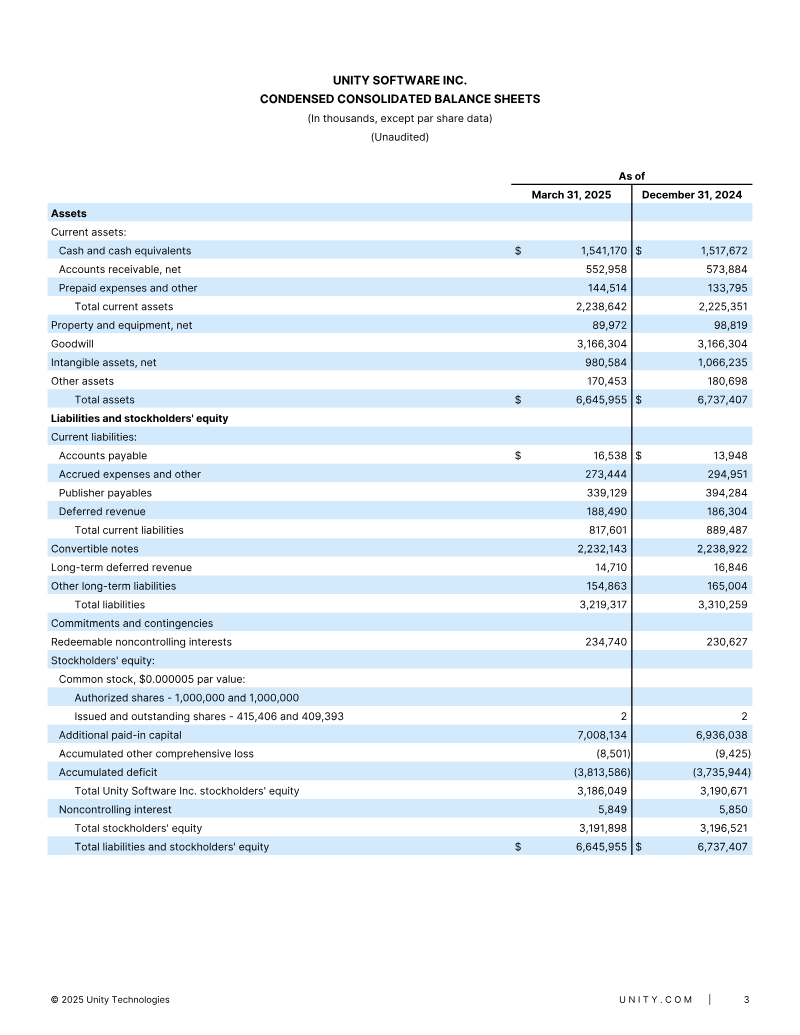
Unity reported its financial results for the first quarter ending March 31, 2025, demonstrating a focus on operational discipline and a strategic portfolio reset.
- Unity reported Q1 2025 revenue of $435 million, a 6% year-over-year decline attributed to an ongoing strategic portfolio reset.
- Adjusted EBITDA improved to $84 million with a 19% margin, up from $79 million and a 17% margin in Q1 2024.
- GAAP net loss narrowed significantly to $78 million compared to $291 million in the same period last year, and free cash flow turned positive at $7 million.
Unity's Vector Daydreams vs. AppLovin's Cash-Printing Reality
The mobile gaming industry is currently defined by a stark divide between the aggressive, data-driven monetization strategies of AppLovin and the struggling, aspirational development efforts of Unity.
- AppLovin continues to dominate mobile monetization through aggressive first-party data harvesting, exemplified by the success of titles like Royal Match, which generates $1 billion in annual revenue.
- Unity's 'Vector' initiative is characterized as a late-stage attempt to regain competitiveness in the advertising market, while critics argue AppLovin's AI-driven advertising model relies on questionable practices like clickjacking and backdoor installs.
- LiveOps strategies remain highly effective, with data from Honkai: Star Rail showing that character updates drive revenue spikes ranging from 100.3% to 1,156.7%, with an average increase of 300%.
Companies behind it

As the documents state it.